
Used Utility Flatbed Trailers For Sale in Colorado
Browse used Utility flatbed trailers in Colorado. Compare 48' and 53' specs, combo and steel builds, suspensions, decking, and load options.
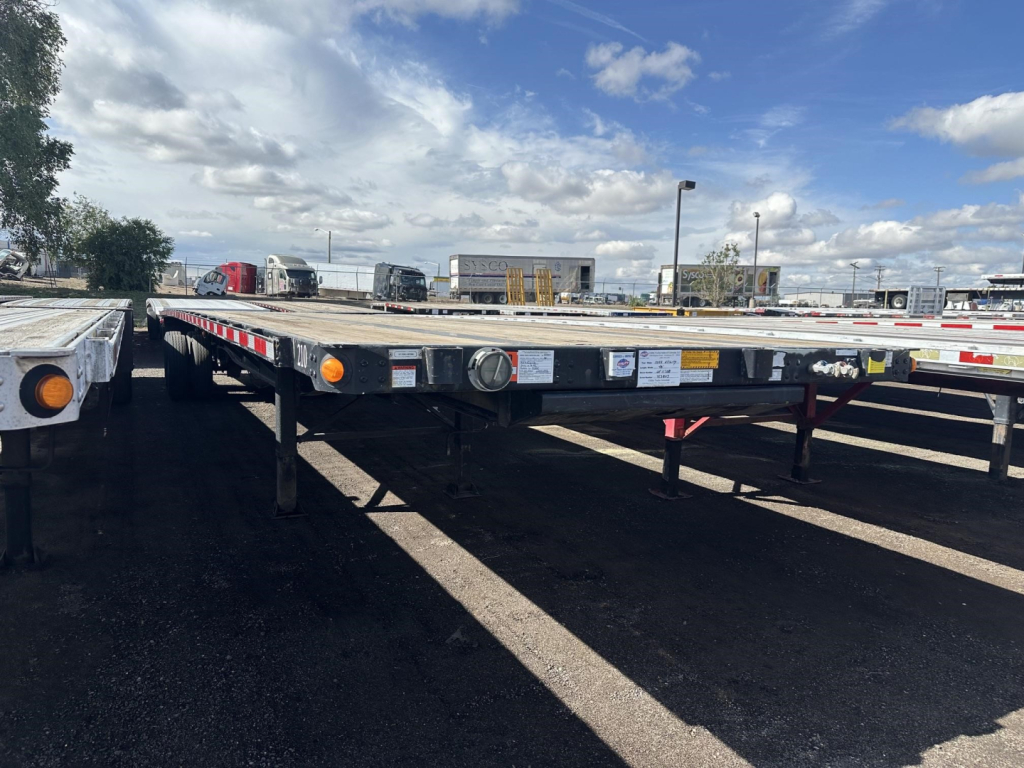
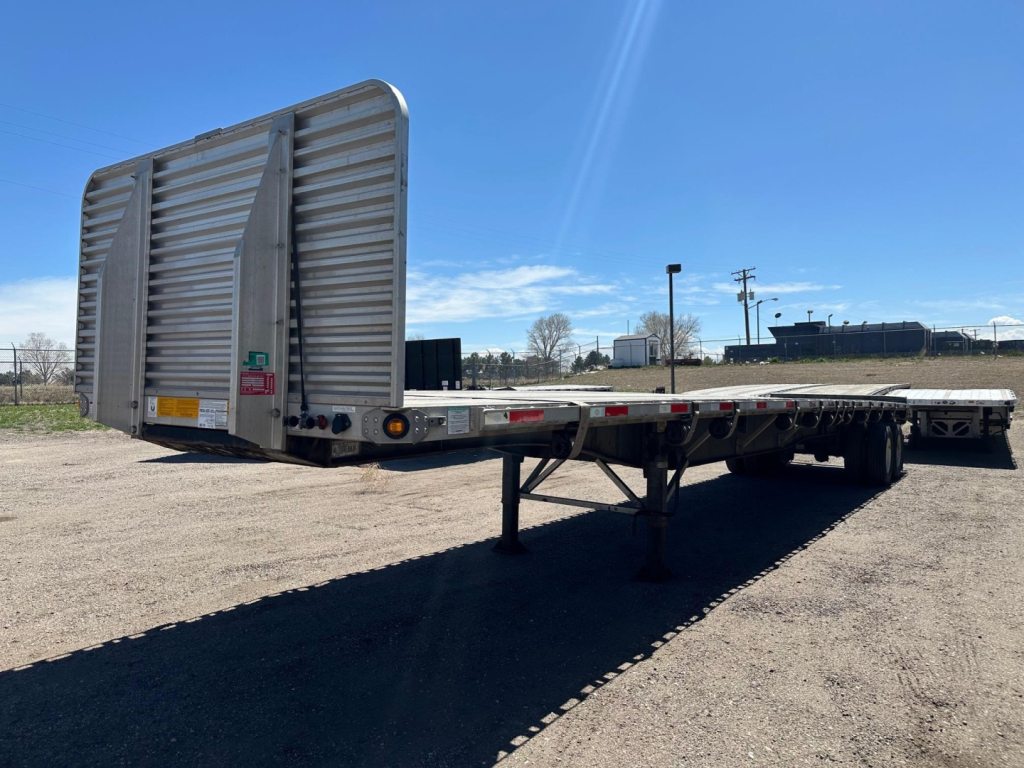
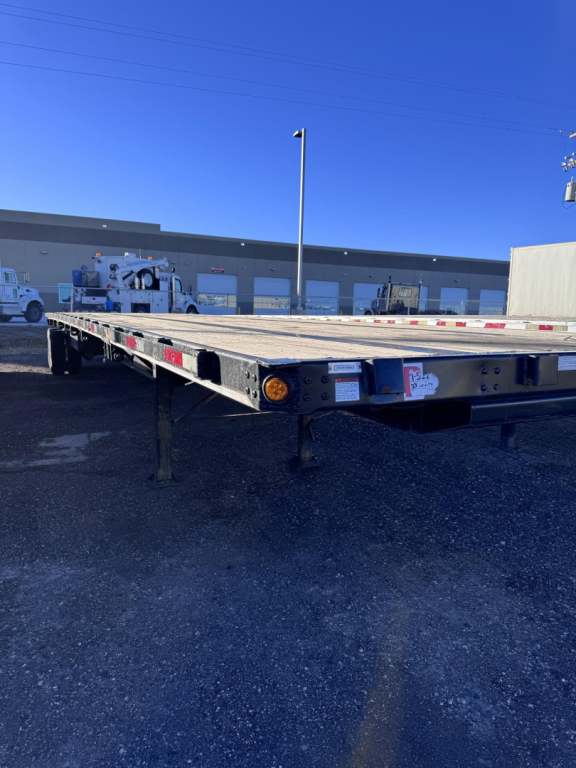
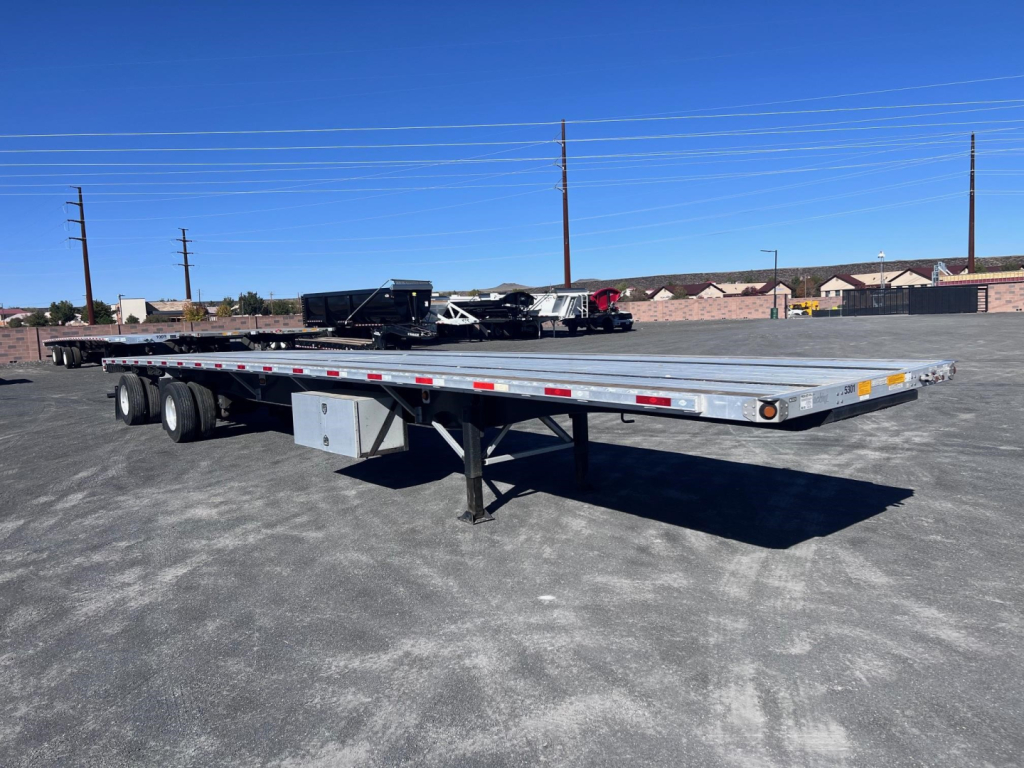
Selling a used utility flatbed trailer? List your used utility flatbed trailer for sale and reach thousands of commercial buyers.
Used Utility Flatbed Trailers in Colorado
Suspension and axle layout matter more than many buyers expect. Used Utility flatbeds are often configured with closed tandem sliders, fixed spread axles, spring ride, or air ride. A closed tandem with slider gives more flexibility for bridge laws, dock positioning, and load distribution. A spread axle air ride setup can improve stability and ride quality, but it limits sliding adjustment and changes how the trailer fits certain freight lanes and state bridge requirements. Colorado operators hauling over mountain passes or mixed regional freight often pay close attention to suspension condition, bushing wear, brake life, and tire matching because those items affect handling and operating cost right away.
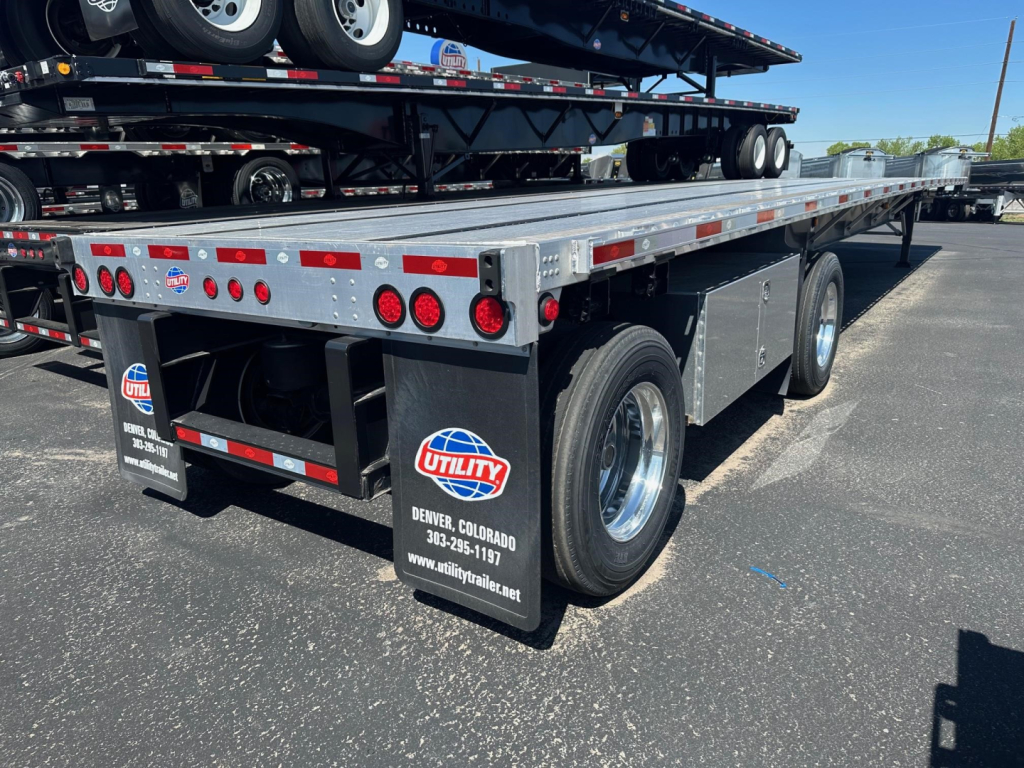
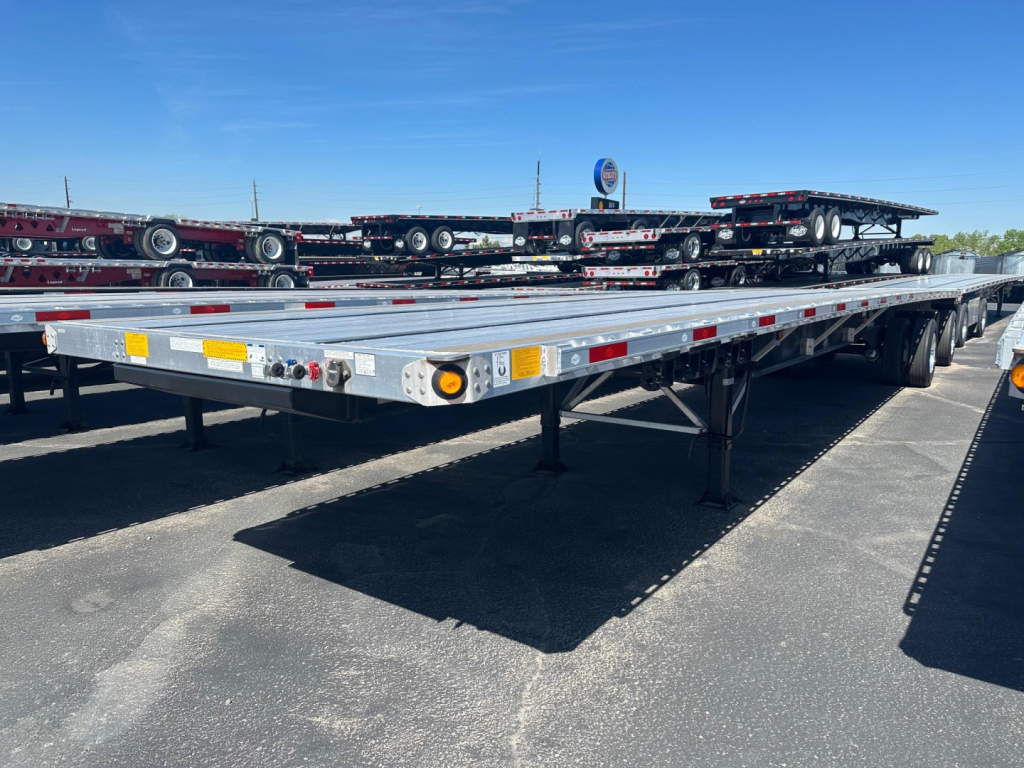
Deck configuration is another key separator in this category. Many Utility flatbeds are equipped with Apitong wood decking or aluminum deck sections, along with stake pockets, sliding winches, winch tracks, pipe spools, and nail strips. If coil hauling is part of the plan, look closely for a rated coil package and confirm the concentrated load capacity, trailer frame condition, and any signs of deck or crossmember fatigue around the coil area. Double pipe spools, tool boxes, and proper winch spacing add real day-to-day value for drivers who handle varied freight. Buyers should also check wheel material, tire size such as 22.5 low profile, lighting condition, and rear structure including the ICC bumper.
On a used Utility flatbed, condition is about more than age. Late model trailers may offer lighter specs, aluminum components, and cleaner undercarriages, but older Utility flatbeds can still be productive if the frame is straight, the deck is sound, the suspension tracks properly, and the securement hardware has not been abused. Pay attention to rail wear, cracked welds, bent crossmembers, floor repairs, axle alignment, and signs of repeated overload. A well-spec'd Utility flatbed can serve a broad range of open-deck applications, and the best choice usually comes down to your freight mix, your target payload, and whether you need the flexibility of a slider tandem or the ride quality and load profile of a spread axle.
Frequently Asked Questions about Used Utility Flatbed Trailers in Colorado
What is the difference between a Utility combo flatbed and a Utility all-steel flatbed?
A Utility combo flatbed typically uses steel main beams with aluminum crossmembers, deck sections, or side rails to reduce trailer weight while maintaining structural strength where it matters most. An all-steel flatbed usually weighs more but can be simpler to repair and may hold up well in severe-duty applications. Buyers usually compare tare weight, expected payload, repair practices, and the type of freight being hauled before choosing between the two.
Is a spread axle Utility flatbed better than a closed tandem slider?
Neither setup is universally better. A spread axle Utility flatbed can offer good ride quality and load stability, especially with air ride, and it is common on trailers built for specific freight applications. A closed tandem with slider offers more flexibility for axle weight distribution, bridge compliance, and loading position changes. The right choice depends on where the trailer runs, how often axle adjustment is needed, and what freight is being loaded.
What should I inspect first on a used Utility flatbed trailer?
Start with the frame, crossmembers, suspension, brakes, tires, and deck. Check for bent rails, cracked welds, uneven tire wear, corrosion around structural joints, worn suspension components, and damage near stake pockets or winch track mounts. If the trailer has a coil package, inspect that area carefully for concentrated-load stress. Functional securement equipment and a straight trailer are usually more important than cosmetic appearance.
Are Utility flatbed trailers good for coil hauling?
Many Utility flatbeds can be configured for coil hauling, but not every trailer should be treated as a coil trailer. Buyers should confirm the trailer has a rated coil package and inspect the frame, deck structure, and crossmembers in the coil area. Coil loads put concentrated stress on the trailer, so capacity rating and structural condition matter more than general flatbed appearance.
What trailer length is most common for used Utility flatbeds?
The most common lengths in this category are 48-foot and 53-foot trailers with a 102-inch width. A 48-foot Utility flatbed remains common for general freight and regional work, while a 53-foot trailer can provide more deck space for longer commodities and certain specialized loads. The best length depends on freight profile, lane requirements, and how often extra deck length creates a practical advantage.