
Used Transcraft Trailers For Sale in Colorado
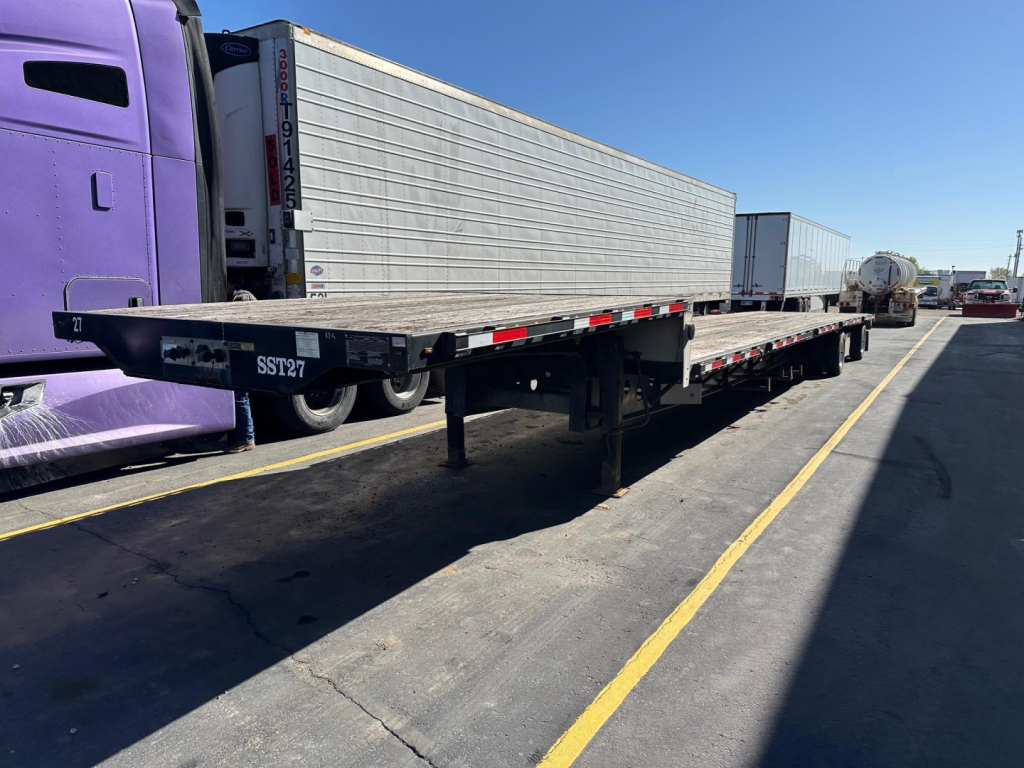
Used Transcraft trailers for sale in Colorado, including flatbeds and drop decks with combo or aluminum construction for freight hauling.
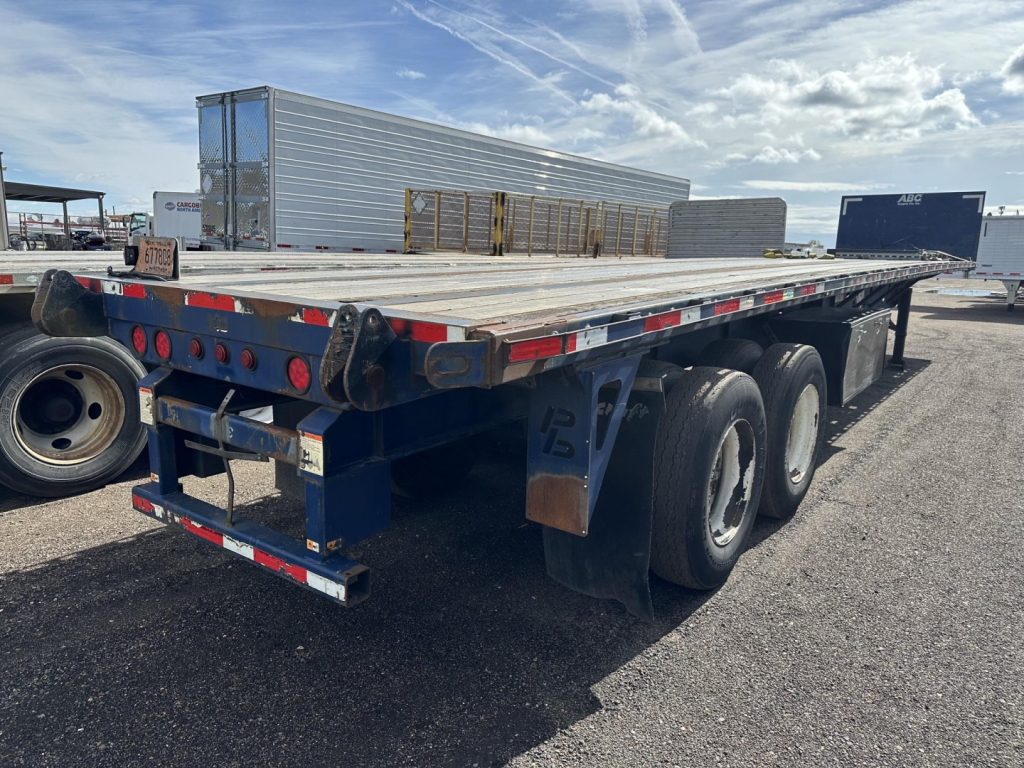
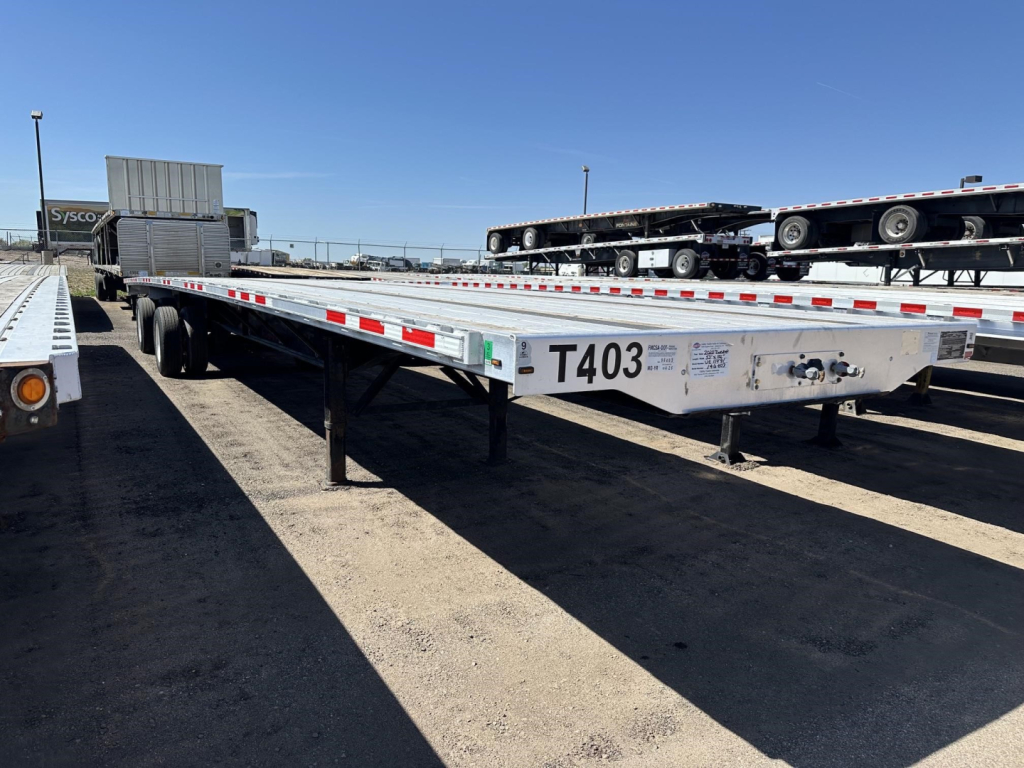
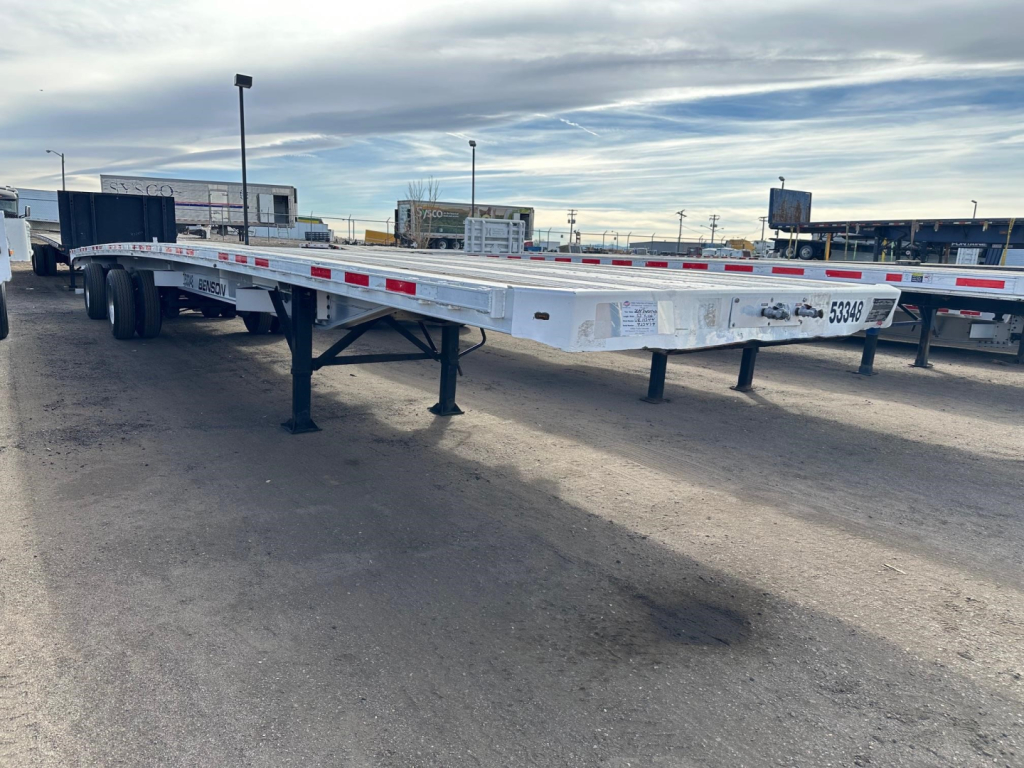
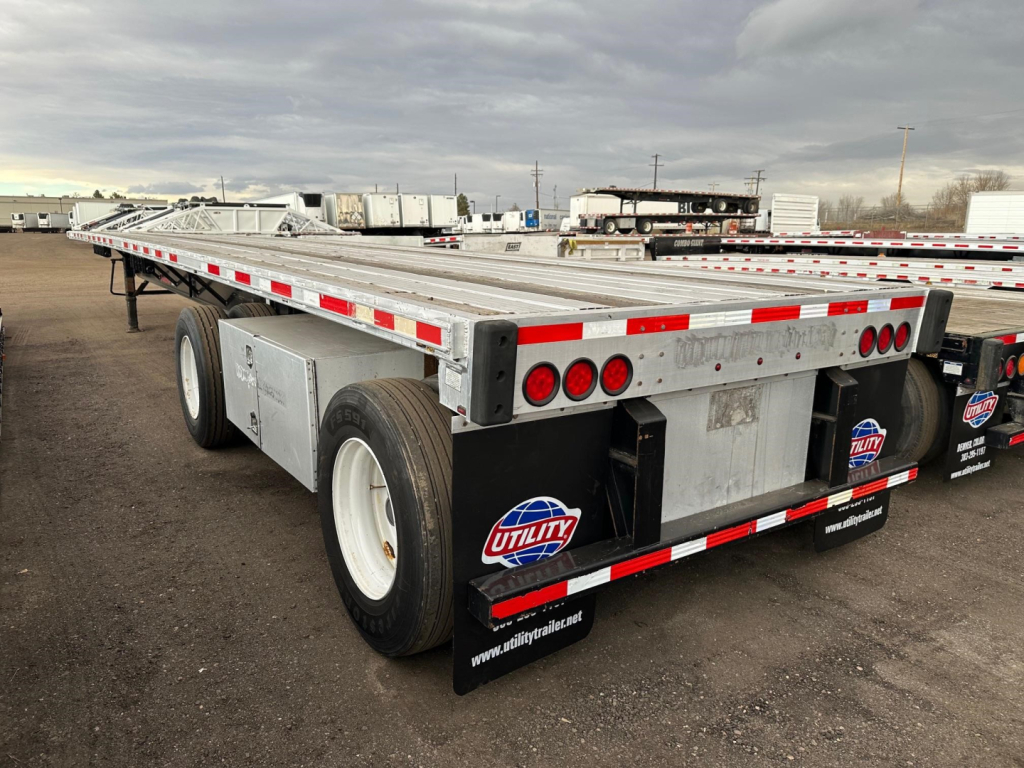
Selling a used transcraft trailer? List your used transcraft trailer for sale and reach thousands of commercial buyers.
Used Transcraft Trailers in Colorado
The biggest buying decision usually starts with construction and trailer type. A Transcraft combo flatbed gives buyers a middle ground between durability and tare weight, while an all-aluminum flatbed can make more sense for operations chasing every pound of payload. Drop deck models, also called step deck trailers, are better suited for taller freight that needs lower deck height to stay within legal limits. Common specs in this category include 48-foot and 53-foot lengths, 102-inch width, fixed spread air ride suspensions, and 22.5 low-profile or 17.5-inch tire setups depending on application. California legal configurations also show up in this make, which can be important for fleets running western lanes with tighter bridge law and axle requirements.
Deck equipment and securement details matter as much as the frame. Buyers typically look for stake pockets, sliding winches, pipe spools, nail strips, and usable deck condition because those features directly affect how efficiently the trailer can handle steel, lumber, machinery, building products, and other general commodity freight. On used Transcraft trailers, pay close attention to crossmember condition, deck wear, rail damage, suspension components, brake life, and wheel-end maintenance history. If the trailer has a lift axle, confirm how it has been used and serviced, since that can affect tire wear, alignment, and legal load flexibility.
For Colorado operators, it is smart to evaluate a used Transcraft trailer with altitude, grades, and seasonal road treatment in mind. Corrosion around steel components, air system condition, and brake performance deserve a close inspection, especially on trailers that have worked in snow or on mountain routes. A well-spec'd Transcraft flatbed or drop deck can be a strong fit for oilfield support, construction materials, equipment moves, and general open-deck freight, provided the trailer's weight, axle layout, and deck setup match the lanes and commodity mix you actually run.
Frequently Asked Questions about Used Transcraft Trailers in Colorado
What types of used Transcraft trailers are most common?
The most common used Transcraft trailers are flatbeds and drop decks. Flatbeds are used for general open-deck freight such as steel, lumber, palletized building materials, and machinery that can be loaded from the side or overhead. Drop decks, also called step decks, add lower deck height for taller freight that still needs to move legally without overheight permits in many situations.
What is the difference between a Transcraft combo trailer and an all-aluminum trailer?
A combo trailer typically uses steel main beams with aluminum components such as the deck or side rails. That design gives buyers a balance of structural durability and lower tare weight. An all-aluminum trailer usually weighs less and can increase payload potential, but buyers should inspect aluminum structure closely for fatigue, previous repairs, and overall condition, especially on older used units.
What should I inspect first on a used Transcraft flatbed or drop deck?
Start with the frame, main beams, crossmembers, suspension, brakes, tires, and deck surface. Then check common wear points such as stake pockets, winch track areas, pipe spools, landing gear, and rear frame sections. On air ride trailers, inspect air bags, valves, bushings, and alignment-related tire wear. A recent DOT inspection is helpful, but it should not replace a full structural and maintenance review.
Are 48-foot or 53-foot Transcraft trailers better for Colorado hauling?
That depends on the freight and the lanes. A 53-foot trailer offers more deck space and is common for general freight and longer commodity loads. A 48-foot trailer can be easier to position in tighter delivery environments and may fit some specialized applications better. In Colorado, trailer length should be matched to mountain routes, customer yards, axle spacing rules, and the typical cargo dimensions you handle.
Why do some used Transcraft trailers have California legal specs?
California legal specs are designed to comply with that state's bridge law and axle requirements, often using specific axle spreads and trailer dimensions. Those trailers can also appeal to western fleets running multi-state routes because they add operating flexibility. Even outside California, buyers may value that spec if they need broader route compliance or want a trailer configured for western regional work.