
Used Stoughton Trailers For Sale in Colorado
Used Stoughton trailers for sale in Colorado, including dry van and hopper models with common specs, applications, and inspection points.
Selling a used stoughton trailer? List your used stoughton trailer for sale and reach thousands of commercial buyers.
Used Stoughton Trailers in Colorado
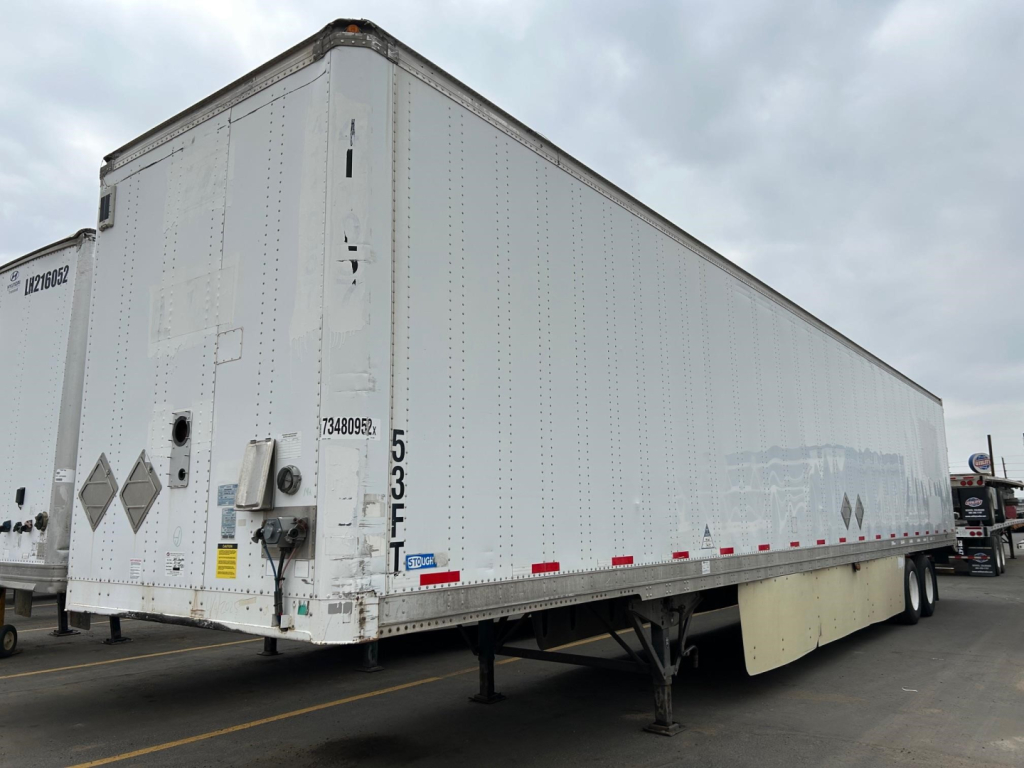
On Stoughton dry vans, the most common working spec is 53 feet long, 102 inches wide, and 12 feet 6 inches high. Many are built with wood floors over crossmembers and aluminum lining on the interior, a combination that balances cargo protection with manageable tare weight. Roll-up doors are popular in multi-stop and dock-heavy operations because they reduce swing-door clearance issues, but buyers should inspect door tracks, spring tension, and header wear. Sliding tandems matter in Colorado and surrounding states where bridge laws, dock approach angles, and axle placement can affect how easily the trailer fits a lane. Air ride suspension remains the preferred setup for general freight because it helps protect palletized cargo and improves ride quality over mixed highway conditions.
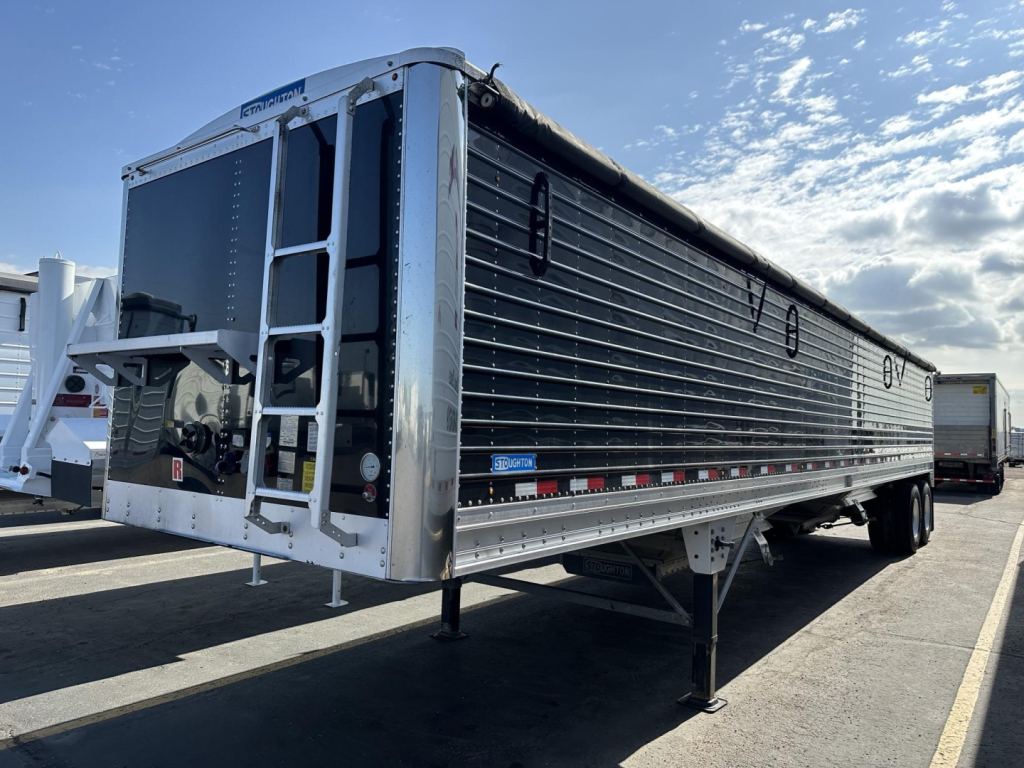
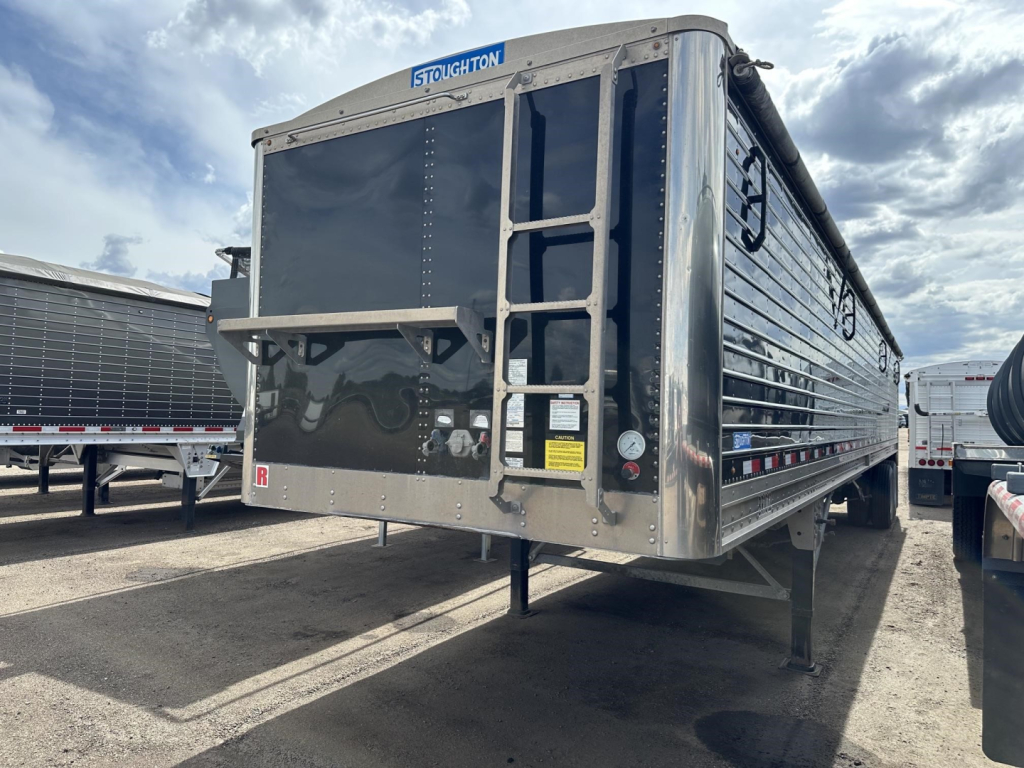
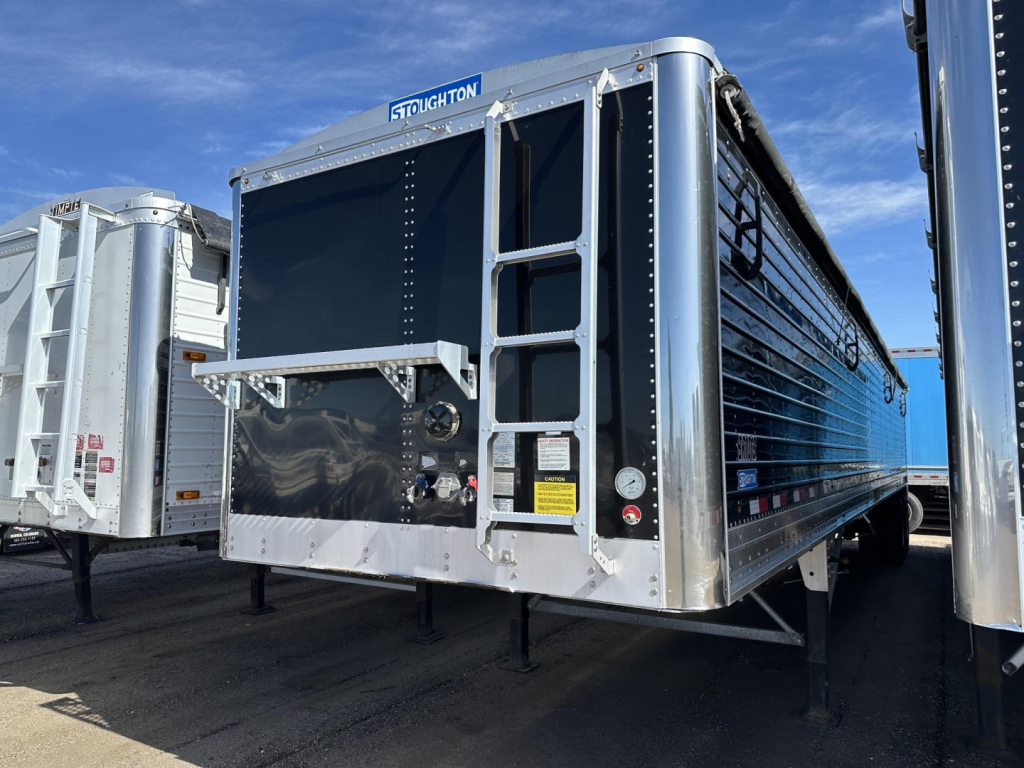
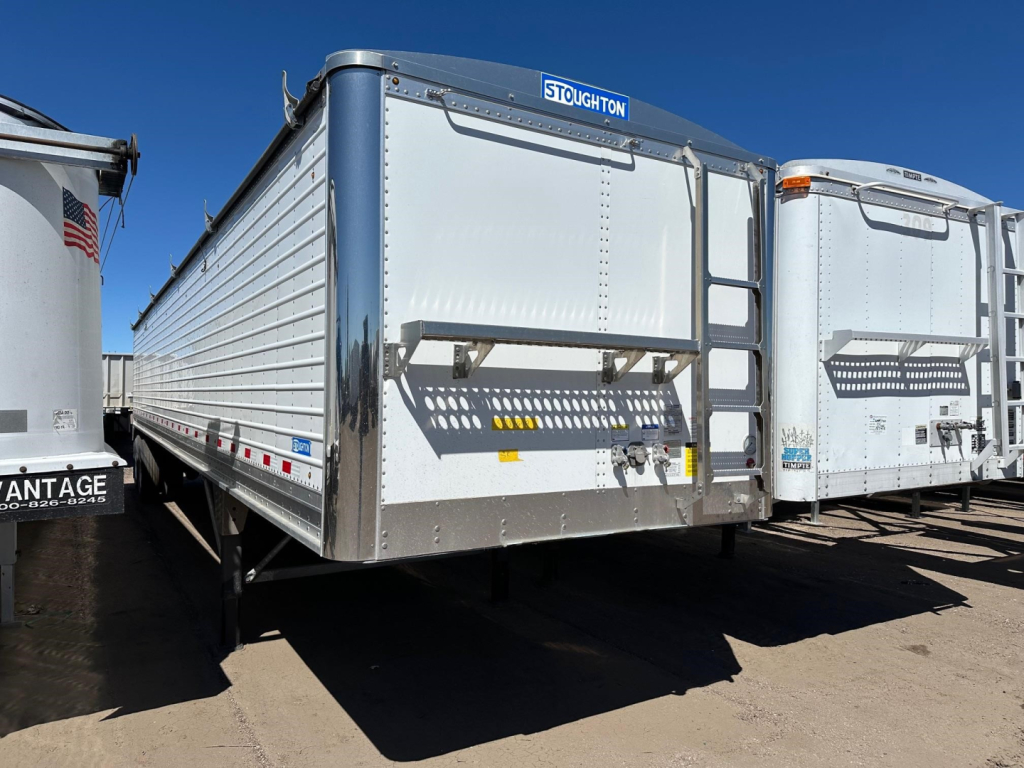
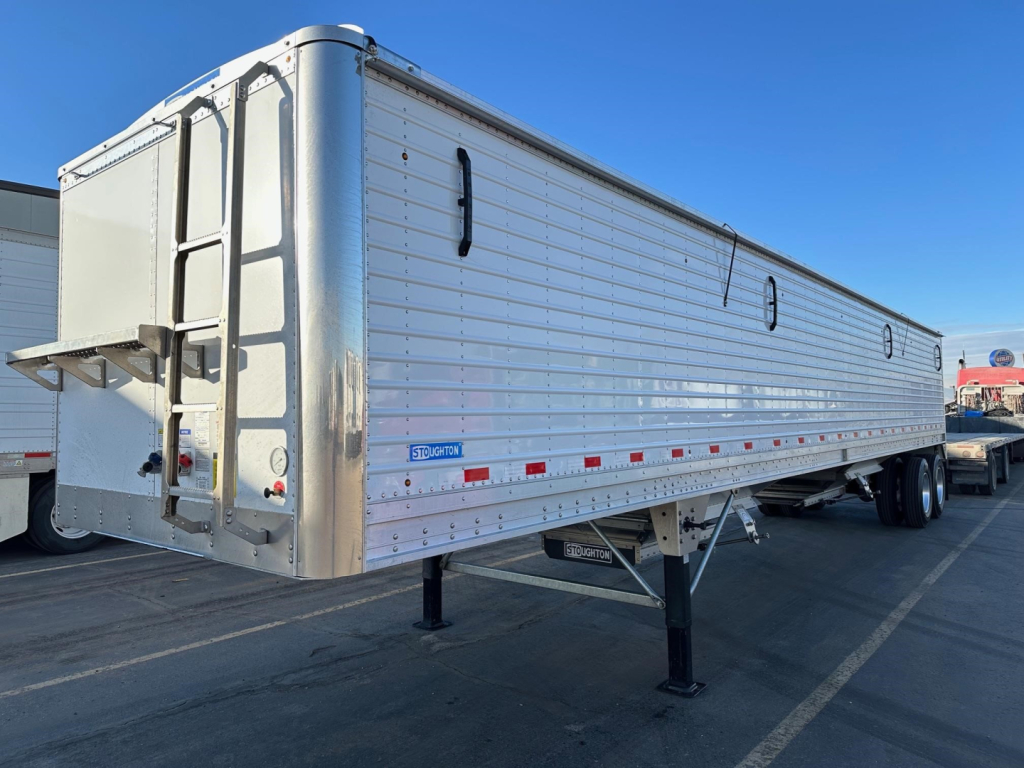
Stoughton also has a presence in hopper and grain trailer applications, and those units deserve a different buying lens. A grain hopper buyer should focus on trailer dimensions, side height, tarp condition, hopper gate operation, ladder and catwalk integrity, suspension type, and wheel-end service history. Specs such as 42-foot length, 96-inch width, corrugated side panels, manual roll tarp systems, and closed tandem layouts are common in agricultural service. In Colorado, used hopper trailers may see seasonal grain movement, feed hauling, and regional farm supply work, so trap seals, dump valve function, and structural condition around the subframe are worth a close inspection.
Across the used Stoughton trailer category, the smartest comparison is not just age or price but total remaining service life. Check for roof repairs, sidewall damage, floor patching, crossmember fatigue, kingpin plate wear, brake condition, and tire match across all positions. On van trailers, confirm the lining, scuff protection, and rear impact area are still fit for the freight you plan to haul. On hopper trailers, verify gate closure, tarp sealing, and any evidence of corrosion from fertilizer or commodity residue. A well-spec'd used Stoughton trailer can be a durable fleet asset when the structure, suspension, and cargo-handling components line up with the lane it is expected to run.
Frequently Asked Questions about Used Stoughton Trailers in Colorado
What are the most common used Stoughton trailers on the market?
The most common used Stoughton trailers are 53-foot dry van trailers with aluminum construction, air ride suspension, sliding tandems, and roll-up or swing rear doors. Stoughton is also known in agricultural hauling for hopper and grain trailer configurations. The exact mix varies by region, but dry vans are typically the most widely seen in general freight service.
What should I inspect first on a used Stoughton dry van trailer?
Start with the floor, roof, rear frame, suspension, brakes, and tandem slide. Floor wear and patching can tell you a lot about forklift traffic and loading history. Roof bows, side posts, and rear door hardware should be checked for damage or prior repairs. It is also important to inspect the kingpin area, crossmembers, lining, scuff plates, and any tire inflation system components for condition and serviceability.
Are Stoughton dry vans a good fit for Colorado freight?
Yes. Stoughton dry vans are well suited for Colorado freight lanes that include regional distribution, warehouse-to-dock freight, packaged goods, and general palletized cargo. Common specs such as air ride, sliding tandems, roll-up doors, and logistics posts make them practical for mixed operating conditions, including urban delivery, interstate runs, and mountain-state routing where axle placement and cargo stability matter.
What matters most when buying a used Stoughton hopper trailer?
The key items are structural condition, hopper gate operation, tarp system integrity, suspension type, and signs of commodity-related corrosion. Buyers should also confirm trailer dimensions, side height, wheel-end maintenance, and the condition of ladders, catwalks, and lighting. On grain hoppers, trap sealing and smooth gate function are critical because they directly affect unloading efficiency and product loss.
Do features like tire inflation systems and galvanized rear frames add value on a used trailer?
Yes, if they are in good working order. A tire inflation system can help reduce irregular tire wear and roadside downtime, especially in high-mile applications. A galvanized rear frame can improve corrosion resistance in a high-splash area that takes repeated exposure from weather, road treatment, and dock use. These features do not replace a good structural inspection, but they can improve operating efficiency and long-term durability.