
Used Stoughton Hopper Trailers For Sale in Colorado
Shop used Stoughton hopper trailers for grain and ag hauling in Colorado. Compare specs like 42' length, air ride, ag hoppers, and tarp setups.
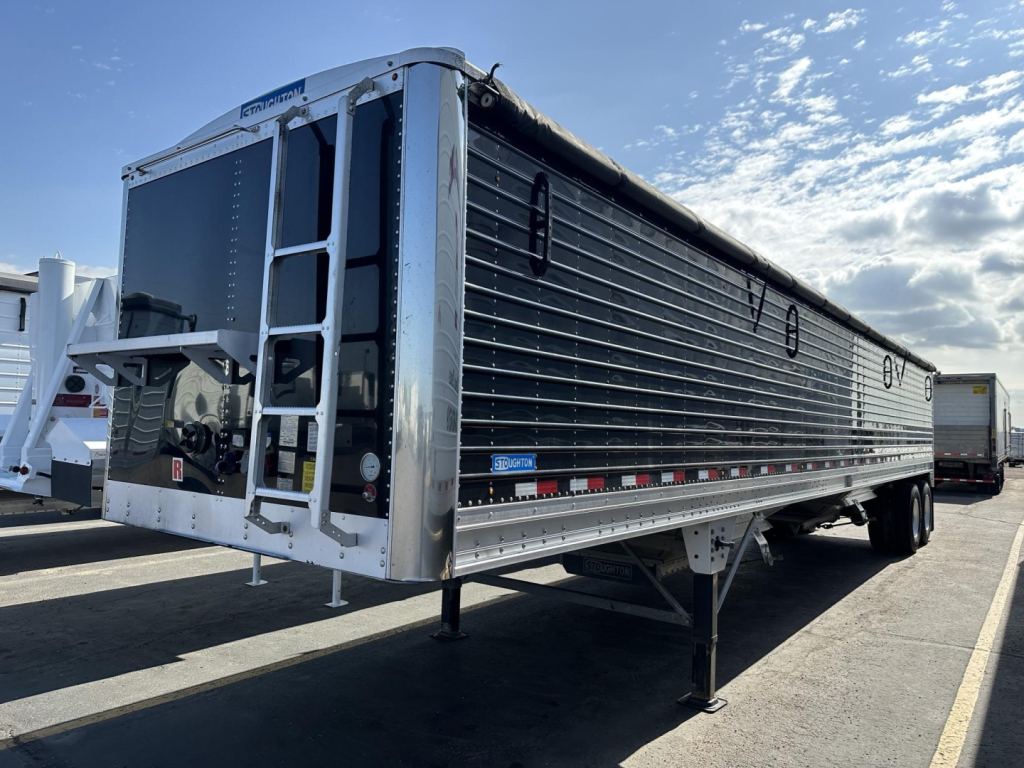
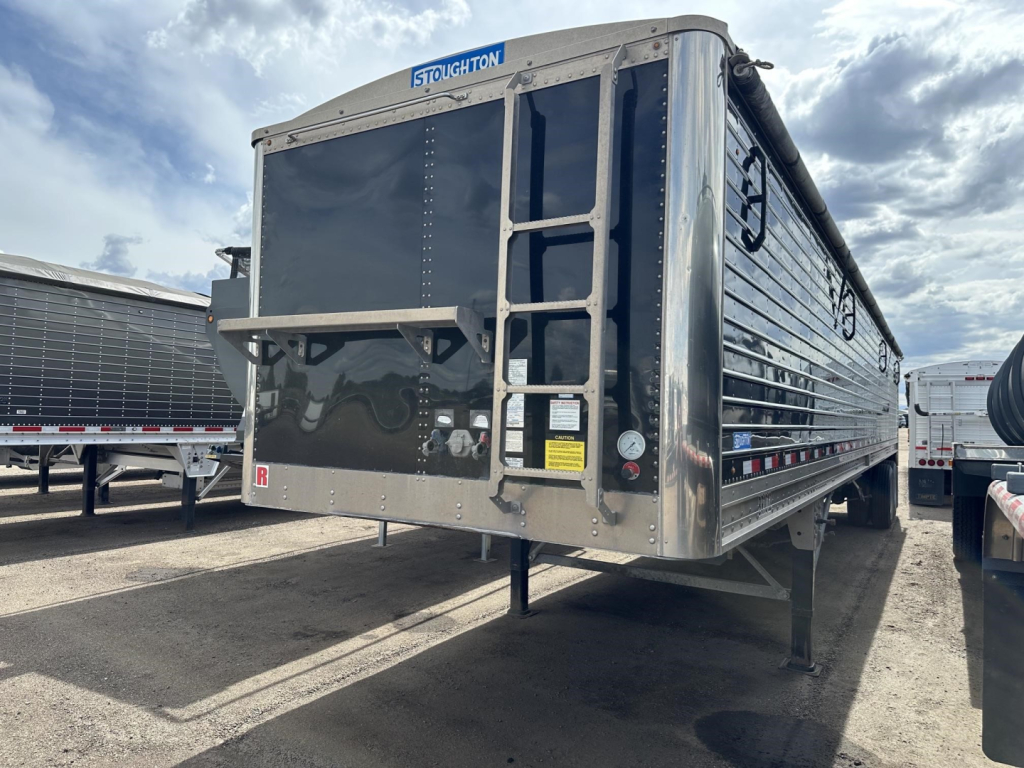
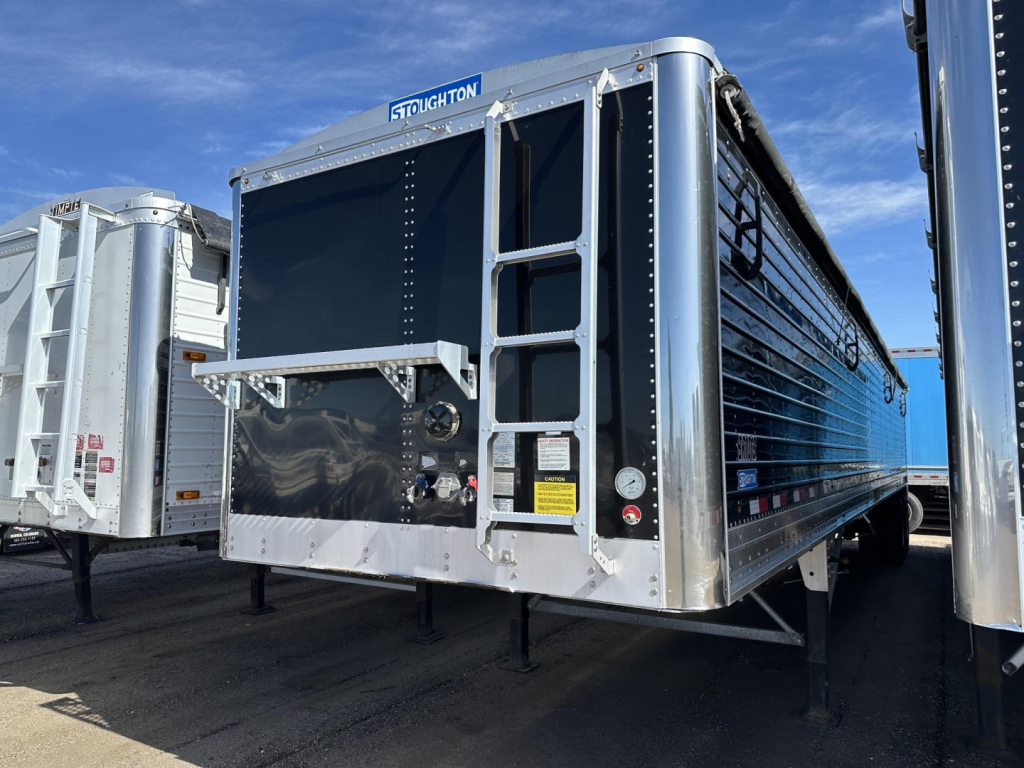
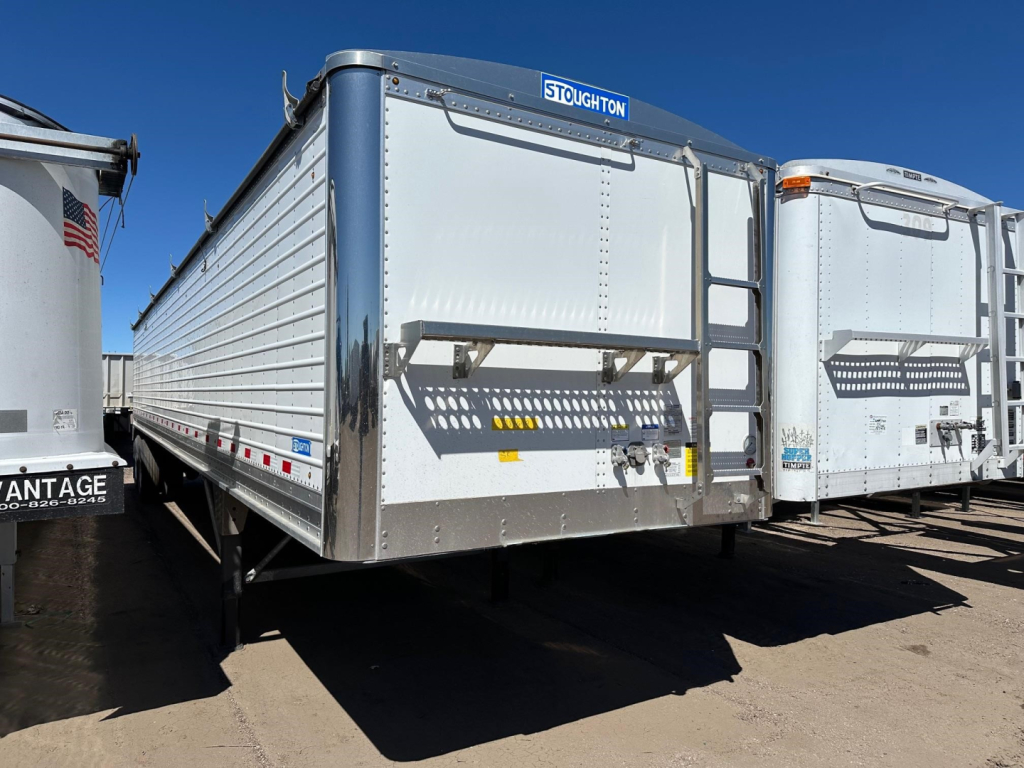
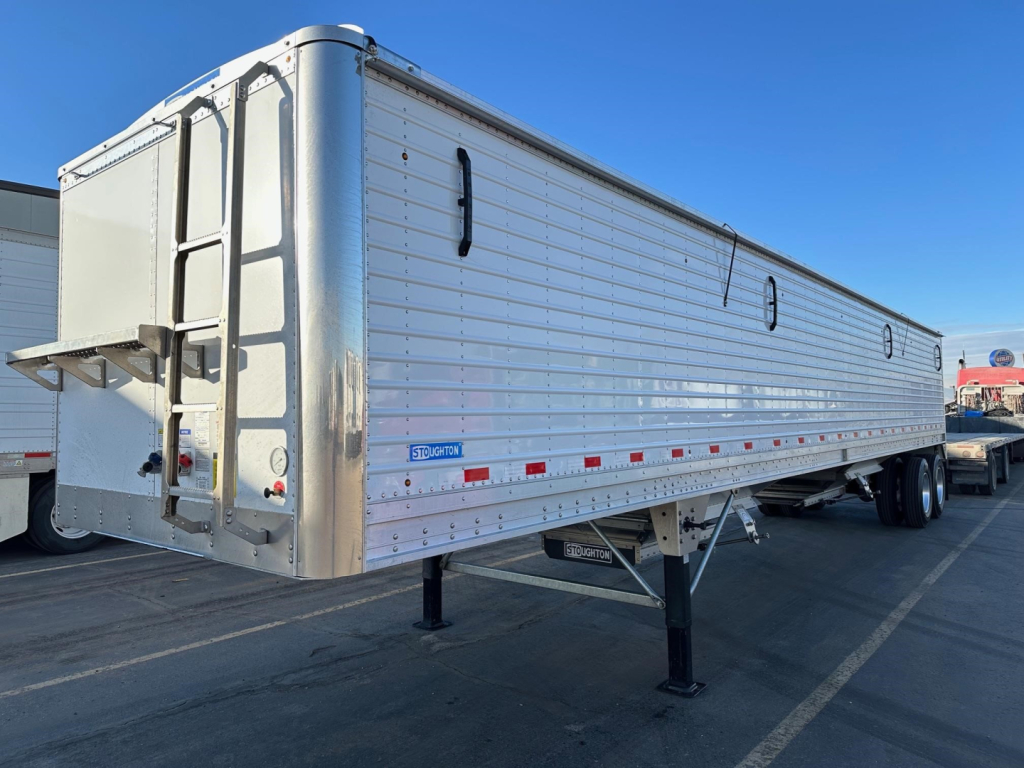
Selling a used stoughton hopper trailer? List your used stoughton hopper trailer for sale and reach thousands of commercial buyers.
Used Stoughton Hopper Trailers in Colorado
A common configuration in this category is a 42-foot by 96-inch hopper trailer with 74-inch sides, closed tandem suspension, and air ride. That setup is popular because it gives a useful combination of cubic capacity, stable road manners, and compatibility with typical grain hauling operations. Buyers should pay attention to sidewall construction, front corner material, rear panel construction, and wheel spec. Features such as corrugated panels, stainless steel front corners, stainless rear panels, outside aluminum wheels, and inside steel wheels can affect both durability and long-term maintenance cost. Tire size is often 11R22.5, which remains a standard and easy-to-source choice for many fleets.
The unloading system deserves close attention on any used hopper trailer. Ag hoppers, trap condition, gate operation, and dump valve function all directly affect turnaround time at the pit or elevator. A manual dump valve with load gauge is a useful spec for operators who want a simple, proven setup without adding complexity. Tarp condition is equally important. Manual roll-over tarps are still common on grain trailers and can be perfectly serviceable, but buyers should inspect bow alignment, tarp fabric wear, crank operation, and sealing at the edges. Ladder and catwalk placement also matter for safe access during loading and inspection, especially when the trailer is used across multiple commodity types.
For used Stoughton hopper trailers, overall value comes down to how the trailer was spec'd and how hard it was worked. Check for signs of commodity abrasion around the hopper slopes and traps, stress around suspension hangers, corrosion at fasteners and seams, and any repairs to the substructure. Lighting layout, work lights at the traps, and rear visibility are worth noting for early-morning and night loading. Buyers comparing hopper trailers for sale should look beyond model year and focus on capacity, weight, suspension type, gate condition, tarp system, and material construction. A well-kept Stoughton hopper trailer can be a productive grain-hauling asset with low empty weight and a spec that stays practical for both seasonal and year-round bulk work.
Frequently Asked Questions about Used Stoughton Hopper Trailers in Colorado
What are used Stoughton hopper trailers typically used for?
Used Stoughton hopper trailers are commonly used for hauling grain, corn, soybeans, feed, and other dry bulk agricultural commodities. Depending on the exact spec and prior use, they may also handle products such as pellets or certain fertilizer materials. Their bottom-discharge design allows fast unloading into pits, augers, or receiving systems without the need to tip the trailer.
What specs matter most when buying a used Stoughton grain hopper trailer?
The most important specs are trailer length, width, side height, suspension type, hopper and trap design, tarp system, wheel setup, and overall empty weight. Many buyers also look closely at material choices such as aluminum construction, stainless front corners, and stainless rear panels because those details affect corrosion resistance and service life. For day-to-day use, gate operation, tarp condition, and suspension condition often matter as much as the base dimensions.
Is air ride a good choice on a used hopper trailer?
Air ride is a popular choice on used hopper trailers because it generally improves ride quality and helps reduce vibration transferred to the trailer and cargo. That can be beneficial for long highway runs and for maintaining trailer condition over time. Buyers should still inspect air bags, shocks, height control components, and suspension alignment, since air ride performance depends heavily on maintenance history.
How do I inspect the traps and hoppers on a used hopper trailer?
Inspect the hopper bottoms for dents, abrasion, patching, and any cracking near seams or discharge openings. Open and close each trap to check for smooth travel, proper sealing, and excessive wear in the slides or mechanisms. Look for product buildup, evidence of leakage, and signs that the gates have been forced or repaired, because those issues can lead to unloading problems and lost time at delivery points.
Are 42-foot hopper trailers a common size for grain hauling?
Yes, 42-foot hopper trailers are a very common size in grain hauling because they offer a strong balance of capacity, maneuverability, and axle placement. In many operations, that size works well for farm access, elevator unloading, and regional highway use. Actual payload and legal operating weight still depend on the trailer's tare weight, axle configuration, tractor setup, and the regulations that apply in the states where the trailer runs.