
Used 2025 Stoughton Hopper Trailers For Sale in Colorado
Shop used 2025 Stoughton hopper trailers in Colorado. Compare 42-foot grain hoppers with air ride, 74-inch sides, tarp systems, and ag specs.
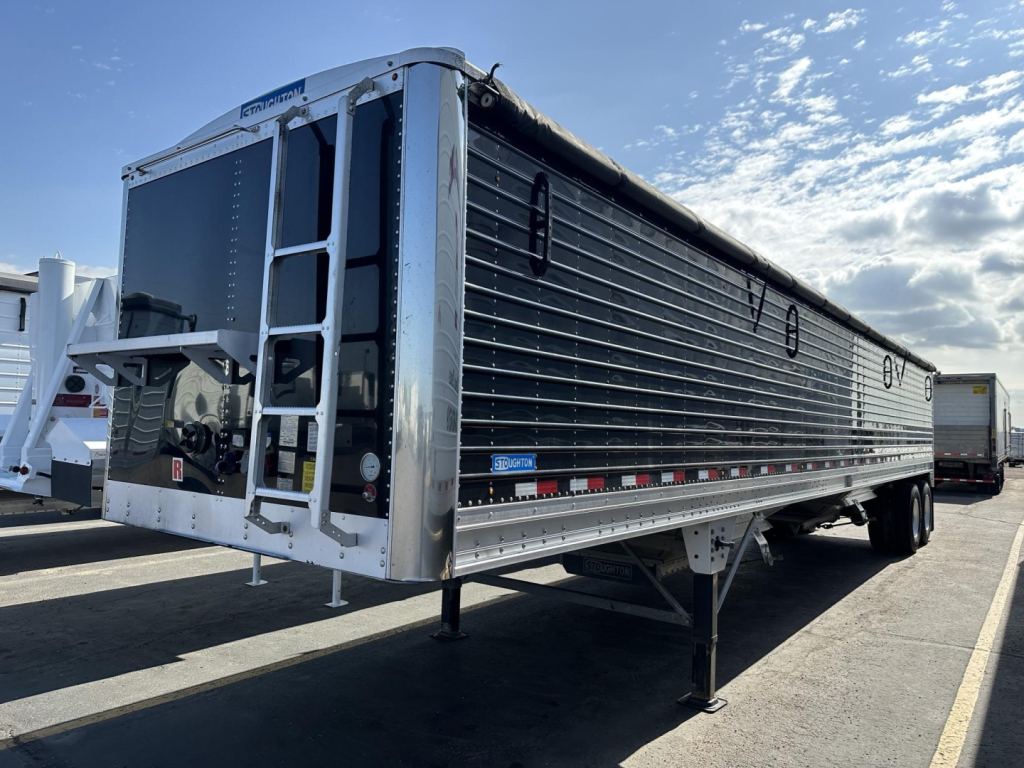
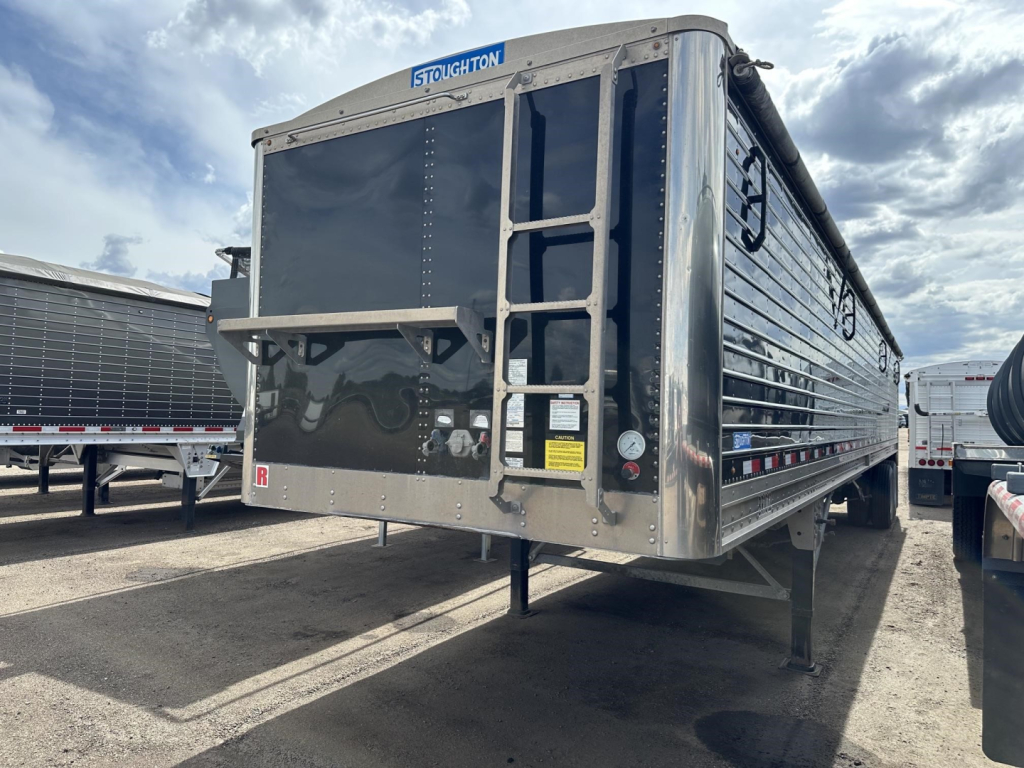
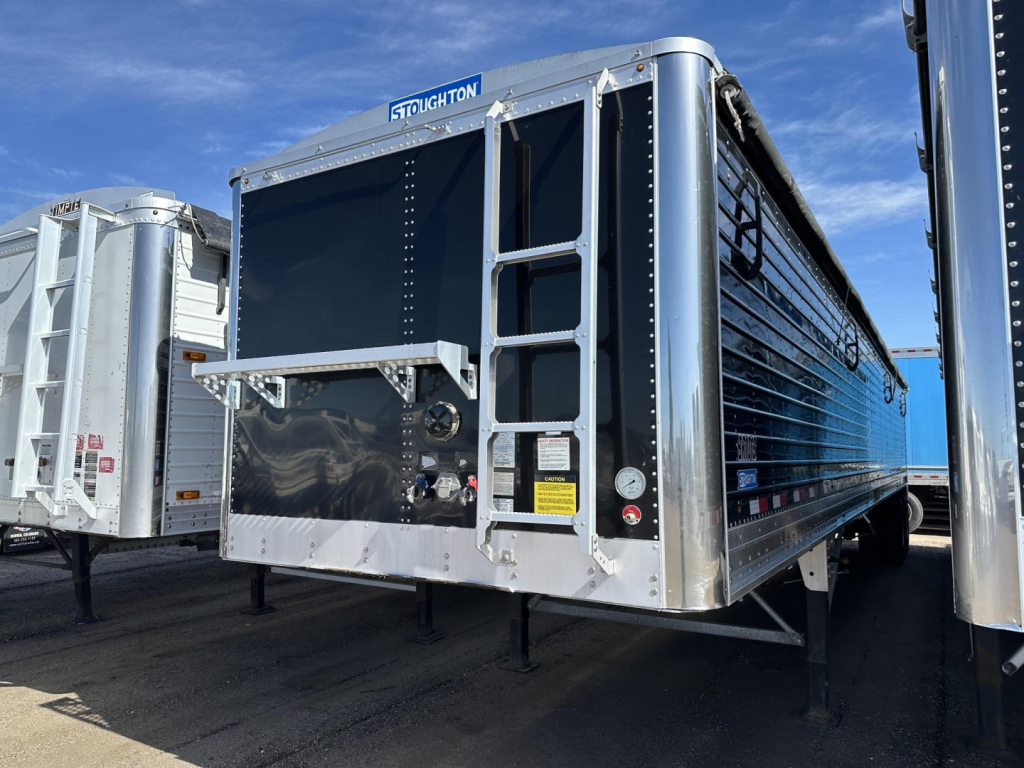
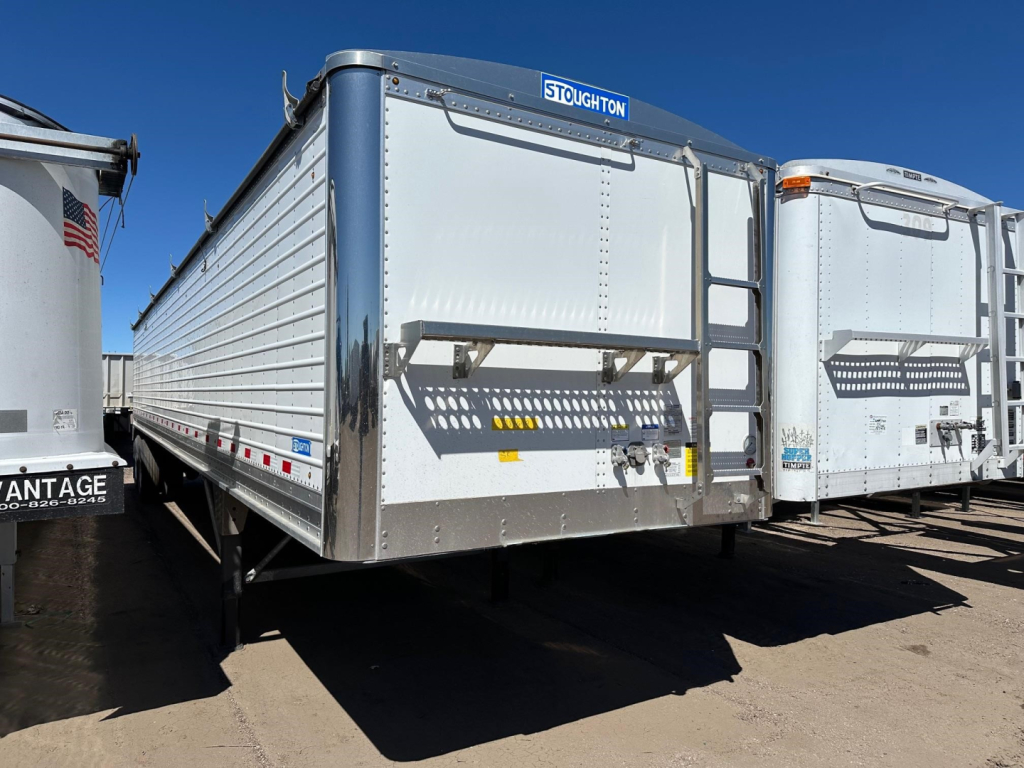
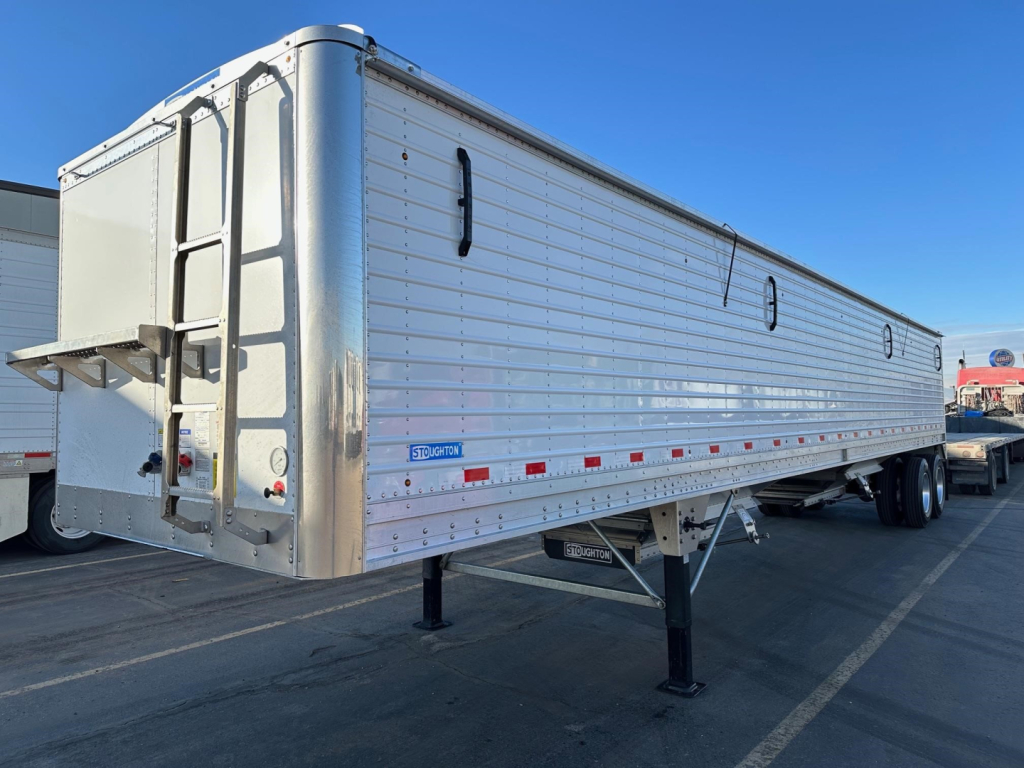
Selling a used 2025 stoughton hopper trailer? List your used 2025 stoughton hopper trailer for sale and reach thousands of commercial buyers.
Used 2025 Stoughton Hopper Trailers in Colorado
Stoughton hopper trailers in this class are often equipped with air ride suspension, closed tandem axle layouts, 11R22.5 rubber, and a mix of aluminum and steel wheel positions. Air ride is a practical choice for operators hauling grain over mixed road conditions because it helps protect the trailer structure and can improve ride quality when running loaded or empty. Corrugated side panels add strength without excessive weight, while stainless front corners and rear panels can help with durability in high-wear areas exposed to commodity abrasion, road spray, and seasonal washdowns. Buyers should also look closely at hopper gate condition, trap operation, dump valve function, load gauge equipment, ladder and catwalk design, and lighting layout since these details affect day-to-day unloading speed and safety.
For Colorado buyers, hopper trailer selection often comes down to how the trailer will run between farms, elevators, feedlots, and longer regional lanes. Side height, hopper slope, trap design, and tarp style all influence loading efficiency and weather protection. Manual roll-over tarps remain common because they are simple and proven, but condition of bows, tarp fabric, crank assemblies, and seals is worth checking on any used unit. If the trailer will handle multiple commodity types, inspect for interior cleanliness, signs of patching, and any residual contamination issues. Grain operators also pay attention to suspension wear, kingpin area condition, crossmember integrity, brake life, tire matching, and evidence of hard use around the hopper discharge points.
A late-model used 2025 Stoughton hopper trailer can appeal to buyers who want current-spec equipment without stepping into a brand-new purchase. The value in this category is usually found in a clean frame and substructure, straight panels, tight doors, consistent tarp operation, and serviceable running gear. For agricultural fleets and owner-operators, the right hopper trailer is the one that fits local commodity density, route restrictions, and unloading requirements while keeping maintenance simple during harvest and peak demand periods.
Frequently Asked Questions about Used 2025 Stoughton Hopper Trailers in Colorado
What are used 2025 Stoughton hopper trailers typically used for?
Used 2025 Stoughton hopper trailers are typically used for hauling grain, corn, soybeans, wheat, feed, and other free-flowing bulk agricultural commodities. Depending on liner condition and prior use, some operators also use hopper-bottom trailers for products like meal, pellets, or certain fertilizer applications. The key requirement is a commodity that can discharge cleanly through the hopper gates without specialized pneumatic equipment.
What specs matter most when comparing a Stoughton grain hopper trailer?
The most important specs are trailer length, width, side height, suspension type, axle layout, tare weight, hopper gate design, and tarp system. In this category, a 42-foot by 96-inch trailer with 74-inch sides is a common ag setup because it offers good cubic capacity for grain hauling. Buyers should also verify wheel and tire configuration, brake condition, ladder and catwalk access, and whether the trailer has stainless wear components in high-contact areas.
Is air ride a good choice on a hopper trailer?
Air ride is a strong choice for many hopper trailer applications because it helps reduce shock loads to the trailer and cargo while improving ride quality over rough rural roads and highways. That can be beneficial for structural longevity and driver control. Buyers should still inspect the air bags, shocks, height control components, suspension bushings, and axle alignment, because suspension condition matters as much as suspension type on a used trailer.
What should I inspect first on a used hopper-bottom trailer?
Start with the hopper traps and discharge doors, then move to the subframe, crossmembers, kingpin area, suspension, brakes, and tires. After that, inspect the side sheets, seams, ladder mounts, catwalk, tarp hardware, and all lights and wiring. On grain hoppers, signs of repeated stress often show up around discharge openings, rear frame sections, and areas exposed to wash chemicals, abrasion, or seasonal corrosion.
Are 74-inch sides a good fit for grain hauling in Colorado?
Seventy-four-inch sides are a common and practical grain trailer configuration because they provide useful volume for many agricultural commodities while remaining compatible with typical farm and elevator operations. The right side height still depends on commodity density, legal weight targets, and route requirements. Heavier commodities may gross out before the trailer cubes out, while lighter commodities can benefit from the added side height and volume.