
Used Stoughton Hopper Trailers For Sale
Shop used Stoughton hopper trailers built for grain and bulk ag hauling, with lightweight construction, air ride suspension, and dependable unload setups.
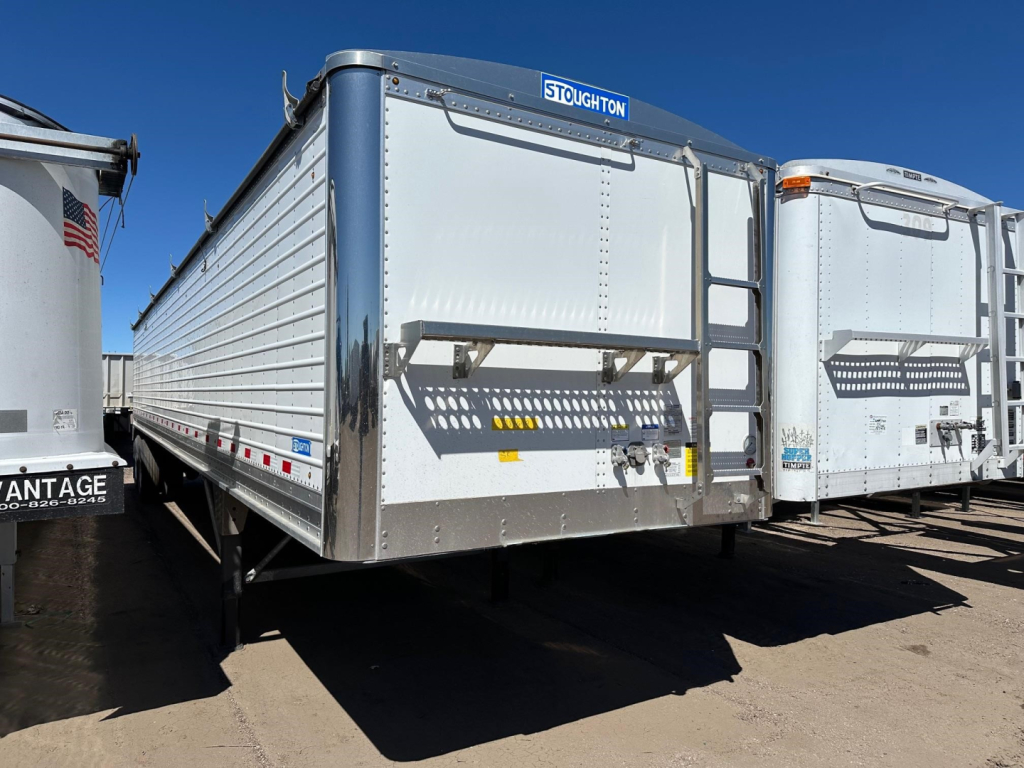
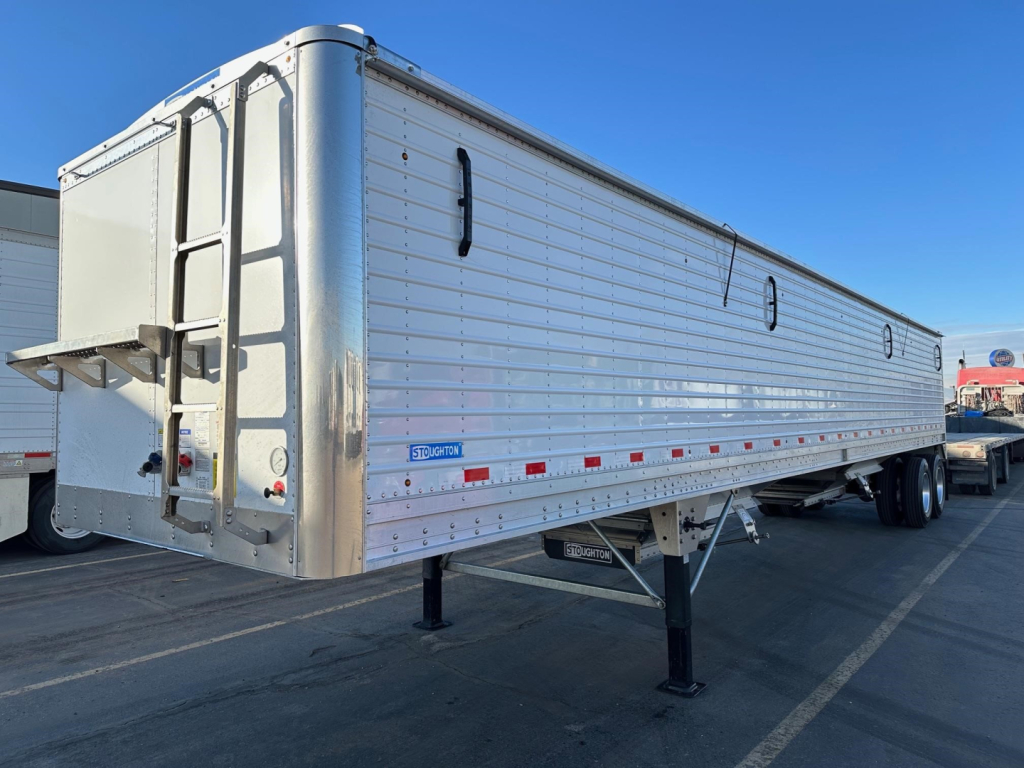
Selling a used stoughton hopper trailer? List your used stoughton hopper trailer for sale and reach thousands of commercial buyers.
Used Stoughton Hopper Trailers
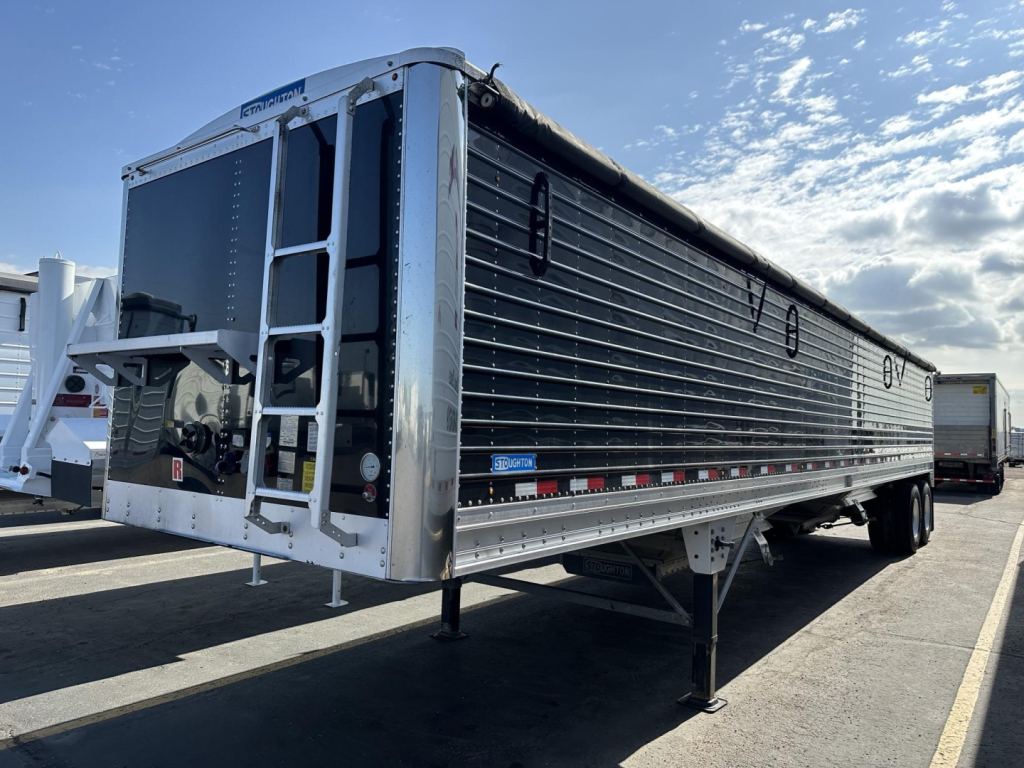
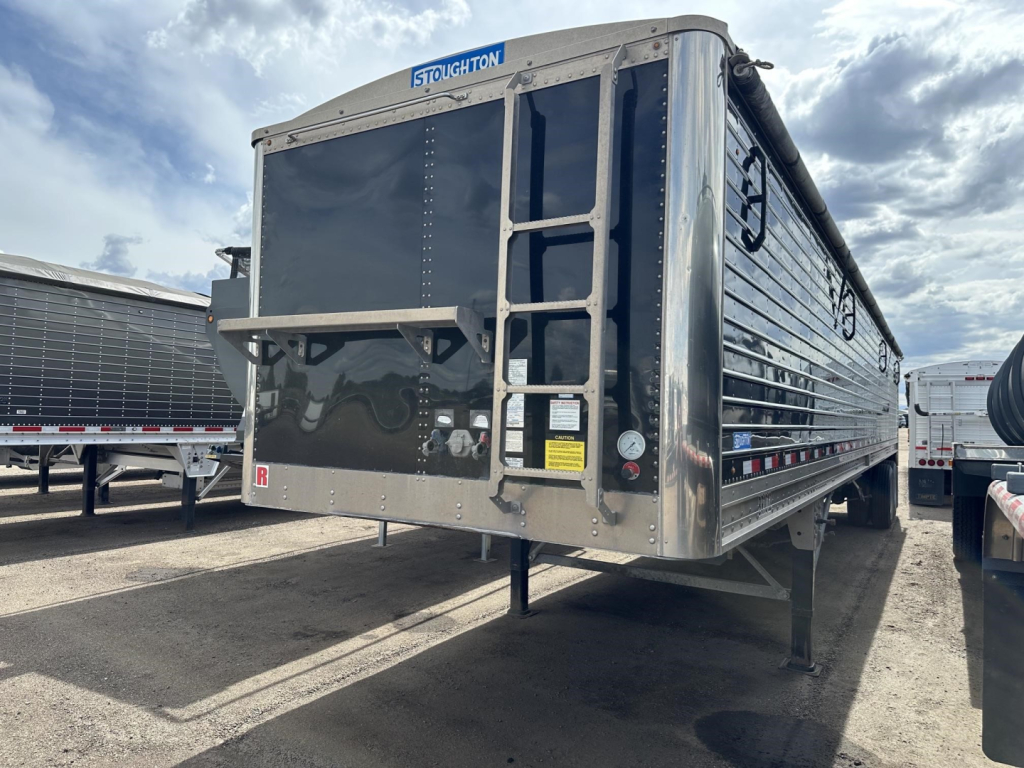
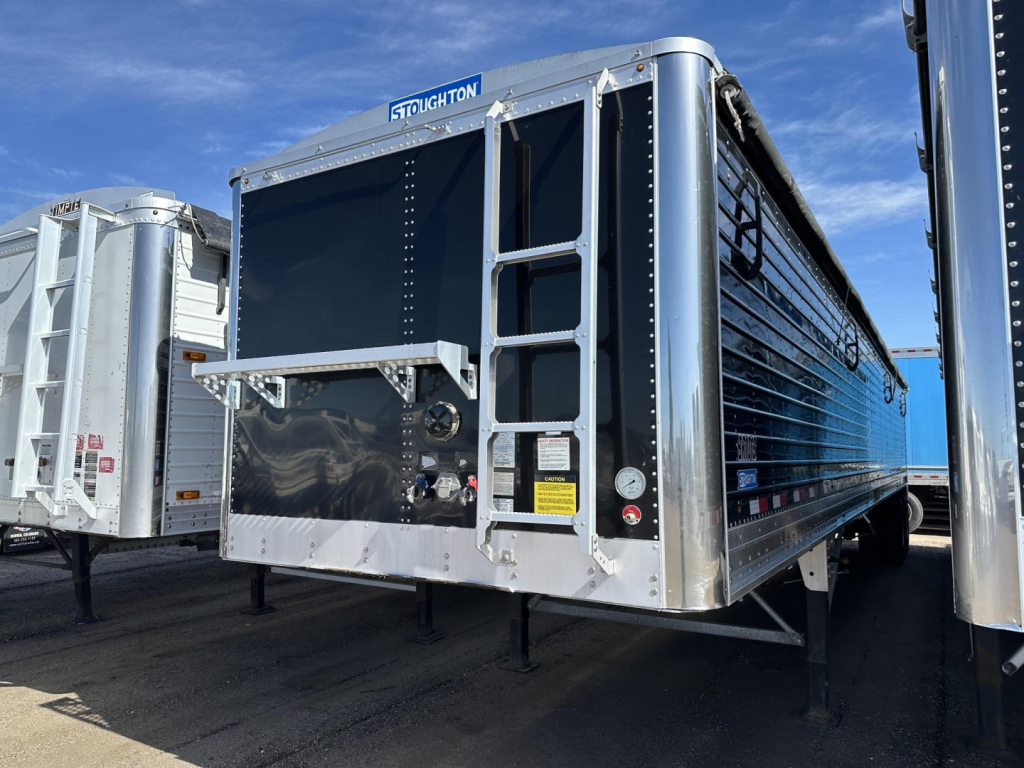
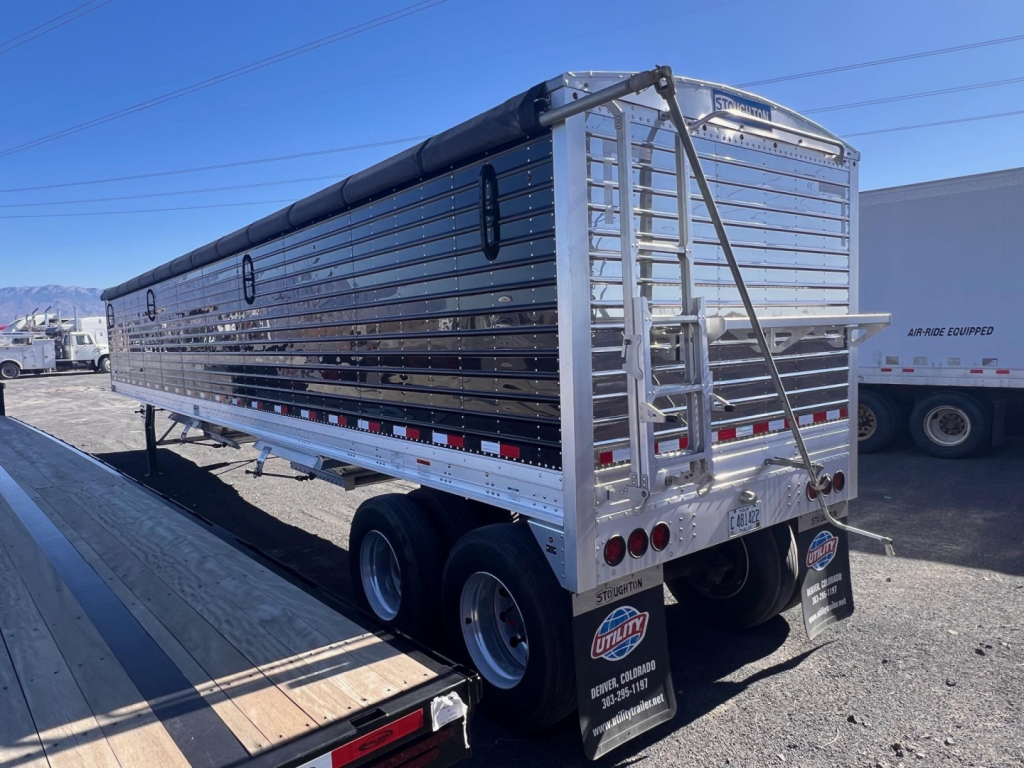
A lot of the decision comes down to body configuration and discharge setup. Many Stoughton hopper trailers are built with corrugated side panels for strength, stainless front corners or rear panels in higher-wear areas, and trap systems designed for reliable unloading into pits, augers, or conveyors. Buyers should pay close attention to trap door operation, hopper slope, gate sealing, and the condition of the substructure around the discharge area. Tarp style matters too. Manual roll-over tarps are common and simple to maintain, but buyers running frequent weather exposure or high-cycle routes may compare them against electric tarp conversions. Ladders, catwalks, work lights, and load gauges also add day-to-day value, especially during harvest and after-dark unloading.
Suspension, wheels, and tire spec affect both ride quality and operating cost. Closed tandem axle setups with air ride suspension are common on Stoughton grain hoppers because they handle bulk commodity loads well and help reduce shock to the trailer over rough farm approaches and secondary roads. Many used units in this class will have a mix of aluminum outer wheels and steel inner wheels, often on 11R22.5 rubber. That is a familiar, serviceable setup for agricultural fleets and owner-operators. It is also worth checking kingpin area condition, crossmember integrity, suspension bushing wear, brake life, and signs of corrosion around seams, traps, and rear frame sections.
For a buyer comparing used hopper trailers, the best value is usually found in a trailer with the right capacity and unload configuration for the commodity, not just the newest model year. Grain service demands clean seals, straight panels, solid tarp hardware, and smooth trap operation more than cosmetic appearance. If the trailer will see multi-commodity use, look closely at cleanout access and contamination risk between loads. Stoughton hopper trailers tend to appeal to operators who want a straightforward bulk hauler with mainstream serviceability, good resale recognition, and specs that fit real agricultural hauling instead of niche applications.
Frequently Asked Questions about Used Stoughton Hopper Trailers
What are used Stoughton hopper trailers typically used for?
Used Stoughton hopper trailers are typically used for hauling grain, feed, fertilizer, and other dry bulk agricultural commodities. They are designed for gravity discharge through bottom traps, which makes them well suited for farm pickups, elevator deliveries, and regional commodity hauling. Most buyers choose them for high-volume seasonal work where light weight, fast unload times, and easy commodity changeover are important.
What should I inspect first on a used Stoughton grain hopper trailer?
Start with the trap doors, hopper cones, and surrounding structure because that is where wear, leaks, and unloading issues often show up first. Then inspect the tarp system, catwalk, ladders, suspension, brakes, tires, kingpin area, and rear frame. Look closely for cracked welds, corrosion around stainless-to-aluminum transition points, bent crossmembers, and signs that the trailer has been overloaded or operated extensively on rough approaches.
Are Stoughton hopper trailers usually aluminum or steel?
Most Stoughton hopper trailers in grain service are aluminum construction or aluminum-intensive designs because lower tare weight helps maximize payload. Some units also use stainless steel in wear-prone areas such as front corners or rear panels. That combination gives buyers a balance of payload efficiency, corrosion resistance, and durability in the parts of the trailer that take the most abuse during loading and unloading.
What size and axle setup is common on a used Stoughton hopper trailer?
A common setup is a 42-foot by 96-inch hopper trailer with tandem axles and air ride suspension. That configuration is popular because it balances capacity, legal maneuverability, and service familiarity for agricultural hauling. Side height, hopper design, and suspension spec can vary, but this general layout is widely used for grain operations across many regions.
Is a manual roll-over tarp a drawback on a used hopper trailer?
Not necessarily. A manual roll-over tarp is still a practical and dependable option for many grain haulers because it is simple, lighter than some powered systems, and less expensive to repair. The main consideration is how often the trailer is loaded and covered in a day. High-cycle operations may prefer an electric tarp for speed and driver convenience, but a well-maintained manual tarp remains a solid choice for many used hopper trailer buyers.