
Used 2025 Stoughton Hopper Trailers For Sale
Used 2025 Stoughton hopper trailers for sale, including grain-spec models with air ride, ag hoppers, tarp systems, and 42-foot setups.
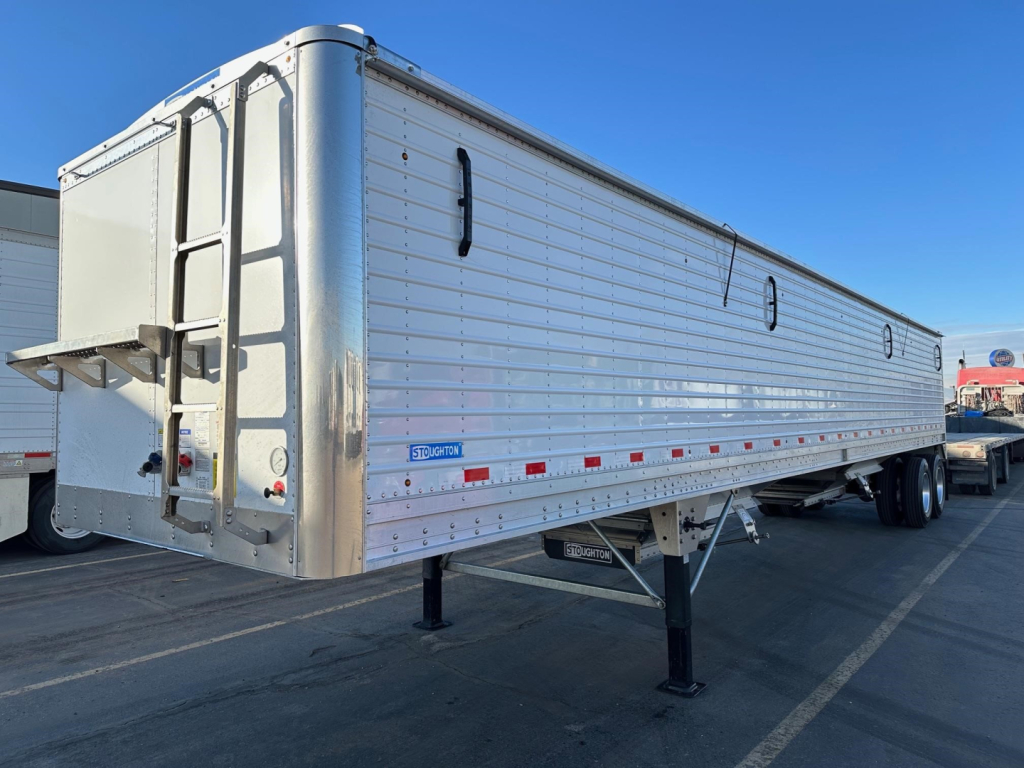
Selling a used 2025 stoughton hopper trailer? List your used 2025 stoughton hopper trailer for sale and reach thousands of commercial buyers.
Used 2025 Stoughton Hopper Trailers
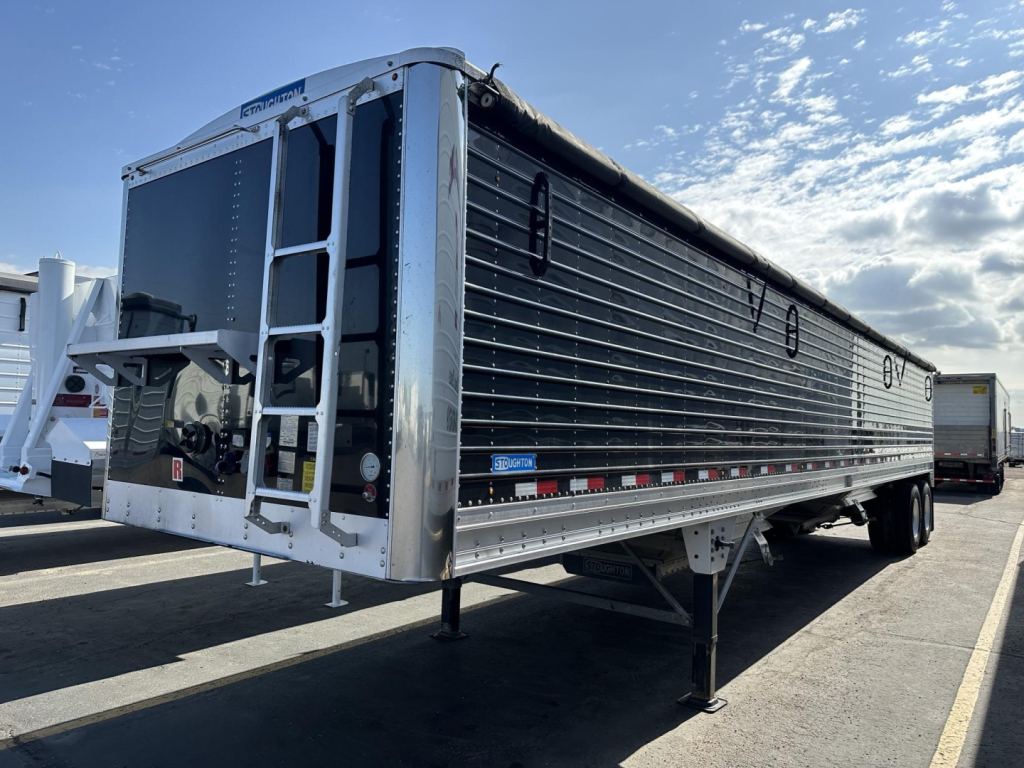
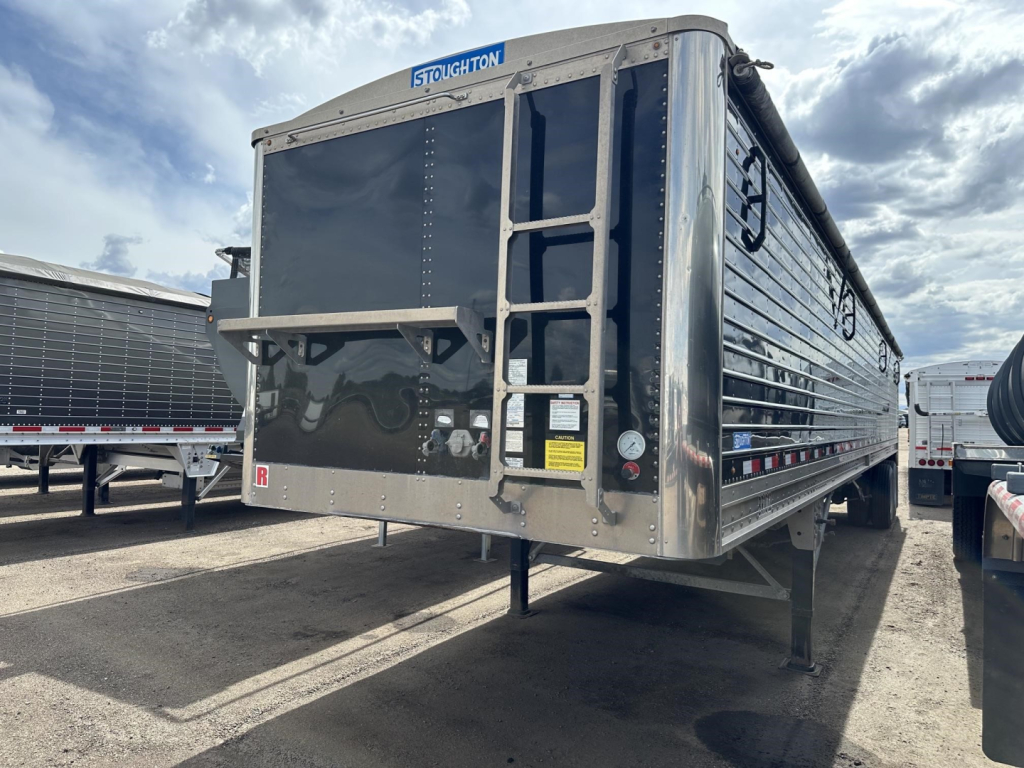
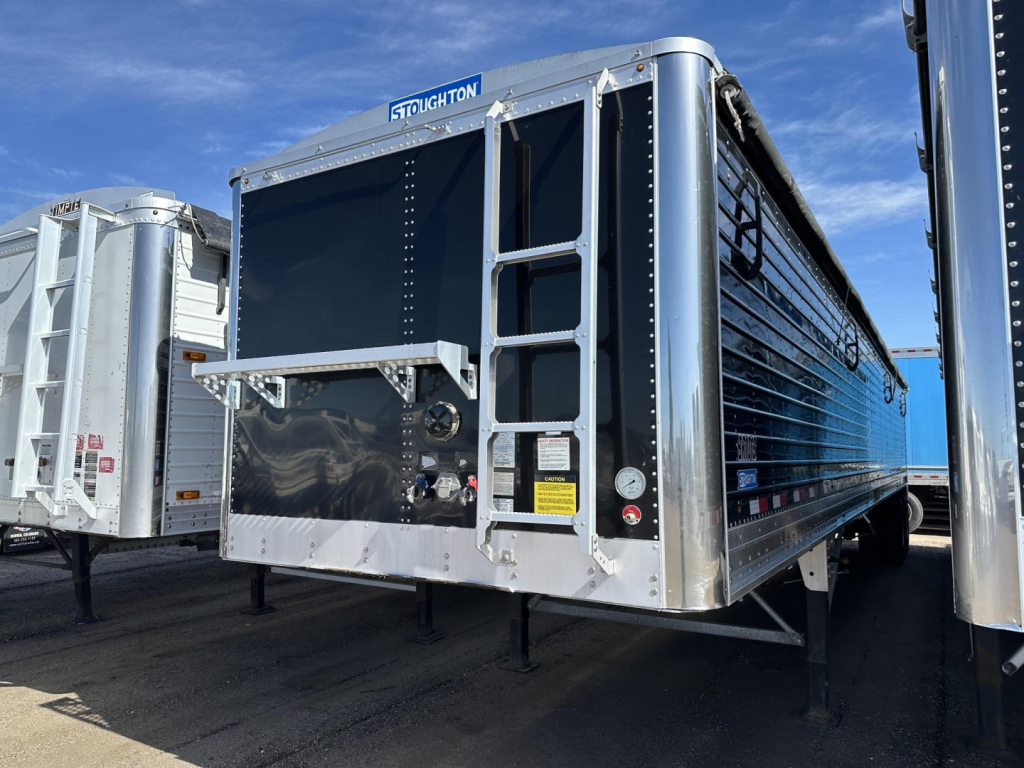
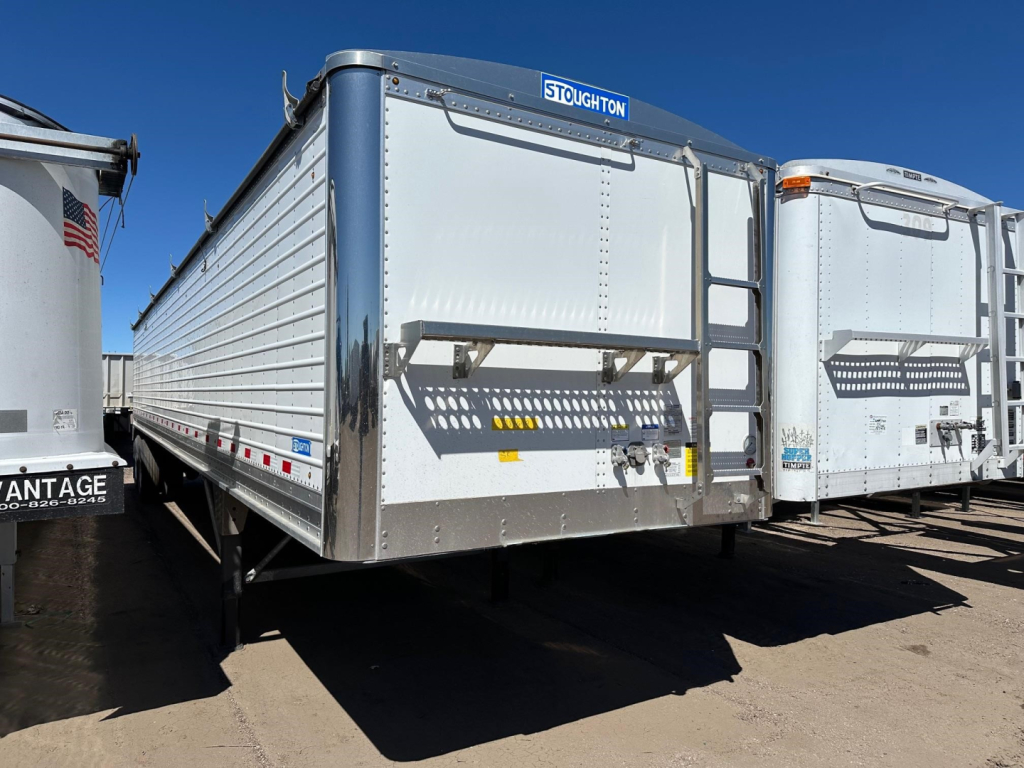
Stoughton grain hopper trailers in this range are often spec'd with air ride suspension, closed tandem axle layouts, and ag hoppers designed for dependable gravity discharge at pits, augers, and elevator locations. Details like manual dump valves with load gauges, trap work lights, and front and rear ladder packages with catwalks matter in day-to-day operation because they affect unloading control, driver safety, and loading access. Many buyers also look closely at wheel spec, tire size, and axle spacing since outside aluminum wheels, inside steel wheels, and 11R22.5 rubber are common combinations that influence tare weight, maintenance cost, and serviceability.
Construction features are a big part of value in a late-model hopper trailer. Corrugated side panels add strength without excessive weight, while stainless steel front corners and rear panels help resist corrosion in high-wear areas exposed to road spray, fertilizer residue, and repeated loading cycles. A manual roll-over tarp is still a practical choice for many fleets and owner-operators because it is simple, field-serviceable, and effective for commodity protection. Lighting packages, including LED rear lighting, are worth checking closely on used units because visibility and electrical reliability directly affect uptime during harvest and regional night hauling.
For a used 2025 Stoughton hopper trailer, the real buying decision usually comes down to commodity type, unload frequency, and how the trailer matches your existing tractor and route profile. Buyers hauling grain on short seasonal turns may prioritize capacity and trap access, while regional operators may care more about ride quality, corrosion resistance, and long-term structural condition. It is smart to inspect hopper doors, trap seals, subframe condition, crossmember integrity, tarp operation, suspension wear, wheel-end service history, and any signs of stress around ladder mounts and discharge openings. A clean late-model Stoughton hopper with the right ag spec can be a strong fit for farm-to-elevator, elevator-to-processor, and general dry bulk work.
Frequently Asked Questions about Used 2025 Stoughton Hopper Trailers
What are used 2025 Stoughton hopper trailers typically used for?
Used 2025 Stoughton hopper trailers are typically used for hauling grain, corn, soybeans, feed, and other dry bulk agricultural commodities that unload by gravity. They are common in farm, elevator, and processor operations because hopper bottoms allow quick discharge with less manual labor than many straight-wall bulk bodies. Depending on the exact liner, trap, and sealing setup, some operators also use them for light fertilizer or similar free-flowing materials.
What specs matter most when buying a used Stoughton grain hopper trailer?
The most important specs are trailer length, width, side height, suspension type, axle layout, hopper configuration, and tare-sensitive components such as wheel package and tire size. Buyers should also pay attention to construction details like corrugated panels, stainless front corners, rear panel material, tarp style, and trap door design. Those features affect capacity, empty weight, corrosion resistance, unload speed, and long-term maintenance cost.
Is air ride a good choice on a hopper trailer?
Air ride is a strong choice for many hopper trailer applications because it improves ride quality and can reduce shock transfer to the trailer structure and commodity load. That can matter on rough rural roads, during seasonal harvest work, and on longer regional runs. Air ride also tends to be preferred by many fleets for driver comfort and equipment protection, but buyers should still inspect bags, valves, bushings, and ride height components on any used trailer.
What should I inspect on a used 2025 hopper trailer before buying?
Focus on the hopper doors, trap mechanisms, seals, suspension components, brakes, wheel ends, tires, tarp system, and lighting. Check the subframe, crossmembers, kingpin area, rear frame, ladder mounts, and discharge openings for cracks, repairs, or corrosion. On a grain-spec trailer, it is also important to confirm that the traps open and close smoothly, the tarp tracks correctly, and the body shows no signs of twisting or impact damage that could affect unloading performance.
Why do stainless front corners and corrugated panels matter on a grain hopper trailer?
Stainless front corners help protect one of the highest-exposure areas of the trailer from corrosion caused by road spray, weather, and commodity residue. Corrugated panels add rigidity to the sidewalls without the weight penalty of heavier flat-sheet construction. Together, those features can improve structural durability and appearance retention, which matters for both service life and resale value in the hopper trailer market.