
Used 2012 Trailers For Sale in Colorado
Browse used 2012 trailers for sale in Colorado, including van, reefer, dump, lowboy, drop deck, and specialty trailer options.
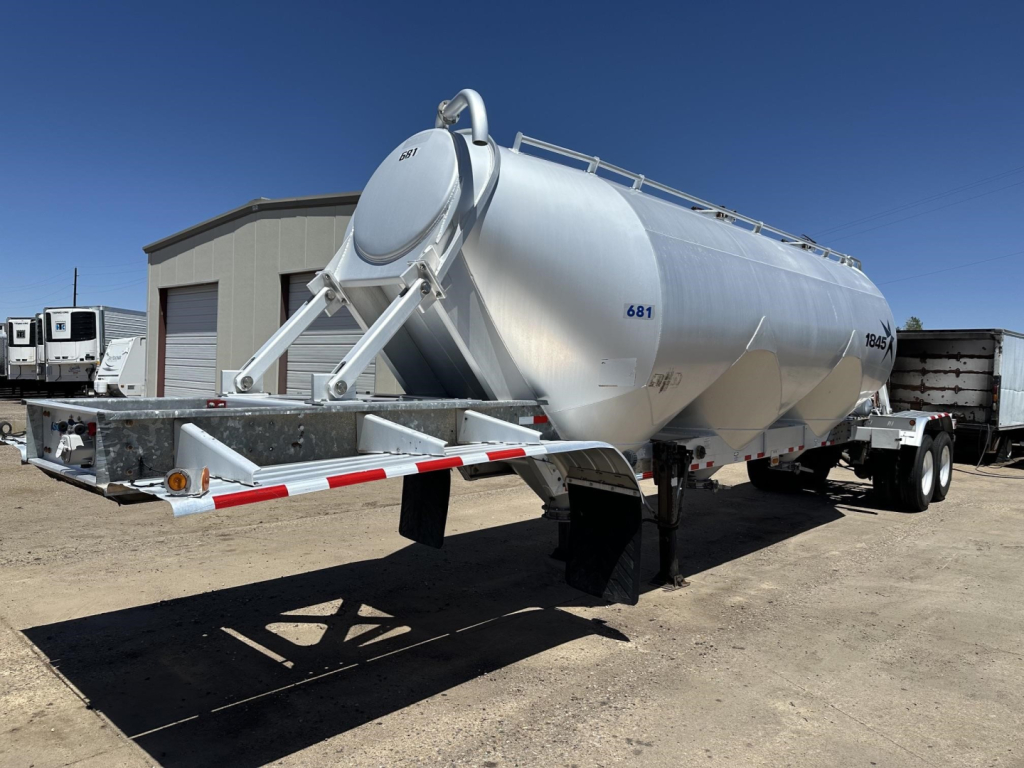
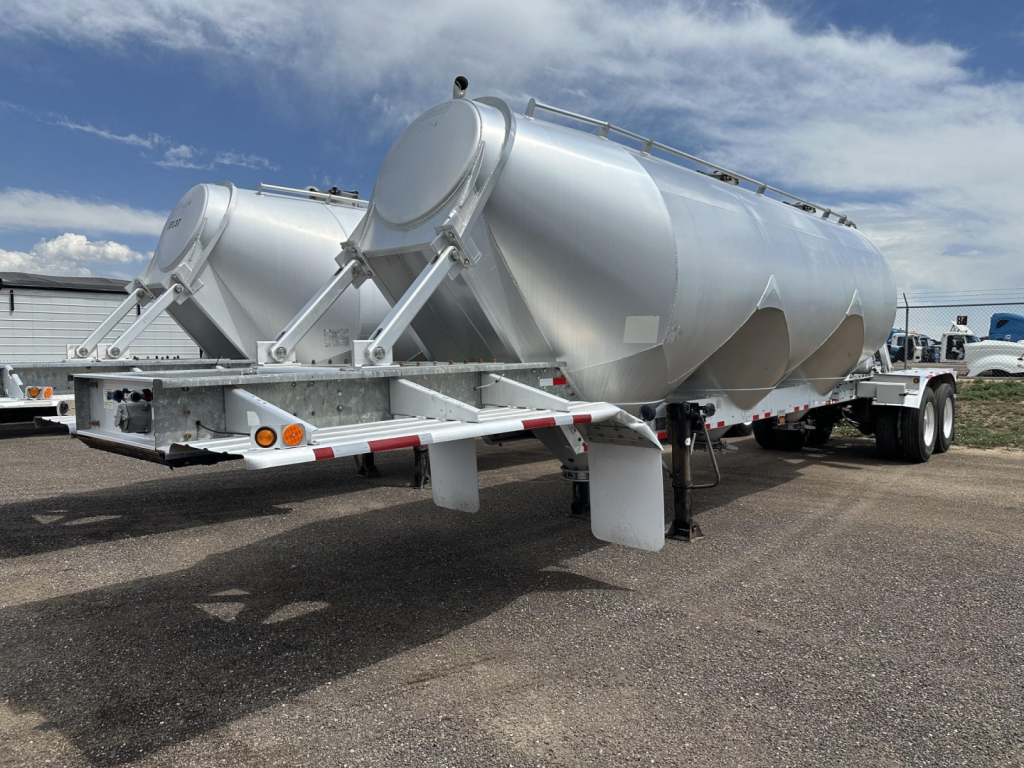
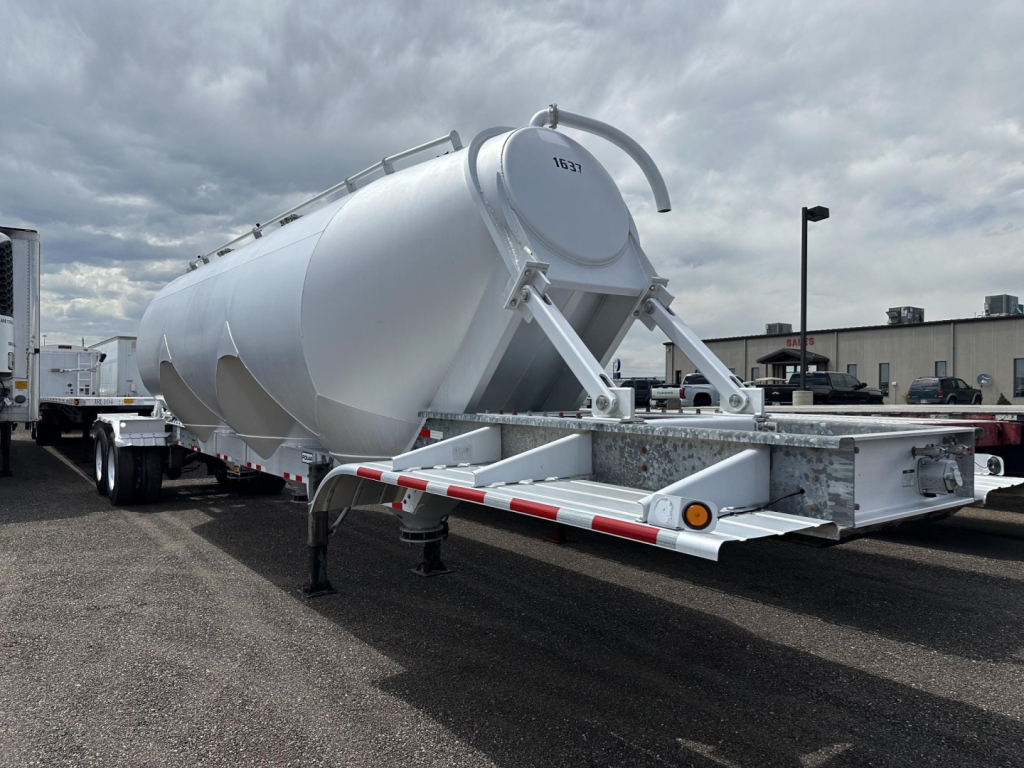
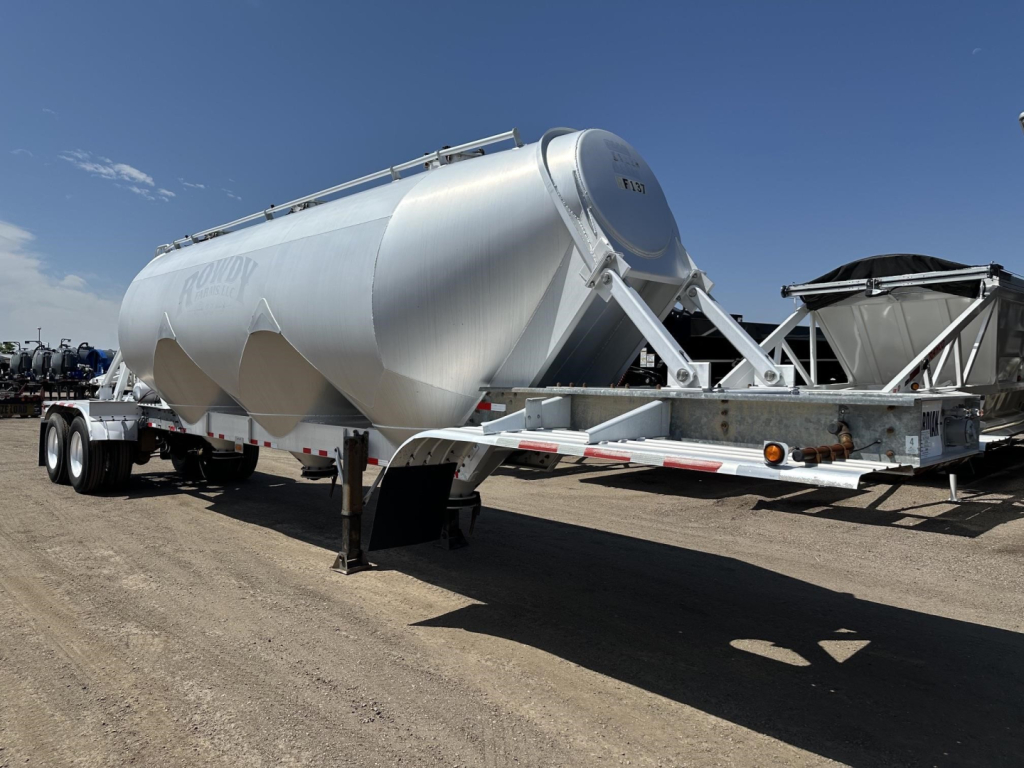
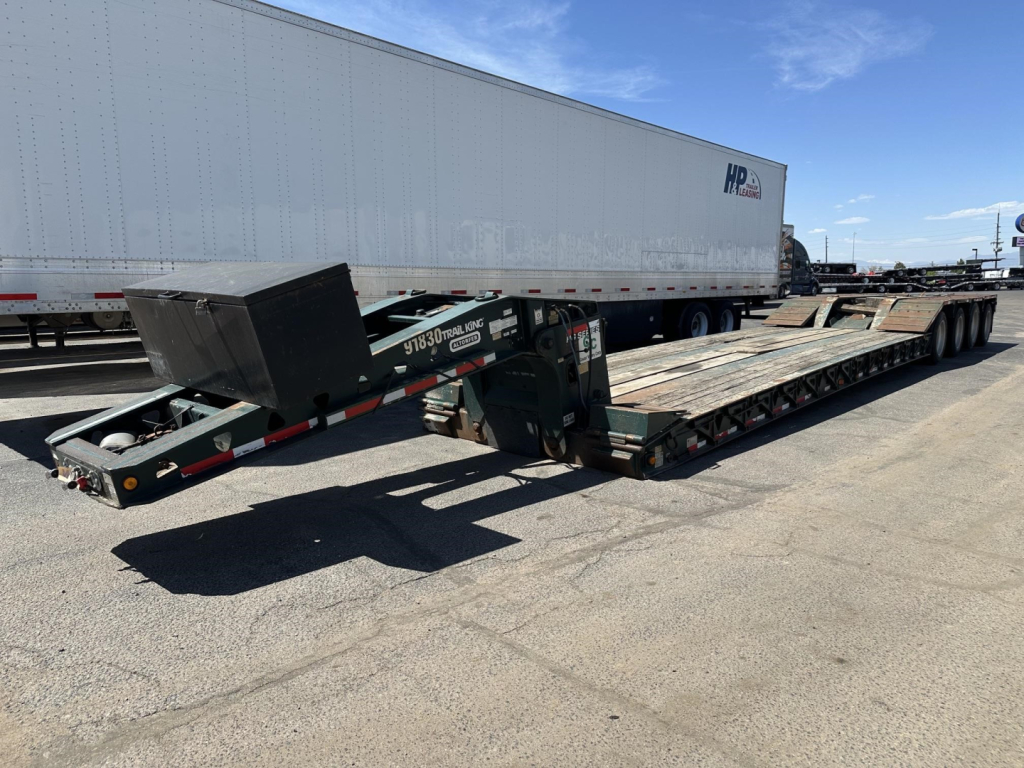
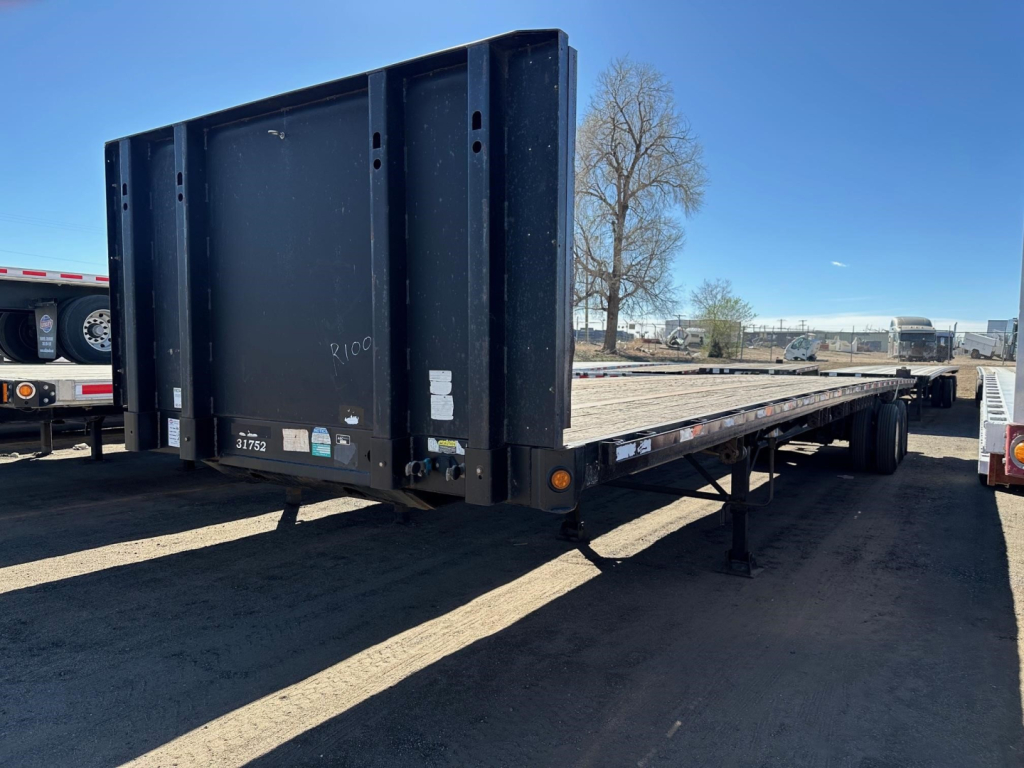
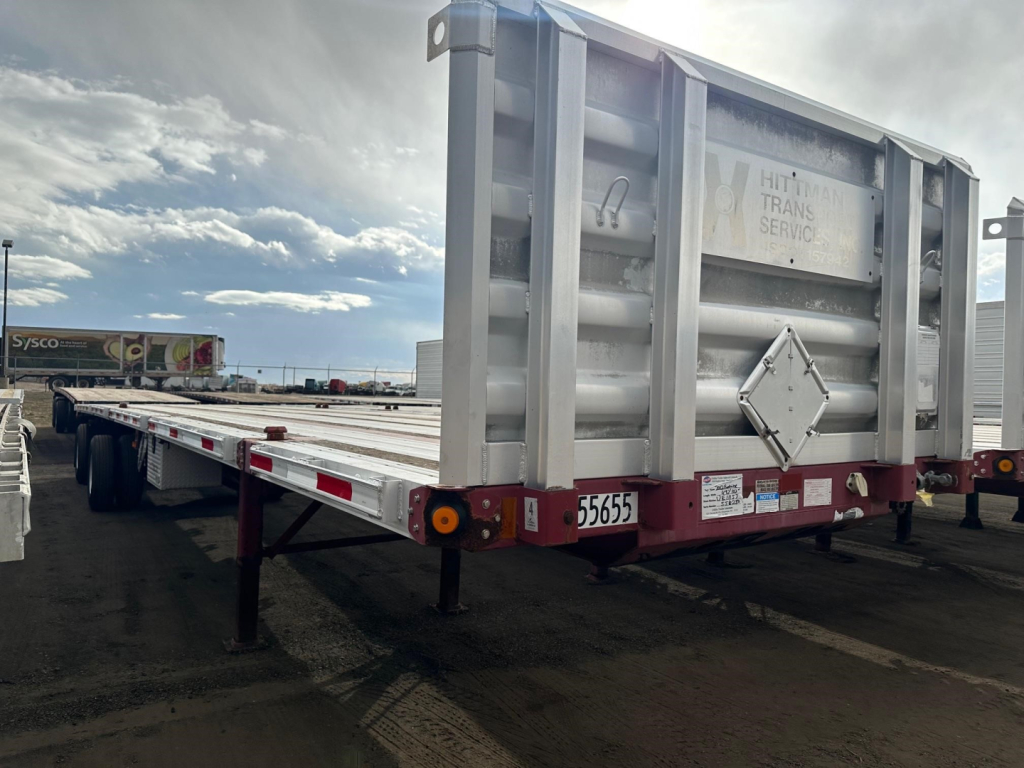
Selling a used 2012 trailer? List your used 2012 trailer for sale and reach thousands of commercial buyers.
Used 2012 Trailers in Colorado
The right choice starts with application. A 2012 dry van or reefer trailer is typically aimed at general freight, foodservice, and dock-to-dock work, where buyers should pay close attention to floor condition, rear frame integrity, crossmember corrosion, and door sealing. A 2012 drop deck or lowboy is more about deck height, kingpin settings, swing clearance, axle configuration, concentrated load rating, and tie-down layout such as chain slots, D-rings, and stake pockets. A 2012 dump or bottom dump trailer should be evaluated for gate operation, liner wear, suspension condition, hoist or hopper function, and evidence of cracking around high-stress areas.
Colorado buyers also need to think about terrain and climate. Mountain routes put extra importance on brake condition, wheel-end maintenance, suspension wear, and tire history. Winter road treatment can accelerate corrosion on steel components, wiring, light connections, subframes, and rear impact guards. For reefer trailers, the refrigeration unit hours, service records, chute condition, duct floor integrity, and insulation performance matter just as much as the trailer body. For van trailers, common decision points include swing doors versus roll doors, logistic post or E-track layout, scuff liners, roof condition, and whether the tandem setup fits your lane requirements and bridge law needs.
A well-maintained 2012 trailer can still deliver strong service life if the spec matches the freight. Buyers should compare axle spread or closed tandem setup, air ride versus spring ride, wheel material, tire size, overall length and width, and cargo securement features against the work they actually haul. It also pays to inspect VIN and title details, prior repairs, ABS function, lighting compliance, and signs of frame damage or uneven tire wear. On a used trailer in this age range, maintenance history and structural condition usually matter more than brand name alone.
Frequently Asked Questions about Used 2012 Trailers in Colorado
What should I inspect first on a used 2012 trailer?
Start with the frame, suspension, brakes, tires, and floor or deck structure because those items drive both safety and repair cost. Check for corrosion, cracked welds, bent crossmembers, uneven tire wear, wheel-end leaks, brake wear, and signs of impact damage at the rear frame, nose, or landing gear mounts. On cargo trailers, inspect doors, seals, floors, roof, and interior lining. On equipment and dump trailers, inspect deck wear, tie-down points, hinge areas, gate function, and stress points around the suspension and neck.
Is a 2012 trailer too old for regular commercial use?
A 2012 trailer is not automatically too old for commercial work if it has been maintained correctly and the structure is still sound. Many trailers stay productive well beyond this age, especially when they have consistent maintenance, documented repairs, and application-appropriate specs. The real question is condition, not just model year. Buyers should focus on structural integrity, brake and ABS compliance, suspension health, floor or deck life, and the cost of any immediate repairs needed to put the trailer into service.
Which 2012 trailer type is best for Colorado hauling?
That depends on freight and route. Dry vans and reefers are common for highway freight and distribution work along major corridors. Drop decks and lowboys fit machinery, construction, and oversize loads where lower deck height and securement options matter. Dump and bottom dump trailers are popular for aggregate, paving, and construction material hauling. In Colorado, terrain and weather make brake performance, suspension condition, and tire quality especially important regardless of trailer type.
What are common specs buyers compare on used 2012 trailers?
Common comparison points include overall length and width, axle configuration, suspension type, tandem style, kingpin setting, deck or floor construction, tire size, wheel type, lighting, and cargo-control features. Reefer buyers also compare refrigeration unit brand, hours, air chute, duct floor, and insulation condition. Lowboy and drop deck buyers often focus on load height, well length, concentrated load rating, outriggers, and securement layout. Van buyers usually compare door style, E-track or logistic posts, scuff protection, and floor wear.
Why does maintenance history matter so much on a 2012 trailer?
Maintenance history helps verify how the trailer was operated and whether known wear items were addressed before they became major failures. Records for brake work, wheel seals, tires, suspension repairs, reefer service, lighting repairs, and structural work can reveal whether the trailer was kept on a preventive schedule or simply patched as needed. On an older used trailer, documented upkeep can reduce risk, improve uptime planning, and make it easier to estimate the true cost of ownership.