
Used 2012 Polar Trailers For Sale in Colorado
Shop used 2012 Polar trailers in Colorado, including dry bulk pneumatic models with 1,000 cu ft capacity, air ride suspensions, and 3-hopper setups.
Selling a used 2012 polar trailer? List your used 2012 polar trailer for sale and reach thousands of commercial buyers.
Used 2012 Polar Trailers in Colorado
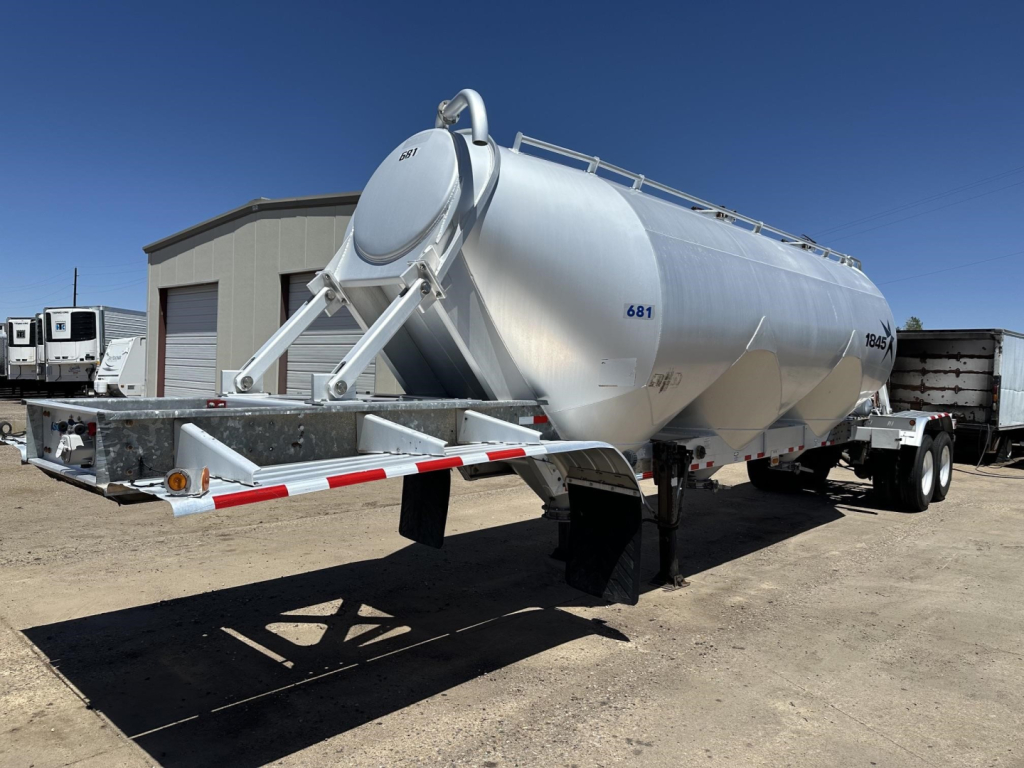
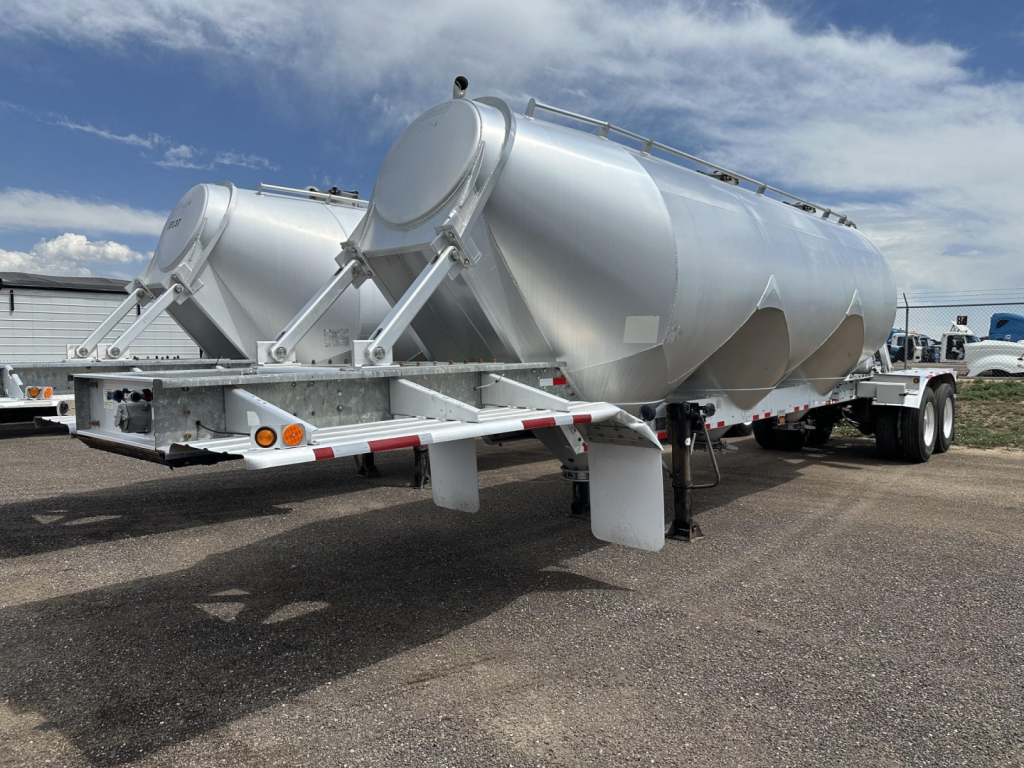
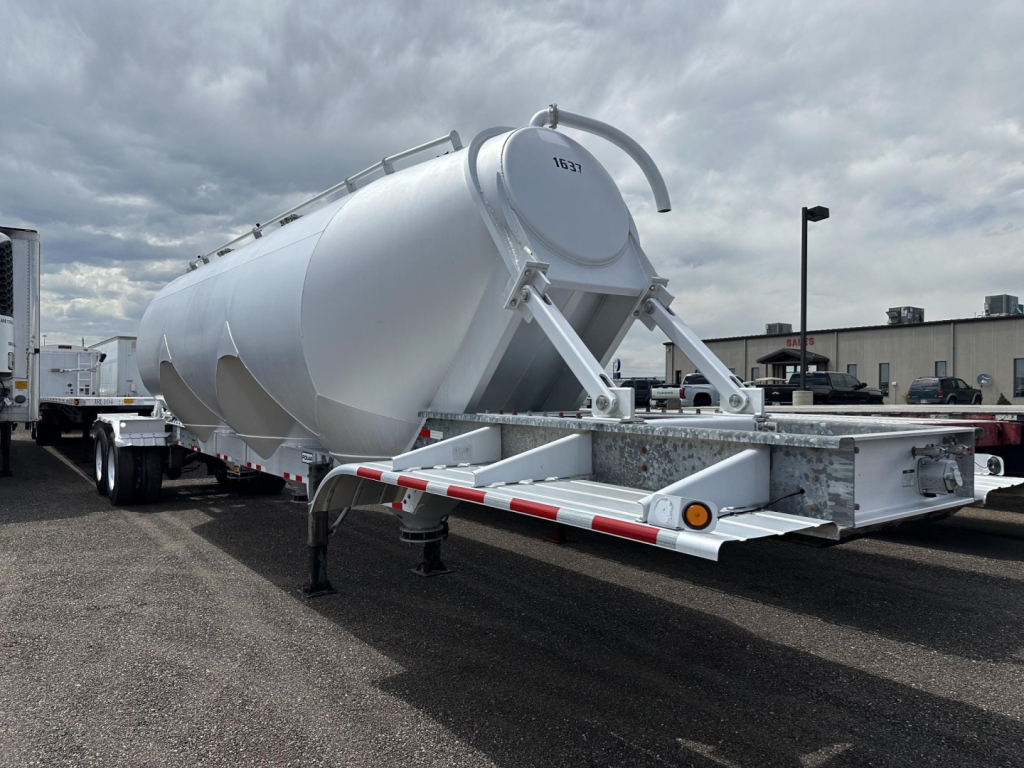
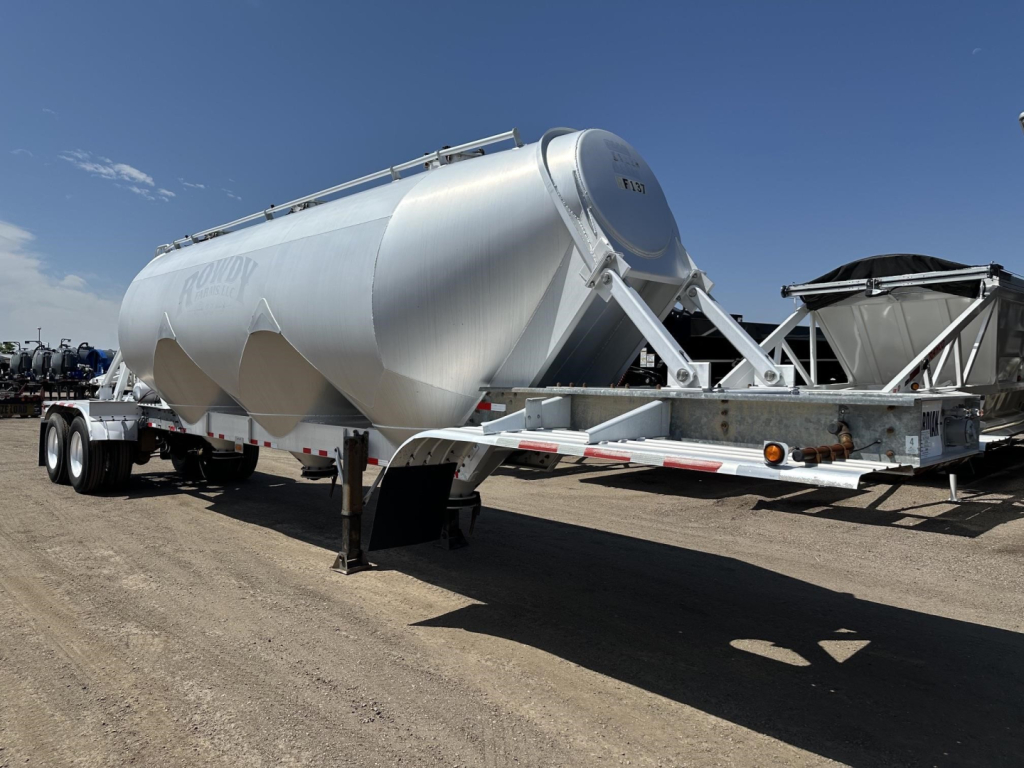
For a buyer, the discharge system and hopper layout matter more than the badge alone. Sample 2012 Polar units show 3-hopper designs with gravity drop discharge, rear blow-in plumbing, and multiple dome lids. That combination can be a good fit when product flow, compartment access, and unload efficiency are priorities. Adjustable couplers are another useful spec because kingpin height and fifth-wheel setup can vary across tractors. Closed tandem axle arrangements, air ride suspension, raised axles, and 11R24.5 tires are also common details that affect ride quality, tire replacement cost, bridge compliance, and how the trailer tracks under load.
Condition evaluation on a used 2012 pneumatic trailer should focus on the pressure system, tank integrity, suspension wear, and discharge components. Buyers usually want to inspect hopper valves, piping, seals, gaskets, dome closures, landing gear operation, and any signs of corrosion or product contamination inside the vessel. Air ride trailers should be checked for bag condition, height control function, and axle alignment. Aluminum wheels, fenders, ladders with safety rails, and work lights are useful features, but the real value is in a trailer that still loads clean, holds pressure correctly, and unloads consistently without excessive product retention.
Colorado buyers may also pay close attention to terrain and route profile. Bulk trailers running mountain grades and variable weather need dependable brakes, sound suspension components, and a tractor matched correctly for PTO or blower requirements, depending on the unload setup. A 2012 Polar trailer can still be a productive asset if the previous operation maintained the vessel, running gear, and plumbing properly. Comparing capacity, hopper count, discharge style, suspension type, and coupler setup will usually tell you more about fit than mileage-style thinking ever will on a bulk trailer.
Frequently Asked Questions about Used 2012 Polar Trailers in Colorado
What is a 2012 Polar dry bulk pneumatic trailer typically used for?
A 2012 Polar dry bulk pneumatic trailer is typically used to haul dry, flowable commodities such as cement, lime, fly ash, sand, flour, and plastic pellets. The exact material depends on the liner condition, cleanliness standard, and discharge configuration. These trailers are designed for bulk loading from the top and controlled unloading through hopper gates and pneumatic pressure or gravity-assisted systems.
What specs should I check first on a used 2012 Polar pneumatic trailer?
Start with cubic capacity, overall length, hopper count, discharge style, suspension type, axle configuration, and coupler setup. After that, inspect the pressure and plumbing system, dome lids, hopper valves, gaskets, landing gear, brakes, tire size, and wheel condition. On a used bulk trailer, discharge performance and tank condition usually matter more than cosmetic appearance.
Is a 1,000 cubic foot Polar trailer a common size?
Yes, 1,000 cubic feet is a common size for dry bulk pneumatic work because it balances payload flexibility with maneuverability and axle loading. It is often seen on trailers around 41 feet in length and works well for many regional and highway applications. The right capacity still depends on commodity density, because lighter products cube out while heavier products gross out first.
What is the benefit of a 3-hopper configuration on a pneumatic trailer?
A 3-hopper configuration can improve product flow and unload control by dividing the tank into more manageable discharge sections. This setup often helps with cleanout, reduces the distance material must move inside the tank, and can make unloading more consistent depending on the commodity. It is a practical design for operators hauling products that need predictable discharge behavior.
What should Colorado buyers pay attention to when shopping used bulk trailers?
Colorado buyers should pay close attention to brake condition, suspension health, axle alignment, and overall structural integrity because mountain routes and elevation changes put more demand on the trailer and tractor combination. Tire condition, raised axle operation, and air ride performance are especially important on varied terrain. It also helps to confirm that the trailer's discharge system matches the blower, tractor spec, and jobsite requirements common in the region.