
Used 2012 Polar Pneumatic - Dry Bulk Trailers For Sale in Colorado
Used 2012 Polar pneumatic dry bulk trailers, including gravity drop specs, hopper layouts, suspension details, and bulk hauling considerations.
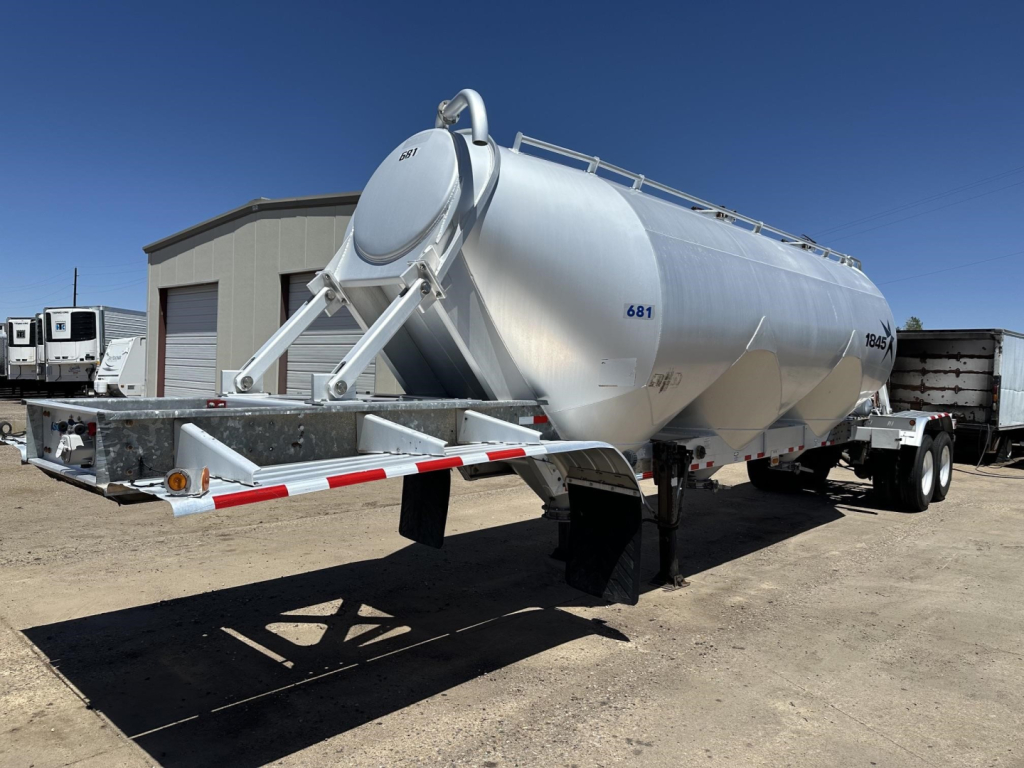
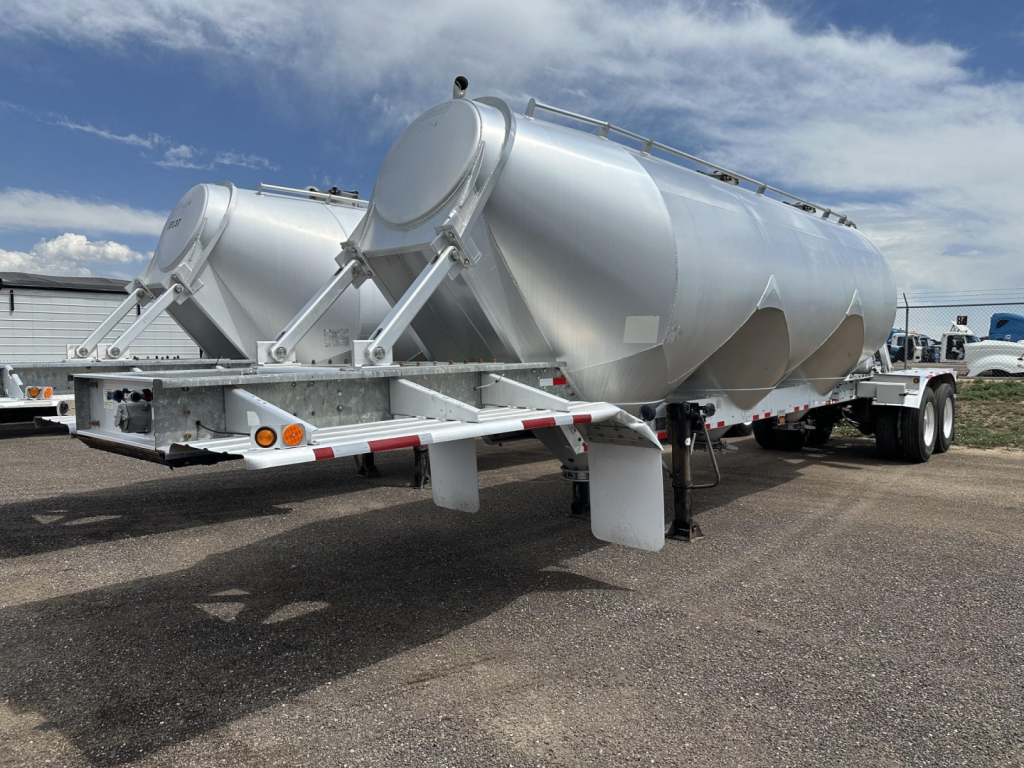
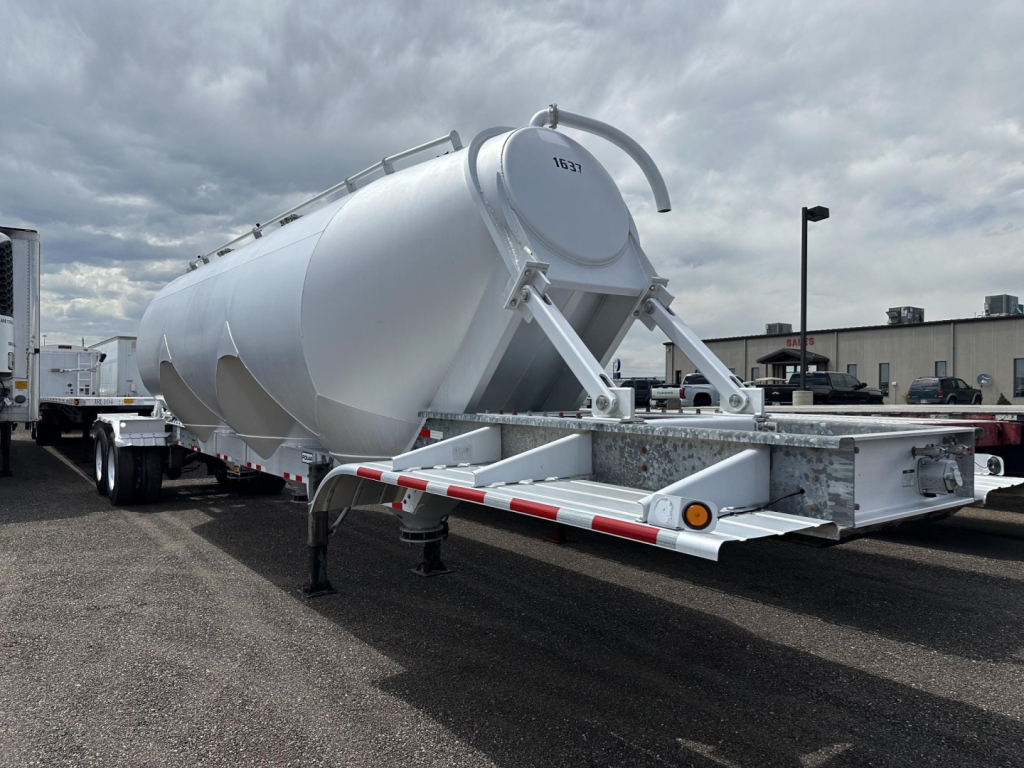
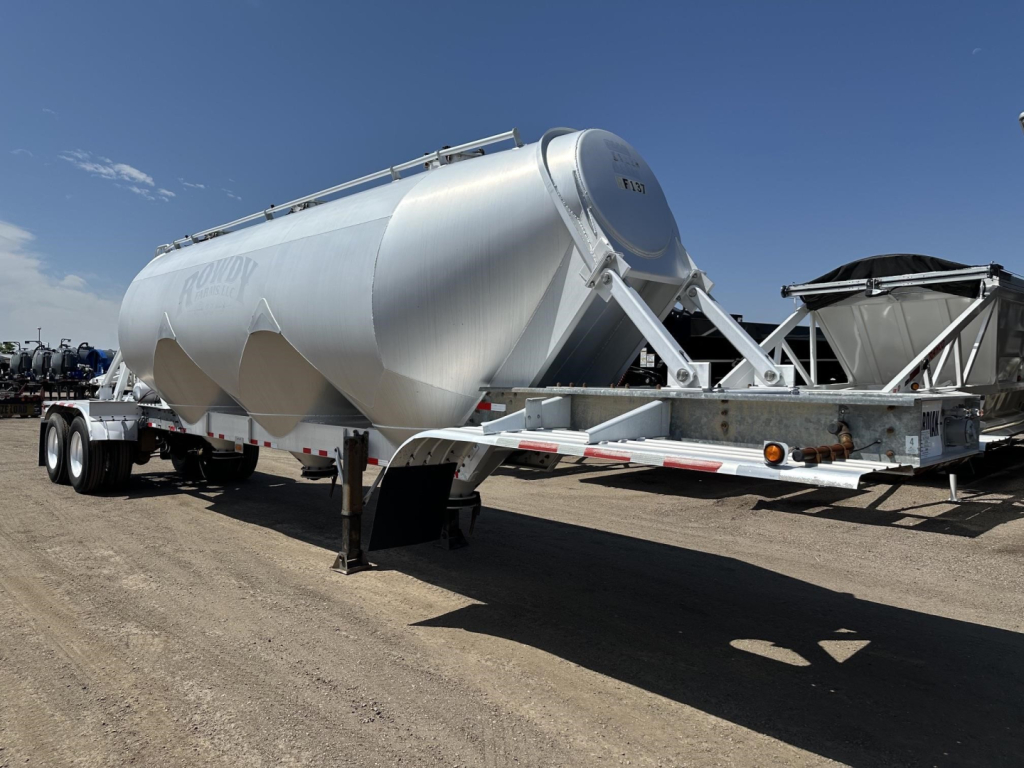
Selling a used 2012 polar pneumatic - dry bulk trailer? List your used 2012 polar pneumatic - dry bulk trailer for sale and reach thousands of commercial buyers.
Used 2012 Polar Pneumatic - Dry Bulk Trailers in Colorado
On 2012 Polar dry bulk trailers, buyers should pay close attention to hopper count, dome lid layout, discharge plumbing, and suspension spec. A 3-hopper design is common in this class and helps with more controlled unloading, especially with heavier powdered commodities. Features such as rear blow-in pipes, gravity drop discharge, adjustable couplers, and closed tandem air ride suspensions are all worth evaluating because they affect loading compatibility, unloading efficiency, and bridge compliance. Raised axles can add flexibility in empty operation and tire wear management, while 11R24.5 rubber and aluminum outside wheels remain a standard, serviceable setup for many fleets.
Condition matters more than model year alone on a pneumatic trailer. Tank integrity, signs of contamination, valve wear, aeration system condition, and the state of the piping should all be inspected closely. Landing gear operation, ladder and safety rail condition, fenders, and work lights also deserve attention because bulk applications put constant stress on access points and undercarriage components. If the trailer has been hauling abrasive material, inspect the hopper interiors, discharge gates, and plumbing for thinning or repairs. Buyers should also confirm how the trailer is set up for blower compatibility, hose routing, and site requirements at the plants or terminals they serve.
For Colorado operators, elevation and route profile can influence how a used dry bulk trailer performs in real service. Mountain grades, variable weather, and mixed rural-industrial routes put extra value on a stable air ride suspension, solid brake condition, and a discharge system that stays predictable when product density changes. A 2012 Polar pneumatic dry bulk trailer can still be a productive asset when the tank, running gear, and unloading components are in sound shape. The best fit comes down to commodity type, target payload, unload method, and how well the trailer's hopper and plumbing configuration matches your customers' receiving systems.
Frequently Asked Questions about Used 2012 Polar Pneumatic - Dry Bulk Trailers in Colorado
What is a gravity drop pneumatic dry bulk trailer?
A gravity drop pneumatic dry bulk trailer is a bulk tank trailer that uses sloped hoppers and gravity to feed product toward the discharge points, while air pressure and blower equipment move the commodity through the unloading system. This design is common for dry materials such as cement, lime, fly ash, and sand because it supports efficient unloading while keeping the product enclosed and protected from contamination.
What should I inspect first on a used 2012 Polar pneumatic trailer?
Start with the tank, hopper structure, discharge valves, and plumbing because those components determine whether the trailer can safely hold and unload product. After that, inspect aeration pads, dome lids, gaskets, piping connections, suspension, brakes, tires, landing gear, and frame areas around the suspension mounts. Evidence of product contamination, patched metal, excessive corrosion, or worn valves can be more important than the trailer's age on paper.
Is 1,000 cubic feet a common size for a dry bulk trailer?
Yes, 1,000 cubic feet is a common capacity point for pneumatic dry bulk trailers, especially in general cement and powder hauling applications. Actual payload depends on the commodity's bulk density, axle configuration, and local weight laws. Higher-density products can max out legal weight before the tank reaches full volume, so capacity should always be evaluated alongside the material you plan to haul.
Why does hopper count matter on a pneumatic dry bulk trailer?
Hopper count affects product flow, unload efficiency, and how evenly material feeds into the discharge system. A 3-hopper configuration is popular because it can improve gravity feed and help reduce leftover material in the tank compared with less segmented designs. It also influences maintenance access and the layout of valves and piping underneath the trailer.
Are used Polar dry bulk trailers a good fit for regional bulk hauling?
They can be, especially when the trailer's discharge system, suspension, and tank capacity align with the commodities and customer sites on your routes. Polar trailers are widely recognized in bulk service, and many regional carriers use them for construction materials, industrial powders, and agricultural bulk products. The key is matching the trailer's plumbing, hopper setup, and condition to the unloading requirements and terrain of your operating area.