
Used Polar Pneumatic - Dry Bulk Trailers For Sale
Used Polar pneumatic dry bulk trailers for hauling cement, lime, sand and other dry products. Compare capacities, hopper layouts, suspension and discharge setup.
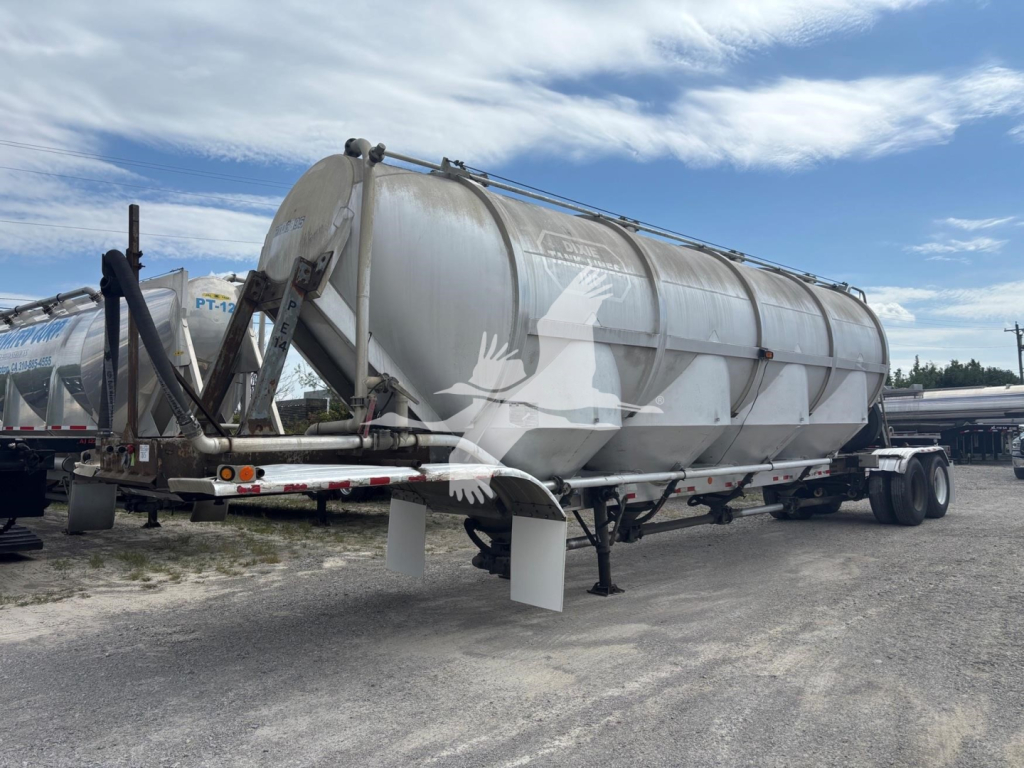
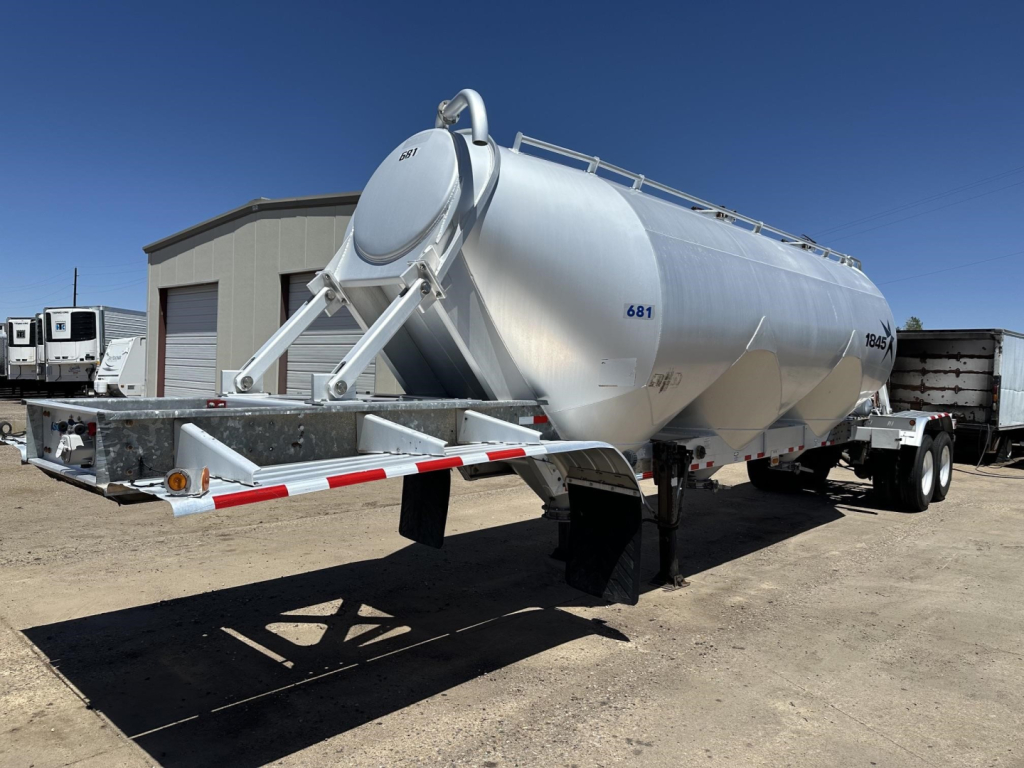
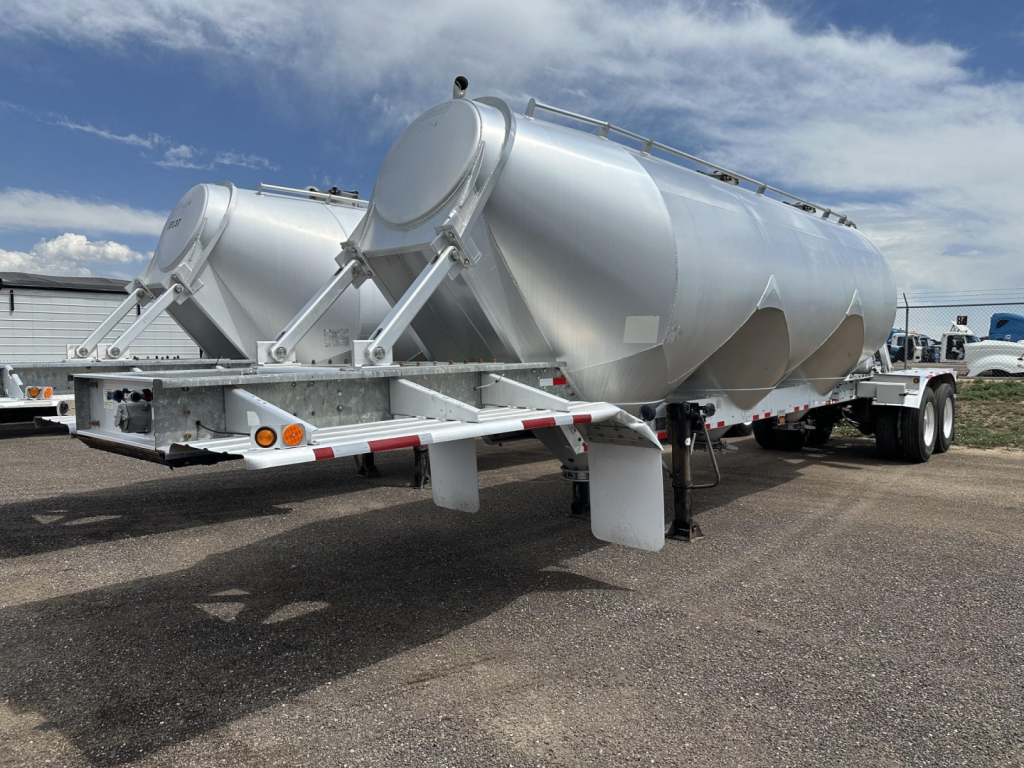
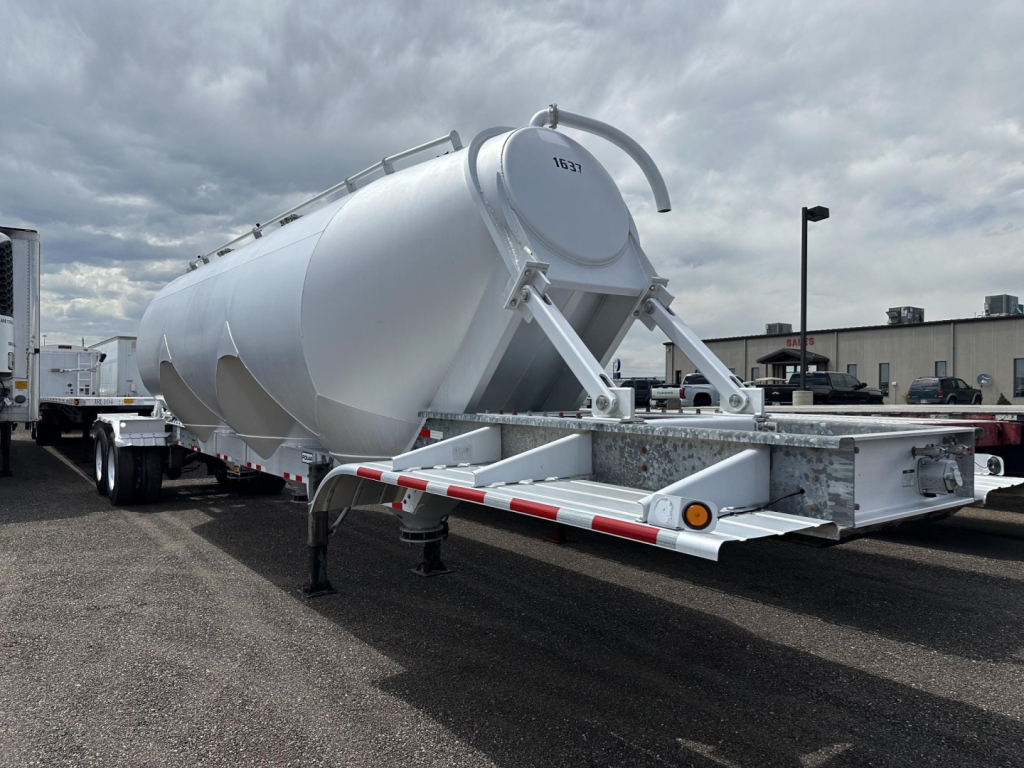
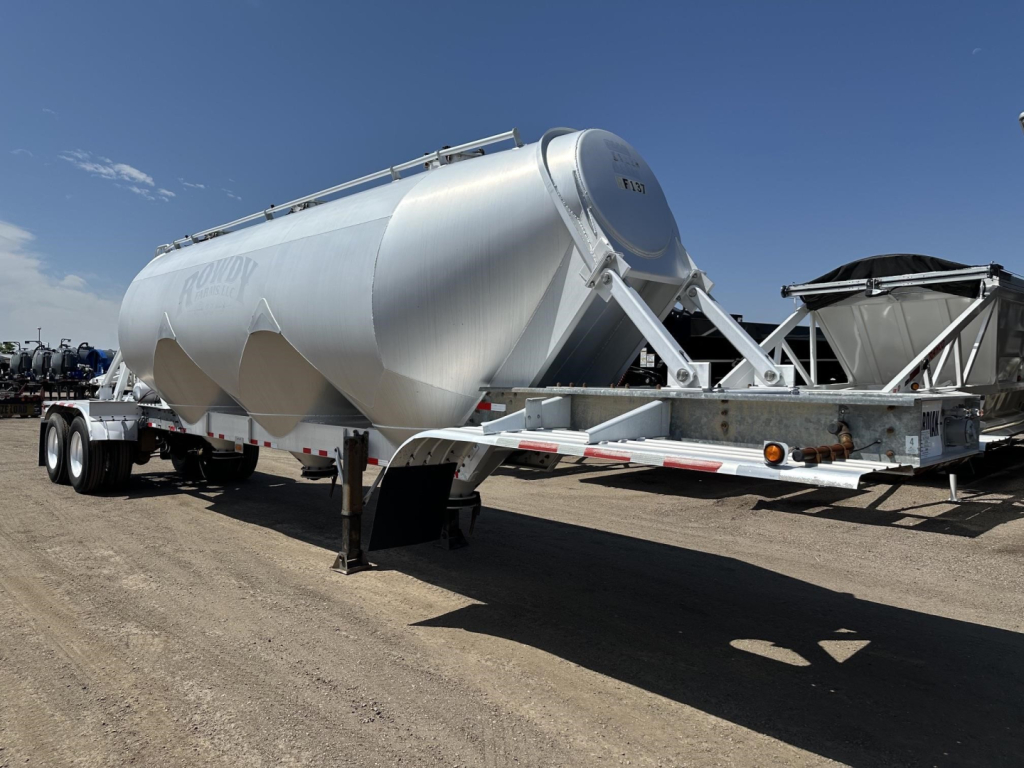
Selling a used polar pneumatic - dry bulk trailer? List your used polar pneumatic - dry bulk trailer for sale and reach thousands of commercial buyers.
Used Polar Pneumatic - Dry Bulk Trailers
A typical used Polar dry bulk trailer in this range may be around 41 feet long, 96 inches wide, and rated near 1,000 cubic feet, often with three hoppers and two or three top domes. That combination matters because product density drives payload more than sheer volume. Heavy commodities such as cement and sand can gross out quickly, so the right trailer is not always the highest cubic foot unit. Hopper count, hopper slope, and outlet design affect how completely the product evacuates and how smoothly the trailer unloads. Buyers should also pay attention to gravity discharge versus other pneumatic discharge arrangements, rear blow-in plumbing, and how the trailer is configured to match the blower setup in their fleet.
Running gear and serviceability are just as important on a used pneumatic trailer. Air ride suspension is common because it helps protect the trailer structure and can improve handling with shifting bulk loads. Closed tandems, raised axles, aluminum wheels, 11R24.5 rubber, adjustable couplers, and two-speed landing gear are all features that can influence daily usability and maintenance cost. On a used unit, inspect the tank shell, welds, subframe, hopper cones, piping, valves, gaskets, and manholes closely. Ladder condition, safety rails, fenders, and work lights matter too, especially for fleets loading at cement plants, terminals, and jobsite environments where uptime and safe access are critical.
The best used Polar pneumatic dry bulk trailer is the one matched to the commodity, route, and unloading method. A trailer hauling fine powder on short regional turns may need different plumbing and capacity priorities than one moving aggregate or industrial minerals over longer distances. Buyers should confirm bridge law fit, kingpin setting, suspension spread, and axle configuration before committing, especially if the trailer will run across multiple states or into weight-sensitive markets. When the specs line up with the product and the blower system, a used Polar dry bulk trailer can be a durable, productive choice for bulk haulers that need dependable pneumatic performance.
Frequently Asked Questions about Used Polar Pneumatic - Dry Bulk Trailers
What products are commonly hauled in a Polar pneumatic dry bulk trailer?
Polar pneumatic dry bulk trailers are commonly used for cement, lime, fly ash, sand, flour, plastic resin, and other dry bulk commodities that can be unloaded with air pressure or gravity-assisted pneumatic systems. The exact product fit depends on tank configuration, hopper design, plumbing, and the material’s density and flow characteristics. Buyers should match the trailer to the commodity first, because fine powders, coarse materials, and food-grade products can require different specifications and cleanliness standards.
Is a 1,000 cubic foot dry bulk trailer always the best choice?
Not necessarily. Cubic capacity is only one part of the decision. Dense materials such as cement or sand can reach legal gross weight before the trailer is full, so a larger cube trailer does not always increase revenue payload. For heavier commodities, axle layout, tare weight, and bridge compliance can matter more than raw volume. For lighter products, added cubic capacity may be beneficial if the trailer can still unload efficiently.
What should I inspect on a used pneumatic dry bulk trailer before buying?
The most important inspection points are the tank shell, hopper cones, discharge piping, valves, aeration system, manholes, gaskets, and structural welds. Buyers should also evaluate suspension components, axle condition, brakes, tires, wheels, landing gear, and coupler wear. On pneumatic trailers, air leaks and worn valves can directly affect unload time and performance, so the plumbing and discharge system deserve as much attention as the chassis.
What is the benefit of a gravity drop pneumatic trailer?
A gravity drop pneumatic trailer uses hopper geometry and outlet design to feed product efficiently into the discharge system. This setup can improve unloading consistency, especially with dry powder commodities that need steady material flow. It can also simplify product movement through the trailer compared with designs that rely more heavily on air movement alone. The right benefit depends on the commodity being hauled and the blower equipment used by the tractor or terminal.
Why does suspension type matter on a dry bulk trailer?
Suspension type affects ride quality, trailer stability, structural stress, and maintenance. Air ride suspension is popular on dry bulk trailers because it helps cushion the tank and running gear from road shock, which can be important on lightweight aluminum trailers and on routes with rough pavement. It can also improve handling and driver comfort. Buyers comparing used units should still inspect the suspension carefully, because worn bushings, airbags, and alignment issues can create tire wear and added operating cost.