
Used 2012 Polar Pneumatic - Dry Bulk Trailers For Sale
Shop used 2012 Polar pneumatic dry bulk trailers. Compare 1,000 cu ft specs, hopper layouts, suspension, discharge setup, and bulk applications.
Selling a used 2012 polar pneumatic - dry bulk trailer? List your used 2012 polar pneumatic - dry bulk trailer for sale and reach thousands of commercial buyers.
Used 2012 Polar Pneumatic - Dry Bulk Trailers
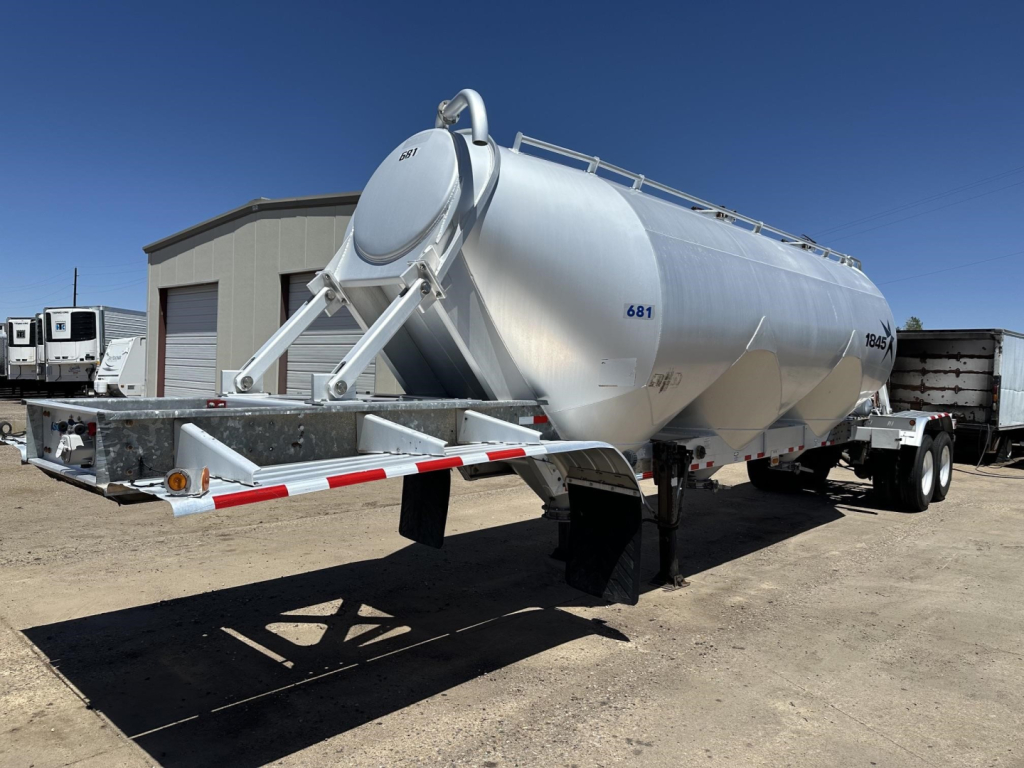
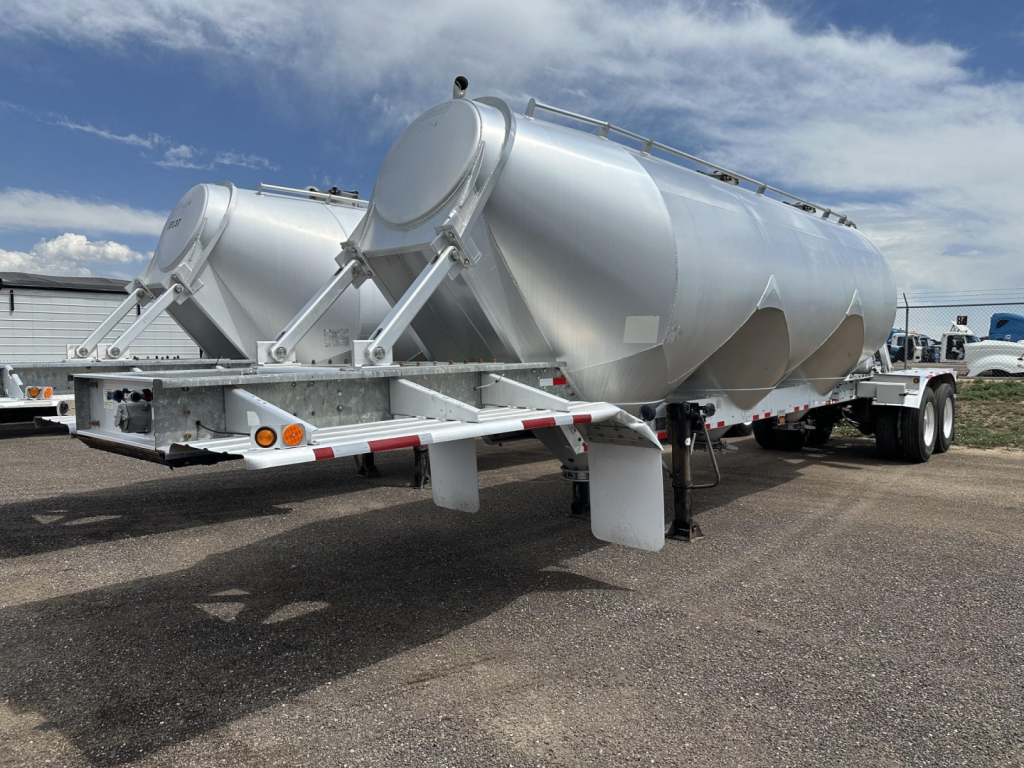
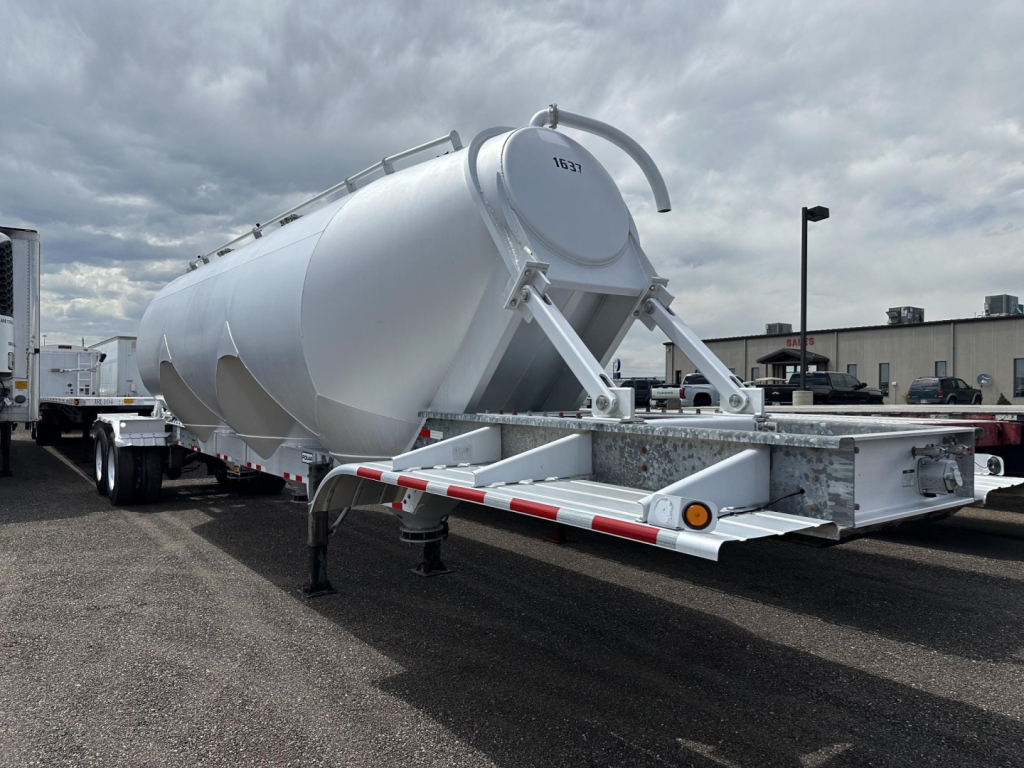
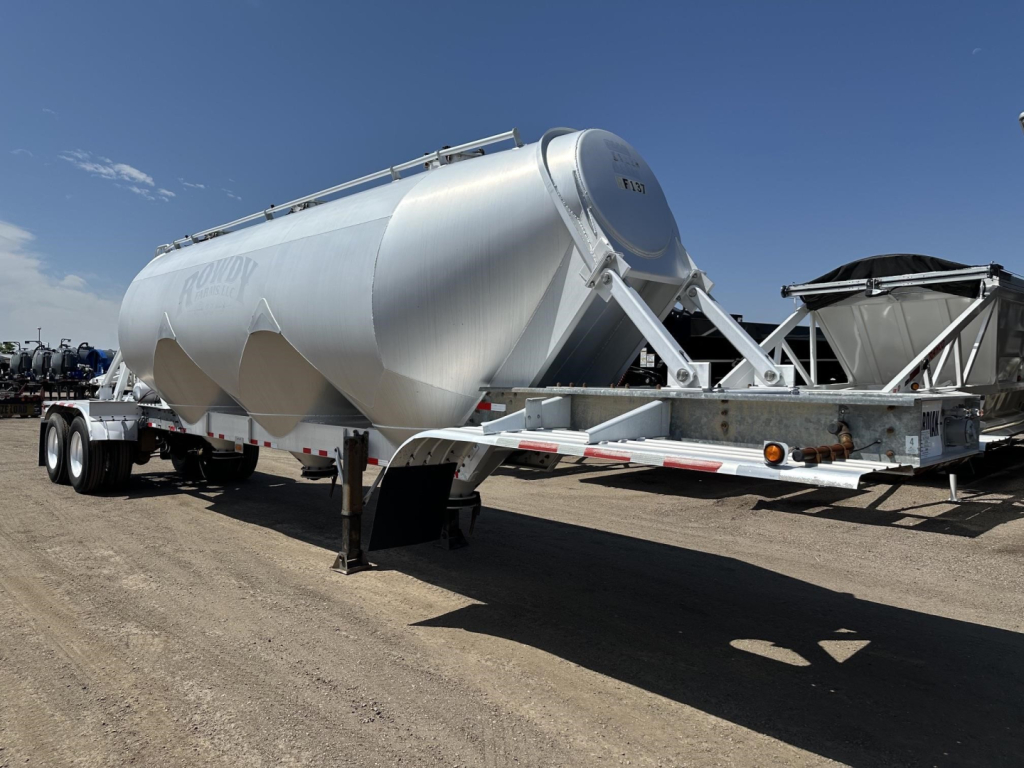
A common setup in this category is a 41-foot trailer with about 1,000 cubic feet of capacity, tandem axles, and air ride suspension. Many 2012 Polar units in this segment use 3 hopper designs with gravity drop discharge, rear blow-in piping, and dome lids for top loading and inspection. That configuration matters because product type drives trailer choice. Lower density commodities let you use the full cube, while heavier materials can weight out before the tank is full. Hopper count, cone design, plumbing layout, and discharge size all affect unload speed, cleanout, and how well the trailer handles difficult material.
Buyers should pay close attention to the discharge system and overall trailer geometry. A gravity drop pneumatic trailer is different from a pure pressure differential tank in how material feeds to the blower system, and that can influence unload consistency and compatibility with your plant or customer locations. Adjustable couplers, raised axles, closed tandem layouts, and air ride suspension are all worth noting because they affect bridge compliance, ride quality, and loading dock or jobsite clearance. Dome lid count, rear ladders with safety rails, landing gear condition, wheel type, tire size, and fender setup also matter on a used bulk trailer, especially if the trailer will see frequent washouts or multi-stop work.
On a used 2012 Polar dry bulk trailer, condition is more important than model year alone. Inspect the barrel and hopper cones for repairs, corrosion, and weld quality. Check piping, valves, seals, gaskets, and aeration components for leaks or wear, and confirm the trailer matches the commodity and unloading method your operation requires. It is also smart to verify residual product history, maintenance records, suspension condition, brake components, and axle configuration before purchase. The right pneumatic dry bulk trailer is the one that fits your material density, discharge requirements, route weights, and plant connections without creating extra unload time or contamination risk.
Frequently Asked Questions about Used 2012 Polar Pneumatic - Dry Bulk Trailers
What is a pneumatic dry bulk trailer used for?
A pneumatic dry bulk trailer is used to transport dry, powder or pellet commodities in bulk and unload them through a sealed system. Common products include cement, lime, fly ash, sand, plastic pellets, flour, and other non-liquid materials that need contamination control and efficient unloading. The exact commodity matters because material density, flow characteristics, and moisture sensitivity all affect the best tank capacity, hopper design, and discharge setup.
What should I look for on a used 2012 Polar pneumatic trailer?
Start with the tank, hopper cones, and weld seams, since structural condition drives long-term value. Then inspect valves, discharge plumbing, blow-in lines, dome lids, gaskets, suspension, brakes, tires, landing gear, and axle alignment. On a used bulk trailer, it is also important to confirm prior commodity history and check for signs of product buildup, internal contamination, corrosion, or patched repairs that could affect cleanout or unloading performance.
How important is cubic foot capacity on a dry bulk trailer?
Cubic foot capacity is one of the main buying points, but it has to be matched to the density of the product you haul. A 1,000 cubic foot trailer may cube out on light material, but with heavier commodities it can reach legal gross weight before the tank is full. Buyers should balance trailer volume with axle configuration, bridge laws, and target payload so the trailer is efficient on the specific routes and commodities it will serve.
What is the advantage of a 3 hopper gravity drop pneumatic design?
A 3 hopper gravity drop design helps move material toward the discharge points with less leftover product in the tank. That can improve unload consistency and reduce cleanout time, especially on commodities that flow well through coned hoppers. The exact benefit depends on product type, plumbing, aeration, and the blower setup used by the tractor or facility, but hopper layout is a major factor in unload speed and residual material control.
Why do suspension and axle details matter on a dry bulk trailer?
Suspension and axle layout affect ride quality, product handling, tire wear, and legal payload distribution. Air ride suspension is common because it helps protect the trailer and improves stability, while tandem spacing, raised axles, and coupler settings can influence bridge compliance and maneuverability. On a used trailer, these details also help determine how well the unit will fit your routes, customer sites, and maintenance expectations.