
Used Polar Pneumatic - Dry Bulk Trailers For Sale in Colorado
Used Polar pneumatic dry bulk trailers for hauling cement, fly ash, lime, sand, and other dry commodities. Compare capacity, hoppers, and suspension.
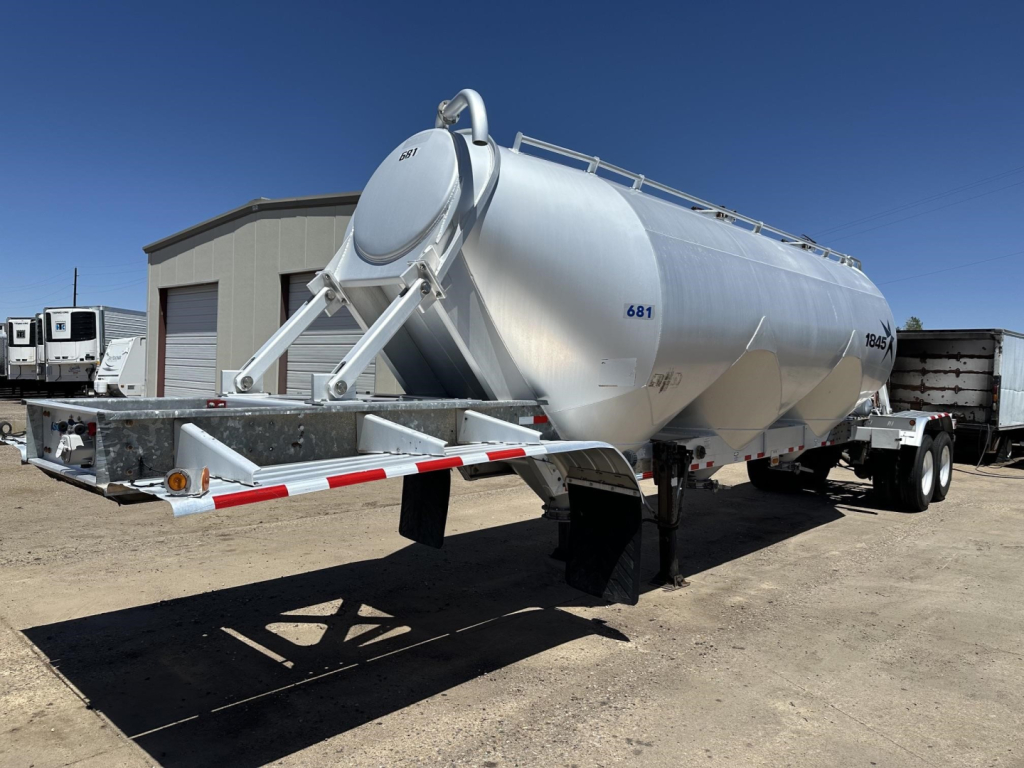
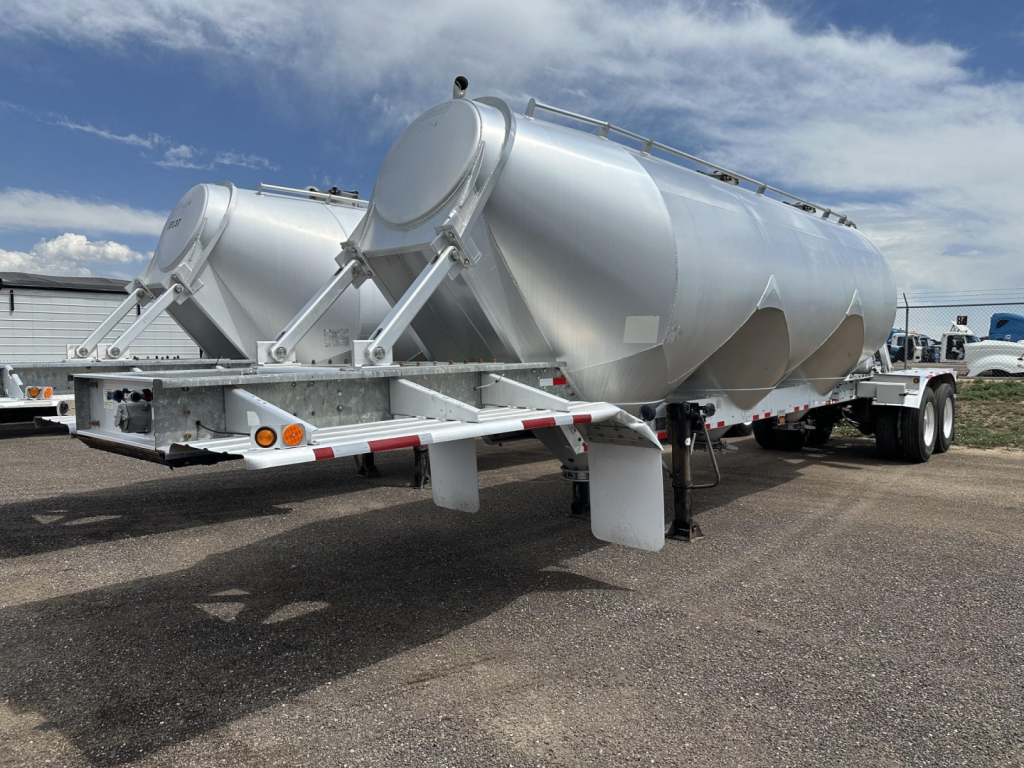
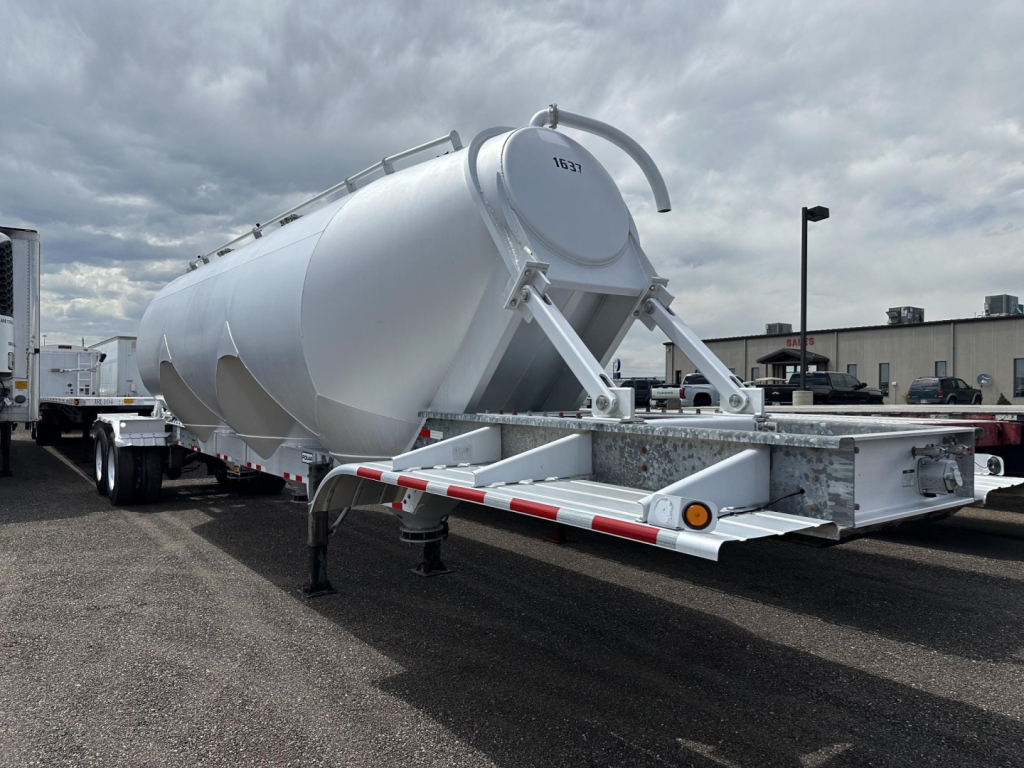
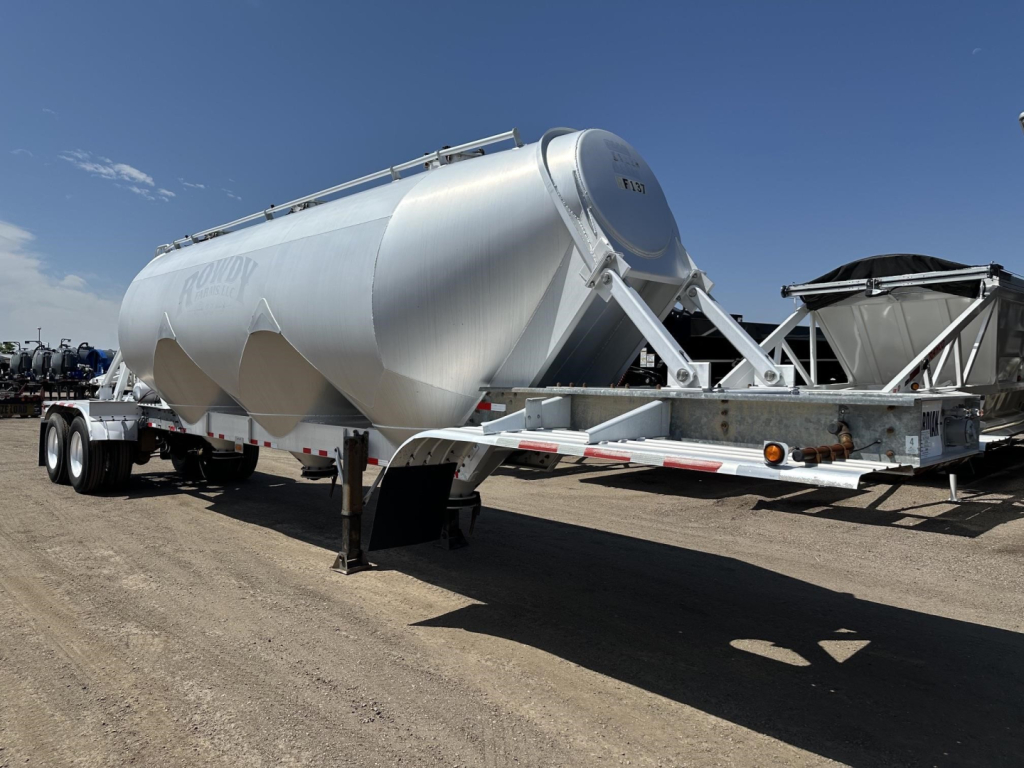
Selling a used polar pneumatic - dry bulk trailer? List your used polar pneumatic - dry bulk trailer for sale and reach thousands of commercial buyers.
Used Polar Pneumatic - Dry Bulk Trailers in Colorado
Capacity and discharge layout drive how a pneumatic trailer fits the job. Many Polar units in this category fall around the 1,000 cubic foot range, which is a common sweet spot for balancing payload and commodity density. Gravity drop pneumatic configurations are especially relevant for operations that want controlled product flow into the blower system. Hopper count matters because it affects unloading efficiency, cleanout, and how well the trailer handles different material characteristics. Dome lids, blow-in plumbing, and discharge piping should be inspected carefully, since seals, valves, and plumbing condition directly affect unload time and contamination risk.
Running gear and chassis specs are just as important as tank design. Buyers should pay attention to air ride suspension, tandem spacing, raised axle setups, wheel spec, tire size, and landing gear condition. An adjustable coupler can help with tractor matching and kingpin height, especially in mixed fleet applications. Rear ladders with safety rails, fenders, work lights, and overall frame condition also matter because dry bulk trailers spend a lot of time at plants, terminals, and job sites where durability and safe access are critical. In Colorado and other mountain or high-plains markets, trailer weight, braking performance, and stability under varying road grades can be especially important.
For a used Polar pneumatic dry bulk trailer, condition is more than appearance. Tank integrity, prior commodity use, maintenance history, aeration system performance, discharge valve wear, and signs of moisture intrusion all have a direct effect on value. Buyers comparing listings should look for evidence of consistent inspection around hoppers, welds, suspension components, and airline systems. A trailer with the right capacity and commodity history can be a strong fit for regional building material work, industrial supply routes, or dedicated bulk lanes where dependable unloading and product purity are non-negotiable.
Frequently Asked Questions about Used Polar Pneumatic - Dry Bulk Trailers in Colorado
What commodities are commonly hauled in a Polar pneumatic dry bulk trailer?
Polar pneumatic dry bulk trailers are commonly used for cement, fly ash, lime, sand, mortar mix, plastic pellets, and other dry bulk materials that can be moved through a pneumatic unloading system. The exact commodity match depends on tank configuration, discharge setup, trailer capacity, and prior product history. Buyers should always confirm what the trailer previously hauled, especially when product purity and contamination control are important.
What should I check first on a used dry bulk pneumatic trailer?
Start with the tank, hoppers, and discharge system. Inspect for cracks, poor weld repairs, corrosion, leaking valves, damaged piping, and worn seals around dome lids and hopper outlets. Then move to suspension, axles, brakes, tires, landing gear, and frame condition. On a pneumatic trailer, unloading components and airtight integrity are critical because even a solid-looking trailer can become inefficient if the plumbing or seals are compromised.
Why does hopper count matter on a pneumatic dry bulk trailer?
Hopper count affects unloading control, product flow, and cleanout. A three-hopper setup is common because it can help move material more evenly and reduce leftover product in the tank. For some commodities, hopper design and slope are just as important as the number of hoppers. Buyers should match the trailer's hopper layout to the density and flow characteristics of the material they plan to haul.
Is a 1,000 cubic foot pneumatic trailer a good general-purpose size?
A 1,000 cubic foot dry bulk trailer is a popular general-purpose size because it fits a wide range of bulk commodities while maintaining practical roadability. It can work well for operations hauling cement, fly ash, and similar materials, but the right size still depends on commodity density and legal payload targets. Heavier products may cube out differently than lighter bulk materials, so capacity should always be evaluated alongside expected gross weight.
What features are useful for regional and mountain hauling in Colorado?
For Colorado service, buyers often prioritize air ride suspension, strong brake condition, dependable tires, stable tandem configuration, and a trailer weight that supports legal payload on varied grades. Raised axles can also be useful depending on route structure and empty miles. Safe access features like ladders and rails matter at plants and customer sites, and a well-maintained discharge system is especially important when unloading in colder or variable weather conditions.