
Used Polar Trailers For Sale
Browse used Polar trailers, including tank and pneumatic models, with details on capacity, construction, code ratings, suspension, and product use.
Selling a used polar trailer? List your used polar trailer for sale and reach thousands of commercial buyers.
Used Polar Trailers
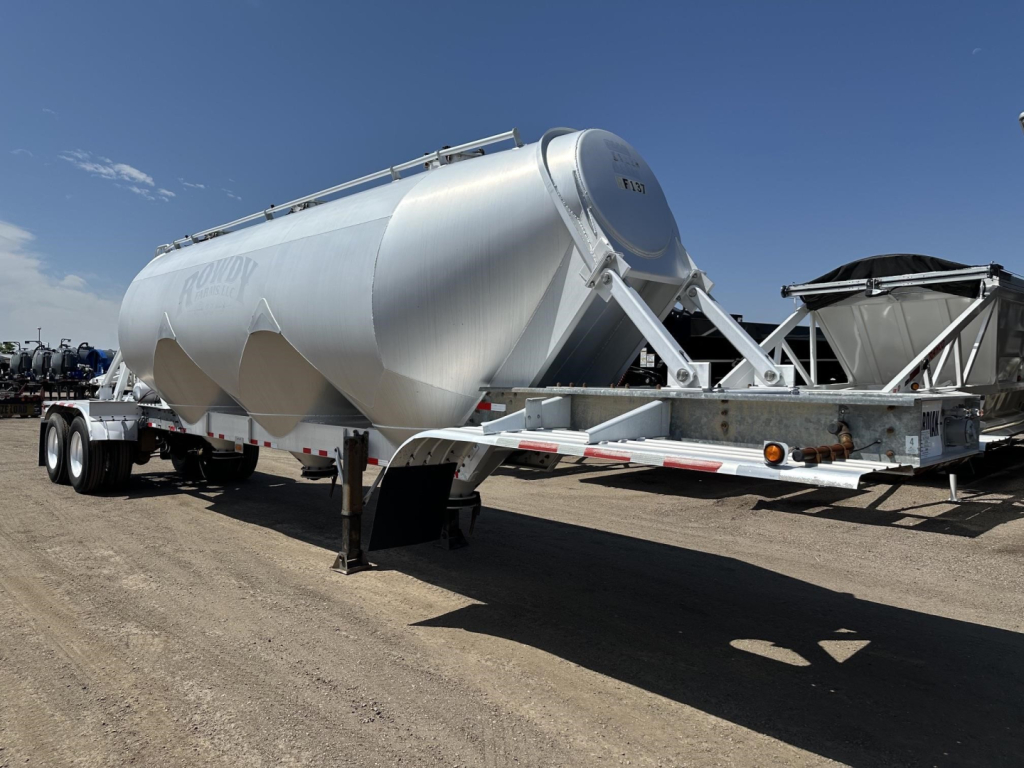
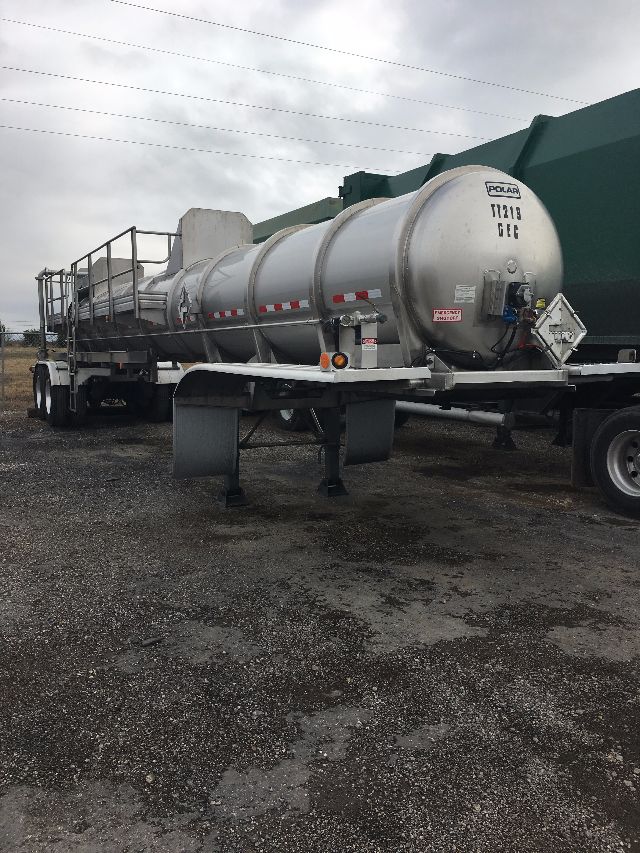
The first buying decision is product compatibility. For tank trailers, that means matching the trailer to the commodity and unloading method. Stainless barrels are common for sanitary, chemical, and corrosive applications, while aluminum is more common in certain dry bulk and pneumatic configurations where weight savings matter. Capacity can vary widely, with common used examples ranging from roughly 3,500 to 6,500 gallons on liquid tanks, while pneumatic units are often measured in cubic meters or cubic feet and may include multiple hoppers or compartments. Buyers should verify whether the trailer is non-code or DOT coded, insulated or non-insulated, straight round or another barrel design, and rear discharge or configured with other plumbing layouts. Features like vapor recovery, pressure manholes, internal lining such as Kynar, and pump or blower compatibility can materially affect where the trailer can legally and practically work.
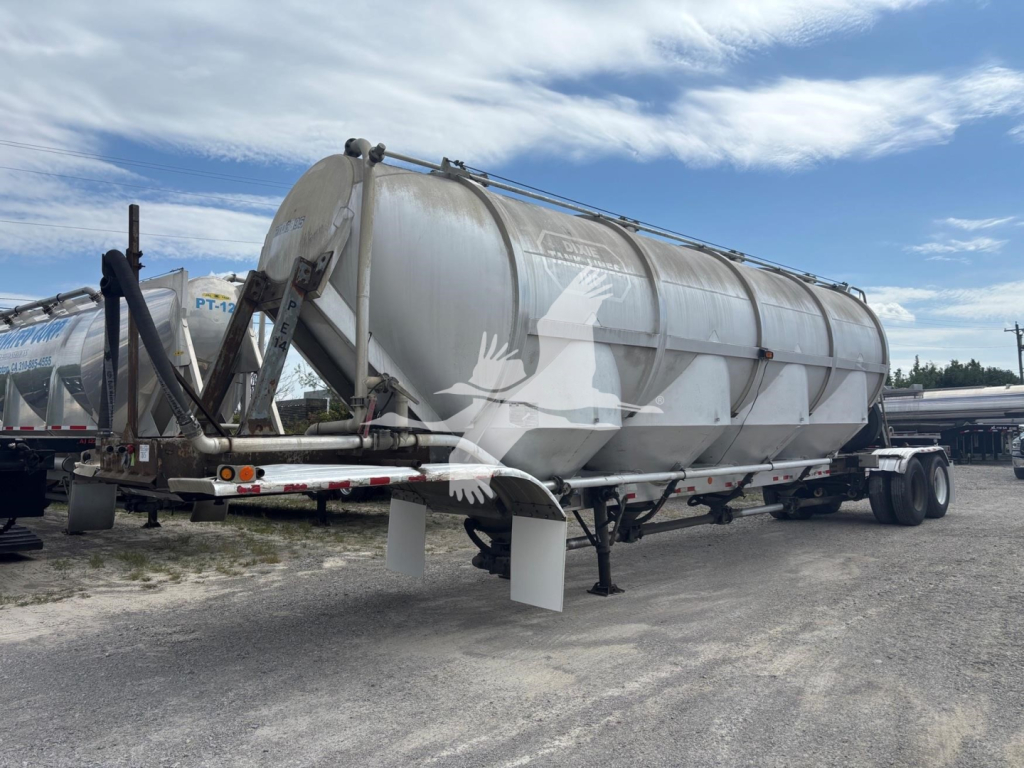
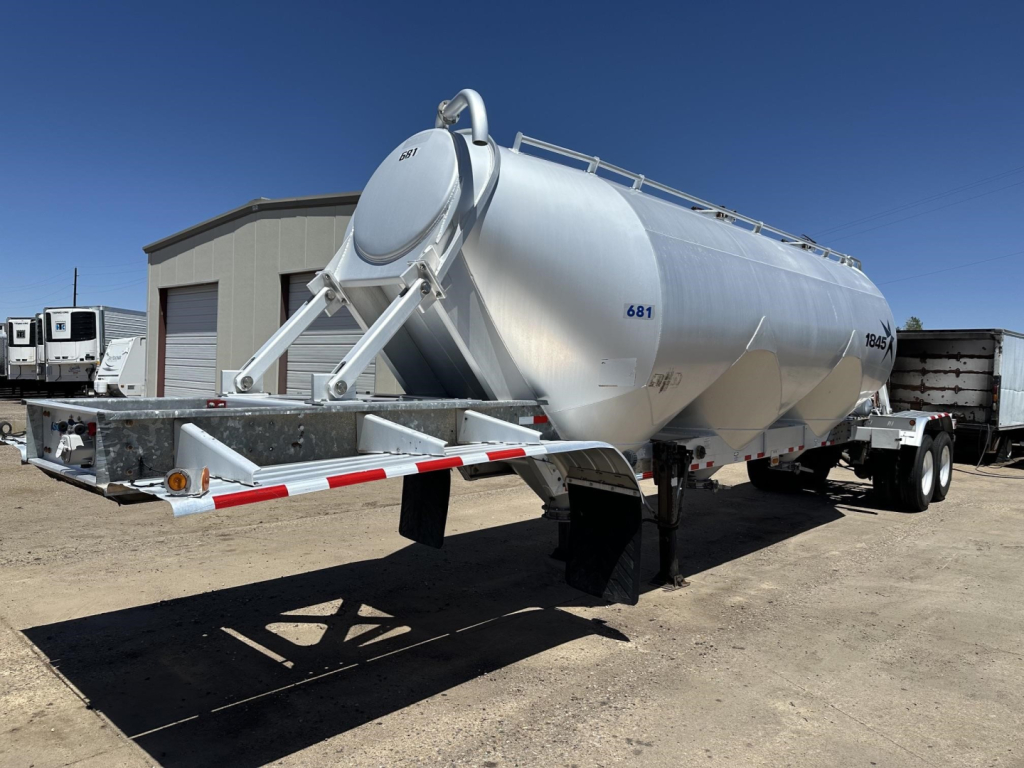
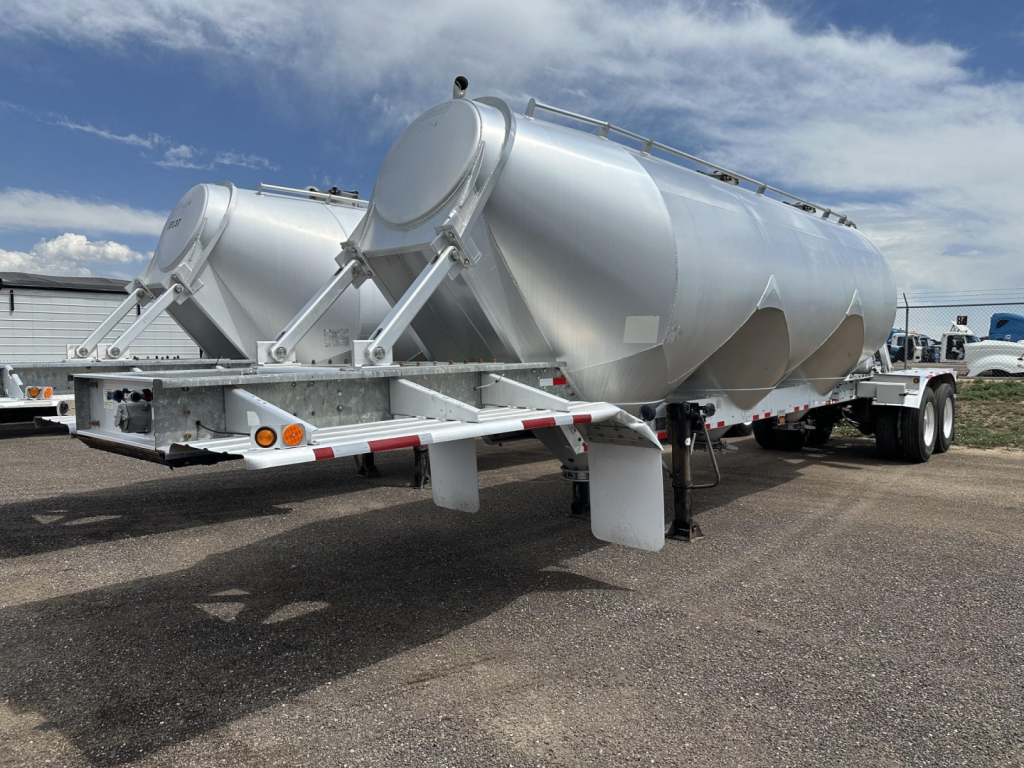
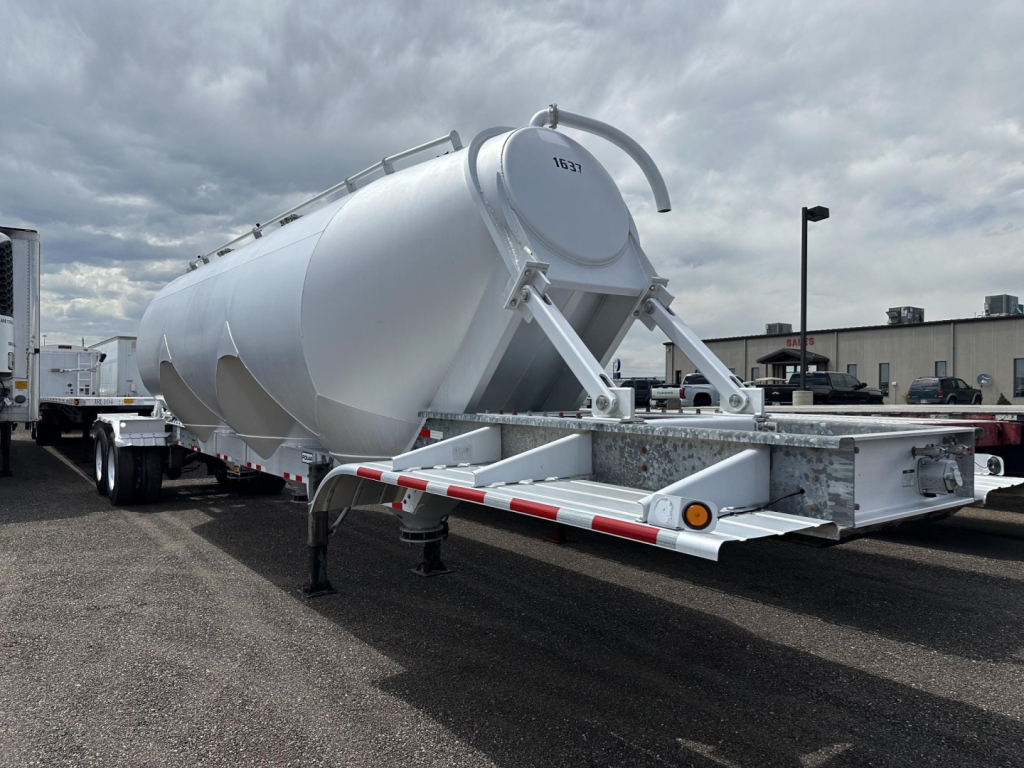
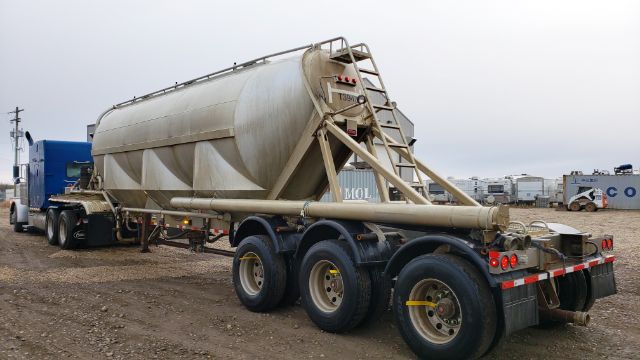
Running gear and structural condition matter as much as barrel specs on a used Polar trailer. Common configurations include tandem and tri-axle setups, with air ride or spring suspension depending on age and application. Wheel and tire specs often center on 11R22.5 rubber, and aluminum disc wheels are common on tanker and pneumatic equipment. Buyers should inspect the frame material, subframe condition, suspension wear, brake life, kingpin area, crossmember integrity, and signs of prior weld repair. On tank trailers, pay close attention to manways, valves, discharge piping, ladder mounts, fenders, and any evidence of contamination, pitting, or product residue. On pneumatic trailers, evaluate the blower or hydraulic drive arrangement, hopper cone condition, aeration system, piping, and seals, since these directly affect unload times and maintenance cost.
A used Polar trailer can be a strong fit for fleets hauling milk, edible products, chemicals, petroleum-adjacent products, dry bulk commodities, or industrial waste, but only if the specification matches the lane and compliance requirement. Sanitary buyers should confirm washout history, 3-A requirements, insulation, and material finish. Chemical buyers need to verify code stamping, liner condition, gasket compatibility, and any prior product history. Bulk buyers should look closely at tare weight, payload potential, and available unloading support equipment. The best value usually comes from a trailer with a clear service history, readable data plates, and specifications that match the freight rather than a unit that simply looks clean in photos.
Frequently Asked Questions about Used Polar Trailers
What should I check first when buying a used Polar tank trailer?
Start with the commodity requirement and the trailer’s code and construction. Confirm tank material, capacity, compartment count, code rating, insulation, lining, and discharge setup before looking at cosmetic condition. A stainless sanitary tank, a DOT 412 chemical tank, and a waste or sludge tank may all look similar in a listing, but they are built for very different service. Also verify the data plate, prior product history, and whether the trailer’s valves, seals, and fittings match the product you intend to haul.
Are used Polar trailers only tank trailers?
No. Polar is strongly associated with tank trailers, but used Polar trailers can also include pneumatic dry bulk models and other specialized bulk hauling configurations. A pneumatic Polar trailer is typically used for commodities like cement, sand, fly ash, or plastic resin and should be evaluated based on hopper layout, blower or hydraulic system, aeration components, and overall unloading condition. The correct trailer depends on whether you are hauling liquid, food-grade product, chemicals, or dry bulk material.
How important is code rating on a used Polar trailer?
Code rating is critical because it determines what products the trailer can legally and safely haul. A non-code trailer may be suitable for certain food-grade or non-hazardous applications, while a DOT-coded trailer such as a DOT 412 unit is required for specific chemical service. Buyers should confirm the actual code plate, test status, and any required recertification rather than relying only on the seller’s description. If the code does not match your freight, the trailer may have limited value to your operation.
What are common specs found on used Polar trailers?
Common specs include stainless steel or aluminum construction, tandem or tri-axle configuration, air ride or spring suspension, 11R22.5 tires, aluminum wheels, and capacities ranging from a few thousand gallons on liquid tanks to high-volume cubic-meter ratings on pneumatics. You may also see insulated barrels, straight-round tanks, single or multiple compartments, rear discharge plumbing, vapor recovery systems, pressure manholes, and specialty linings. The useful spec is not the biggest tank or newest suspension, but the combination that matches axle laws, payload goals, and unload requirements.
How do I evaluate condition on a used Polar pneumatic or tanker trailer?
Look beyond the barrel skin and inspect the trailer as a working system. On tankers, check the shell for dents, corrosion, pitting, contaminated residue, compromised insulation, worn valves, and damaged plumbing. On pneumatic trailers, inspect hopper cones, aeration pads, piping, seals, and the blower or hydraulic drive setup. For both types, review suspension condition, brake wear, wheel-end history, frame integrity, kingpin wear, and any repairs around the subframe or crossmembers. A clean trailer with poor mechanical condition can become more expensive than a rougher unit with solid maintenance records.