
Used Polar Trailers For Sale in Colorado
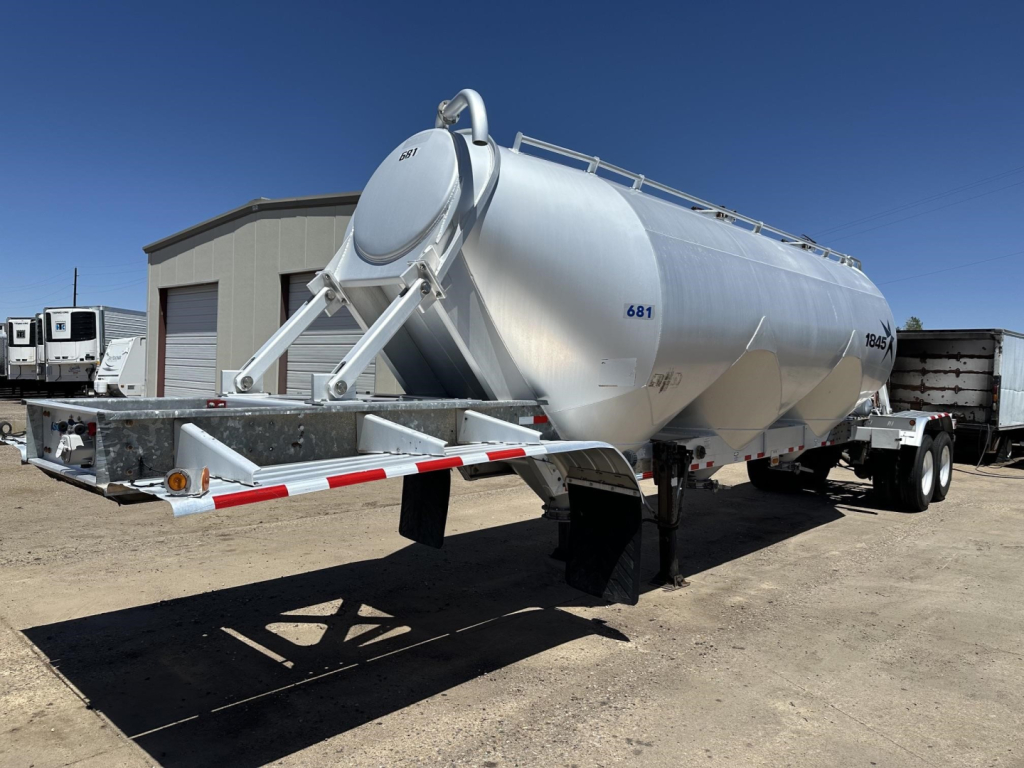
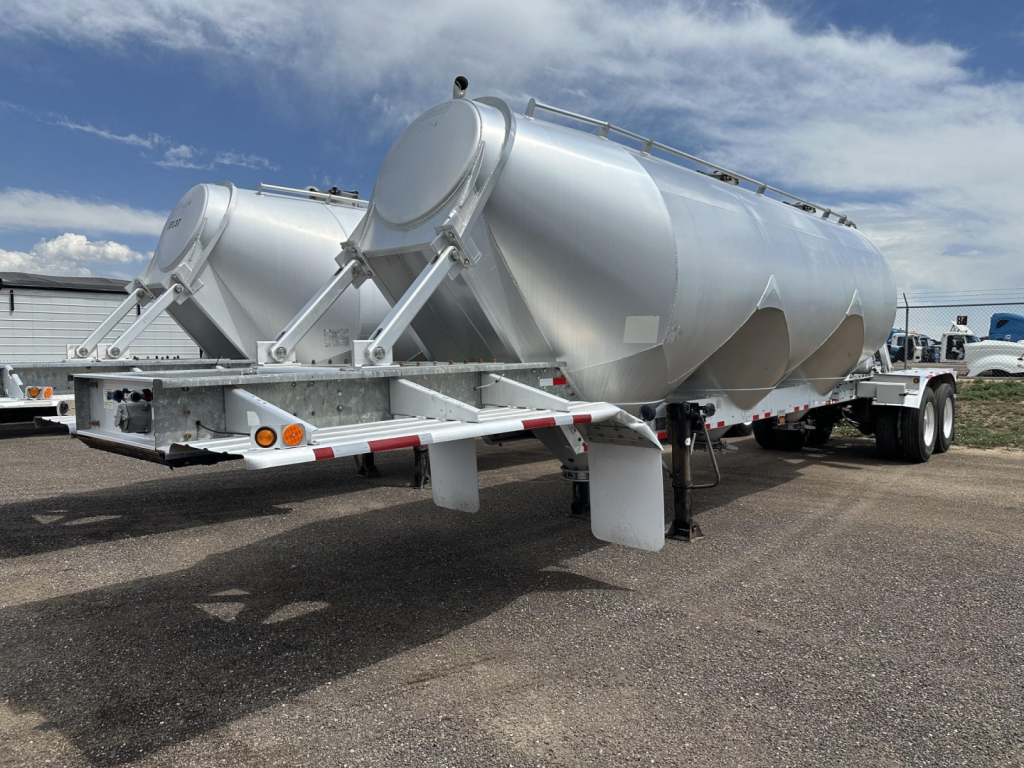
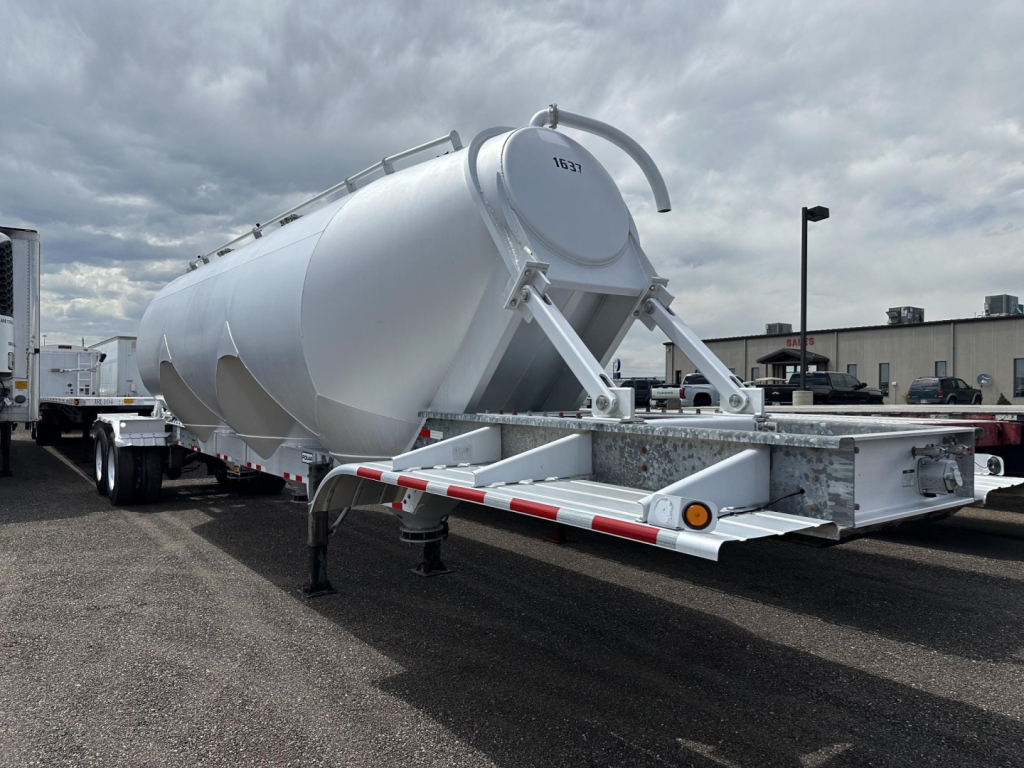
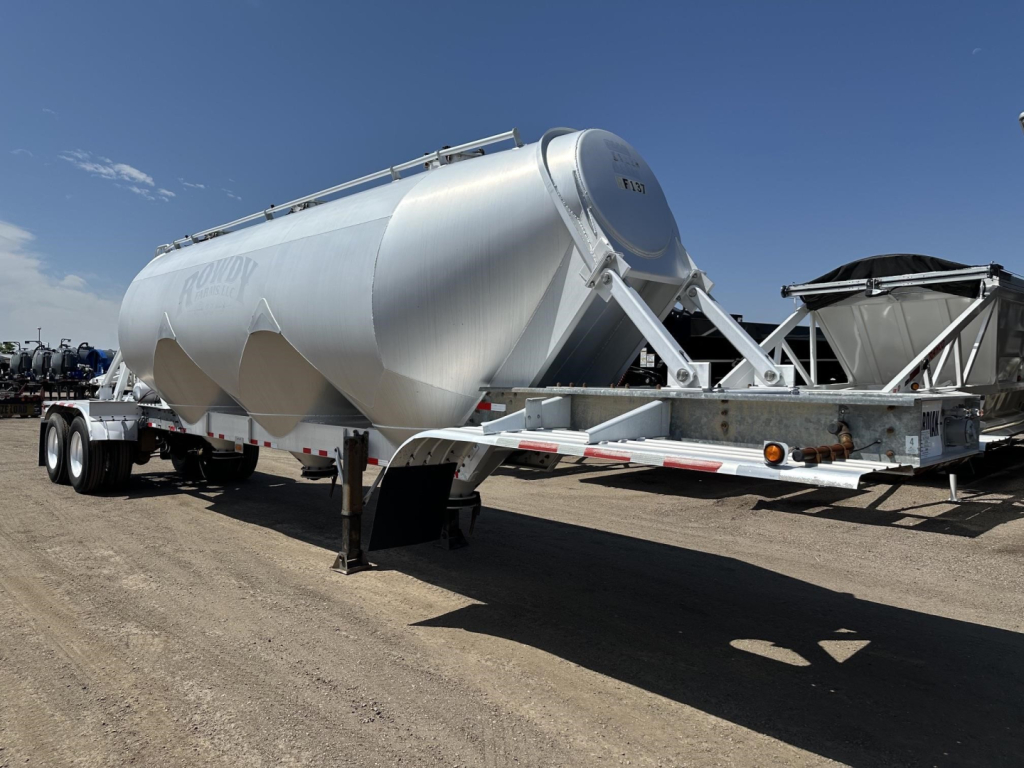
Browse used Polar trailers for sale, including dry bulk pneumatic models with aluminum construction, air ride suspensions, and multi-hopper setups.
Selling a used polar trailer? List your used polar trailer for sale and reach thousands of commercial buyers.
Used Polar Trailers in Colorado
A lot of the important buying decisions start with the barrel and discharge layout. Listings in this class commonly include 1,000 cubic foot units around 41 feet long with 3-hopper configurations, gravity drop discharge, rear blow-in plumbing, and dome lid access on top. That kind of setup is popular for dry bulk operations that need efficient unloading and commodity segregation across hoppers. Buyers should verify the number of hoppers, the size and condition of the cones, the condition of the aeration system, and whether the plumbing matches the blower and hose setup already used in the fleet. Product residue, patched aluminum, worn valves, and neglected seals can all affect unload times and contamination risk.
Running gear matters just as much as tank capacity. Many used Polar trailers in this segment are spec'd with closed tandems, air ride suspension, 11R24.5 tires, and aluminum wheels. An adjustable coupler is a practical feature because kingpin height and fifth wheel settings vary across road tractors, especially in mixed fleets. Raised axles can help with tire wear and bridge law flexibility, but they also add another inspection point for suspension, controls, and alignment. On a used dry bulk trailer, smart buyers pay close attention to landing gear wear, frame and substructure condition, upper rail cracks, ladder and safety rail integrity, and signs of hard service around the rear discharge area.
Colorado buyers often need to think about route elevation, seasonal weather, and plant-to-jobsite conditions. Air systems, valves, and seals that look acceptable on paper can become a problem in cold weather or at higher altitude if maintenance has been inconsistent. It also helps to confirm wheelbase, axle spread, and overall spec against the commodities being hauled and the customer sites being served. Polar trailers have a strong reputation in the bulk market, but a used unit should always be evaluated as a working piece of process equipment, not just a trailer chassis. The best choice is the one with a clean vessel, sound aluminum structure, compatible discharge equipment, and a maintenance history that supports reliable unloading.
Frequently Asked Questions about Used Polar Trailers in Colorado
What are used Polar pneumatic trailers typically used for?
Used Polar pneumatic trailers are typically used for hauling dry bulk commodities such as cement, fly ash, lime, sand, flour, and other powdered materials that unload through air pressure or gravity-assisted systems. The exact application depends on the trailer’s cubic capacity, hopper count, plumbing layout, and discharge setup. Buyers should match the trailer to both the product being hauled and the unloading method required by their customers or terminal locations.
What should I inspect first on a used Polar dry bulk trailer?
Start with the barrel, cones, and discharge system because those components directly affect unload performance and product integrity. Check for cracks in the aluminum, signs of previous weld repair, worn hopper valves, leaking seals, damaged aeration lines, and contamination inside the vessel. After that, inspect the suspension, axles, tires, landing gear, coupler area, and rear framework, especially around ladders, blow-in lines, and discharge plumbing where hard use is common.
Is a 1,000 cubic foot Polar trailer a good general-purpose dry bulk size?
A 1,000 cubic foot dry bulk trailer is a common fleet spec because it offers useful capacity without becoming too specialized for everyday bulk work. It can fit a wide range of commodity densities, but the actual payload depends on product weight and legal axle limits. Buyers should evaluate cubic capacity together with tare weight, axle configuration, and the density of the intended commodity rather than assuming more volume always means more revenue load.
Why does hopper count matter on a used Polar bulk trailer?
Hopper count affects discharge control, unload efficiency, and how the trailer handles different commodities. A 3-hopper trailer is common because it can improve product flow and give the operator better control during unloading. More hoppers also mean more valves, seals, and potential maintenance points, so buyers should balance operational flexibility against service complexity when comparing used units.
Are air ride and adjustable couplers important on used Polar trailers?
Yes. Air ride suspension helps protect the trailer and product from road shock, and it is a preferred spec in many bulk applications because it supports ride quality and component longevity. An adjustable coupler is also valuable in mixed tractor fleets because it helps align trailer height with different fifth wheel settings. On a used trailer, both features should be inspected carefully for wear, proper operation, and signs of deferred maintenance.