
Used 2012 Pneumatic - Dry Bulk Trailers For Sale in Colorado
Shop used 2012 pneumatic dry bulk trailers in Colorado. Compare cubic capacity, hopper layout, discharge style, suspension, and axle setup.
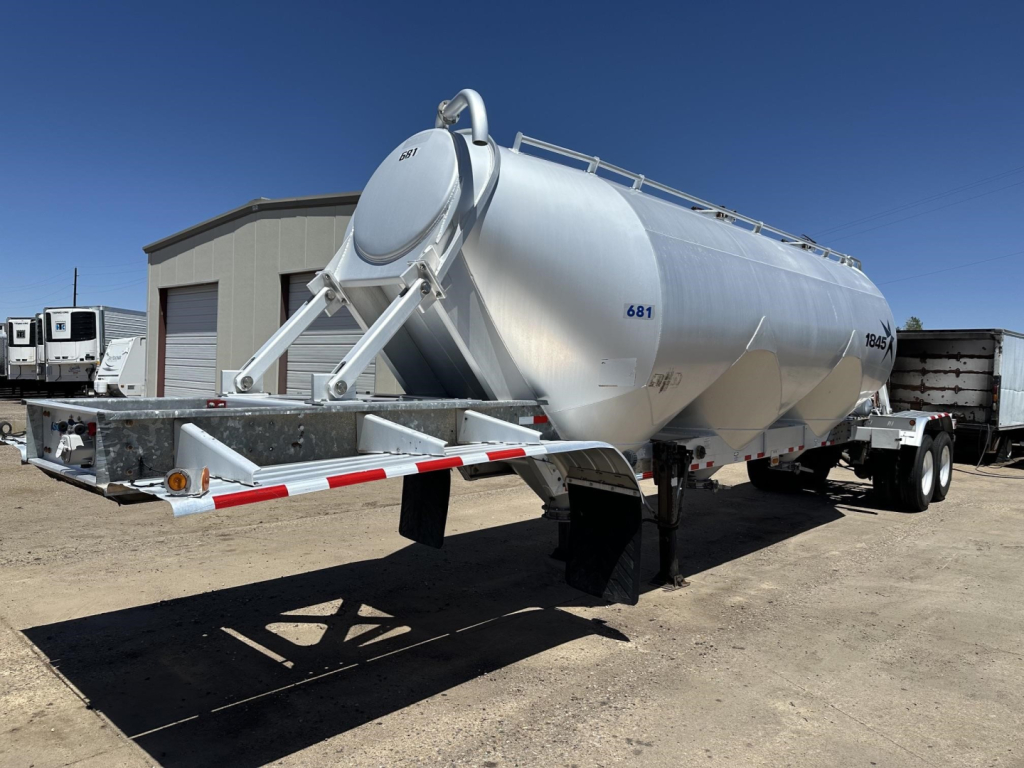
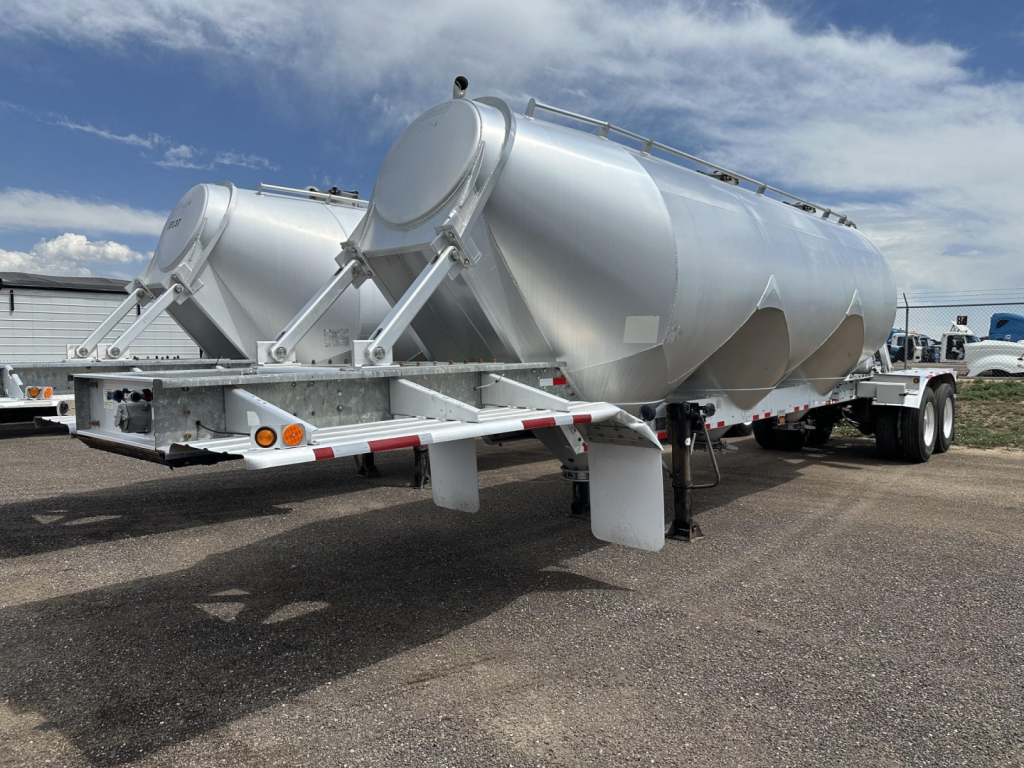
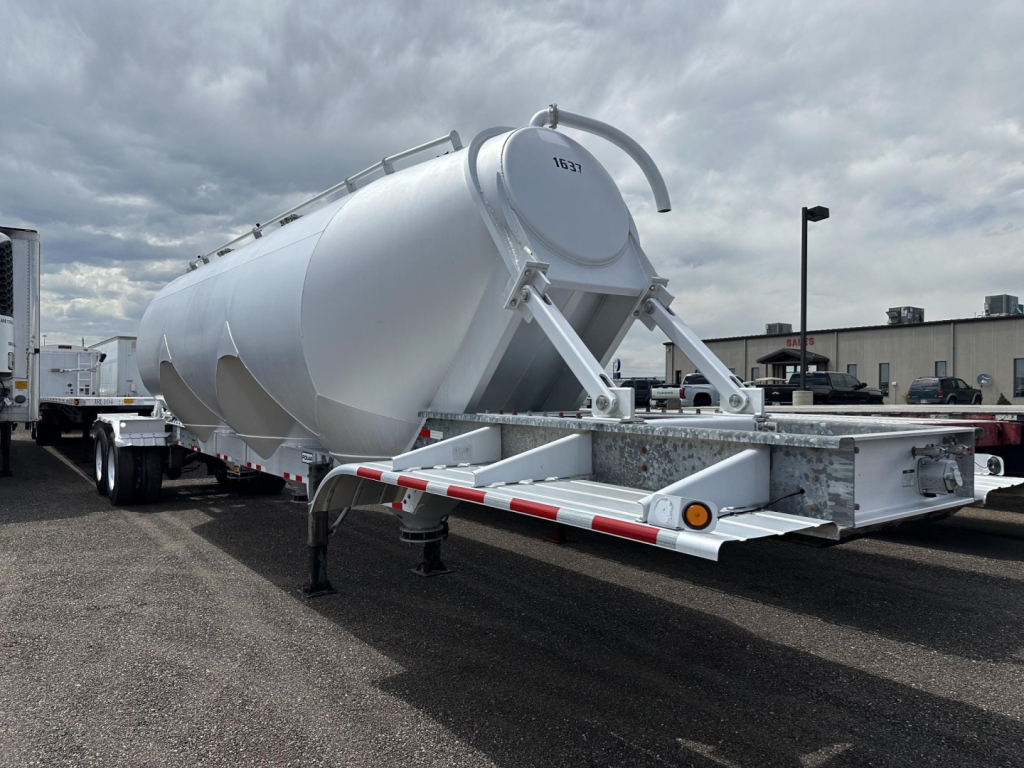
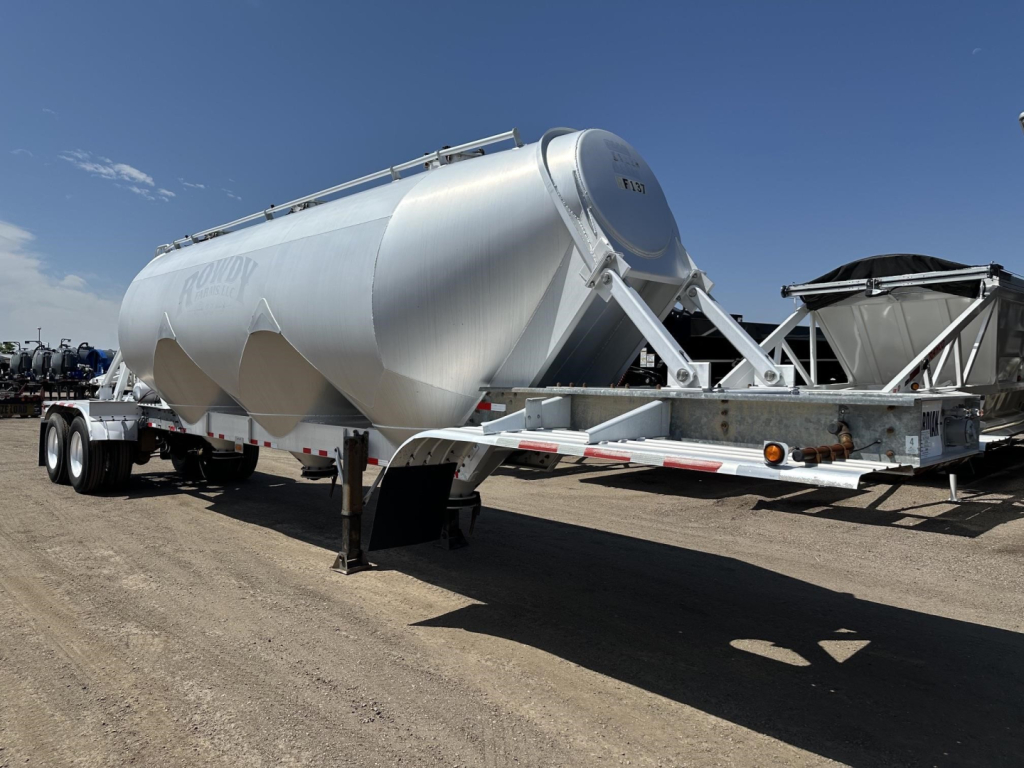
Selling a used 2012 pneumatic - dry bulk trailer? List your used 2012 pneumatic - dry bulk trailer for sale and reach thousands of commercial buyers.
Used 2012 Pneumatic - Dry Bulk Trailers in Colorado
Frequently Asked Questions about Used 2012 Pneumatic - Dry Bulk Trailers in Colorado
What should I check first on a used 2012 pneumatic dry bulk trailer?
Start with the tank barrel, hopper cones, discharge plumbing, and frame attachment points. Look closely for weld repairs, stress cracking around hopper transitions, corrosion at fittings, and signs of product contamination or moisture intrusion. Then inspect suspension components, axle alignment, brakes, tires, landing gear, and the condition of the dome lids and seals. On a pneumatic trailer, the condition of the piping, valves, gaskets, and blower hookups matters just as much as the shell because unloading performance depends on an airtight system.
What is the difference between rear discharge and gravity drop on a dry bulk trailer?
Rear discharge systems move product toward the back of the trailer through the pneumatic plumbing and are common in bulk powder operations that need controlled unloading into a silo or plant connection. Gravity drop configurations rely more directly on the hopper design and outlet arrangement to feed product downward before air pressure assists the transfer. The right choice depends on the commodity, customer unload setup, and how often drivers need to connect hoses or work in tight delivery areas. Matching the trailer plumbing to your shippers and receivers is more important than choosing by brand alone.
Is a 1,000 cubic foot pneumatic trailer a good size for most operations?
A 1,000 cubic foot dry bulk trailer is a common middle-ground specification because it suits a wide range of bulk materials without becoming too specialized. It can work well for cement, fly ash, lime, and similar products, but the best size still depends on commodity density. Heavier materials can gross out before the trailer is full, while lighter products may require more cubic capacity to maximize revenue per trip. Buyers should compare cube, tare weight, axle spacing, and legal payload on the lanes they actually run.
Why do suspension and axle specs matter on pneumatic dry bulk trailers?
Air ride suspension is popular on dry bulk trailers because it helps protect the tank structure, improves ride quality, and can reduce product shifting stress compared with harsher setups. Axle configuration affects bridge compliance, tire wear, stability, and how easily the trailer handles plant yards, rural roads, and uneven job sites. Features like closed tandems, raised axles, and 11R22.5 or 11R24.5 tires can all influence maintenance cost and operating flexibility. Buyers running Colorado routes should pay close attention to weight distribution and terrain-related wear.
Are older pneumatic dry bulk trailers still a good value?
A well-maintained 2012 pneumatic dry bulk trailer can still be a productive asset if the tank, running gear, and discharge system have been properly cared for. These trailers often stay in service for many years because the basic design is durable and parts support remains available for common makes. Value comes down to structural condition, leak-free plumbing, brake and suspension health, and how closely the trailer's configuration matches your commodity and customer requirements. A cheaper trailer that unloads slowly or needs repeated valve and line repairs can cost more over time than a cleaner, better-spec unit.