
Used 2012 Pneumatic - Dry Bulk Trailers For Sale
Browse used 2012 pneumatic dry bulk trailers, including cement and sand tanks, with specs on capacity, hoppers, discharge layout, and suspension.

Selling a used 2012 pneumatic - dry bulk trailer? List your used 2012 pneumatic - dry bulk trailer for sale and reach thousands of commercial buyers.
Used 2012 Pneumatic - Dry Bulk Trailers
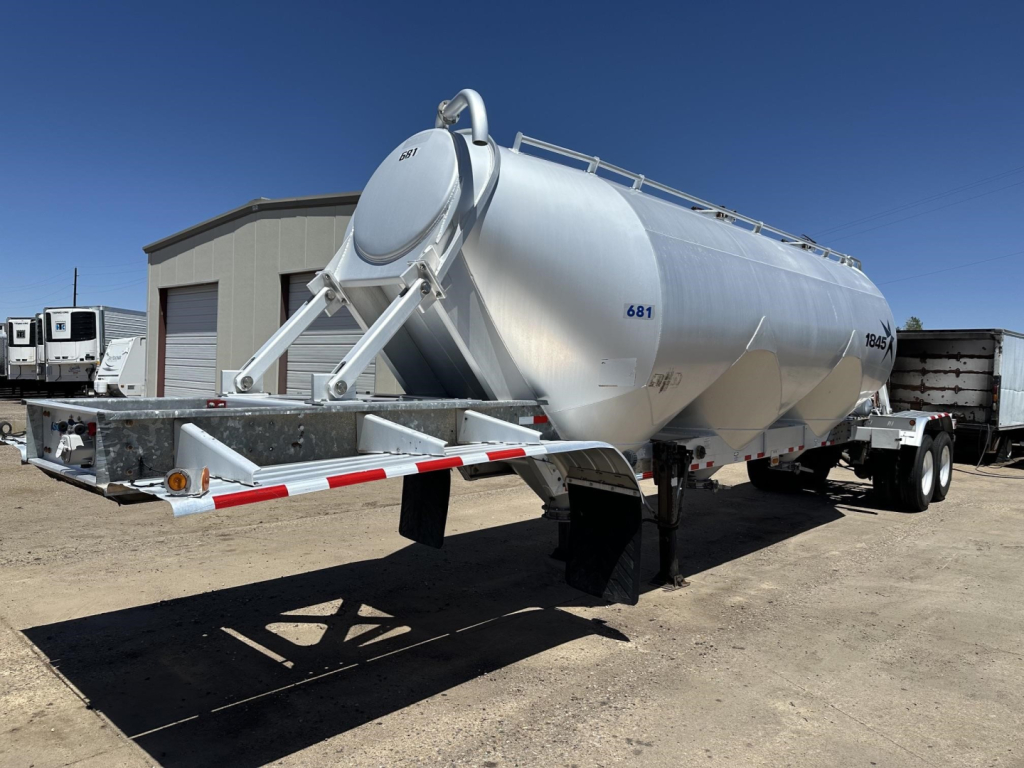
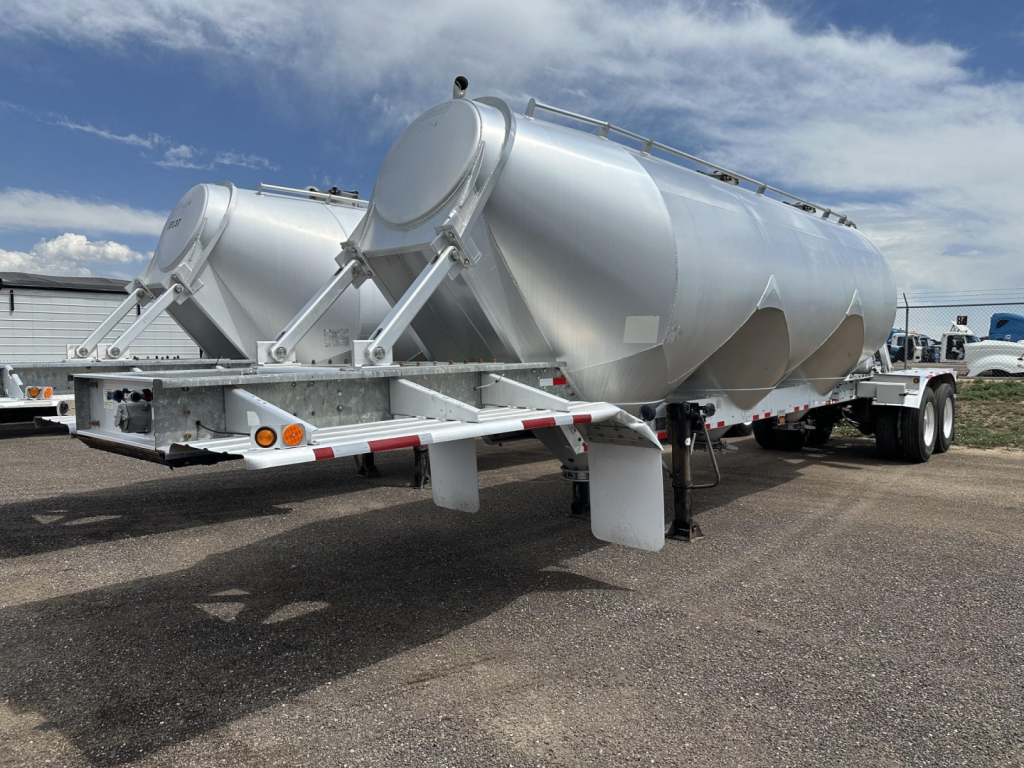
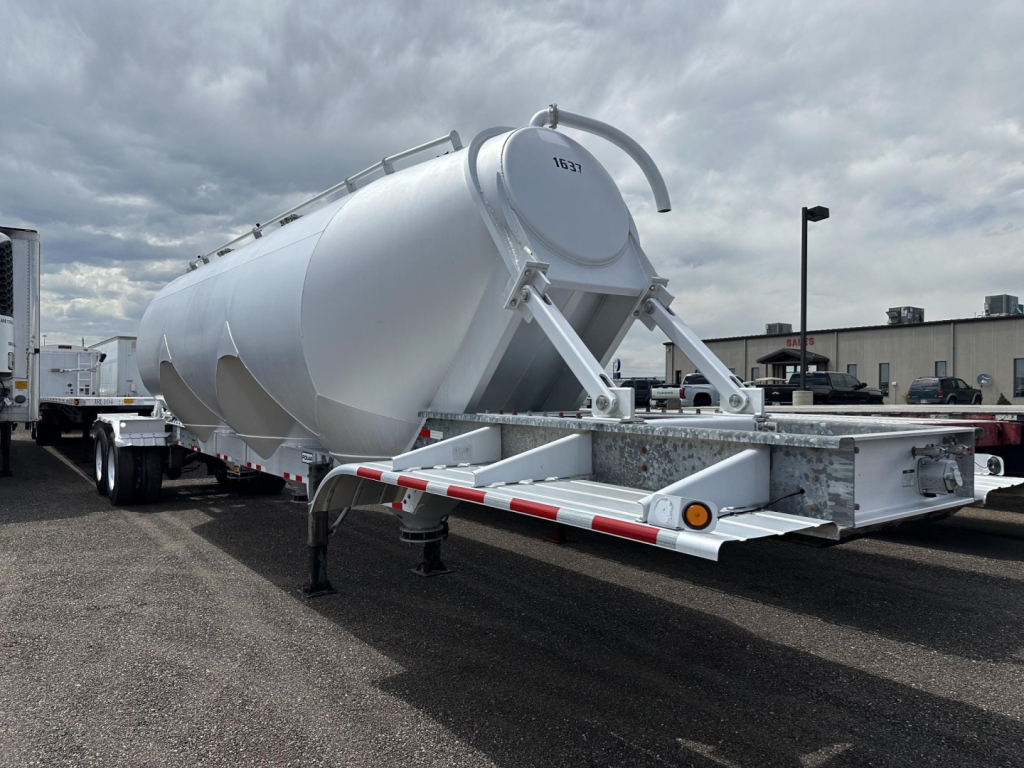
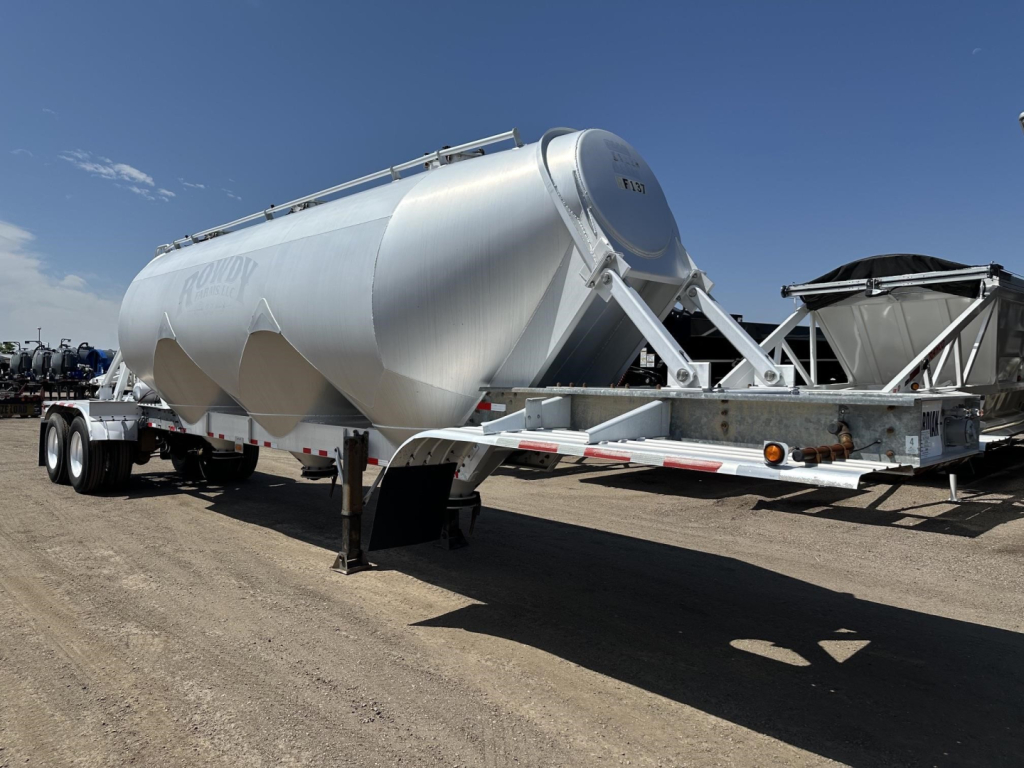
Capacity, hopper layout, and discharge design are usually the first decision points. Many trailers in this class fall around 1,000 cubic feet, with common lengths near 41 to 42 feet and tandem axle configurations. Three-hopper layouts are common because they help product flow and improve unload efficiency. Buyers should confirm whether the trailer is set up for gravity drop, rear blow-in piping, straight pipe discharge, or discharge over the axles, since that affects site compatibility and unload time. Aeration style also matters. C-pad and flow cone systems are both common, but product type drives which one performs better with cement, sand, soda ash, fly ash, or similar materials.
On a used 2012 pneumatic trailer, condition matters more than age alone. Inspect the barrel material, usually aluminum with steel substructure components, and look closely at hopper seams, manholes, dome lids, butterfly valves, tees, and discharge plumbing. Check line and tank pressure gauges, look for air leaks, and verify the condition of the blower hookups and hose tubes. Suspension specs such as air ride, closed tandem spacing, raised axles, and kingpin setting affect both ride quality and how the trailer fits your fleet. Tire size, wheel material, brake percentage, landing gear condition, and coupler adjustability are also worth reviewing because small differences can change maintenance cost quickly.
A buyer comparing used 2012 dry bulk pneumatics should also match the trailer to the product lane. Sand service is harder on barrels, valves, and piping because of abrasion. Cement and fly ash operations put more emphasis on aeration performance and moisture control. Some trailers are configured with rear ladders, safety rails, catwalks, work lights, and fenders that make them better suited for plant work and frequent loading cycles. The right trailer in this category is less about brand name alone and more about how the cubic capacity, material spec, discharge arrangement, and maintenance history line up with the commodity you plan to haul.
Frequently Asked Questions about Used 2012 Pneumatic - Dry Bulk Trailers
What is a pneumatic dry bulk trailer used for?
A pneumatic dry bulk trailer is used to haul dry bulk commodities such as cement, fly ash, lime, sand, soda ash, flour, and plastic resin. These trailers unload product using air pressure, aeration, gravity-assisted flow, or a combination of those methods. The exact setup depends on the commodity, the customer site, and the discharge equipment connected during unloading.
What should I check first on a used 2012 pneumatic dry bulk trailer?
Start with the barrel, hoppers, and discharge system. Check for cracks, patches, corrosion, worn valves, damaged piping, and signs of air leaks around fittings and manholes. After that, inspect brakes, tires, suspension, landing gear, wheels, and gauges. A used dry bulk trailer can still have strong value if the tank and air system are sound, but deferred maintenance in the plumbing or running gear can become expensive quickly.
How much capacity does a pneumatic dry bulk trailer usually have?
Many pneumatic dry bulk trailers are in the 1,000 to 1,350 cubic foot range, though exact capacity depends on the commodity and axle setup. Lighter products may allow higher cube utilization, while heavier products like cement can limit legal payload before the trailer is full by volume. Buyers should match cubic capacity to product density, route weights, and state bridge laws rather than looking at cubic feet alone.
What is the difference between a cement tank and a sand tank?
A cement tank and a sand tank are both pneumatic dry bulk trailers, but they are usually configured differently for product flow and wear resistance. Sand service often requires heavier-duty piping and valves because the material is more abrasive. Cement service places more emphasis on proper aeration and smooth discharge. The barrel may look similar from a distance, but the internal flow aids, discharge layout, and component wear pattern can be very different.
Are aluminum pneumatic trailers better than steel?
Aluminum pneumatic trailers are popular because they reduce tare weight and resist corrosion, which can improve payload and long-term operating efficiency. Steel components are still common in subframes, end frames, discharge sections, and other wear areas. The better choice depends on commodity, operating environment, and maintenance history. In used equipment, overall structural condition and repair quality matter more than material type by itself.