
Used Pneumatic - Dry Bulk Trailers For Sale
Used pneumatic dry bulk trailers for hauling cement, lime, sand, fly ash, and other powders. Compare capacities, hopper layouts, piping, and suspension.
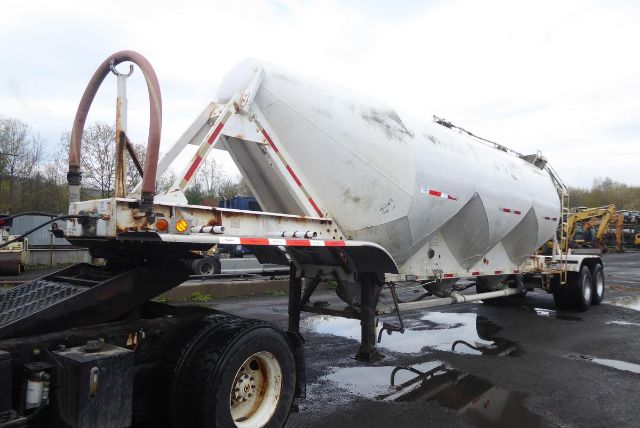
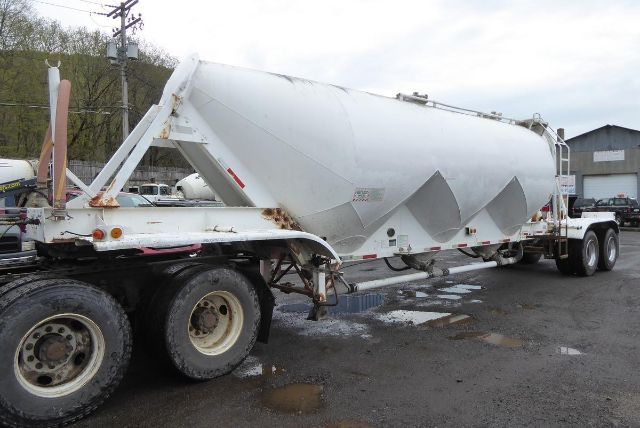

Selling a used pneumatic - dry bulk trailer? List your used pneumatic - dry bulk trailer for sale and reach thousands of commercial buyers.
Used Pneumatic - Dry Bulk Trailers
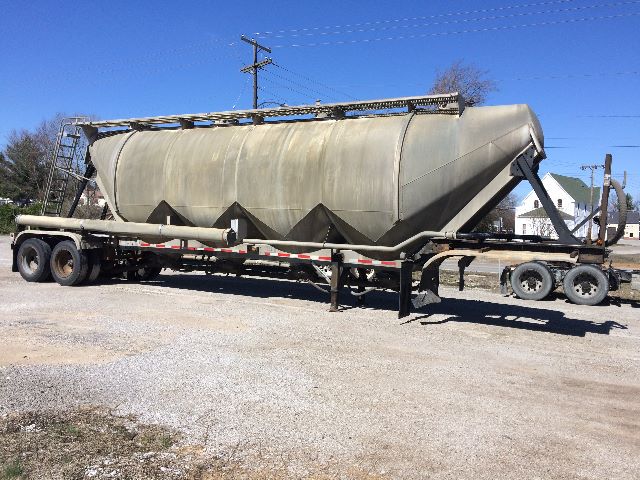
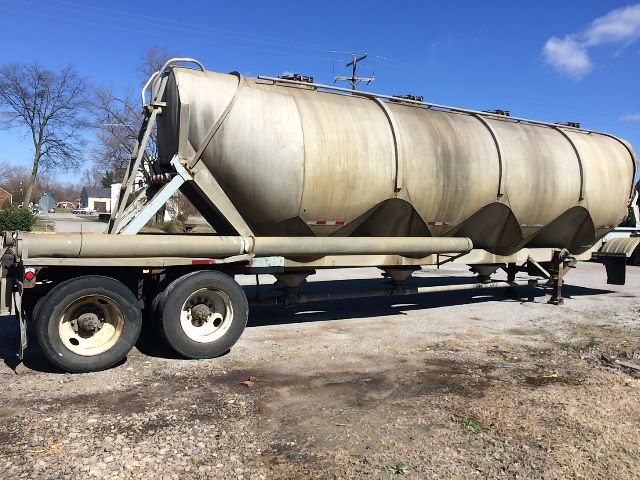
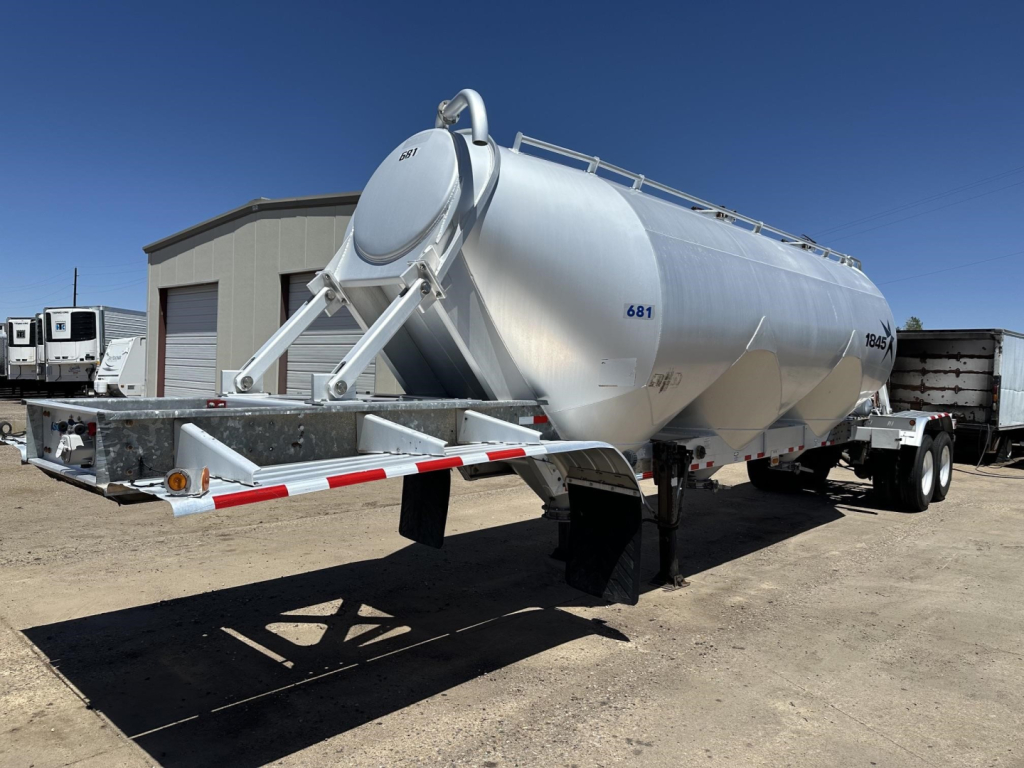
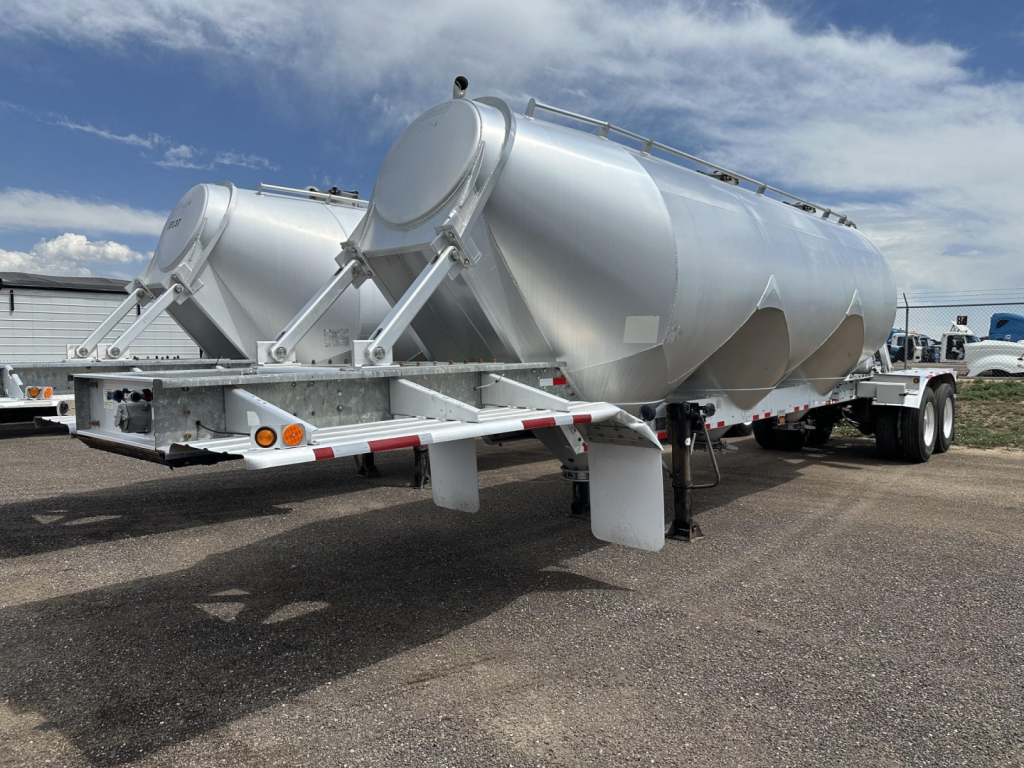
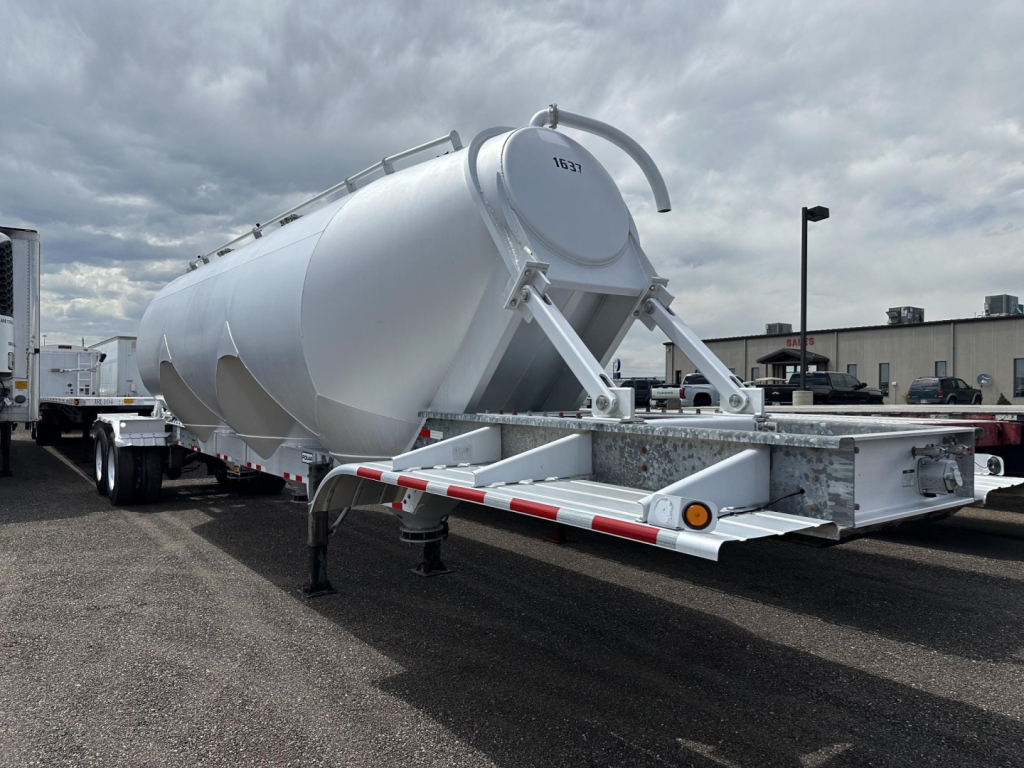
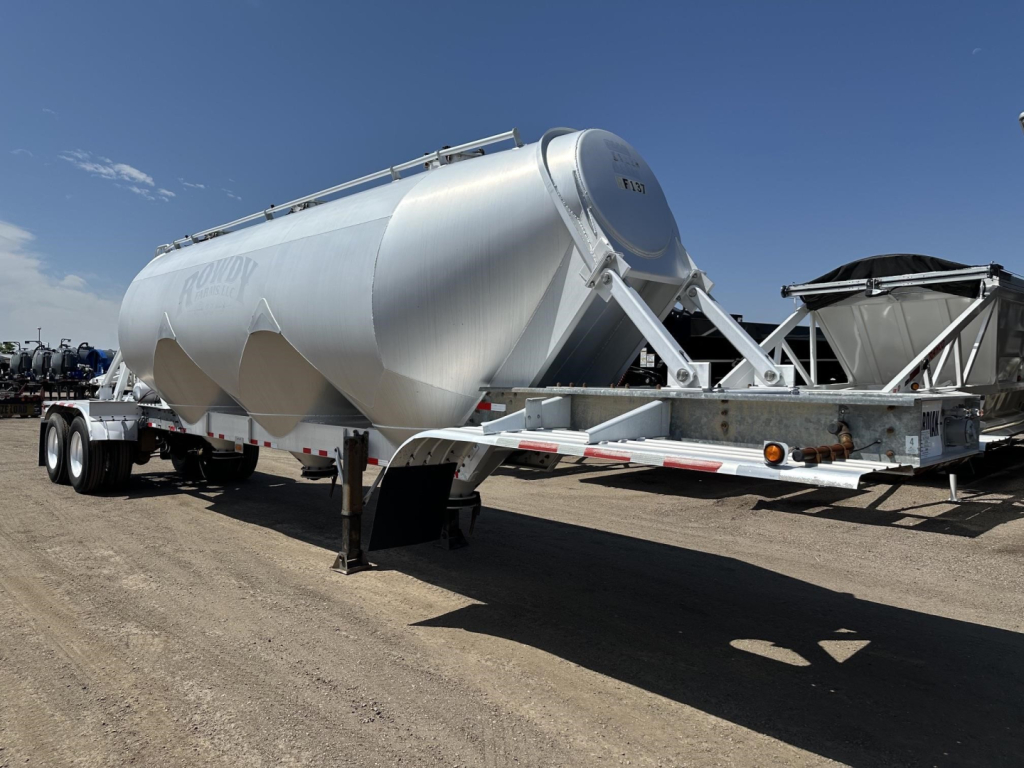
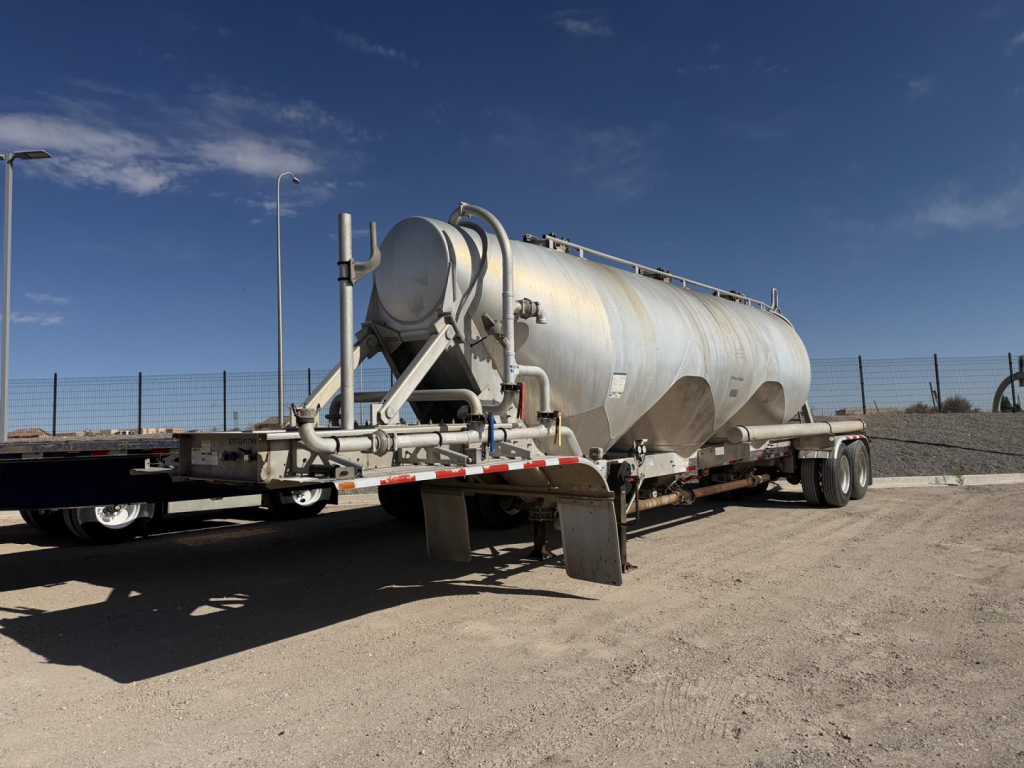
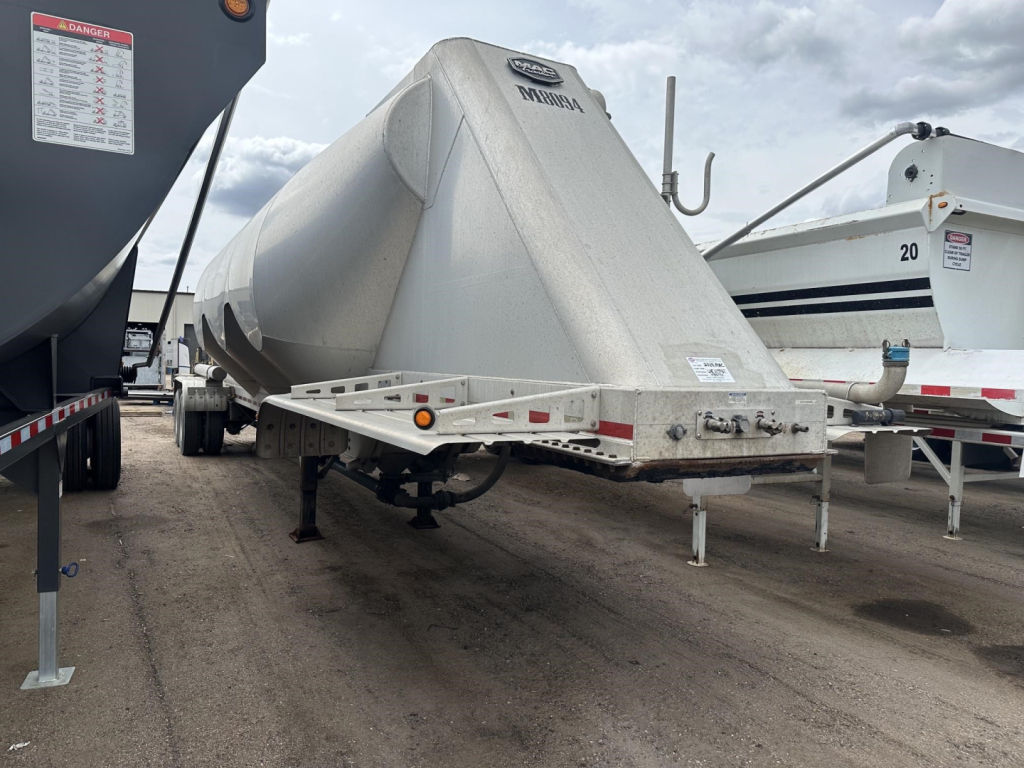
Capacity on used pneumatic trailers commonly ranges from about 900 to 1,550 cubic feet, with 1,000 to 1,050 cu ft units being a common middle ground and larger 1,350 to 1,550 cu ft tanks used for lighter products. Aluminum barrels are popular because they keep tare weight down and improve payload, while steel subframes, end frames, piping, or tees may still be used in high-wear areas. Most used units are tandem axle trailers in 40-foot to 43-foot lengths with 96-inch width, air ride suspension, and either fixed or raised-center axle configurations. Hopper count is typically three, with multiple manholes, 4-inch product pipe or similar plumbing, and 5-inch product valves being common on cement and bulk powder applications.
Condition details deserve close attention on this trailer class because pneumatic systems are only as good as their seals, valves, piping, and tank integrity. Buyers should inspect the barrel for cracking around saddles and mounts, check aeration pads and hopper cones, verify that butterfly valves seal properly, and look at wear in the discharge plumbing, tees, and under-axle or over-axle piping. Suspension setting, kingpin setting, landing gear condition, brake percentages, tire size, and wheel type all affect day-to-day operating cost. Frame repairs and rear section rebuilds can add value if the work was done correctly, especially on older units, but documentation matters.
A good used dry bulk trailer should match the blower setup and route profile it will actually run. Heavier commodities favor smaller cubic-foot tanks with strong structural condition and dependable valves. Lighter products can justify higher-capacity tanks where payload is limited by cube instead of weight. Buyers moving between plants, terminals, and paving or ready-mix jobs should also consider hose storage, cabinet layout, ladder and catwalk access, gauge placement, and how easy the trailer is to clean between loads. On this equipment class, the right spec is less about model year and more about commodity compatibility, unload efficiency, and the condition of the pneumatic system.
Frequently Asked Questions about Used Pneumatic - Dry Bulk Trailers
What is a pneumatic dry bulk trailer used for?
A pneumatic dry bulk trailer is used to haul dry powdered or granular commodities that unload through an air-powered discharge system. Common freight includes cement, lime, fly ash, sand, flour, plastic pellets or resin, and soda ash. These trailers are designed for products that need enclosed transport and clean pneumatic unloading into silos, storage bins, or plant systems.
What capacity should I look for in a used dry bulk trailer?
The right capacity depends on the product’s density. Dense commodities like cement and sand usually pair better with smaller cubic-foot trailers so the load stays legal on gross weight. Lighter products such as fly ash or some resins often use larger tanks in the 1,300 to 1,550 cubic foot range to maximize cube. Capacity should be evaluated alongside empty weight, axle layout, and the legal payload on your lanes.
What should I inspect on a used pneumatic bulk trailer before buying?
Focus on the barrel, hopper cones, aeration system, valves, and discharge plumbing first. Check for cracks, weld repairs, corrosion, worn tees, leaking butterfly valves, damaged manhole seals, and any signs of air loss. Then inspect the running gear, including suspension, brakes, tires, hubs, landing gear, and kingpin area. Service records and documentation for frame or suspension repairs are especially valuable on older trailers.
Are aluminum pneumatic trailers better than steel?
Aluminum pneumatic trailers are common because they reduce tare weight and improve payload, which matters on bulk commodities. Steel still has a place in subframes, end frames, and piping because it can hold up well in wear areas. The better choice is usually the one that balances payload, structural condition, and resistance to the product being hauled. Material alone does not determine value if the pneumatic system or frame condition is poor.
How important are valve size and discharge pipe layout on a dry bulk trailer?
Valve size and pipe layout directly affect unload speed, product flow, and maintenance cost. Many trailers use 4-inch product piping with 5-inch butterfly valves, but the ideal setup depends on the commodity and blower system. Under-axle versus over-axle discharge routing, gravity drop tees, and the condition of fittings all influence how efficiently the trailer unloads and how much material is left behind. Buyers should match the trailer plumbing to their terminal requirements and commodity flow characteristics.