
Used Pneumatic - Dry Bulk Trailers For Sale in Colorado
Used pneumatic dry bulk trailers for hauling cement, lime, sand, fly ash, and other powders. Compare capacity, hopper layout, discharge, and suspension.
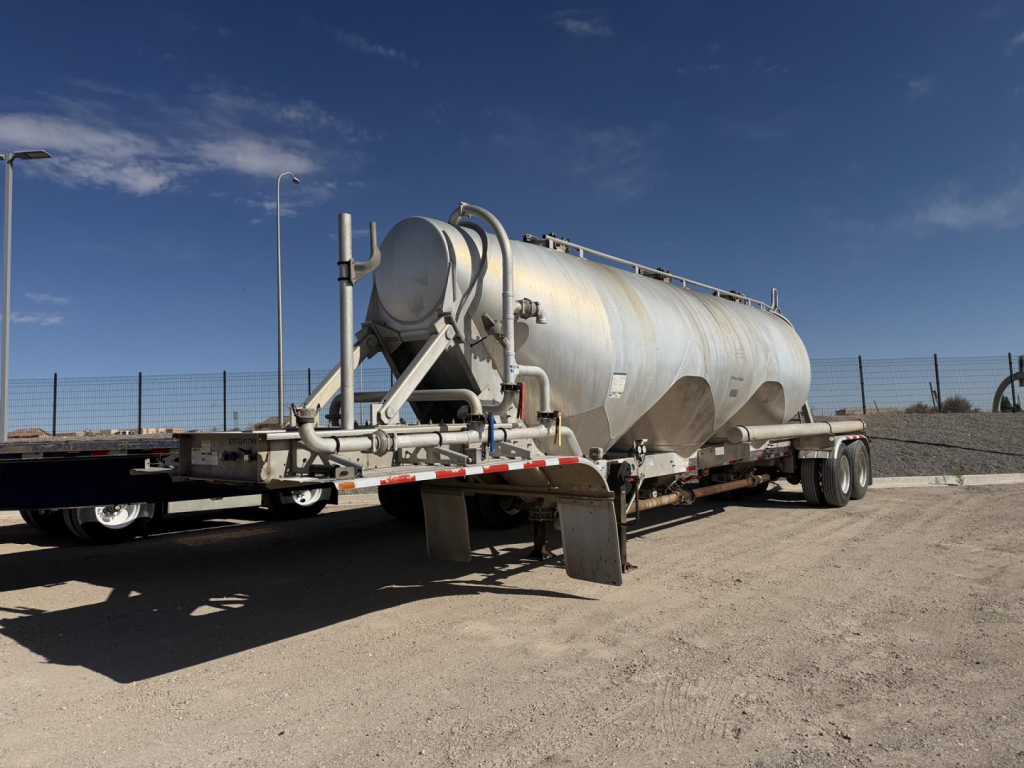
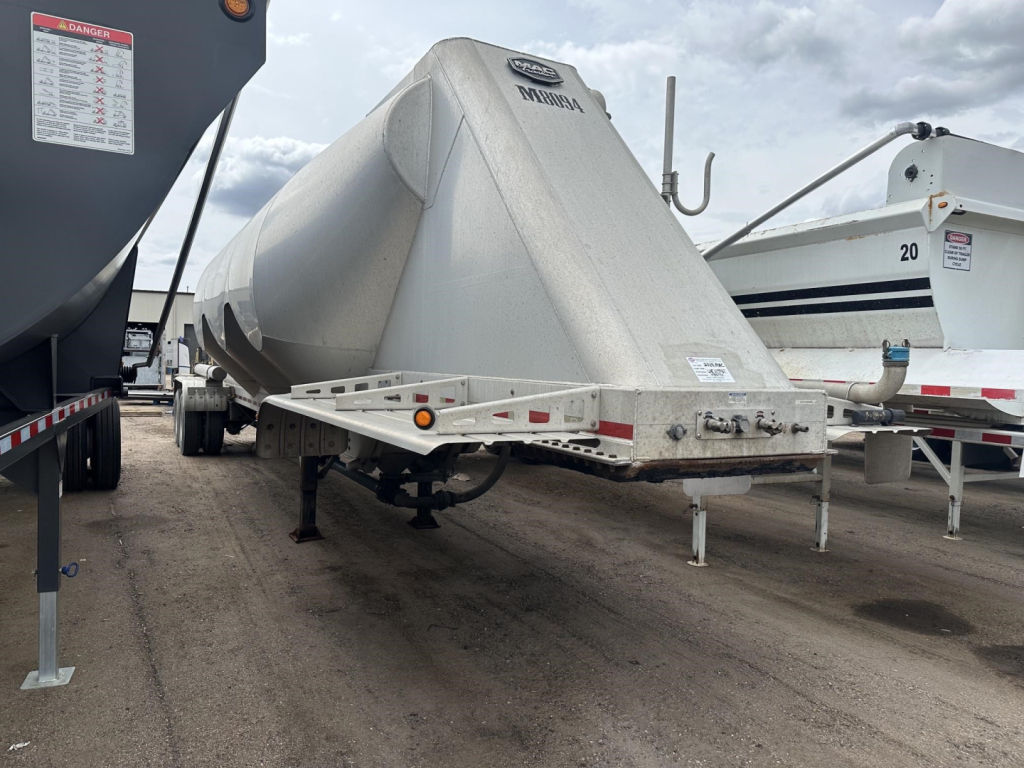
Selling a used pneumatic - dry bulk trailer? List your used pneumatic - dry bulk trailer for sale and reach thousands of commercial buyers.
Used Pneumatic - Dry Bulk Trailers in Colorado
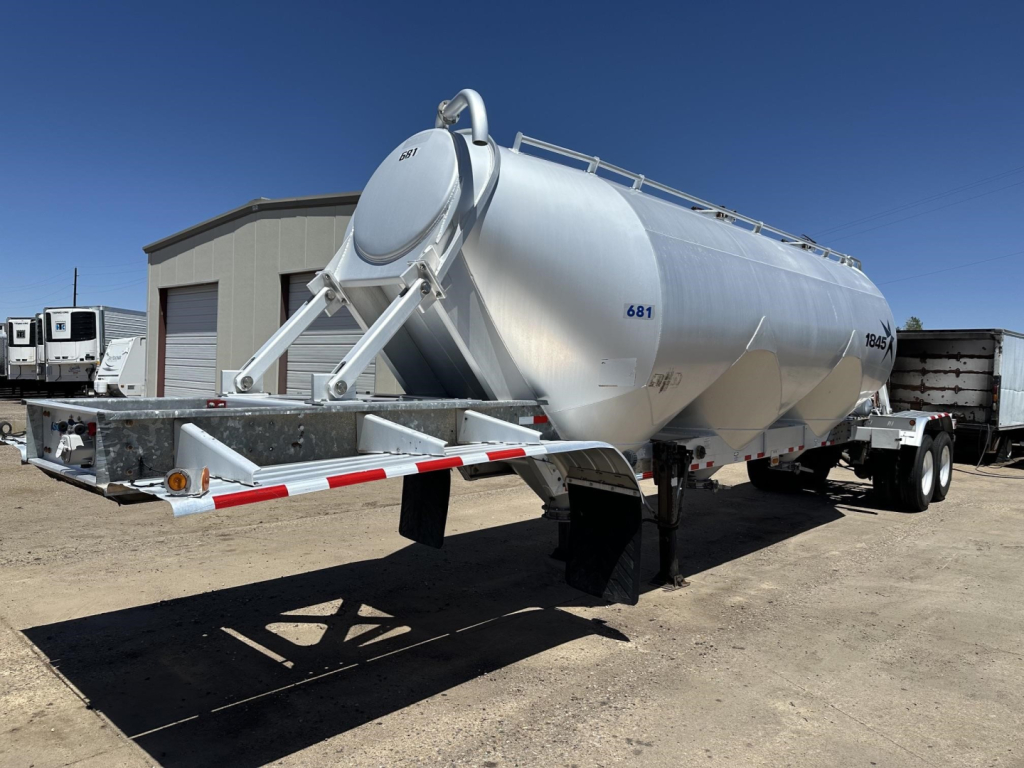
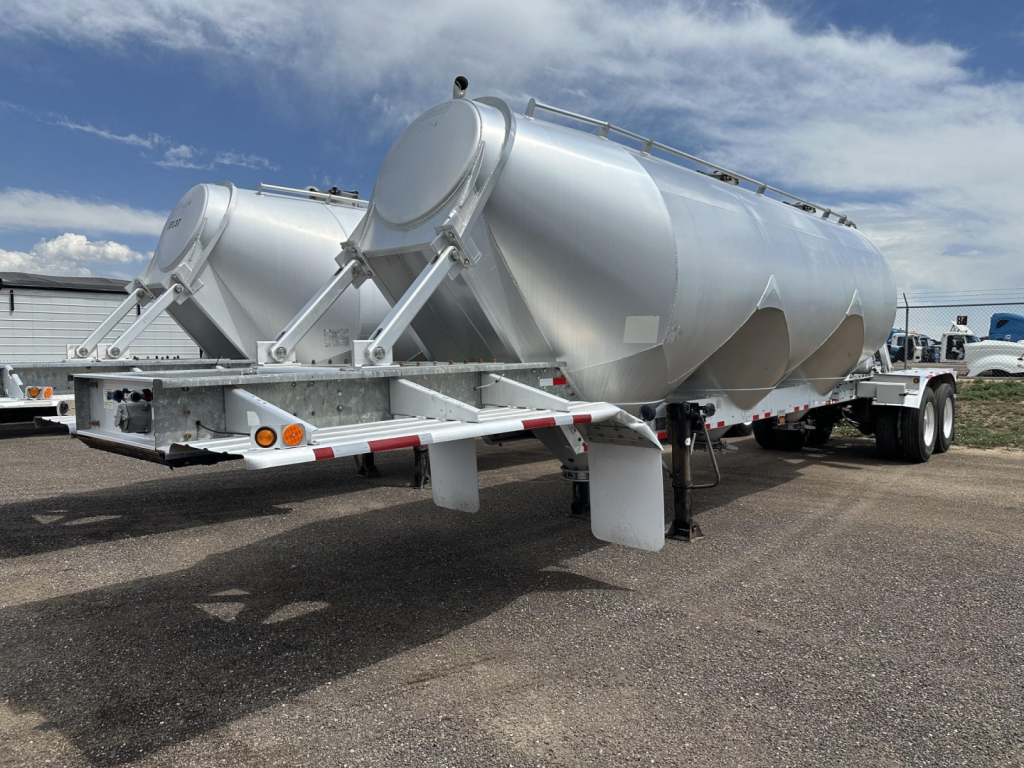
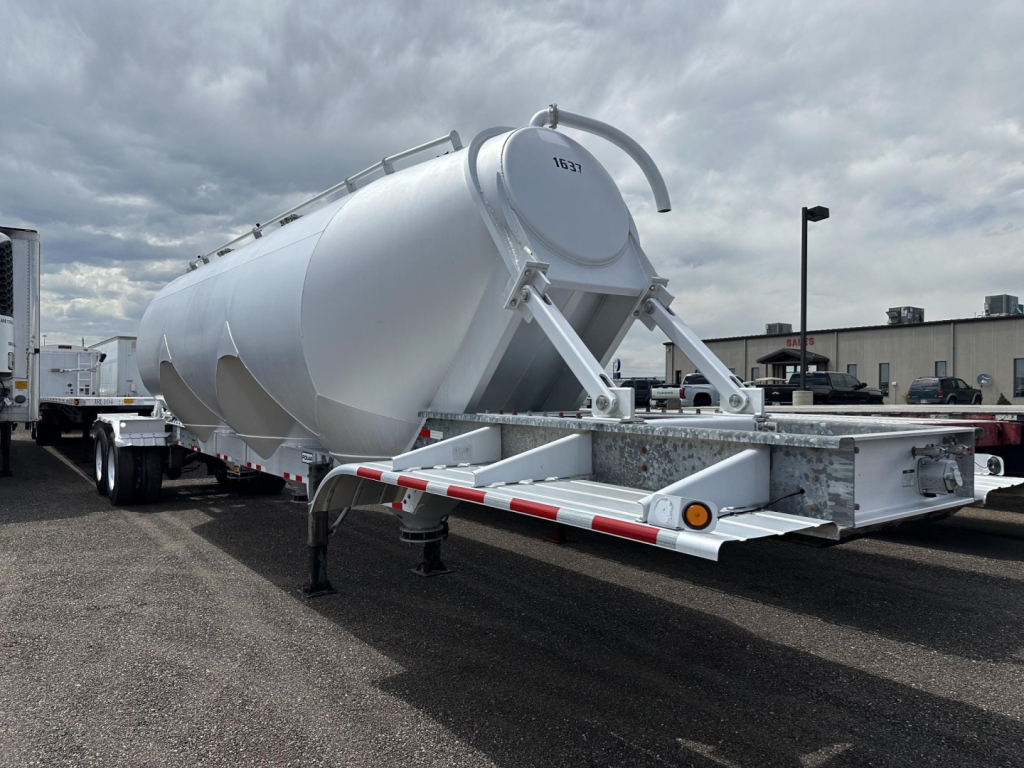
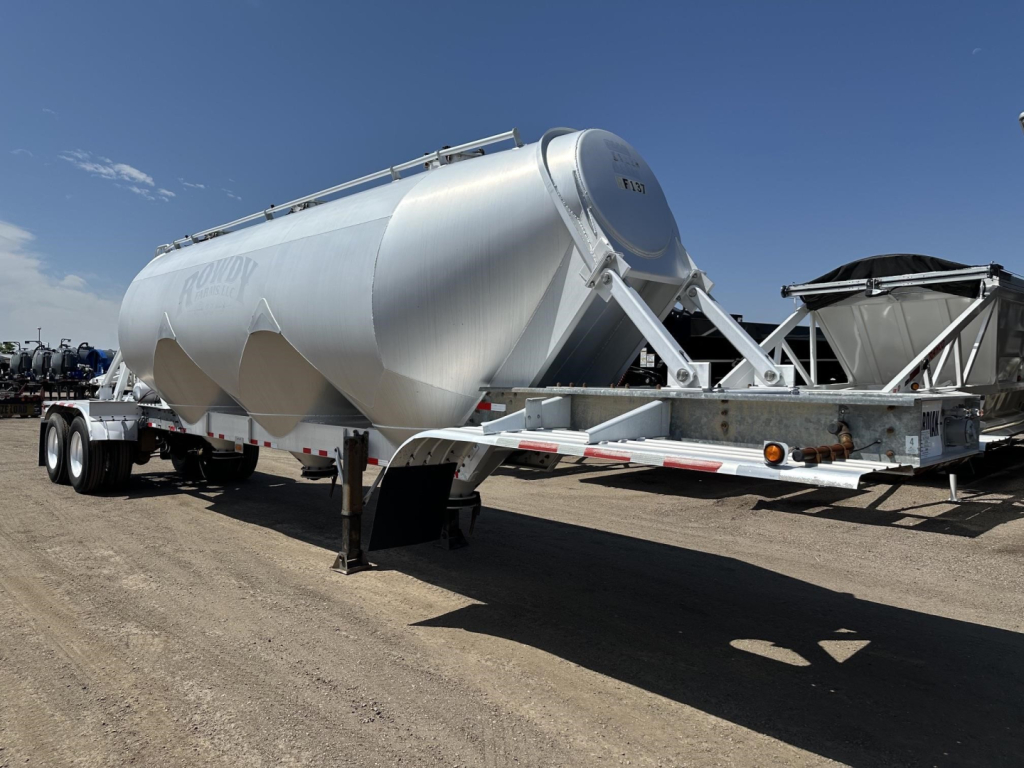
Hopper configuration matters because it affects unload speed, residual cleanout, and how the trailer fits your product. Three-hopper designs are common on dry bulk pneumatics because they balance capacity with controlled flow to the piping system. Gravity drop and rear discharge setups each have a place. Gravity drop trailers can be a strong fit for operations that want efficient product feed into the blower system, while rear discharge layouts are often preferred for certain plant and jobsite unloading procedures. Dome lid count, blow-in piping, sand hog tees, and hose tube layout are worth checking closely, since these details affect daily usability more than buyers sometimes expect.
On used pneumatic trailers, condition is as important as spec. Pay attention to the tank shell, weld integrity, frame condition, suspension wear, landing gear, and signs of contamination or moisture intrusion. Dome seals, hopper valves, aeration components, piping, and relief systems should all be inspected because air leaks or product buildup can reduce unload performance fast. Tire size, wheel material, closed tandem setup, and raised axle configurations can also influence maintenance cost, bridge compliance, and maneuverability. In Colorado, buyers often pay closer attention to mountain-route stability, brake condition, and how the trailer performs with altitude-sensitive unloading systems and variable weather.
A good used dry bulk pneumatic trailer should match both the commodity and the unloading method already used in your fleet or by your customers. Verify the pressure and plumbing setup, coupler adjustment range, ladder and safety rail access, and overall compatibility with your tractor, blower package, and hose system. Aluminum wheels, fenders, work lights, and air ride are common value points, but the real buying decision usually comes down to product density, payload target, unload time, and how easily the trailer can be cleaned between loads. Buyers comparing used pneumatic dry bulk trailers should focus on cubic capacity, hopper design, discharge configuration, and the condition of the air system before anything else.
Frequently Asked Questions about Used Pneumatic - Dry Bulk Trailers in Colorado
What is a pneumatic dry bulk trailer used for?
A pneumatic dry bulk trailer is used to haul dry, flowable commodities that can be unloaded with air pressure. Typical products include cement, lime, fly ash, sand, flour, plastic pellets, and other powders or granules. The sealed tank and piping system help protect the product from moisture and contamination while allowing efficient unloading into silos, bins, or plant storage systems.
How do I choose the right cubic foot capacity for a used dry bulk trailer?
Capacity should be matched to the density of the material you haul and the legal payload you need to hit. A larger cubic foot trailer may be ideal for lighter products, but heavy commodities such as cement or sand can gross out before the trailer is filled. Buyers should look at cubic feet, trailer weight, axle configuration, and the material's pounds per cubic foot to make sure the trailer works on the lanes and scales they run.
What is the difference between gravity drop and rear discharge pneumatic trailers?
Gravity drop trailers feed product from the hoppers into the discharge system using gravity, which can help with flow efficiency on certain commodities and unloading setups. Rear discharge trailers route unloading to the rear and are often selected to match plant connections or fleet-standard hose and blower procedures. The better choice depends on your product, customer unloading points, and the way your drivers are trained to operate the system.
What should I inspect on a used pneumatic dry bulk trailer before buying?
Key inspection points include the tank shell, welds, frame rails, suspension, brakes, landing gear, and wheel-end condition. On the bulk system itself, inspect dome lids and seals, hopper valves, aeration pads, manifolds, blow-down plumbing, relief valves, and hose connections. Residual product buildup, corrosion, moisture intrusion, or patched repairs can point to future downtime or reduced unload performance.
Is air ride suspension important on a dry bulk pneumatic trailer?
Air ride suspension is common on pneumatic dry bulk trailers because it helps reduce vibration, improves ride quality, and can be easier on both the trailer structure and the product. It can also help with stability and driver comfort on longer runs. For used trailer buyers, the important part is not just that it has air ride, but that the suspension components, bushings, airbags, and alignment are in sound working condition.