
Used Fruehauf Pneumatic - Dry Bulk Trailers For Sale
Used Fruehauf pneumatic dry bulk trailers for cement, lime, and powder hauling. Compare cu ft capacity, hopper layout, piping, and suspension.
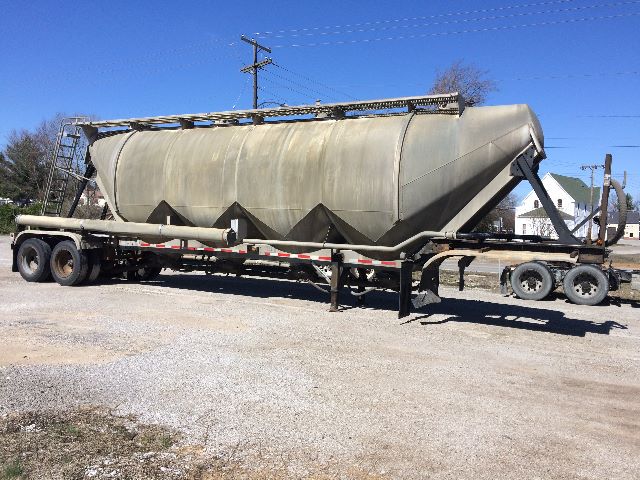
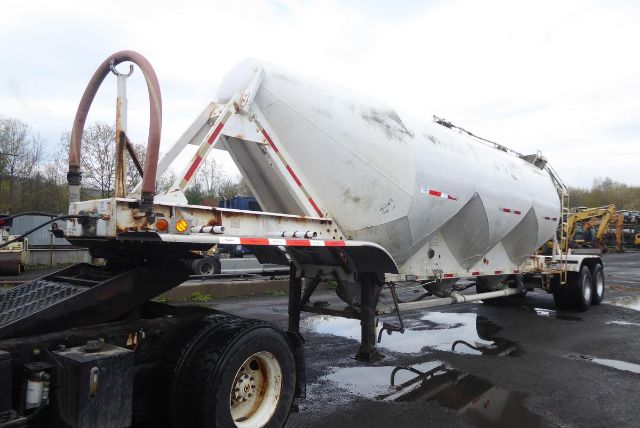
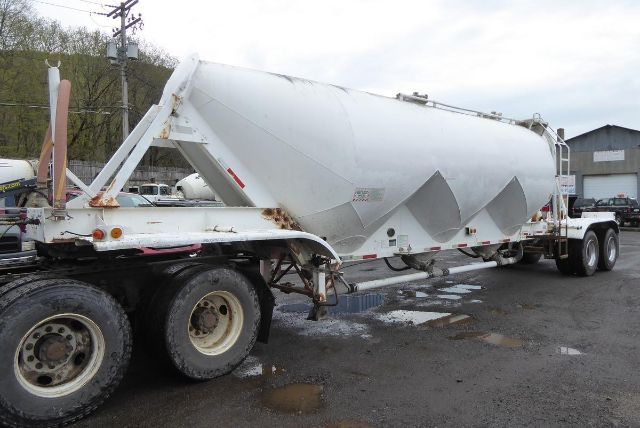
Selling a used fruehauf pneumatic - dry bulk trailer? List your used fruehauf pneumatic - dry bulk trailer for sale and reach thousands of commercial buyers.
Used Fruehauf Pneumatic - Dry Bulk Trailers
The most important inspection points on a used pneumatic trailer are the barrel, hopper transitions, discharge plumbing, and the suspension frame. Look closely at barrel material and condition, especially around manholes, saddle areas, weld seams, and aeration components. On older cement tanks, buyers should verify whether the piping is aluminum, steel, or mixed, and check tees, butterfly valves, pads, and rear discharge routing for wear or patchwork repairs. A 5-inch product valve setup is common on cement-spec trailers and can improve unloading efficiency depending on the product and blower package. Over-axle versus under-axle discharge matters too, especially for ground clearance, service access, and hose routing at customer sites.
Spec details on many Fruehauf pneumatic dry bulk trailers include 42-foot overall length, 96-inch width, tandem air ride suspension, and kingpin settings in the 18-inch to 20-inch range. Buyers should pay attention to axle spacing, tire size, wheel type, brake condition, and whether the trailer has usable hose tubes, catwalks, fenders, and gauge placement that fits their operation. If the trailer hauled cement or other abrasive product, inspect C-pad aeration systems, hopper cones, and internal cleanliness. If it hauled chemical-grade or food-sensitive material in a prior life, confirm the tank history and compatibility before repurposing it. Maintenance records can be especially valuable on older Fruehauf units because major updates like replacement suspension frames, axles, airbags, drums, slack adjusters, wiring, and air lines can materially change the trailer's remaining service life.
Fruehauf pneumatic dry bulk trailers are also commonly referred to as cement tank trailers or dry bulk tankers. For many buyers, the decision comes down to balancing price against structural condition. A lower-priced older trailer may still be a practical bulk hauler if the frame, running gear, valves, and tank structure have been properly rebuilt. The best fit depends on product density, desired payload, unload time, terminal clearance, and how much fabrication work your shop is prepared to handle after purchase.
Frequently Asked Questions about Used Fruehauf Pneumatic - Dry Bulk Trailers
What products can a Fruehauf pneumatic dry bulk trailer typically haul?
These trailers are commonly used for cement, fly ash, lime, sand, soda ash, and similar dry bulk powders that can be pneumatically unloaded. Product compatibility depends on the tank’s prior use, internal condition, aeration setup, and discharge plumbing. A trailer that spent its life hauling cement may be ideal for similar construction materials, but buyers should confirm cleanliness, contamination risk, and valve condition before switching to a different commodity.
What should I inspect first on a used Fruehauf cement tank trailer?
Start with the tank structure, hopper sections, discharge piping, and suspension frame. Check for cracks, corrosion, poor weld repairs, thin metal around the cones, and wear at the rear discharge assembly. Then inspect brakes, axles, airbags, slack adjusters, tires, landing gear, and electrical and air systems. On older units, documented repairs to the suspension cradle or rear frame can be a major advantage if the work was done correctly.
Is a 1,000 cu ft Fruehauf pneumatic trailer a common size?
Yes. A 1,000 cu ft configuration is a very common dry bulk trailer size, especially for cement service. It offers a practical balance of capacity, maneuverability, and axle loading for many regional and jobsite applications. Some larger-capacity trailers are available, but buyers need to match cube capacity to product weight, legal payload limits, and unloading requirements.
Does over-axle or under-axle rear discharge matter on a dry bulk trailer?
Yes. Over-axle discharge can offer a straightforward routing layout, while under-axle discharge may change hose handling, service access, and ground clearance. The better choice depends on the sites you deliver to, the product being hauled, and your maintenance preferences. Buyers should also inspect the steel or aluminum discharge sections carefully because this area sees constant abrasion and vibration.
Are older Fruehauf pneumatic dry bulk trailers still worth buying?
They can be, if the trailer has a sound barrel, a solid frame, and usable running gear. Fruehauf dry bulk trailers are simple enough that many remain viable after major component replacement, including suspension parts, valves, piping, and rear framework. Value depends less on model year and more on structural condition, maintenance history, and how much reconditioning will be needed to put the trailer into regular service.