
Fruehauf Pneumatic - Dry Bulk Trailers For Sale
Shop Fruehauf pneumatic dry bulk trailers. Compare cement tank specs, hopper layouts, discharge plumbing, suspension, and capacity options.
Selling a fruehauf pneumatic - dry bulk trailer? List your fruehauf pneumatic - dry bulk trailer for sale and reach thousands of commercial buyers.
Fruehauf Pneumatic - Dry Bulk Trailers
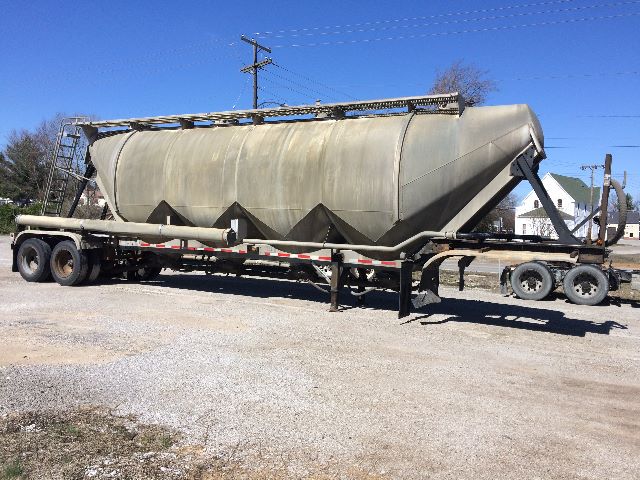
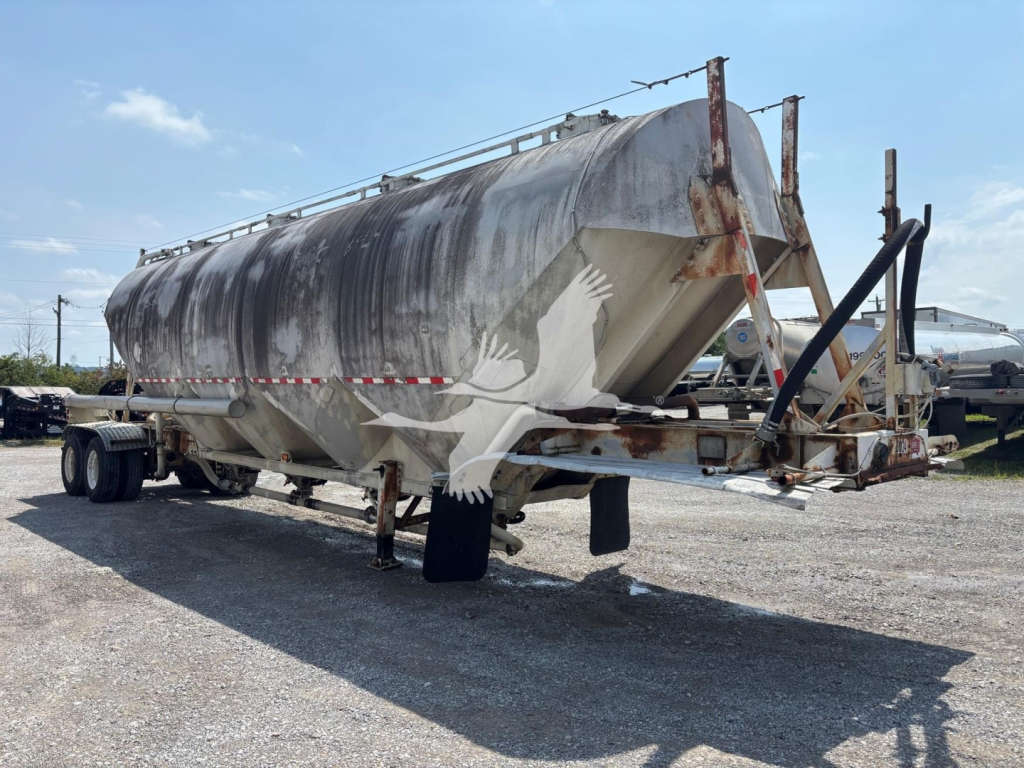
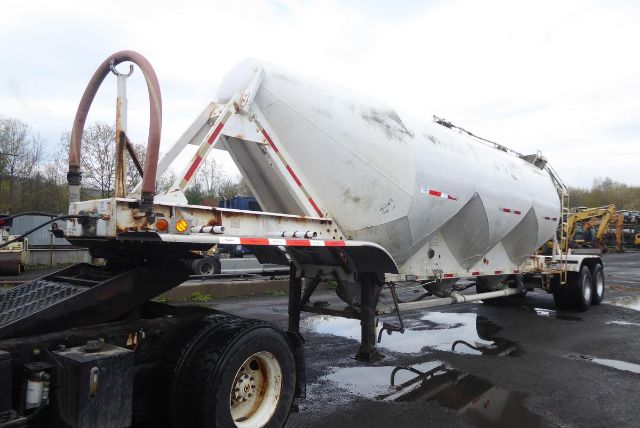
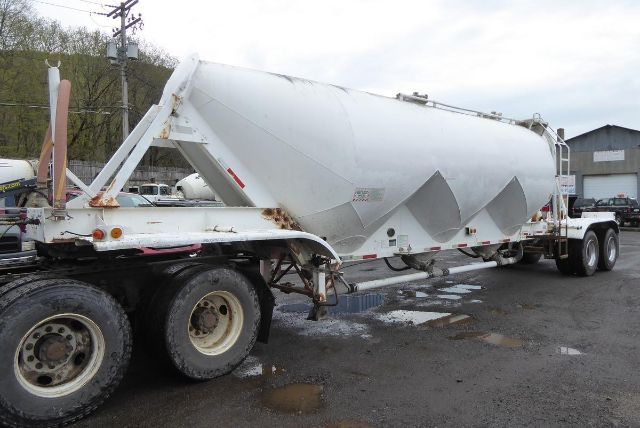
The first decision is matching trailer configuration to the material you haul. Cement tanks often show up as 40 to 42 foot tandem axle trailers with three hoppers, 3 manholes, and 5-inch product valves. Rear discharge can be routed over the axles or under the axles, and that detail affects hose routing, ground clearance, and maintenance access. Aluminum barrels help keep tare weight down, while steel subframes, struts, or discharge sections are common wear areas that deserve close inspection. On used Fruehauf pneumatics, pay attention to barrel condition, aeration pads, piping material, tees, valve wear, and any evidence of patching around hopper cones or discharge plumbing.
Suspension and wheel-end setup matter because these trailers often spend their lives on rough plant yards and uneven job sites. Air ride suspensions are common and usually preferred for ride quality and product handling, though older spring ride trailers are still out there. Tandem fixed axles are typical. Tire size can vary from low profile 22.5 rubber to wider flotation-style setups, and wheel choice may be aluminum or steel depending on weight targets and maintenance preferences. Kingpin setting, landing gear condition, brake percentage, drum life, and air system condition are worth checking closely because a dry bulk trailer can look usable while still needing expensive chassis work.
Fruehauf dry bulk trailers can be a practical buy for fleets that value serviceable older equipment and know how to inspect structure, plumbing, and suspension before purchase. The strongest candidates usually have clean barrel interiors for the intended commodity, solid aeration, tight valves, and documented repairs to the rear frame or suspension cradle where stress tends to accumulate. If the trailer previously hauled cement, lime, or soda ash, confirm compatibility with your product and unloading system, including blower requirements, line size, and pressure rating. A well-maintained Fruehauf pneumatic trailer still fits many regional bulk operations because parts and fabrication work are generally straightforward for experienced tank and trailer shops.
Frequently Asked Questions about Fruehauf Pneumatic - Dry Bulk Trailers
What products are Fruehauf pneumatic dry bulk trailers commonly used to haul?
Fruehauf pneumatic dry bulk trailers are commonly used for cement, lime, fly ash, sand, and similar dry powdered or granulated materials that unload with air pressure. Some larger-capacity units are also used for lighter commodities such as soda ash. The right trailer depends on material density, required cube capacity, valve size, and whether your unloading system is set up for the trailer's plumbing layout and pressure rating.
What should I inspect first on a used Fruehauf dry bulk trailer?
Start with the barrel, hopper cones, discharge plumbing, and rear frame structure. Look for cracks, patches, corrosion, thin metal, worn aeration pads, leaking valves, and repairs around high-stress areas such as suspension mounts and discharge sections. After that, check suspension type, brakes, tires, wheel ends, kingpin area, landing gear, and air lines. On older dry bulk trailers, structural and pneumatic condition usually matters more than appearance.
Is a 1,000 cubic foot Fruehauf pneumatic trailer a common configuration?
Yes. A 1,000 cubic foot configuration is one of the most common setups in older Fruehauf cement and dry bulk trailers. These units are often built as 40 to 42 foot tandem axle trailers with three hoppers and multiple manholes. That size works well for heavier bulk products because it balances payload, bridge compliance, and maneuverability better than a larger tank built for lower-density material.
What is the difference between over-axle and under-axle rear discharge on a pneumatic trailer?
Over-axle and under-axle rear discharge refers to how the product line is routed at the rear of the trailer. Over-axle routing can offer better protection from road contact, while under-axle routing may change service access and hose connection geometry. Neither is automatically better for every operation. The right choice depends on your loading rack, unload site clearance, maintenance preference, and how often the trailer operates on rough surfaces.
Are older Fruehauf pneumatic dry bulk trailers still a practical fleet purchase?
They can be, especially for buyers who understand tank trailer inspection and have access to a shop that can handle bulk trailer repairs. Many older Fruehauf units remain viable because the designs are simple and common wear items such as valves, airlines, brakes, suspension components, and fabricated steel sections can often be repaired or replaced. The key is buying on structural condition, barrel integrity, and pneumatic performance rather than age alone.