
Used Wilson Trailers For Sale in Colorado
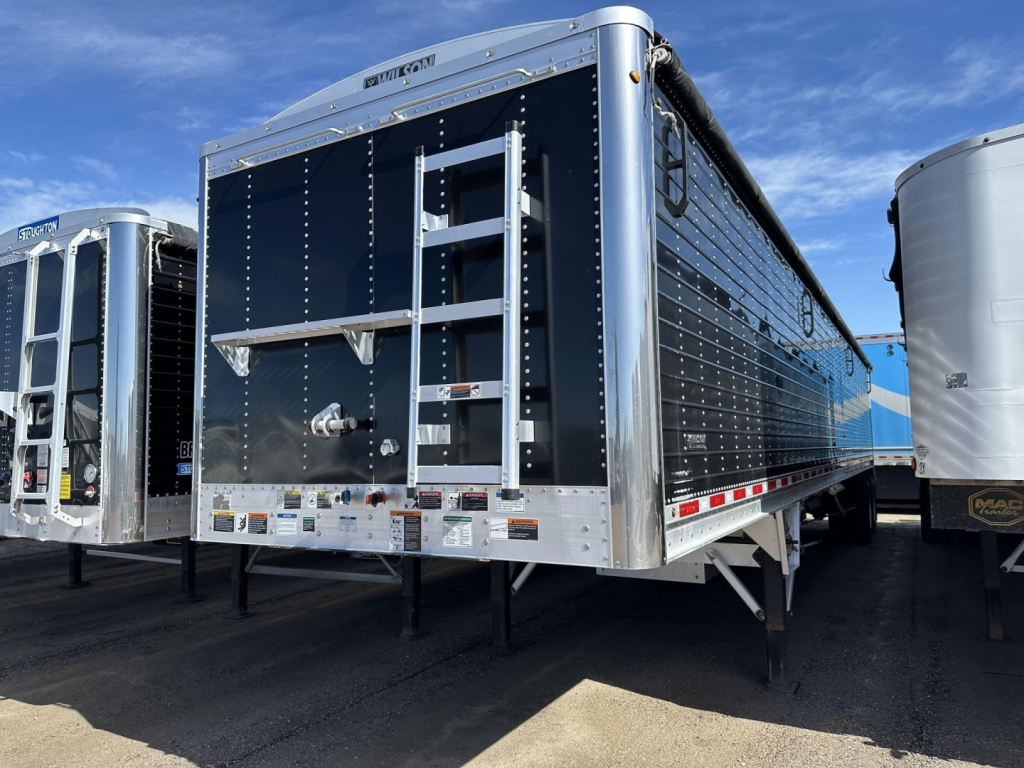
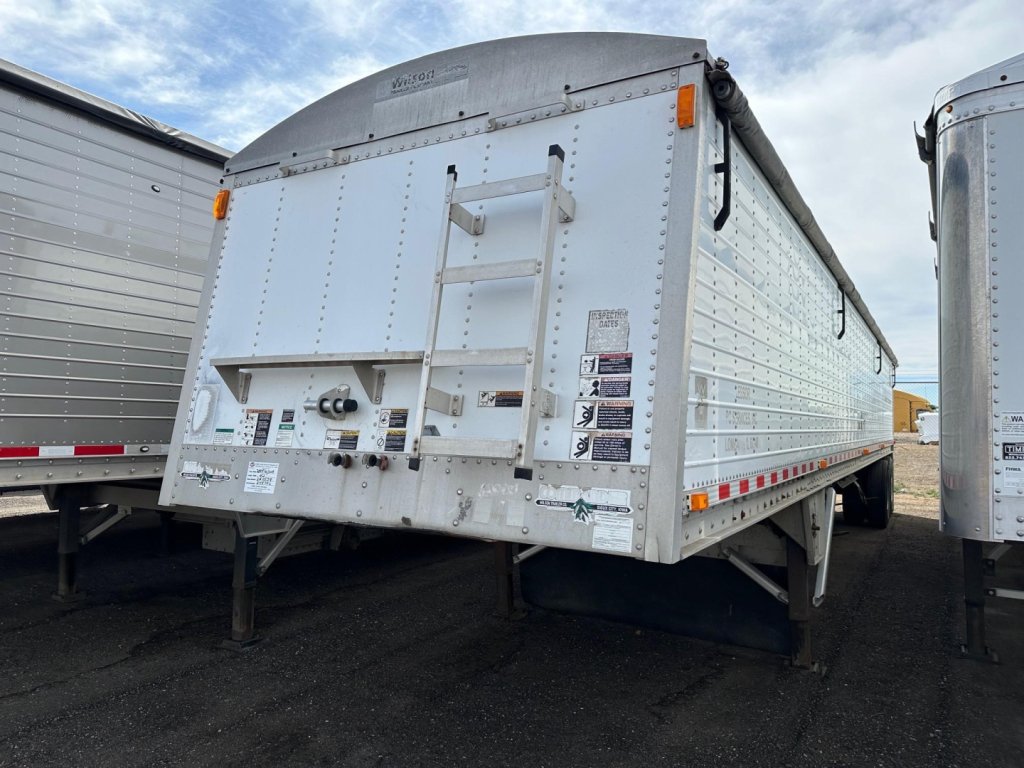
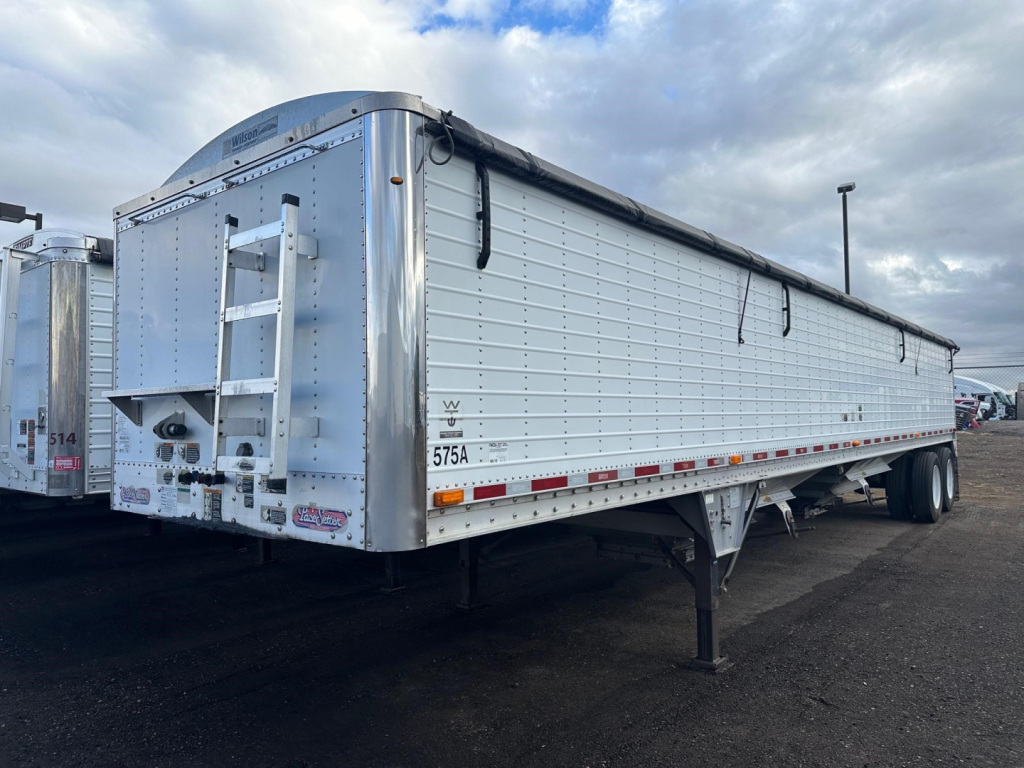
Shop used Wilson trailers in Colorado, including grain and hopper models with aluminum construction, air ride, tarps, scales, and ag-ready specs.
Selling a used wilson trailer? List your used wilson trailer for sale and reach thousands of commercial buyers.
Used Wilson Trailers in Colorado
For grain hopper buyers, the big decisions usually come down to length, side height, axle layout, and discharge setup. Common used specs include 42-foot to 50-foot lengths, 96-inch widths, and side heights around 66 to 72 inches. Tandem and tri-axle layouts are both seen, with some trailers equipped with lift axles to help manage bridge laws and tire wear. Two-hopper designs are typical, and buyers should look closely at hopper door operation, trap condition, knock rails, and any vibrator setup if the trailer will handle harder-flowing commodities. Tarp style matters too, since manual rollover systems cost less to maintain, while electric tarps save time and reduce driver effort during frequent loading cycles.
A used Wilson hopper trailer should also be evaluated for the details that affect day-to-day use. Catwalks and front or rear ladders improve access and safety. Scales or scale gauges can add value for operators trying to manage payload more precisely in the field or at the elevator. Wheel material, tire profile, and suspension condition all deserve attention, especially on older units that may have seen seasonal storage followed by heavy harvest demand. On aluminum trailers, inspect crossmembers, substructure, kingpin area, landing gear mounts, and hopper seams for signs of fatigue, corrosion from fertilizer exposure, or prior repairs.
Colorado buyers often need a trailer that can work across mixed terrain, changing weather, and both farm and highway conditions. That makes axle spread, ride quality, brake condition, and tire setup more than just spec-sheet details. Wilson trailers are well known for keeping weight down without giving up the structural features ag haulers depend on, and that is a big reason they remain popular in the used market. If the trailer will spend time on county roads, in grain yards, or running longer regional lanes, focus on overall structural condition, tarp reliability, hopper function, and how the axle configuration matches the load profile and legal requirements you run under.
Frequently Asked Questions about Used Wilson Trailers in Colorado
What are the most common used Wilson trailer types found in Colorado?
The most common used Wilson trailers in Colorado are grain hoppers and other agricultural hopper trailers. Many are Pacesetter models with aluminum construction, corrugated panels, two hopper bottoms, air ride suspension, and rollover tarps. These trailers are popular because they offer strong payload capacity with low empty weight, which matters in grain, feed, and commodity hauling.
What should I inspect first on a used Wilson grain hopper trailer?
Start with the hopper system, subframe, and running gear. Check trap doors, operating mechanisms, seals, and any knock rails or vibrators for wear or damage. Then inspect the crossmembers, kingpin area, landing gear mounts, suspension, brakes, and wheel ends. On aluminum trailers, prior weld repairs, stress cracking, and corrosion from fertilizer or chemical exposure deserve close attention because they can affect long-term durability and repair cost.
Is a tandem or tri-axle Wilson hopper better for grain hauling?
It depends on your legal weight requirements, route structure, and how often you run loaded on secondary roads versus highway lanes. Tandem axle trailers are simpler and often lighter, which can help payload and maintenance cost. Tri-axle trailers, especially those with lift axles, can offer more flexibility for bridge compliance and load distribution. The right choice comes down to the commodities hauled, the state weight laws you operate under, and how much maneuverability you need at farms and elevators.
Are electric tarps worth it on a used Wilson trailer?
Electric tarps can be worth the added cost if the trailer is loaded frequently or operated by multiple drivers. They speed up loading and unloading, reduce manual strain, and help improve consistency in day-to-day use. On a used trailer, the value depends on the condition of the motor, wiring, arms, tarp fabric, and controls. A manual tarp is simpler and cheaper to repair, so buyers should weigh convenience against maintenance history.
Why do Wilson trailers hold value in the used market?
Wilson trailers tend to hold value because they are widely recognized for lightweight aluminum construction, practical agricultural specs, and dependable resale demand. Buyers know these trailers are common in grain and bulk commodity service, and parts and service familiarity are generally strong in farm regions. A clean Wilson trailer with sound structure, good traps, a reliable tarp system, and healthy running gear usually remains competitive in the used market.