
Used Wilson Hopper Trailers For Sale in Colorado
Browse used Wilson hopper trailers for grain hauling in Colorado, including Pacesetter models with air ride, ag hoppers, tarps, and tandem setups.
Selling a used wilson hopper trailer? List your used wilson hopper trailer for sale and reach thousands of commercial buyers.
Used Wilson Hopper Trailers in Colorado
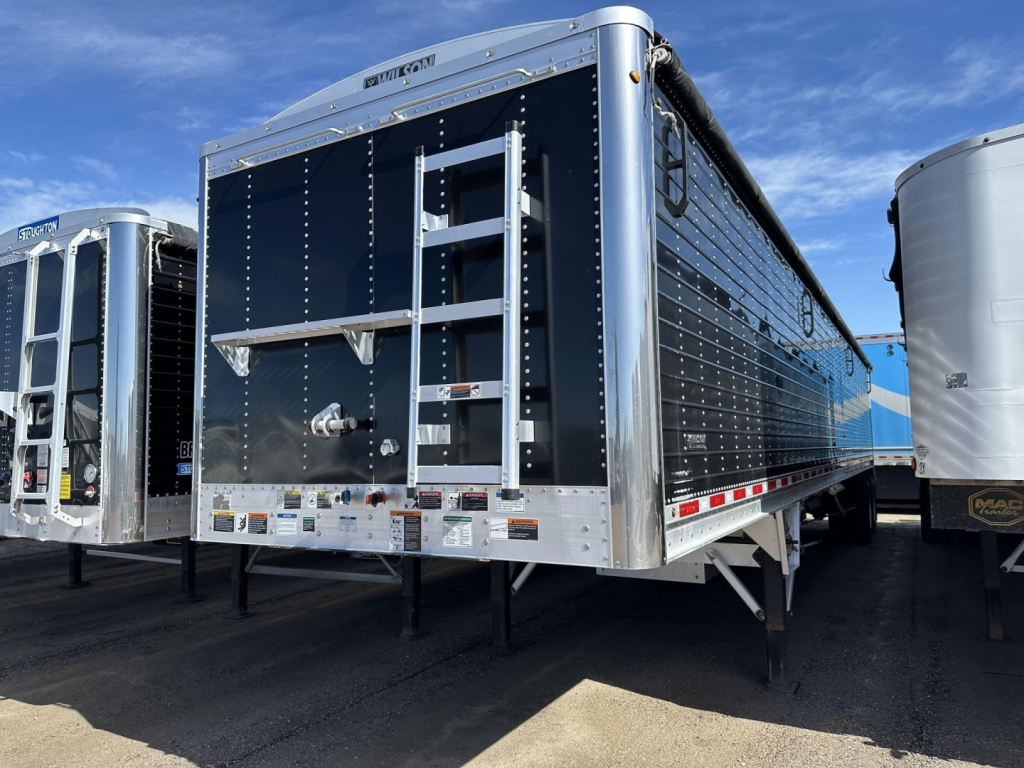
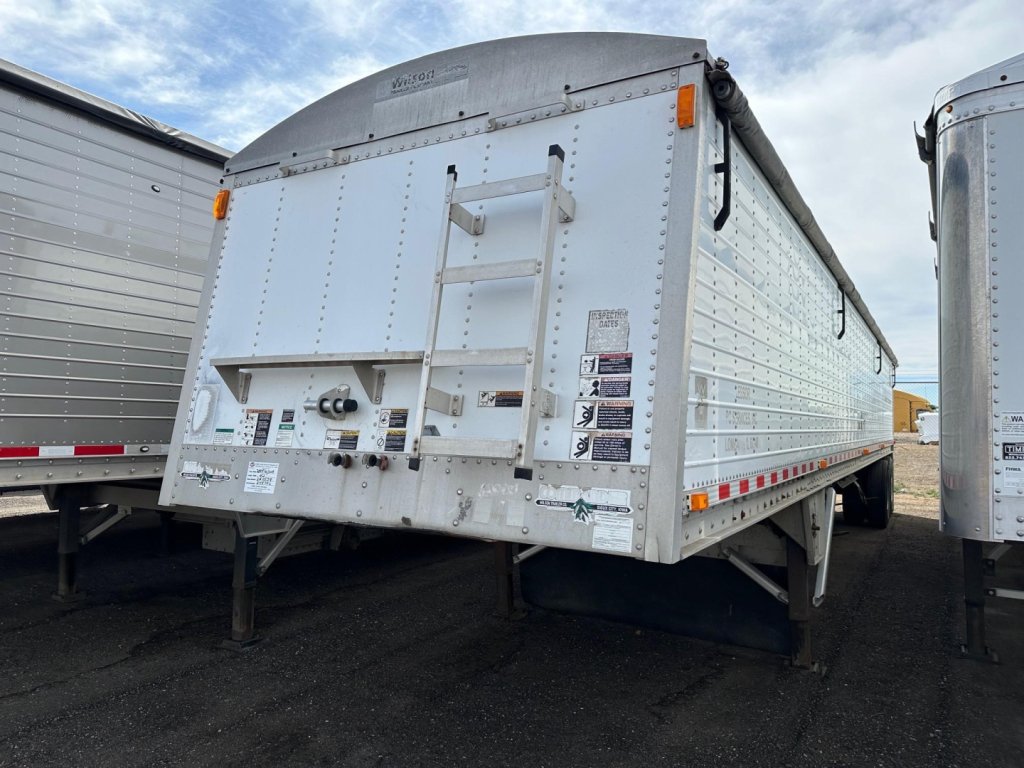
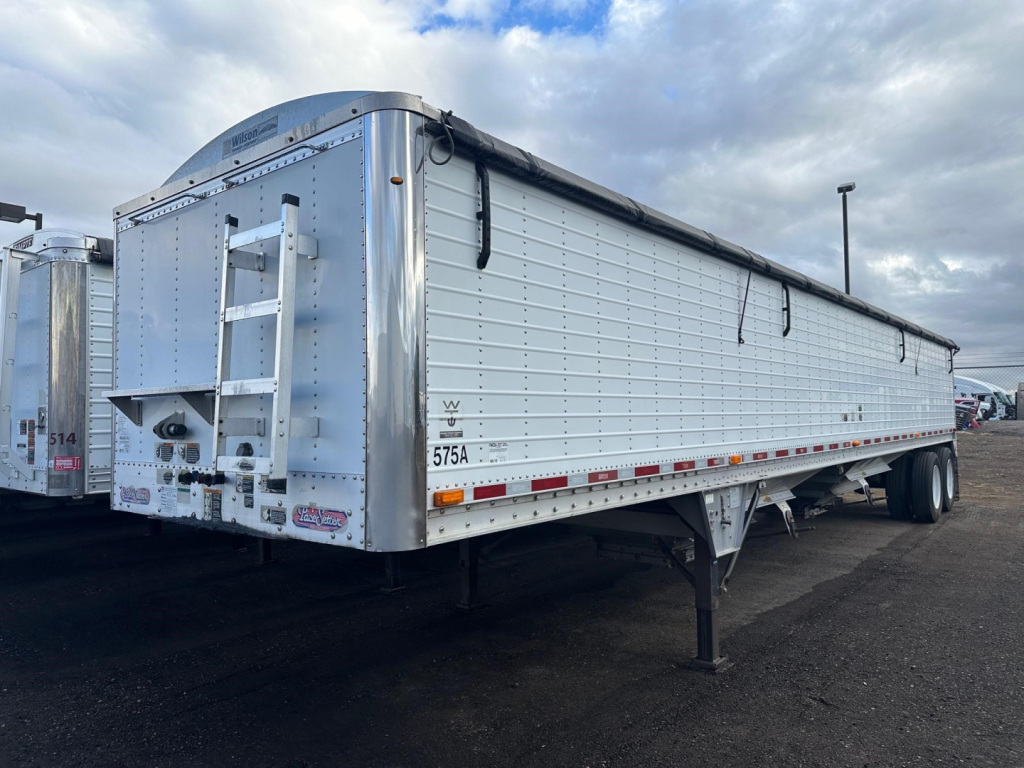
A lot of used Wilson hopper trailers in this category are 42' x 96" tandem axle units with two ag hoppers, air ride suspension, and side heights in the 66" to 79" range. That side height is one of the first specs to compare because it directly affects cubic capacity and load flexibility. Taller sides help with lower-density commodities, while a more moderate side height may better suit operations balancing volume, legal weight, and unloading speed. Buyers should also pay attention to hopper gate condition, knock rails, trap operation, tarp system type, ladder and catwalk setup, and whether the trailer has closed tandem suspension. Wheel and tire spec also matter, especially if you are comparing 22.5 rubber versus 24.5 low-pro configurations for ride height, replacement cost, and fleet standardization.
On a used hopper, structural condition is more important than paint or panel cosmetics. Check the subframe, crossmembers, hopper seams, kingpin area, suspension mounts, and rear frame for signs of cracking, repairs, or corrosion from fertilizer or harsh commodity exposure. Corrugated side panels, stainless front corners, and stainless rear panel sections are common Wilson features that can improve durability in high-wear areas. If the trailer has a manual rollover tarp, inspect bows, crank assembly, tarp fabric, and end caps because those items see regular use and can quickly become a maintenance expense. If scales or liquid-filled gauge systems are installed, confirm they are functioning and still accurate enough for your loading process.
For Colorado buyers, axle spread, suspension condition, and overall trailer weight deserve extra attention because routes can range from flat interstate work to rural roads, uneven field approaches, and seasonal harvest traffic. Air ride is preferred by many operators for commodity protection and ride quality, but its condition should be verified through bag, valve, and shock inspection. Wilson hopper trailers are well known in the ag market for clean unloading, solid aluminum construction, and broad acceptance at grain facilities, so the best used choice usually comes down to capacity, trap design, suspension spec, and how well the trailer has been maintained over time.
Frequently Asked Questions about Used Wilson Hopper Trailers in Colorado
What are the most important specs to compare on a used Wilson hopper trailer?
The key specs are trailer length, width, side height, number of hoppers, suspension type, axle configuration, and tire size. On Wilson grain trailers, many buyers start with 42' x 96" dimensions and then compare 66" versus 79" side height because that changes cubic capacity and the type of commodity the trailer handles best. Buyers should also review tarp style, trap gate condition, kingpin and frame integrity, and whether the trailer matches local bridge laws and fleet tractor specs.
Are Wilson Pacesetter hopper trailers good for grain hauling?
Wilson Pacesetter hopper trailers are widely used in grain service because they are lightweight, durable, and familiar to most ag operators and repair shops. Their aluminum construction helps maximize payload, and common features like ag hoppers, catwalks, ladders, and rollover tarps make them practical for farm-to-elevator and regional commodity hauling. A used unit can be a strong value if the structure, suspension, and hopper assemblies are in sound condition.
What should I inspect on a used hopper trailer before buying?
Focus on structural and mechanical wear first. Inspect the hopper bottoms, trap doors, door tracks, seals, subframe, crossmembers, kingpin plate, suspension hangers, air ride components, wheel ends, and brakes. Look closely for cracks, patched aluminum, corrosion from fertilizer exposure, and signs of impact damage around the rear frame and hopper discharge areas. Cosmetic panel wear is common, but frame repairs, trap problems, and suspension wear will have a bigger effect on operating cost.
Is air ride better than spring suspension on a used grain hopper?
Air ride is often preferred on grain hoppers because it gives a smoother ride, can reduce vibration to the trailer structure, and is generally favored for highway use and commodity protection. It can also improve driver comfort and trailer stability on mixed road surfaces. The tradeoff is that air ride adds components that need inspection and maintenance, including air bags, valves, shocks, and lines. A well-maintained air ride Wilson hopper is usually very desirable in the used market.
How does side height affect a Wilson hopper trailer’s usefulness?
Side height affects cubic volume, commodity fit, and legal loading strategy. A taller side, such as 79", is useful for lighter bulk commodities where the trailer may cube out before it weighs out. A shorter side, such as 66", may be a better fit for denser products and operations that regularly run near gross weight limits. Matching side height to the commodities you haul is one of the most important buying decisions because it directly affects payload efficiency and load flexibility.