
Used Wilson Hopper Trailers For Sale
Used Wilson hopper trailers for grain and bulk commodity hauling. Compare lengths, side heights, hopper setups, tarp systems, and axle specs.
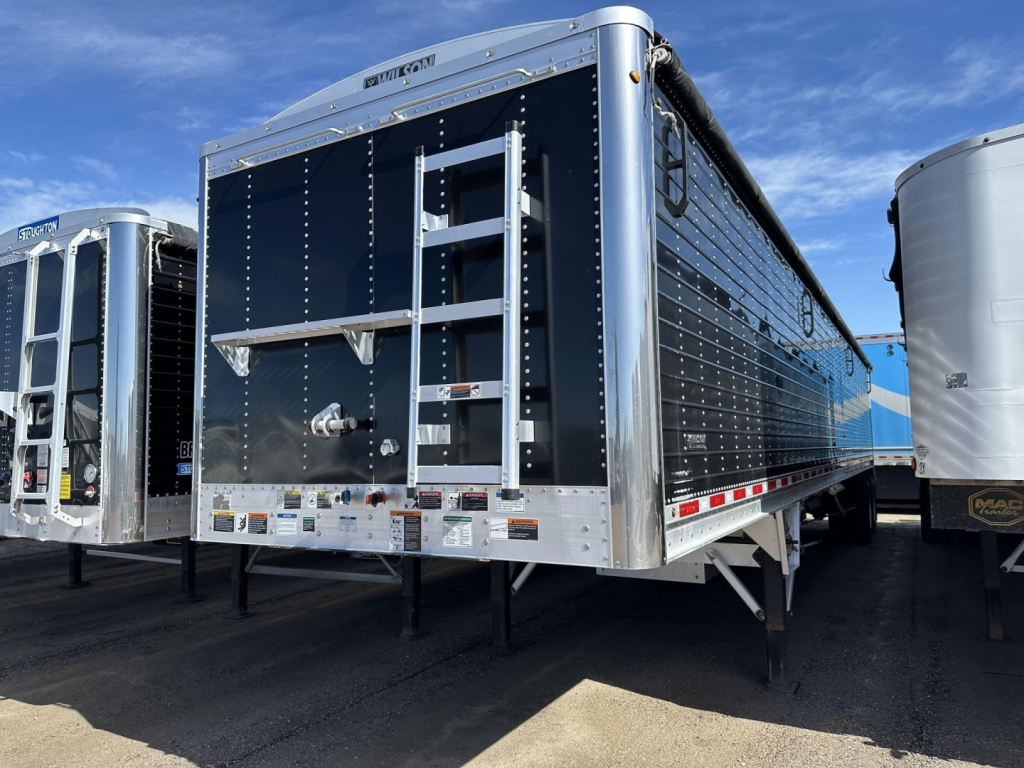
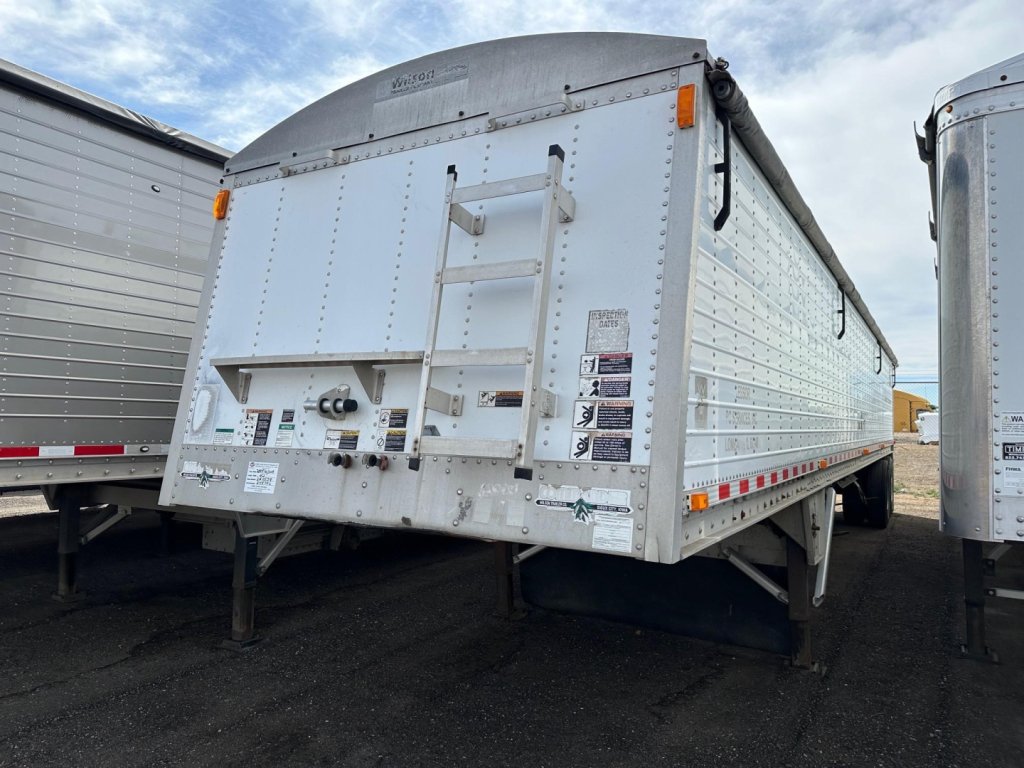
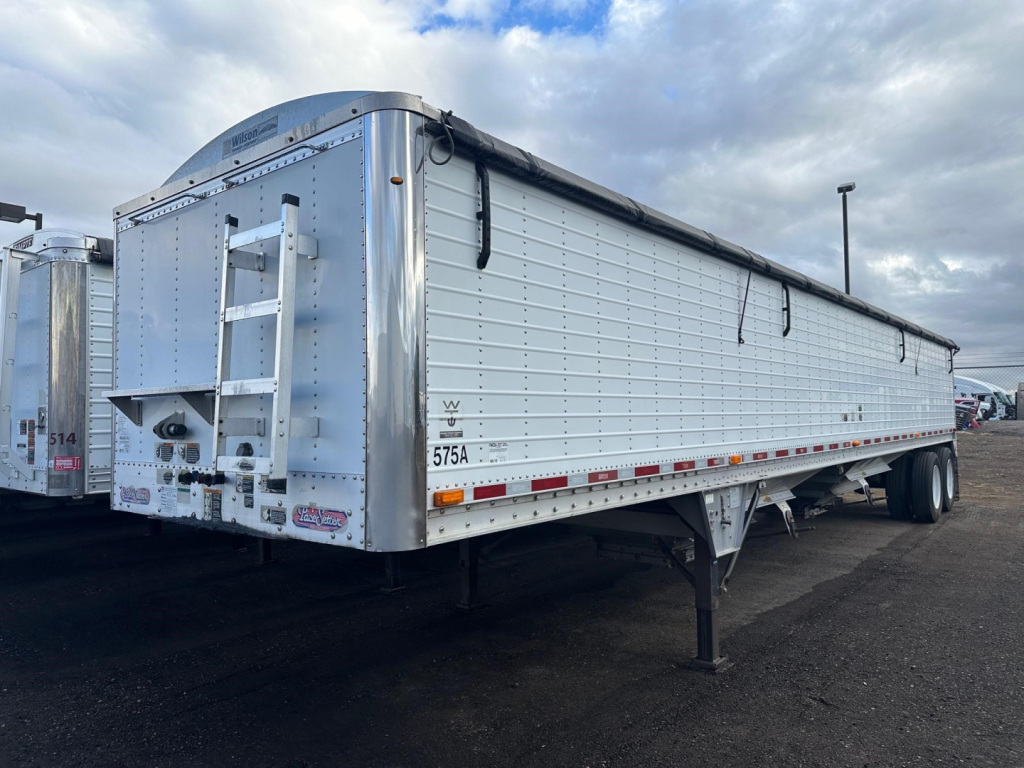
Selling a used wilson hopper trailer? List your used wilson hopper trailer for sale and reach thousands of commercial buyers.
Used Wilson Hopper Trailers
The right used Wilson hopper depends heavily on payload target, commodity type, and bridge law. A closed tandem air ride setup remains the standard choice for many grain operations because it balances maneuverability, legal loading, and service simplicity. Tri-axle configurations can make sense for operators chasing higher volume or working in states where axle laws support the added capacity. Hopper count and gate design matter just as much. Two-hopper trailers are common and work well for grain, feed, and similar free-flowing products. Buyers should inspect hopper doors, rack-and-pinion or gate linkage condition, knock rails, trap seals, and discharge areas for wear, corrosion, or product leakage.
Tarp system choice has a direct effect on day-to-day usability. Many used Wilson hopper trailers come with manual rollover tarps, which are simple and economical to maintain. Electric tarp systems save time at frequent loading points and can be a real productivity advantage during harvest or shuttle work. Other useful features seen on this category include stainless front corners, stainless rear panels, scale systems or scale gauges, vibrators for tougher flowing materials, and mixed wheel setups with aluminum outside wheels and steel inside wheels. Tire size, suspension condition, brake wear, and the overall state of the subframe and crossmember structure are all worth close attention on a used unit.
Wilson hoppers are often called grain trailers, but their use extends beyond corn, soybeans, and wheat. They are also used for feed ingredients, fertilizer in approved configurations, and other dry bulk agricultural products. The best used trailer is not just the newest one. It is the one with the right cubic capacity, axle grouping, tarp setup, and structural condition for the lanes you run. Buyers comparing used Wilson hopper trailers should pay close attention to side sheet condition, rivet lines, kingpin area integrity, suspension history, and signs of hard farm use around ladders, catwalks, and hopper openings. A well-kept Wilson hopper can stay productive for years if the structure is straight, the traps seal properly, and the trailer matches the commodity and route requirements.
Frequently Asked Questions about Used Wilson Hopper Trailers
What are the most common used Wilson hopper trailer sizes?
Common used Wilson hopper trailer sizes in the grain market are around 42 to 43 feet long with 96-inch or 102-inch width and 66-inch sides. Higher-capacity examples can be 50 feet long with 72-inch sides, often in tri-axle configuration. The right size depends on the commodity you haul, legal axle limits in your operating area, and how much cubic capacity you need before you hit gross weight.
Is a tandem or tri-axle Wilson hopper trailer better?
A tandem axle Wilson hopper is the most common choice for general grain hauling because it is easier to maneuver, simpler to maintain, and fits many legal weight scenarios well. A tri-axle trailer can offer more flexibility in certain states and applications where axle laws allow additional payload or where larger-capacity trailers are common. The better choice depends on bridge formulas, state regulations, and whether your operation is limited more by weight or by volume.
What should I inspect first on a used Wilson grain hopper?
Start with the structural areas that affect safety, sealing, and long-term durability. Check the kingpin and upper coupler area, suspension mounts, crossmembers, subframe, hopper supports, and rear frame for cracks, repairs, or corrosion. Then inspect hopper doors, seals, linkage, tarp condition, brake components, air ride system, wheel ends, and tire wear. On an aluminum grain trailer, signs of product leakage, rough hopper operation, and stress around rivet lines can tell you a lot about how the trailer was used and maintained.
Are manual or electric tarps better on a used hopper trailer?
Manual rollover tarps are common on used Wilson hoppers because they are straightforward, affordable to repair, and proven in farm service. Electric tarps are more convenient when the trailer is loaded and unloaded frequently, especially during harvest or in shuttle operations where speed matters. If you are considering an electric tarp on a used trailer, inspect the motor, wiring, arms, and tarp fabric closely because those components add convenience but also create additional maintenance points.
What commodities are Wilson hopper trailers commonly used for?
Wilson hopper trailers are primarily used as grain trailers for commodities like corn, soybeans, and wheat, but they are also used for other dry bulk agricultural products such as feed ingredients and similar free-flowing materials. The specific commodity matters because discharge behavior, contamination risk, and legal load density can all change the ideal trailer setup. Buyers should match the trailer's cubic capacity, hopper configuration, and optional equipment such as vibrators or scales to the material they plan to haul.