
Used Wilson Trailers For Sale
Browse used Wilson trailers including hopper bottoms and flatbeds. Compare lengths, axle setups, suspension, tarp systems, and specs.


Selling a used wilson trailer? List your used wilson trailer for sale and reach thousands of commercial buyers.
Used Wilson Trailers
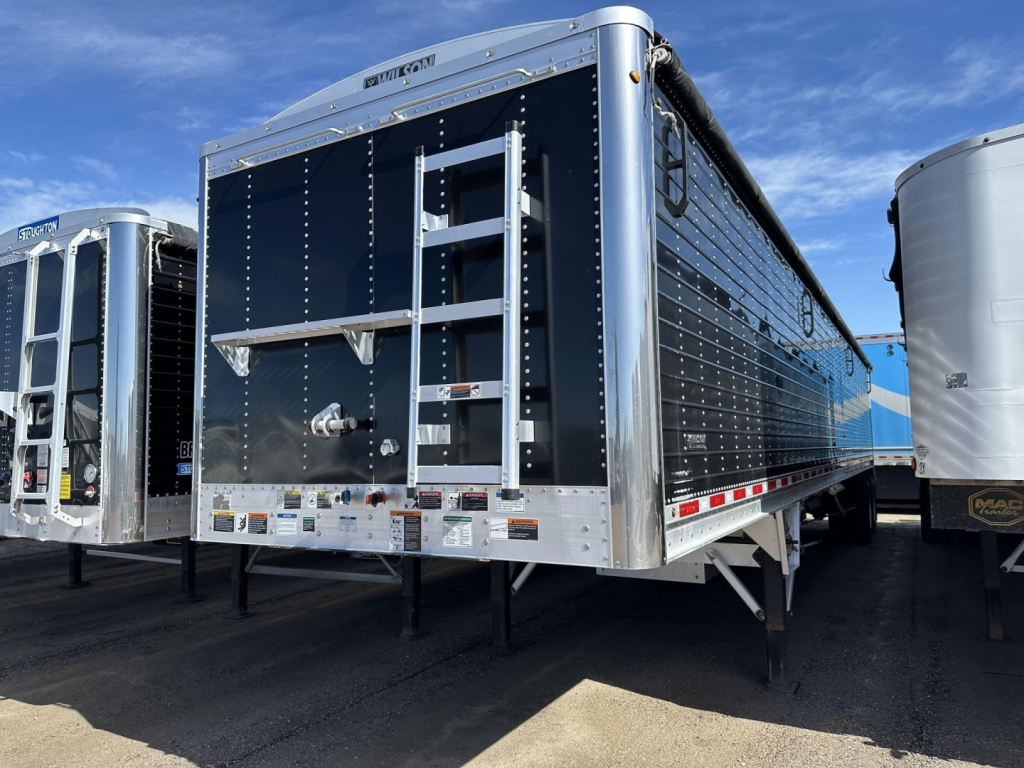
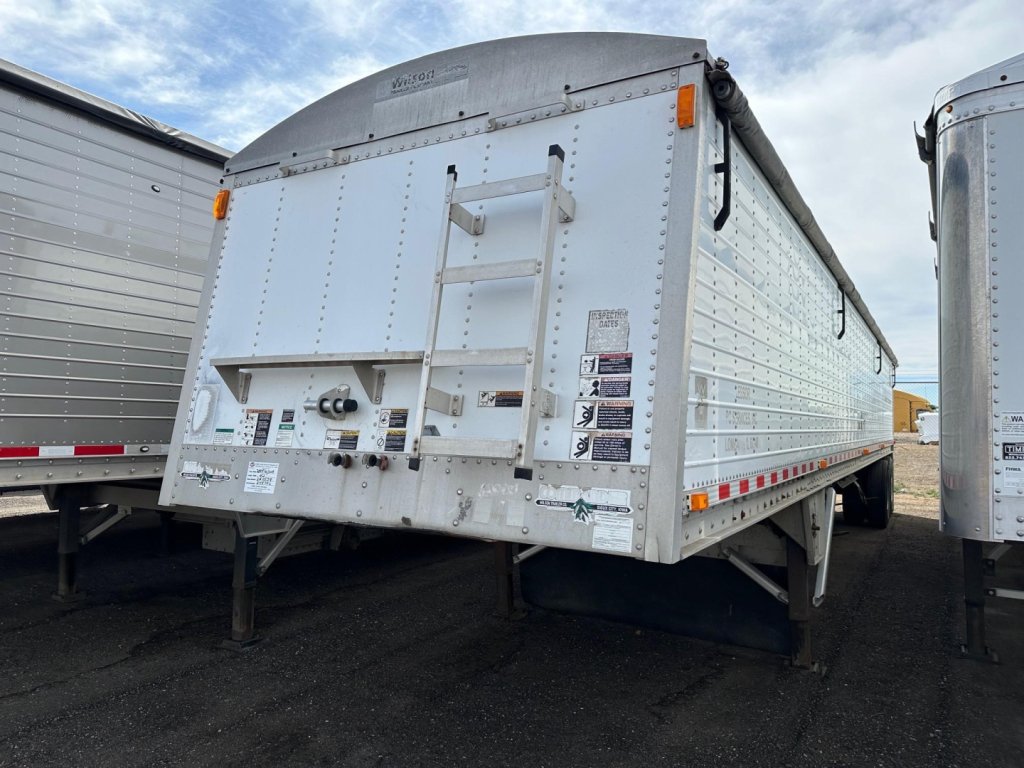
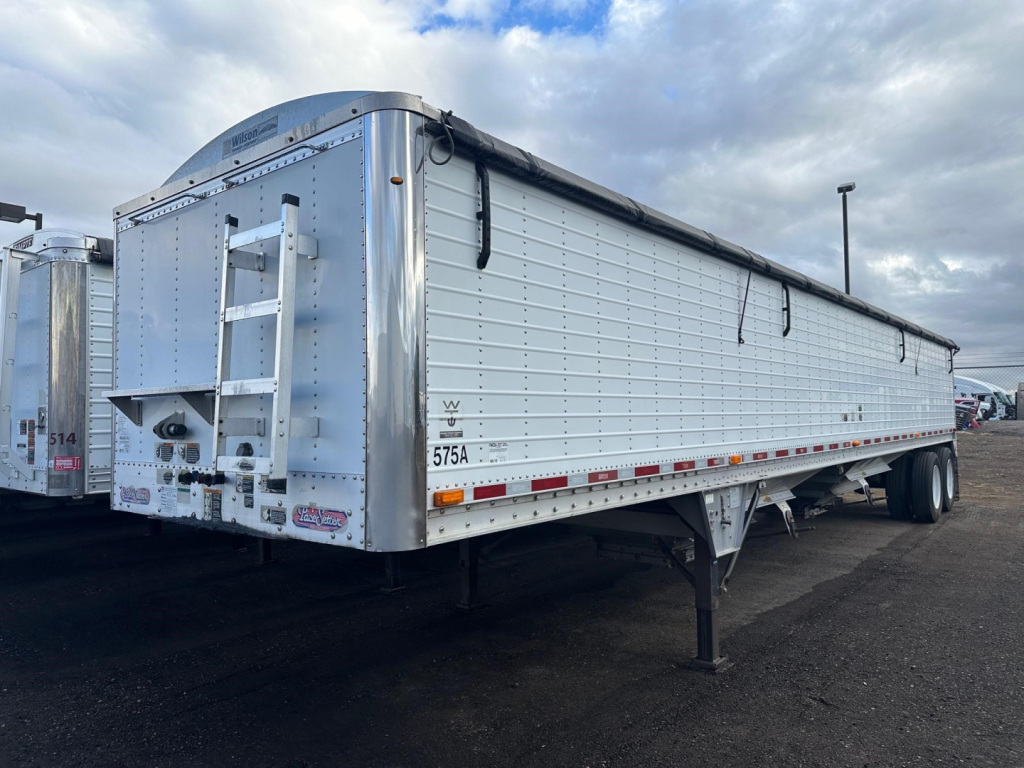
For buyers focused on Wilson hopper trailers, the main decisions usually come down to length, side height, axle configuration, hopper style, and tarp setup. Common specs include 43-foot and 50-foot lengths, 96-inch width, tandem or tri-axle layouts, air ride suspension, and ag hoppers with manual or electric roll tarps. Many used Wilson grain hoppers also show up with front and rear ladders, catwalks, stainless front corners or radius panels, load scale gauges or air scales, and vibrator packages for tougher commodity flow. Side heights in the 72-inch to 79-inch range are common, and that dimension affects cubic capacity, legal loading strategy, and the types of commodities the trailer can handle efficiently.
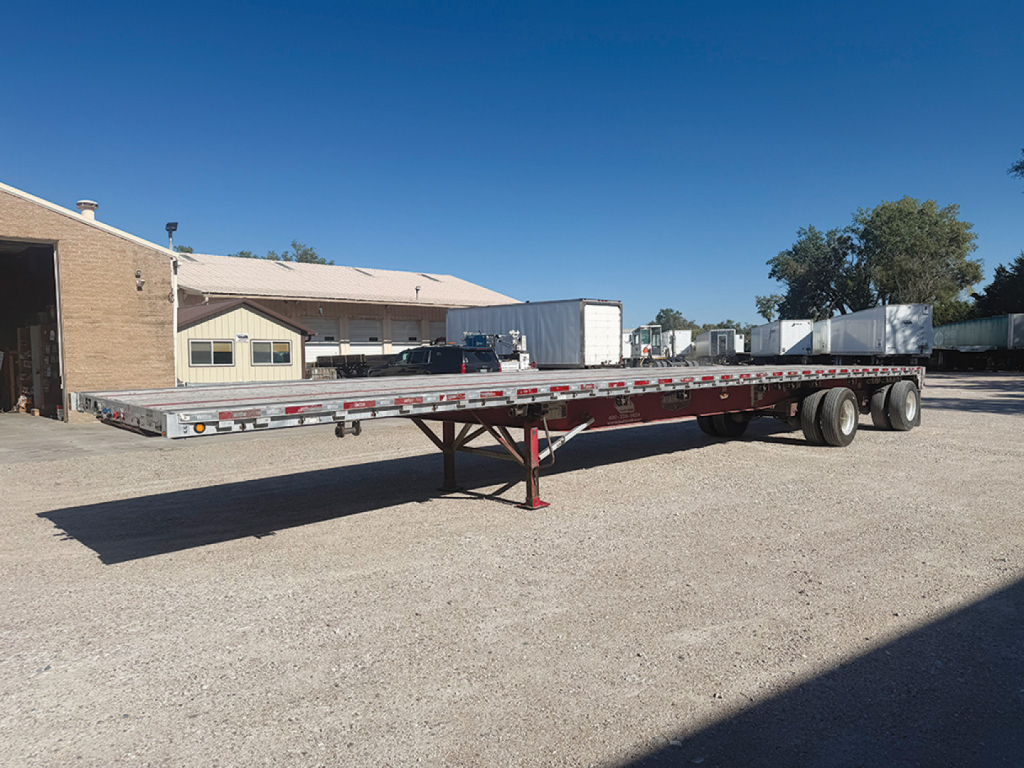
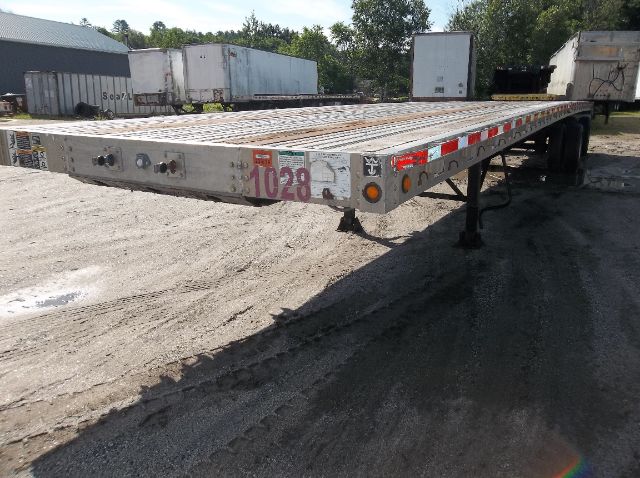
Wilson flatbed trailers, often referred to as combo flatbeds, are built around the same lightweight aluminum philosophy but aimed at packaged freight, building materials, machinery, and general open-deck hauling. Buyers should pay close attention to trailer length and width, axle spread or closed tandem setup, floor condition, suspension type, wheel spec, and whether the trailer is equipped with sliding winches, side rails, and securement-friendly layout details. On used Wilson flatbeds, crossmember condition, floor wear, rail damage, and signs of overloading are more important than cosmetics alone. A clean-looking trailer still needs a close inspection at the suspension points, kingpin area, landing gear mounts, and rear frame.
Condition matters differently depending on application. On a used Wilson hopper, inspect door seals, trap operation, tarp bows, crank or motor function, subframe condition, and any cracking around the hopper outlets and support structure. On tri-axle grain trailers, verify lift axle function and tire wear across all positions. On a used Wilson flatbed, check for deck repairs, bent winch tracks, rub rail damage, and corrosion around mixed-material connection points. Buyers who compare payload needs, commodity type, route length, and unloading method usually narrow the field quickly, because Wilson trailers tend to hold a consistent place in the market as lightweight, purpose-built units for agricultural and open-deck operations.
Frequently Asked Questions about Used Wilson Trailers
What are the most common types of used Wilson trailers?
The most common used Wilson trailers on the market are aluminum hopper bottom grain trailers and combo flatbed trailers. Wilson Pacesetter hoppers are widely used in agricultural hauling for grain, feed, and other free-flowing bulk commodities. Wilson combo flatbeds are common in construction, manufacturing, and general freight applications where low tare weight and corrosion resistance are important.
What should I check first on a used Wilson hopper trailer?
Start with the hopper doors, seals, tarp system, suspension, and structural condition around the hoppers and subframe. Buyers should also inspect ladders, catwalks, landing gear, trap linkages, and any scale system if equipped. Uneven tire wear, cracked welds, and hard-to-operate doors can point to maintenance issues or heavy-use history that affects long-term value.
Are Wilson trailers known for lightweight construction?
Yes. Wilson trailers are well known for aluminum construction that helps reduce trailer weight and improve payload potential. That is a major reason they are popular in grain and flatbed applications, where every pound of tare weight can affect revenue. Lightweight design does not replace the need for structural inspection, especially on older units or trailers used in high-cycle service.
What length and axle setups are common on used Wilson grain hoppers?
Common used Wilson grain hoppers include 43-foot tandem axle trailers and 50-foot tri-axle trailers. Tandem axle units are often chosen for simpler operations and certain legal weight strategies, while tri-axle trailers can offer more flexibility in specific states and applications. The right setup depends on commodity, route, bridge law considerations, and how the trailer will be loaded and unloaded.
What matters most when buying a used Wilson flatbed trailer?
The most important factors are frame and deck condition, suspension health, axle configuration, and securement equipment. Buyers should inspect the aluminum floor, crossmembers, rub rails, sliding winches, landing gear, and kingpin area closely. A used Wilson flatbed can be a strong value if the structure is straight and the trailer has not suffered repeated overload damage or poor repair work.