
Drop Deck Trailers For Sale
Shop drop deck trailers with lower deck height, 48' to 53' lengths, air ride, winch tracks, and ramp options for taller freight.
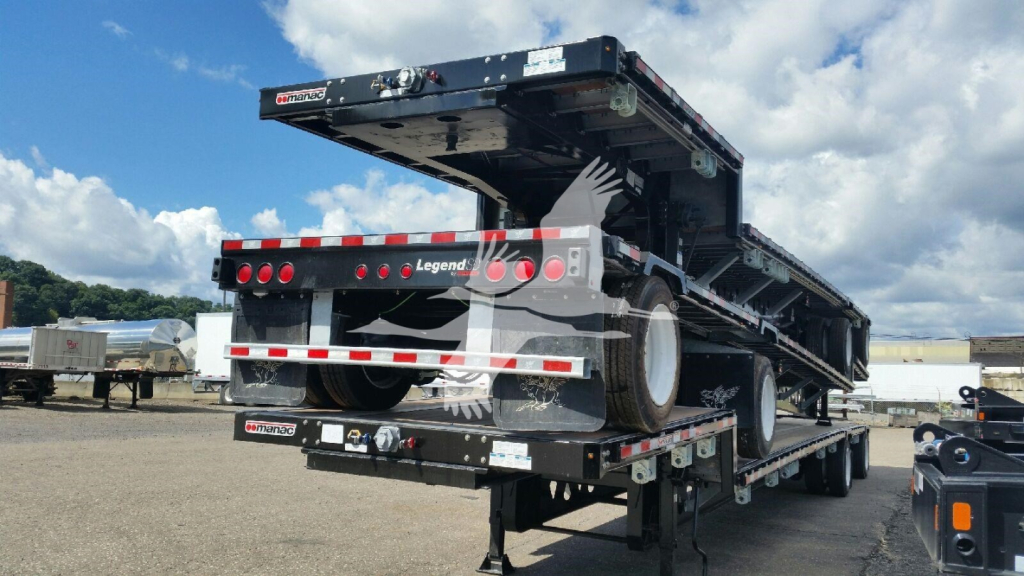
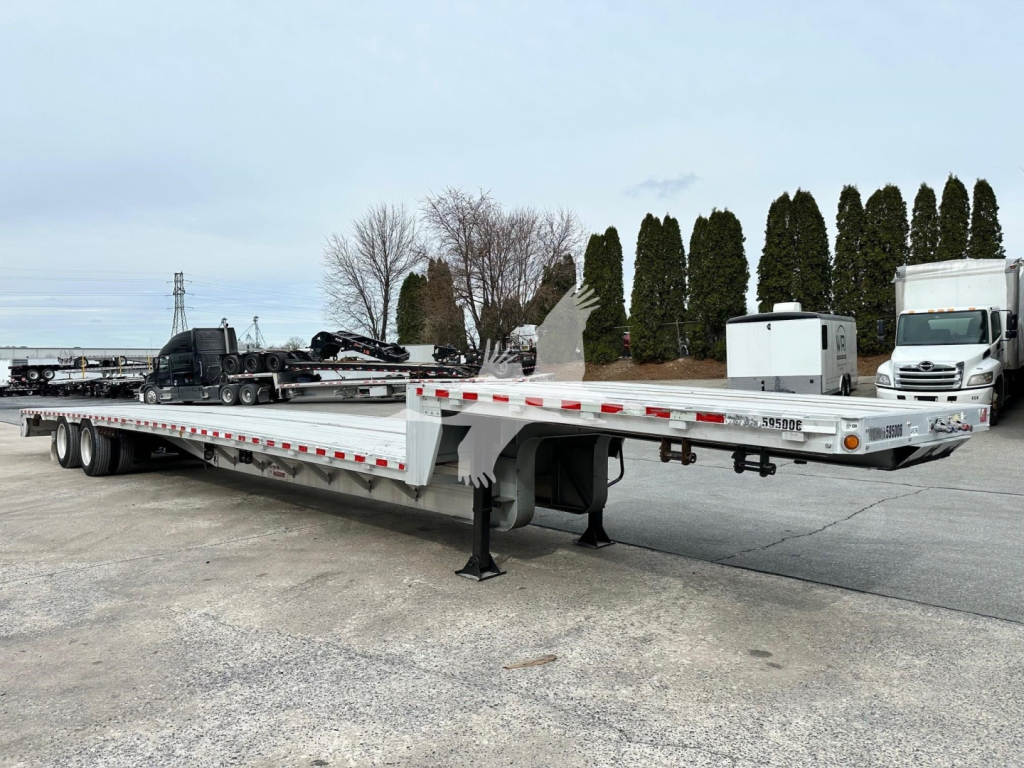
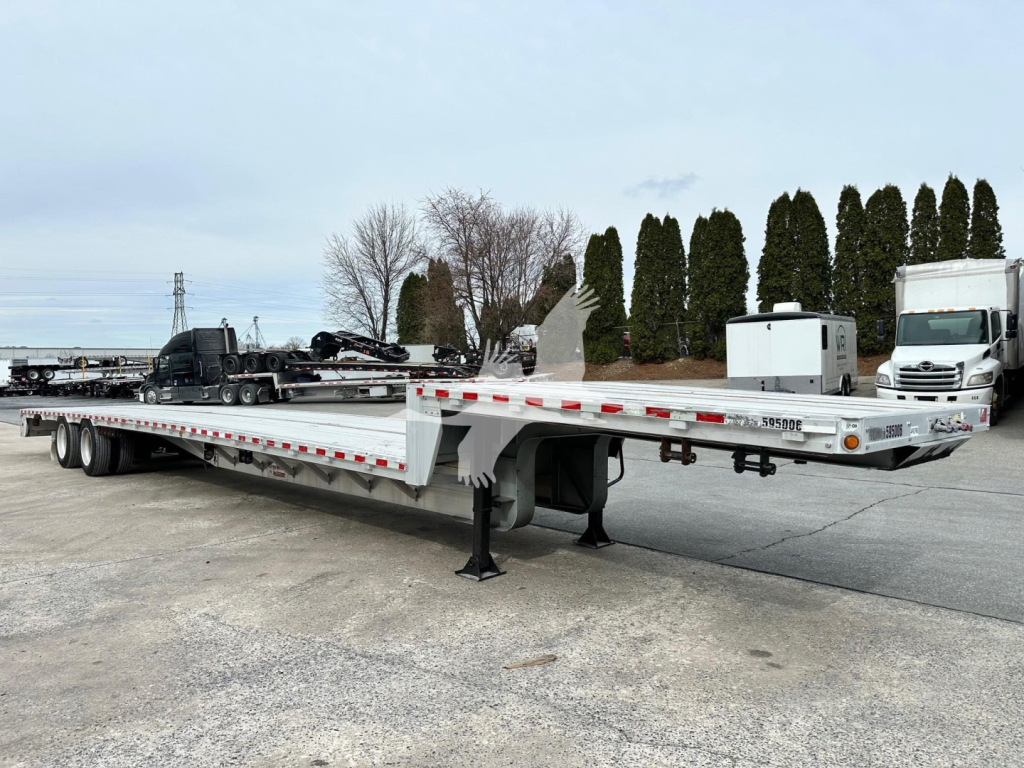
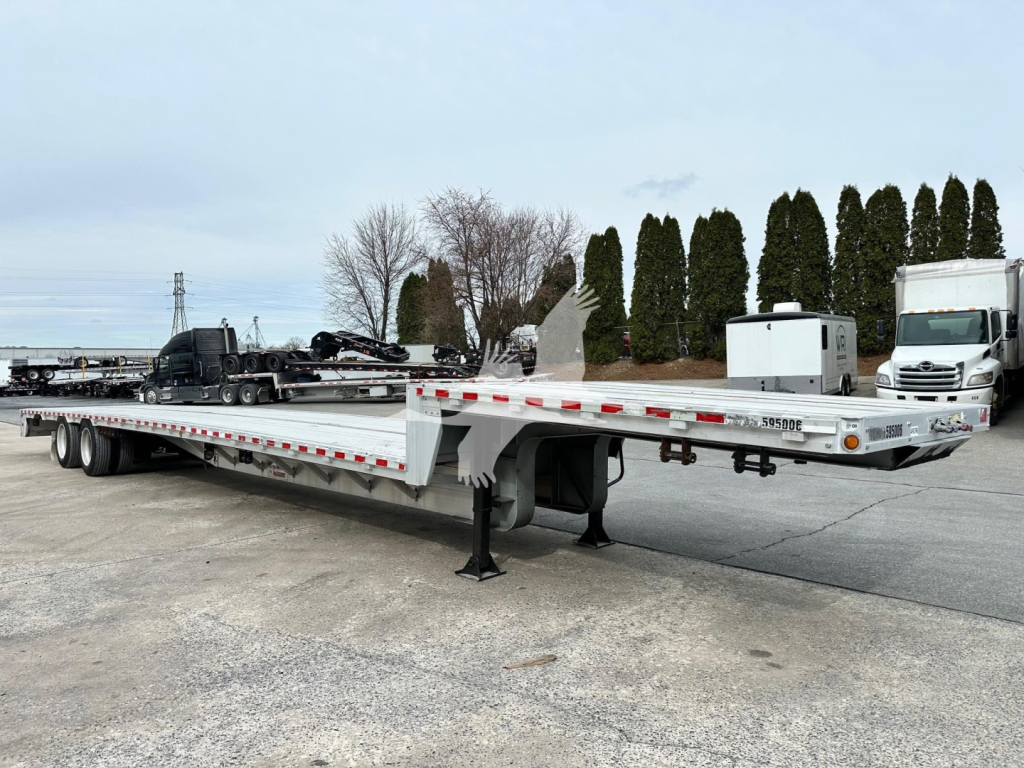
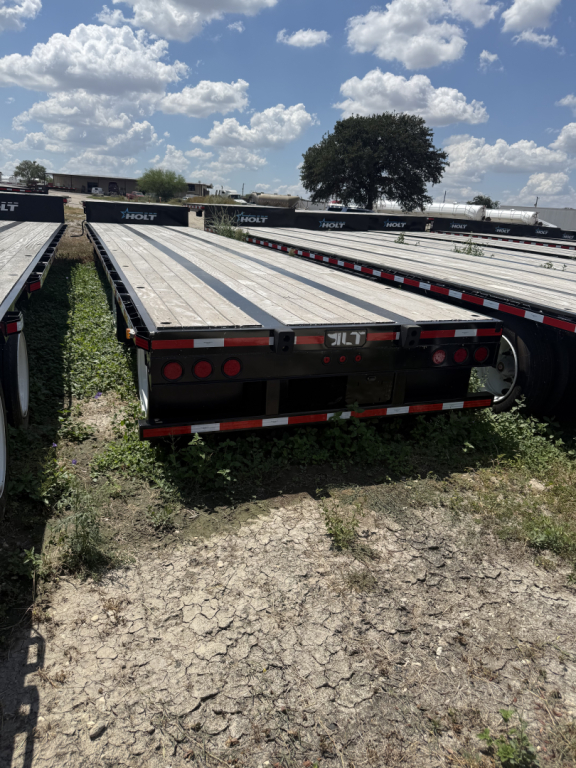
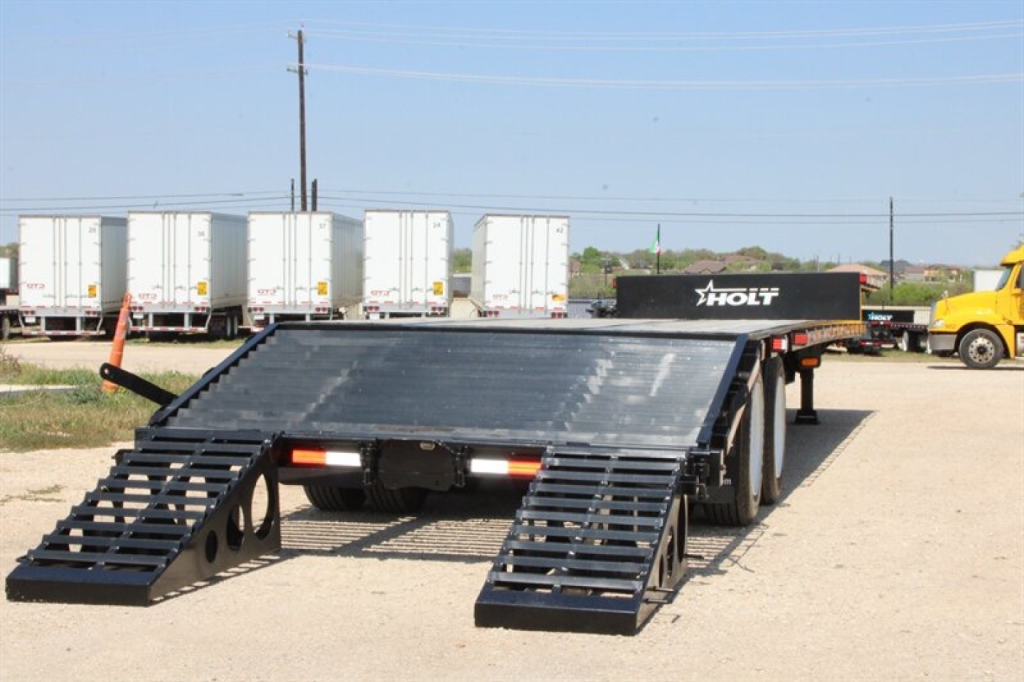
2025 Iron Lite DROP DECK WITH DOVE TAIL 53´
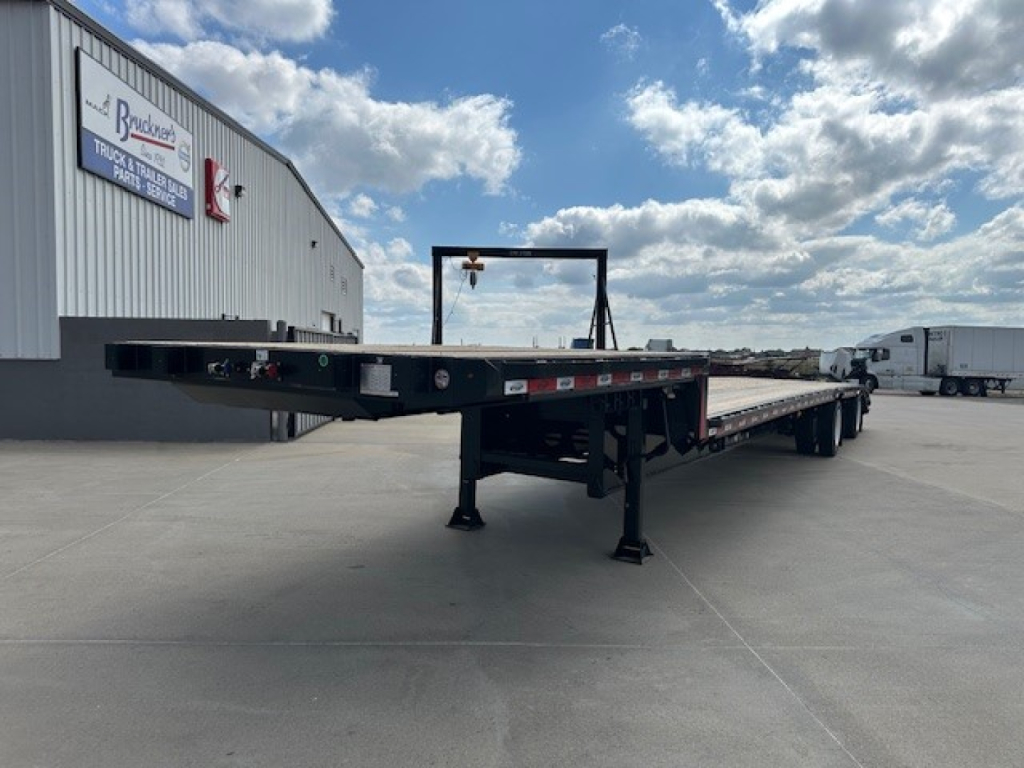
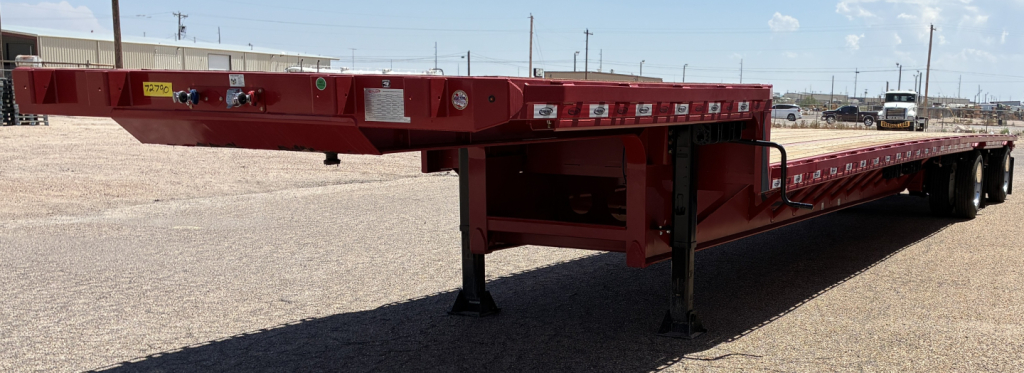
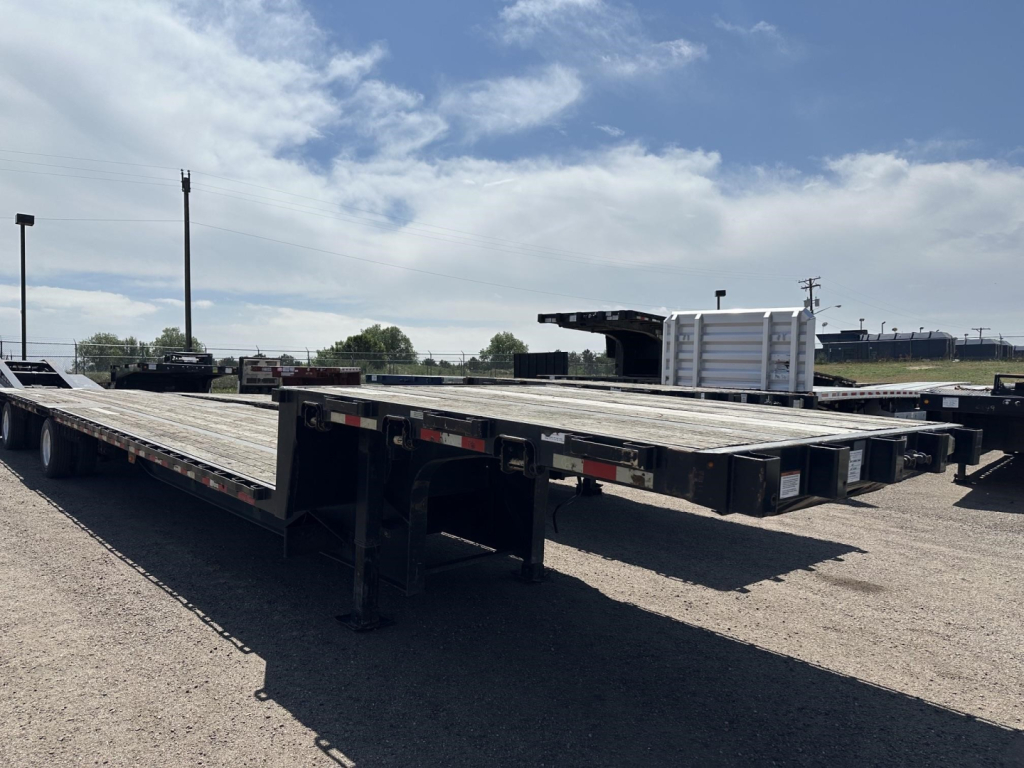
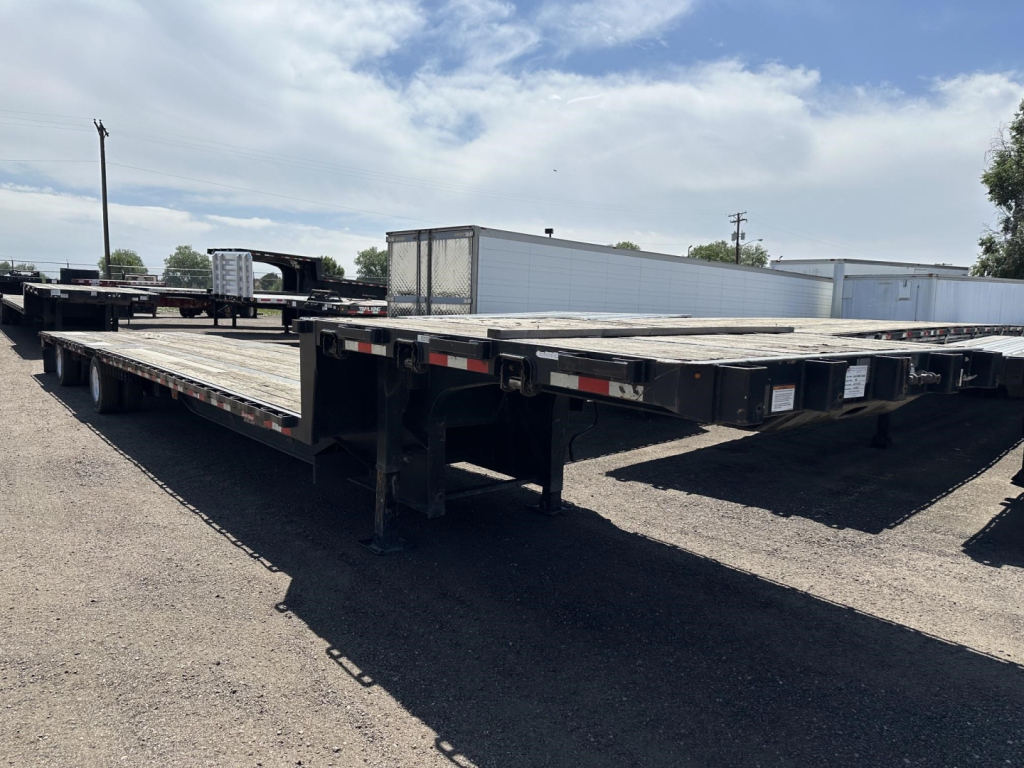
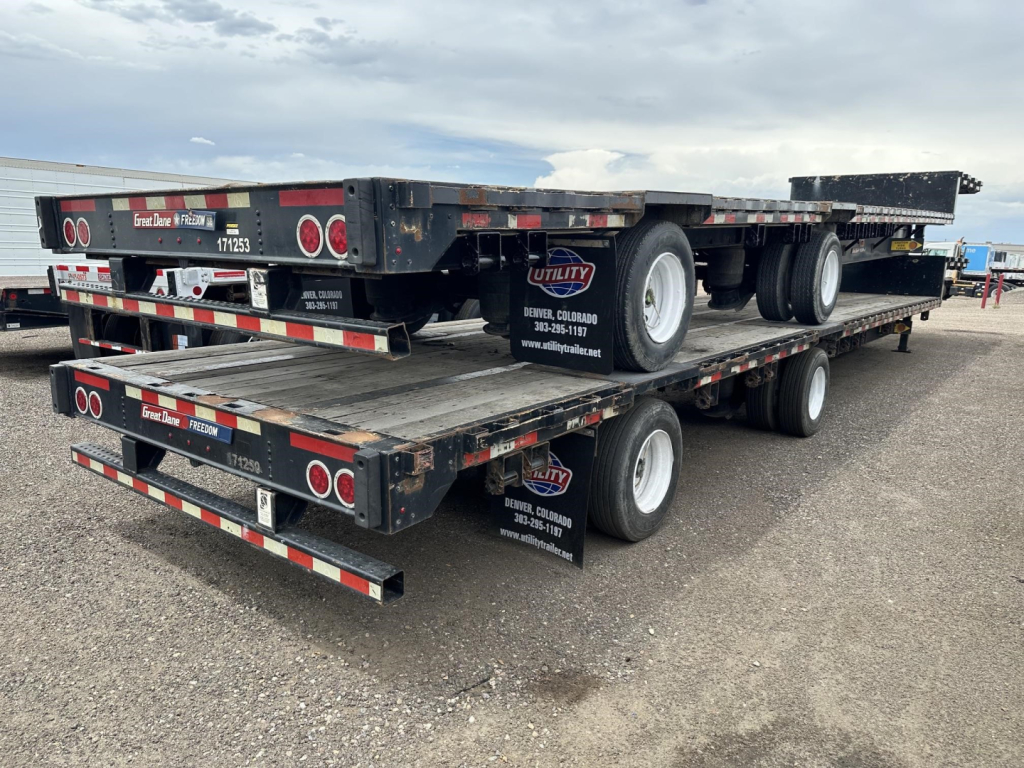
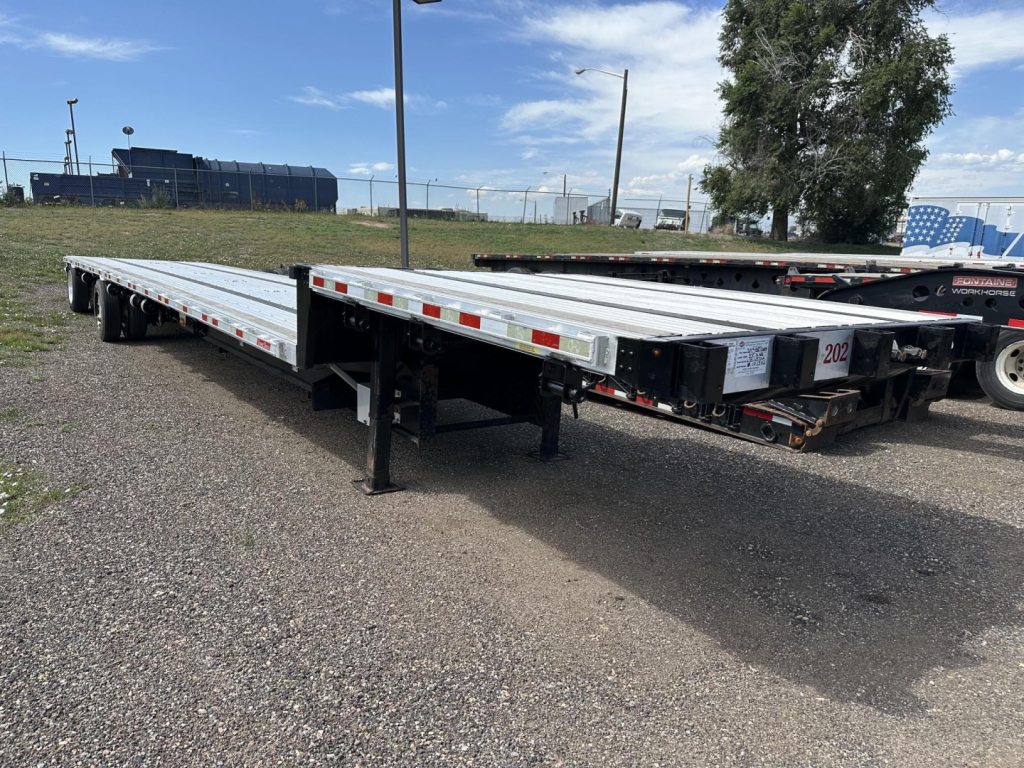
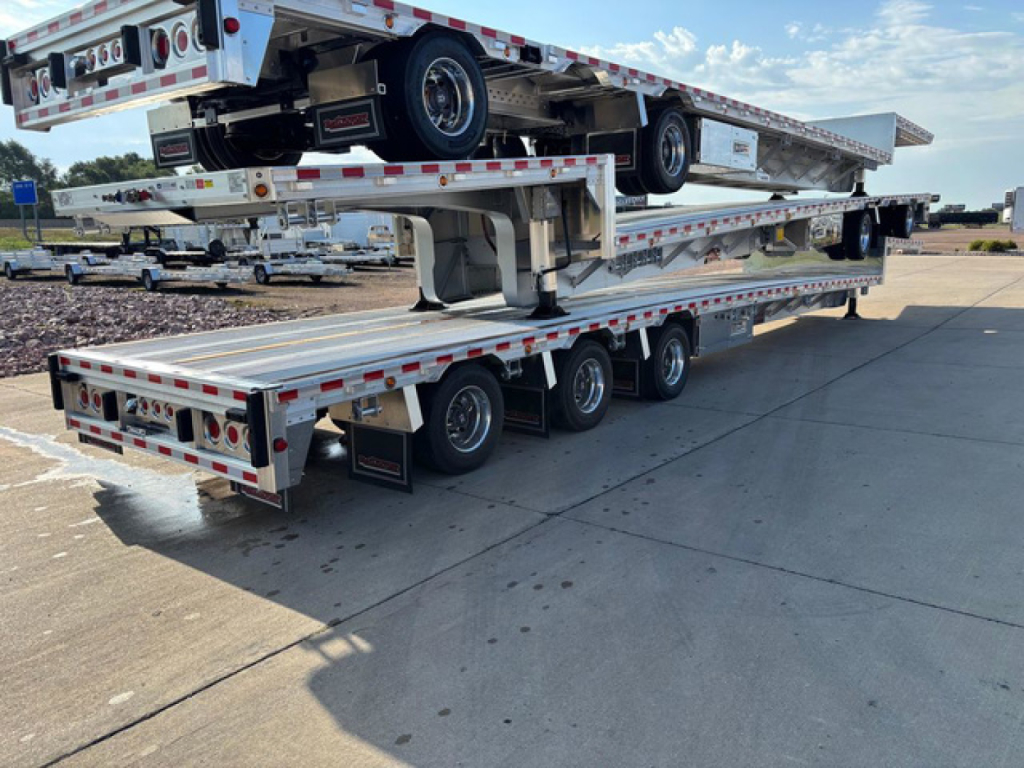
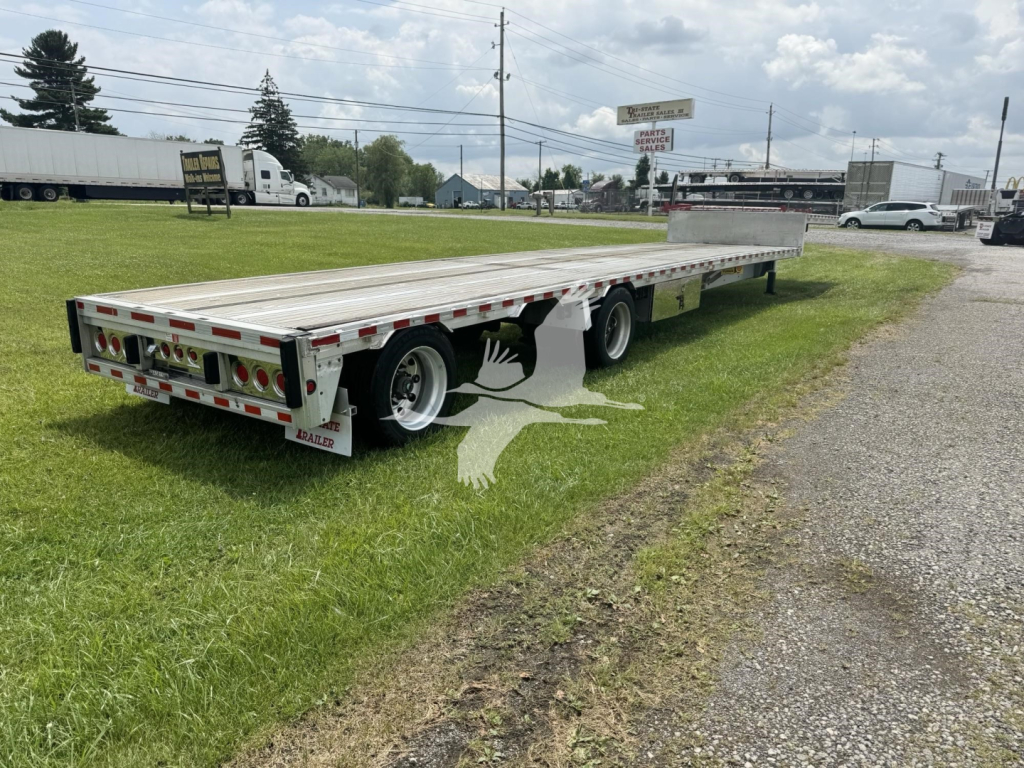
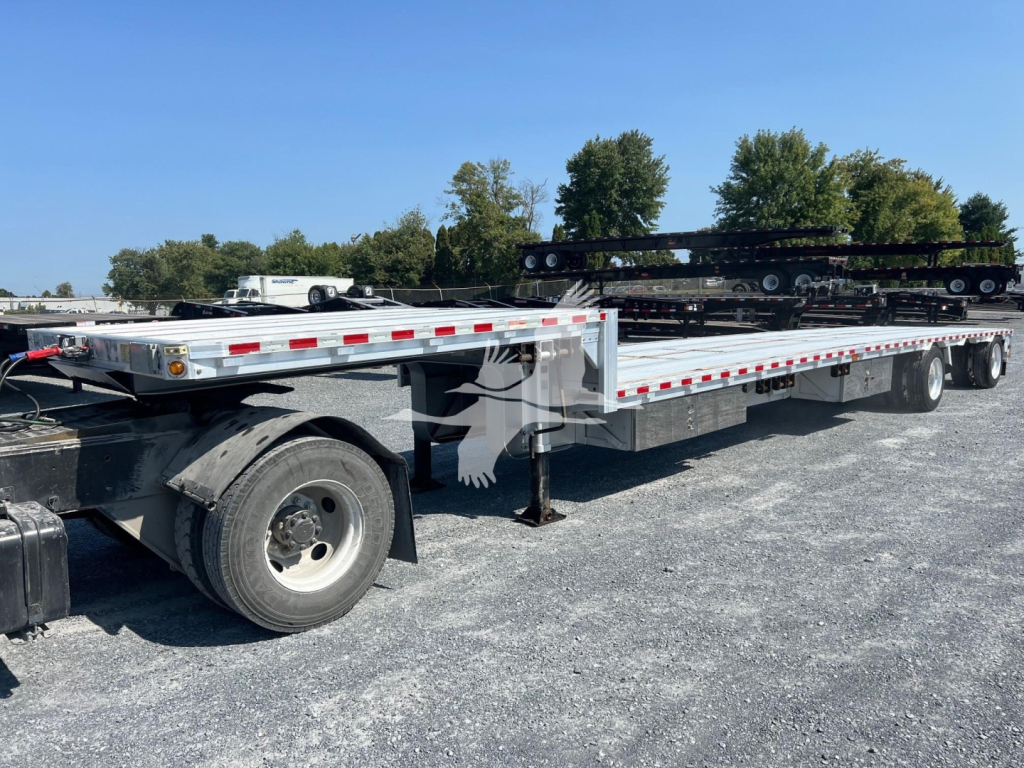
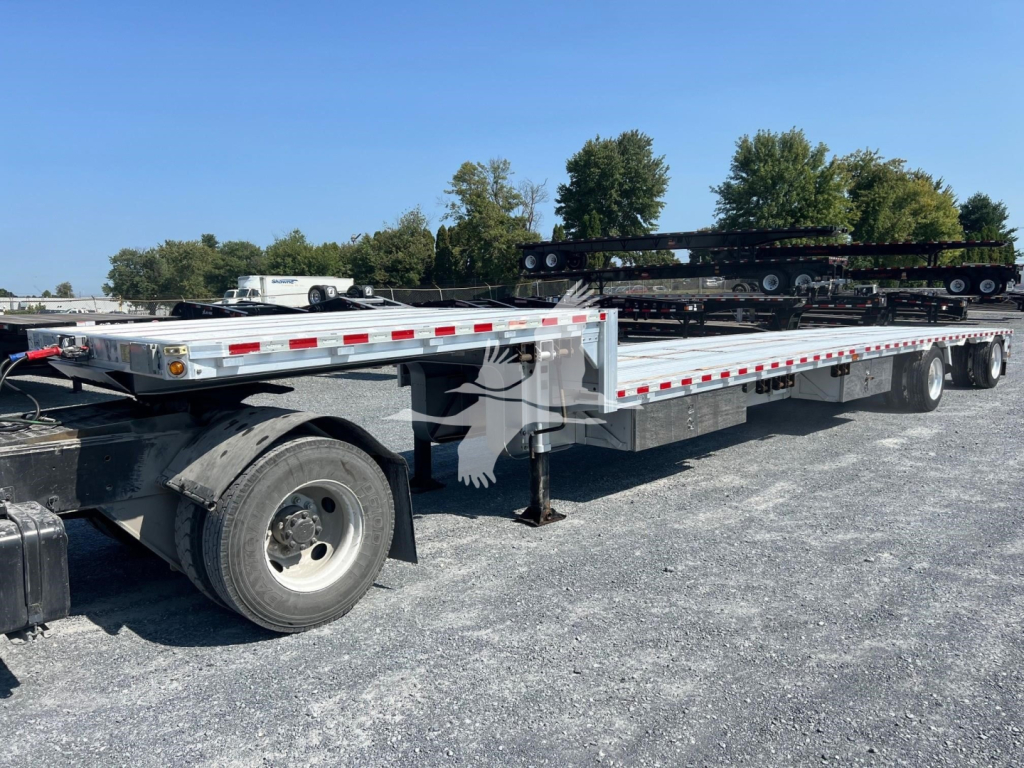
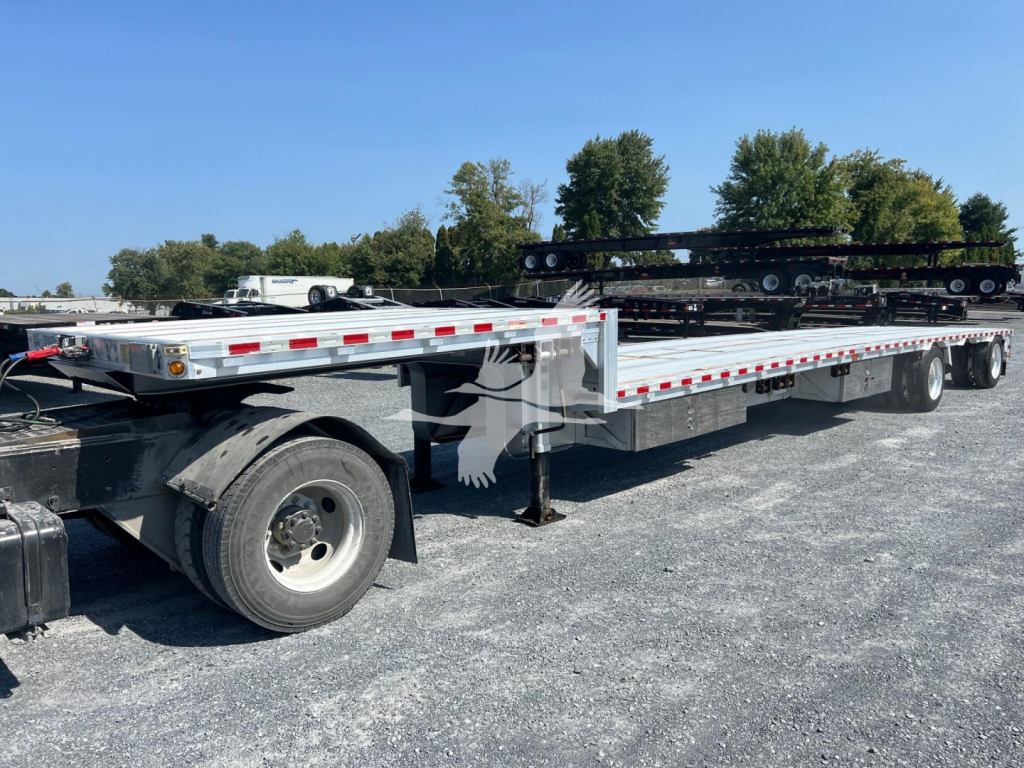
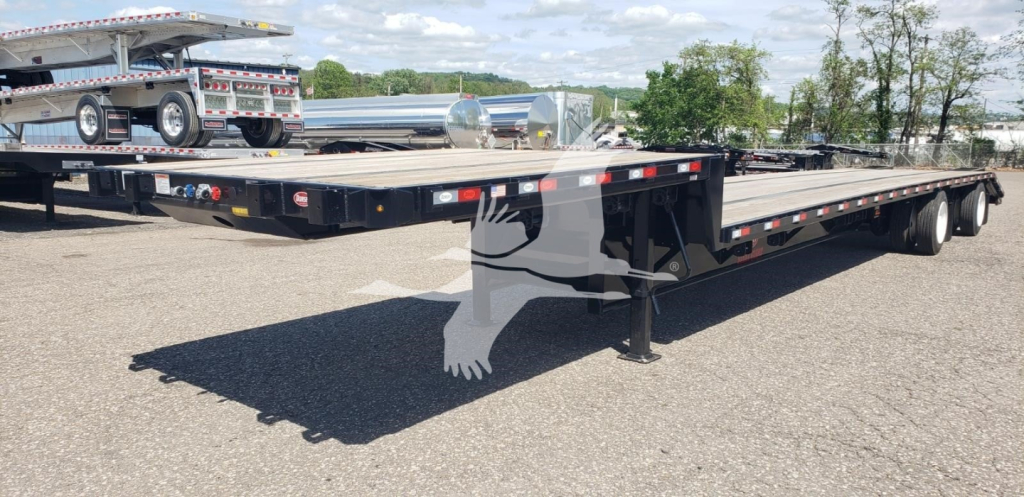
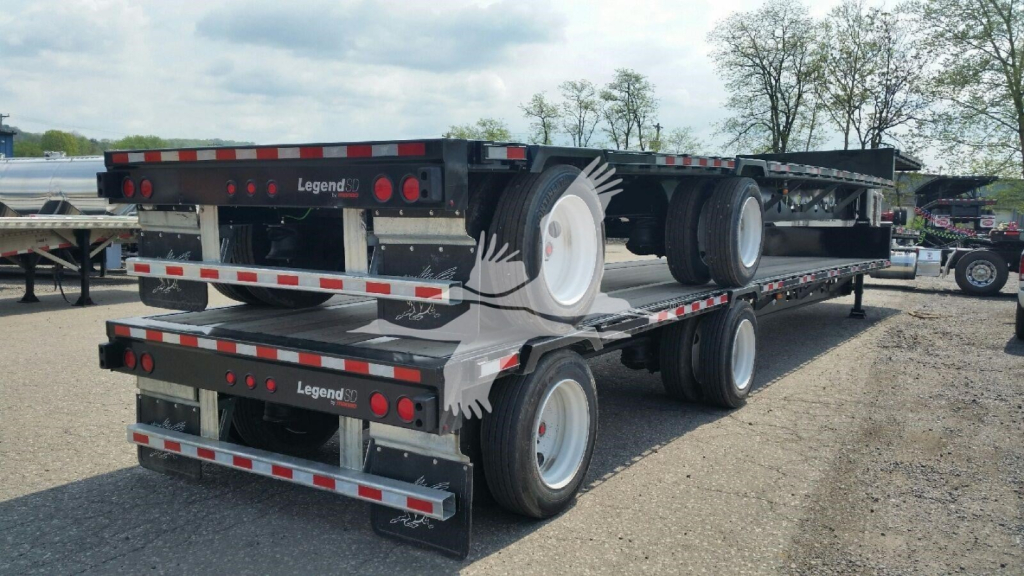
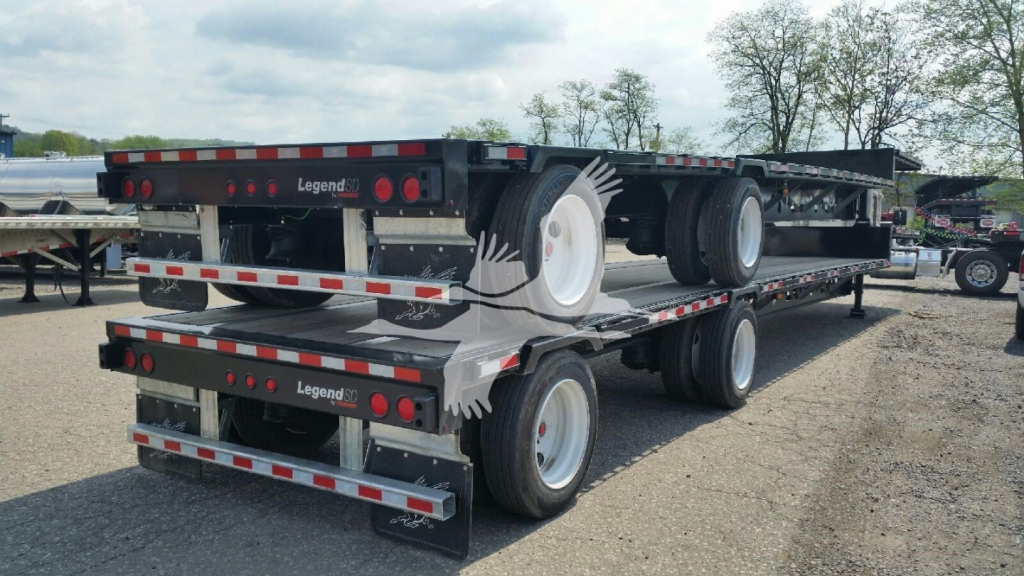
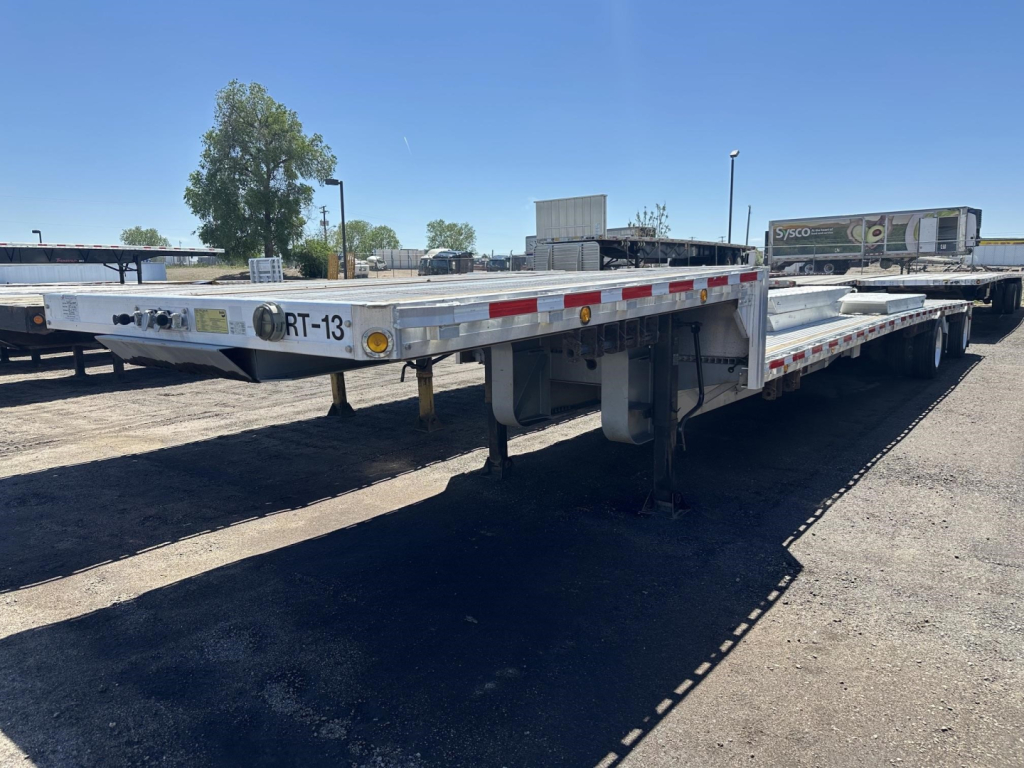
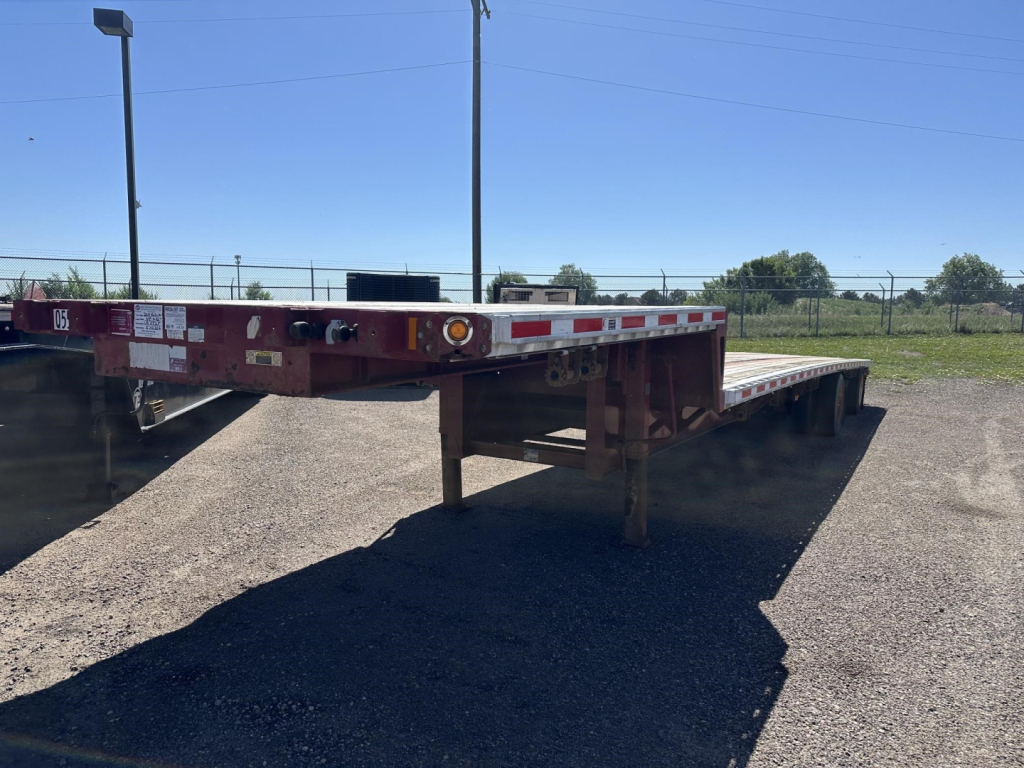
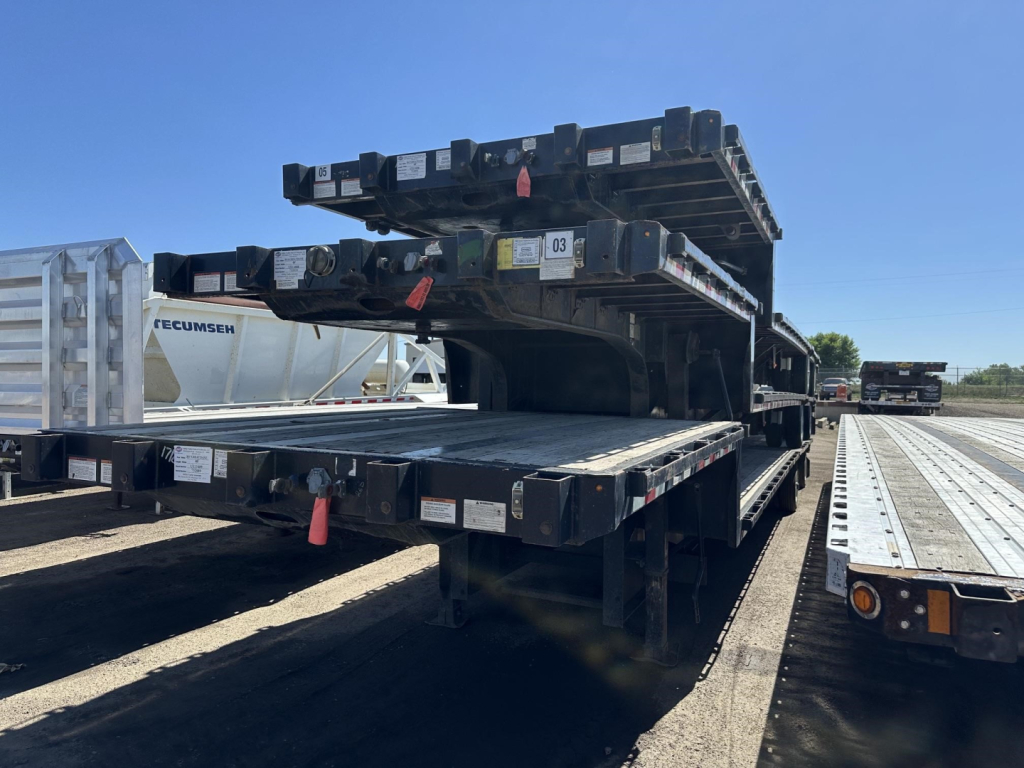
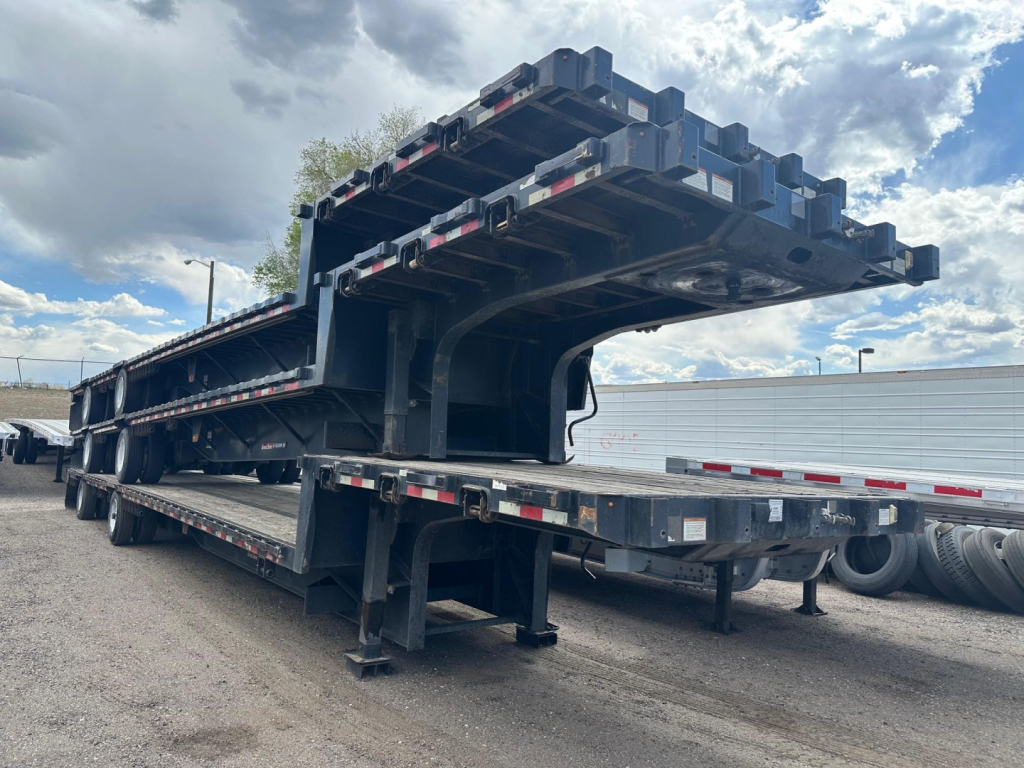
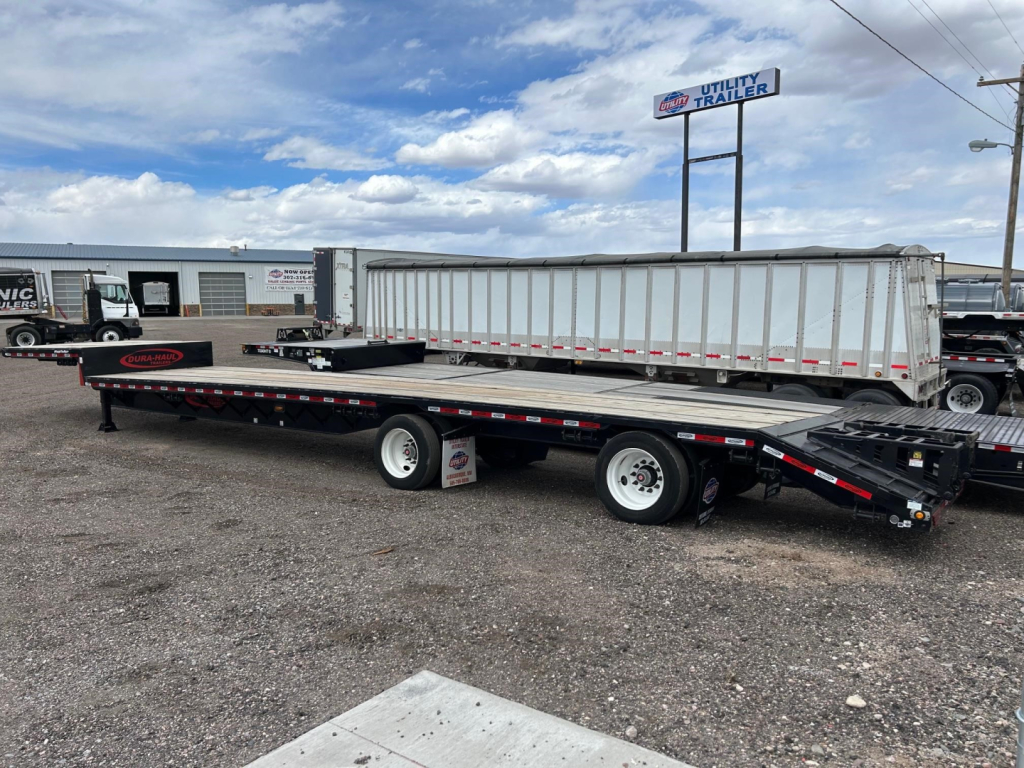
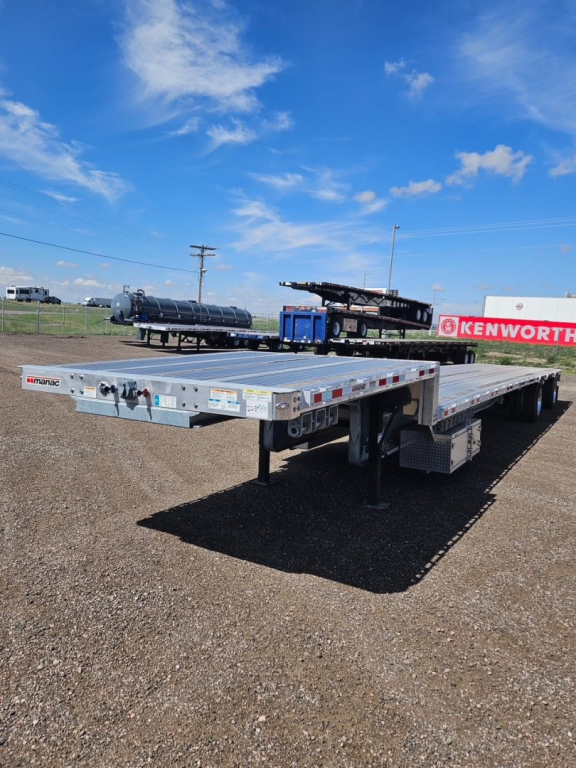
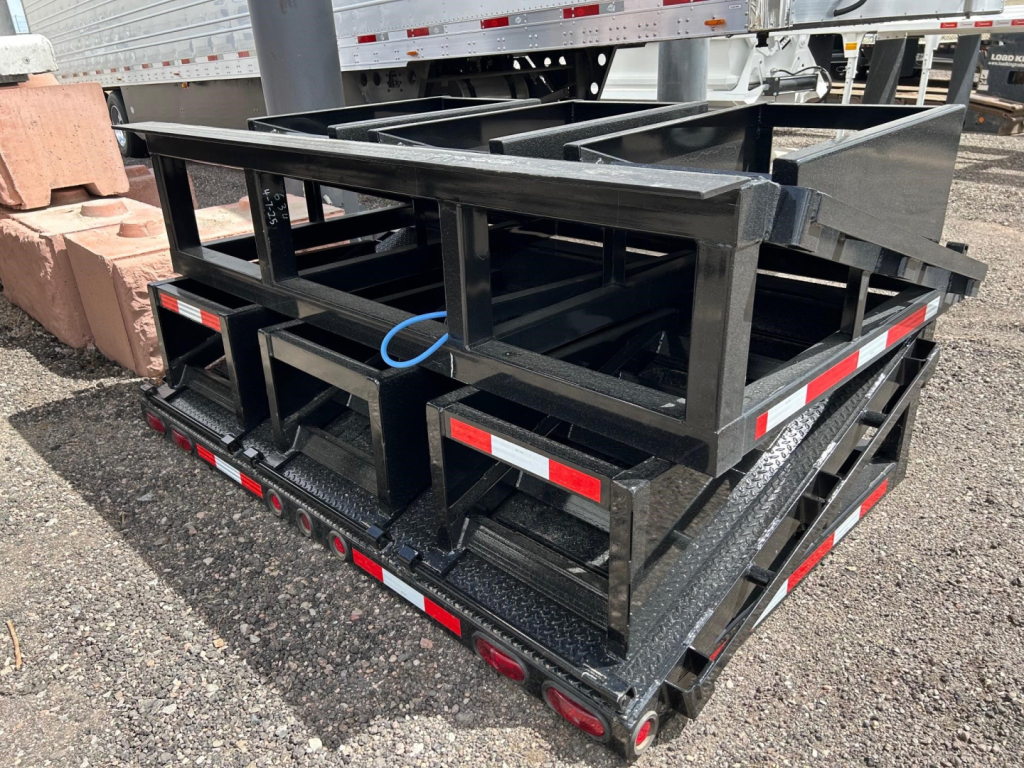
Showing 29 to 56 of 186 results
Have drop deck trailer to sell? List it here to reach thousands of buyers.
Drop Deck Trailers
The spec choices that matter most are trailer composition, deck layout, axle arrangement, and securement package. Steel drop decks usually cost less up front and take jobsite abuse well, while aluminum or combination trailers help reduce tare weight and increase payload. Apitong flooring remains common because it holds up under concentrated loads and repeated forklift traffic. Many buyers look for 12 sliding winches, roadside winch track, double pipe spools, stake pockets, and side rails deep enough for flat hooks. If the freight mix includes equipment, a beavertail with spring-assisted ramps can save time and reduce the need for separate loading tools. Coil packages, extra crossmembers, and tie bars are worth attention if steel, machinery, or mixed freight is part of the plan.
Axle and suspension setup can make a major difference in where and how a drop deck trailer runs. Tandem air ride suspensions are the standard, but fixed spread and sliding spread configurations affect bridge compliance, turning radius, tire wear, and state legality. California-legal sliding rear axle setups are especially relevant for fleets crossing western routes. Kingpin setting, suspension spread, and dump valve configuration also matter more than many first-time buyers expect because they influence tractor compatibility, maneuverability, and dock behavior. Tire size can vary from 17.5 low-profile setups to 22.5 rubber, and that choice can affect deck height, replacement cost, and parts commonality across the fleet.
A good drop deck is not just about legal height. It is about matching deck length, concentrated load capacity, and securement layout to the freight you actually haul. Check the loaded deck height, crossmember spacing, GVWR, and weight in a 10-foot section if heavy equipment or dense material is involved. Look closely at landing gear, rear impact area, mud flap brackets, lighting, and suspension brand because these details affect uptime and maintenance costs over the life of the trailer. For many open-deck operations, a well-spec'd drop deck trailer sits in the sweet spot between a standard flatbed and a specialized heavy-haul unit.
Frequently Asked Questions about Drop Deck Trailers
What is the difference between a drop deck trailer and a flatbed trailer?
A drop deck trailer has two deck levels, with the main deck sitting lower than the front deck. That lower loaded deck height allows taller freight to move legally without stepping up to a lowboy. A standard flatbed has one continuous deck height, so it is simpler for some loading patterns but gives up vertical clearance for over-height cargo.
What freight is a drop deck trailer commonly used for?
Drop deck trailers are commonly used for construction equipment, forklifts, palletized materials, pipe, steel products, lumber, tanks, and crated machinery. They are a strong fit for freight that is tall, awkward, or loaded by forklift from the side. Models with beavertails and ramps are especially useful for self-propelled equipment and rolling cargo.
Should I choose a steel, aluminum, or combo drop deck trailer?
Steel trailers generally offer lower purchase cost and strong durability in hard-use environments, but they carry more tare weight. Aluminum trailers reduce empty weight and can improve payload, which matters on higher-volume or weight-sensitive lanes. Combination trailers try to balance both, often using aluminum in weight-saving areas and steel where added strength or wear resistance is needed.
Are 48-foot or 53-foot drop deck trailers better?
A 48-foot drop deck can be easier to maneuver and may suit regional or specialized freight well. A 53-foot trailer usually provides more usable deck space and better flexibility for mixed open-deck freight, especially when load planners want more lower deck length. The better choice depends on freight dimensions, route restrictions, and how often the trailer needs to carry multiple partial loads.
What specs should I pay closest attention to on a drop deck trailer?
The most important specs are main deck height, upper and lower deck length, trailer weight, axle configuration, suspension type, and securement equipment. Buyers should also review crossmember spacing, flooring type, kingpin setting, concentrated load rating, and whether the trailer has ramps, a beavertail, a coil package, or a sliding rear axle. Those details determine how well the trailer fits the freight, tractor, and operating region.