
2027 Drop Deck Trailers For Sale
Browse 2027 drop deck trailers with 48' and 53' lengths, air ride, spread axles, ramps, and deck specs suited for taller legal-height freight.
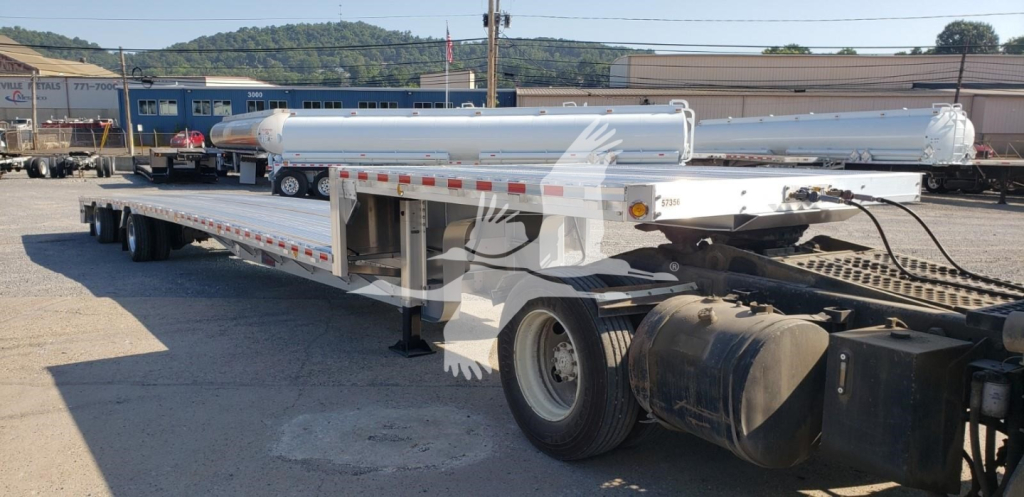
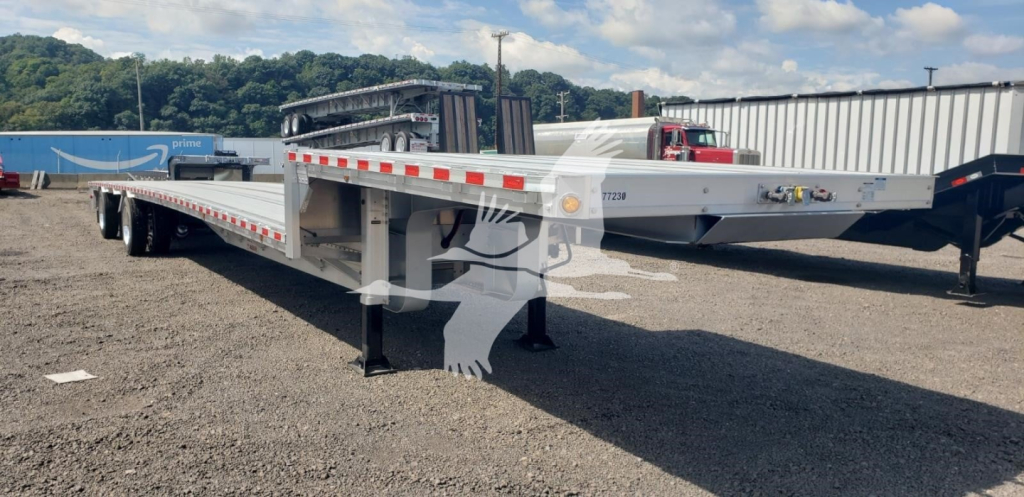
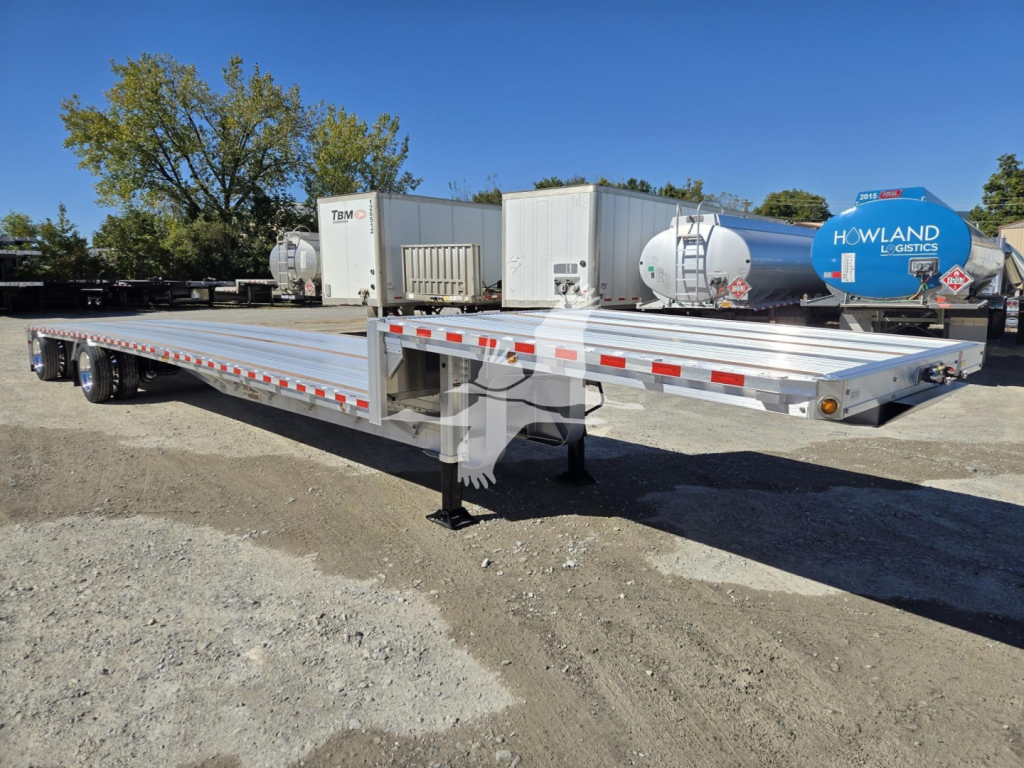
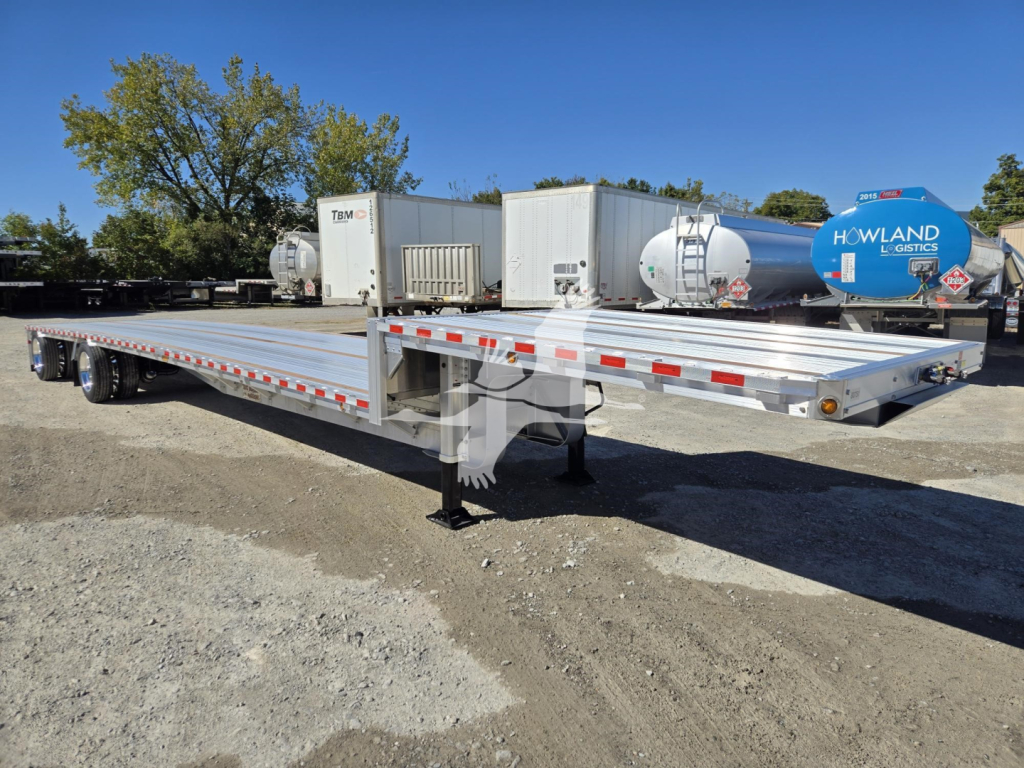
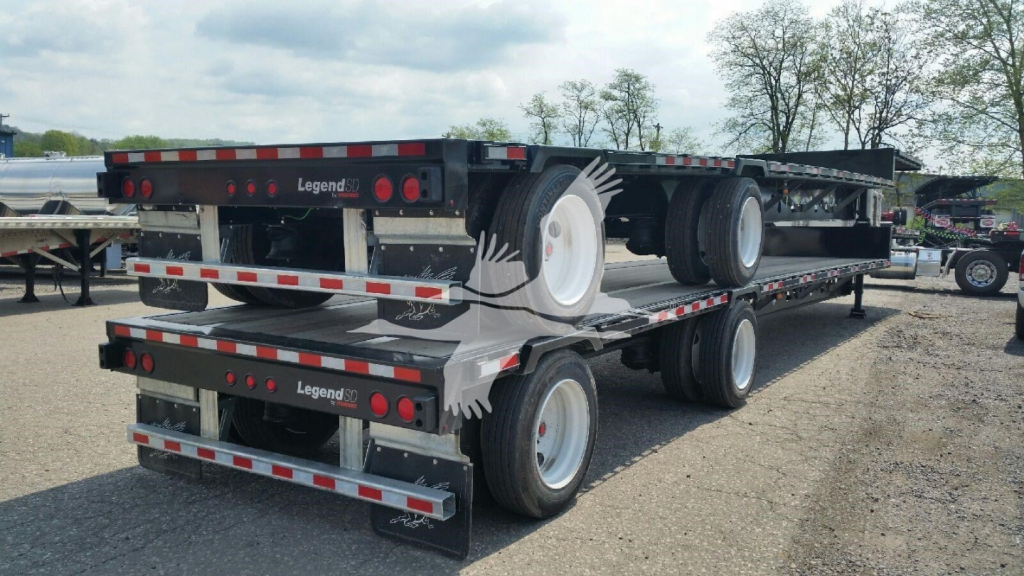
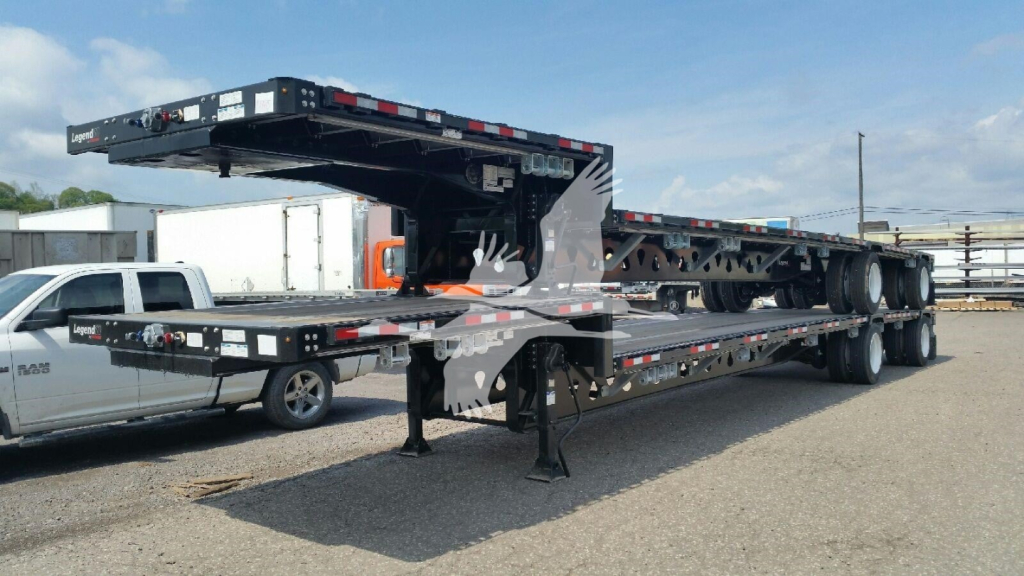
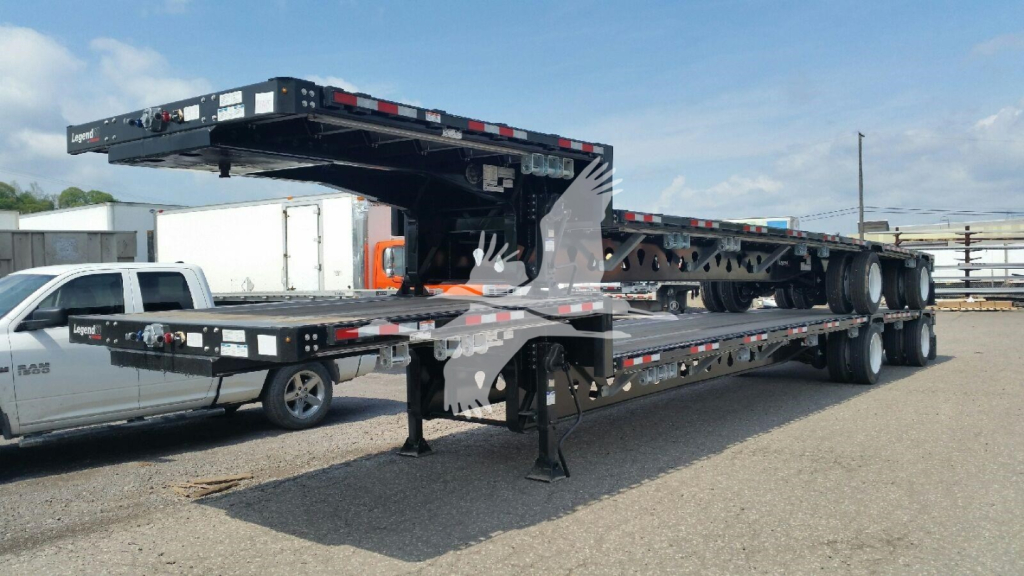
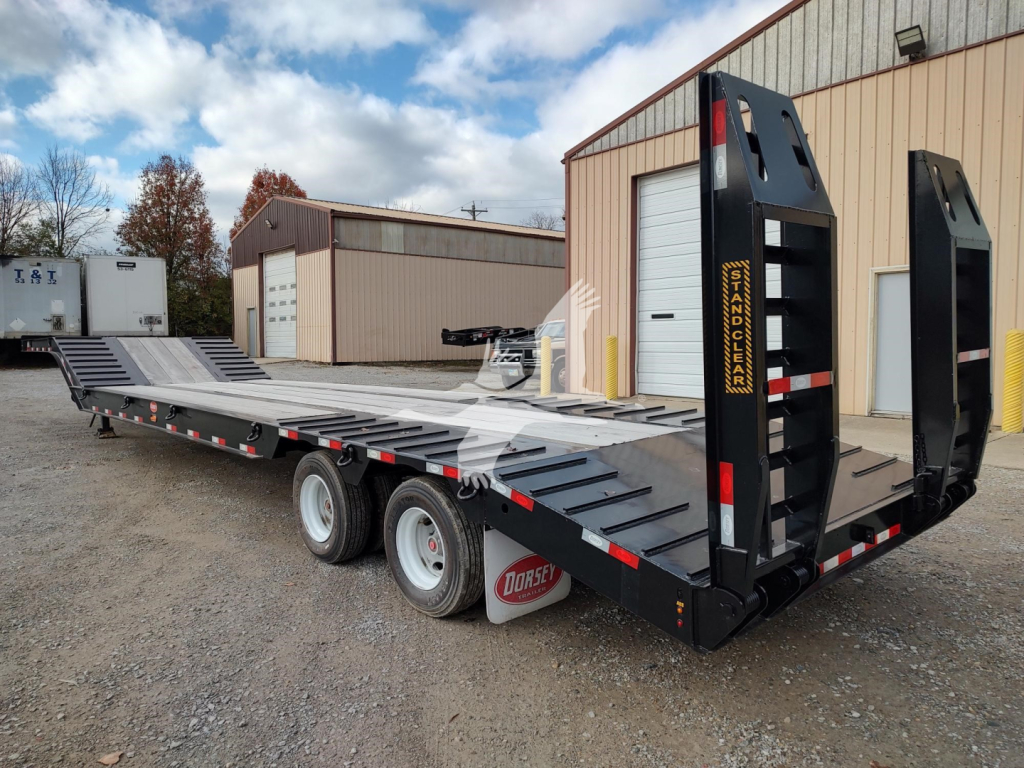
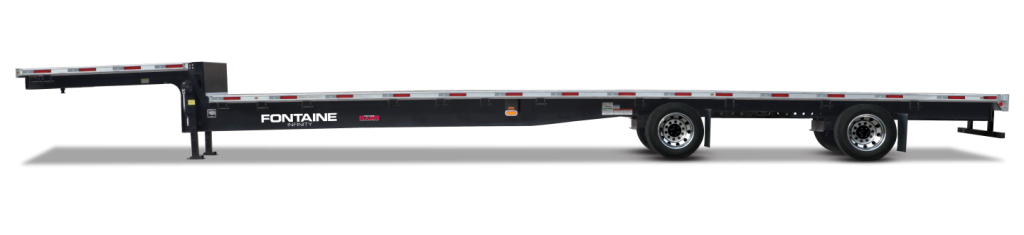
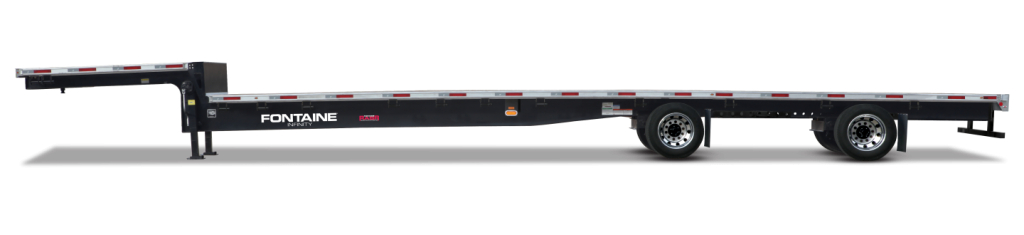
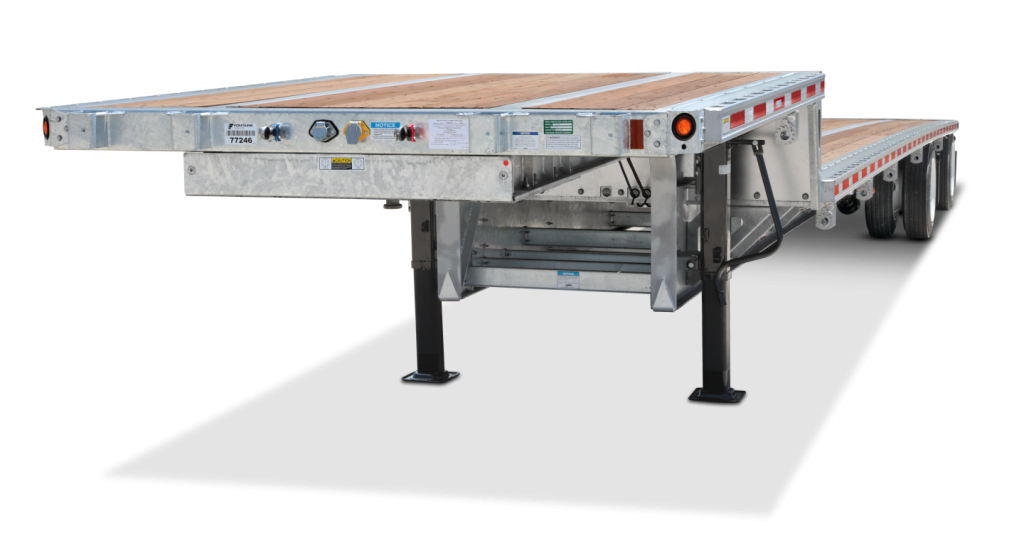
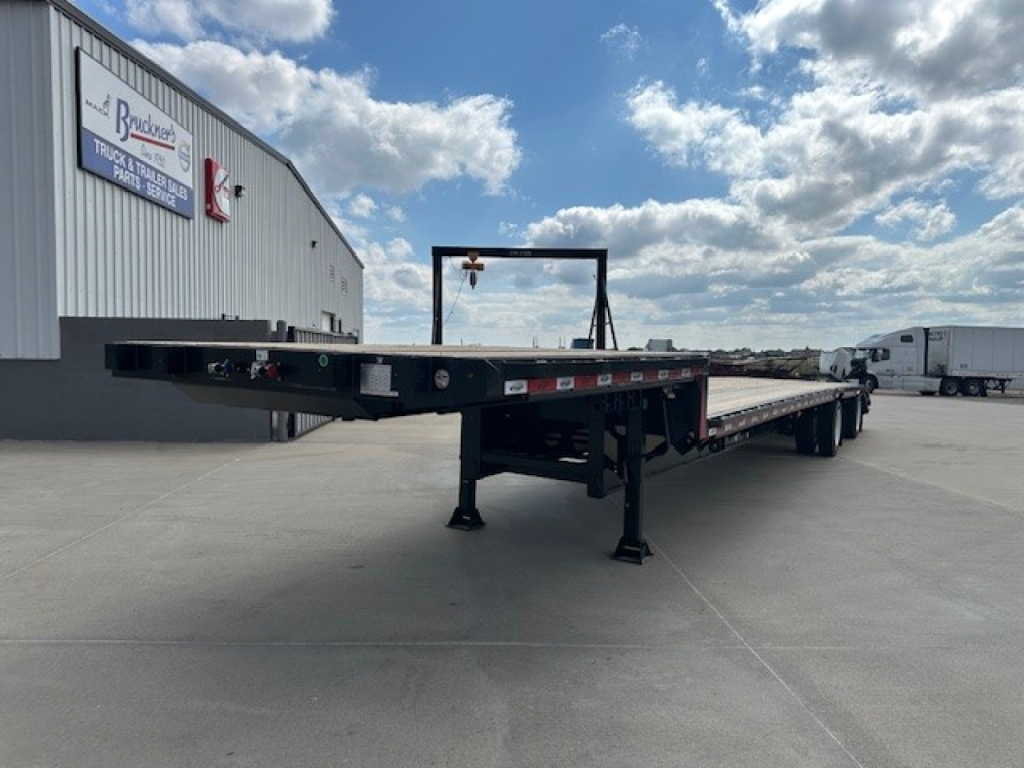
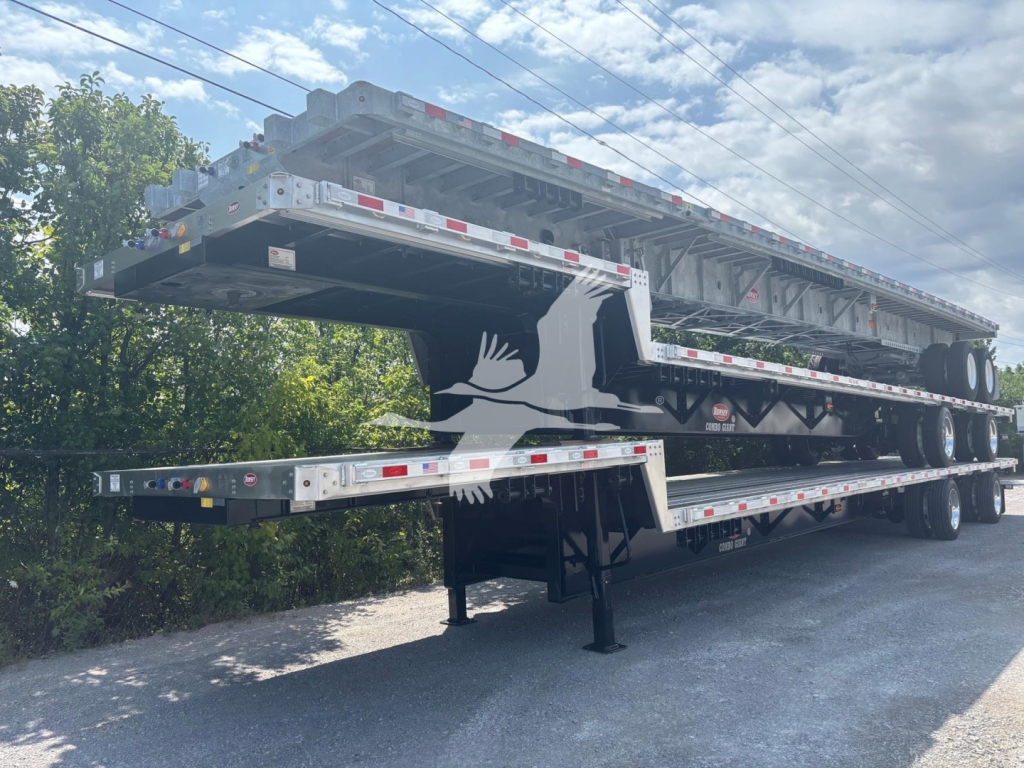
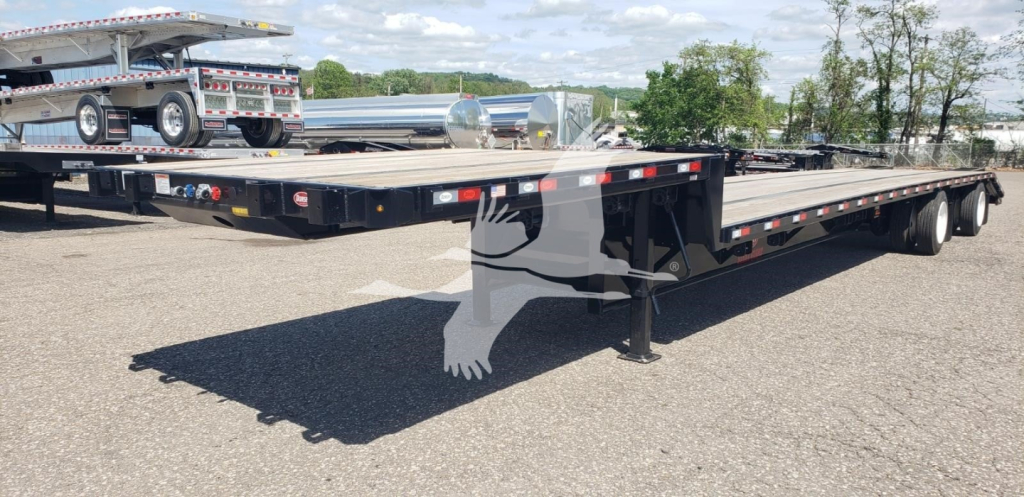
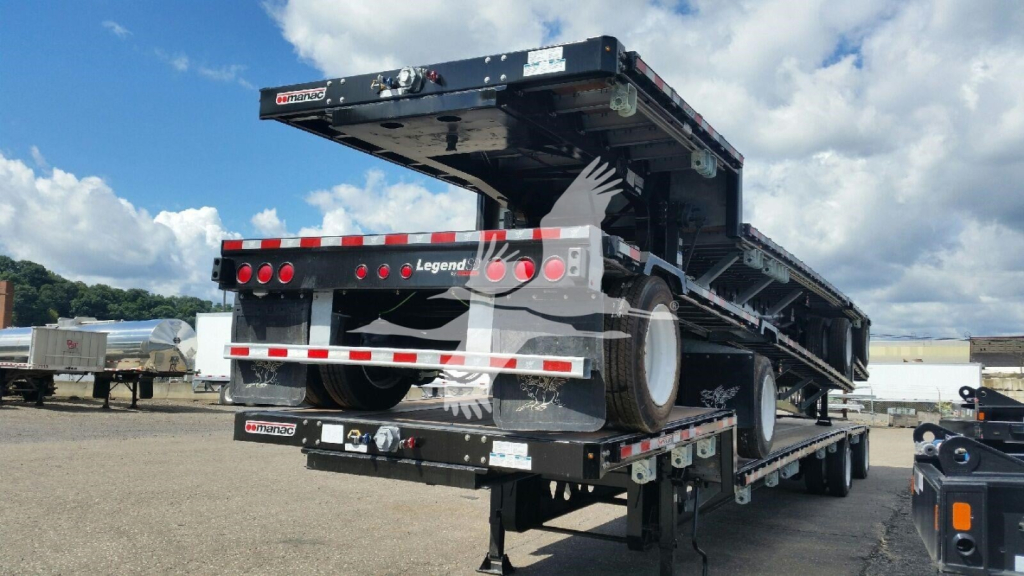
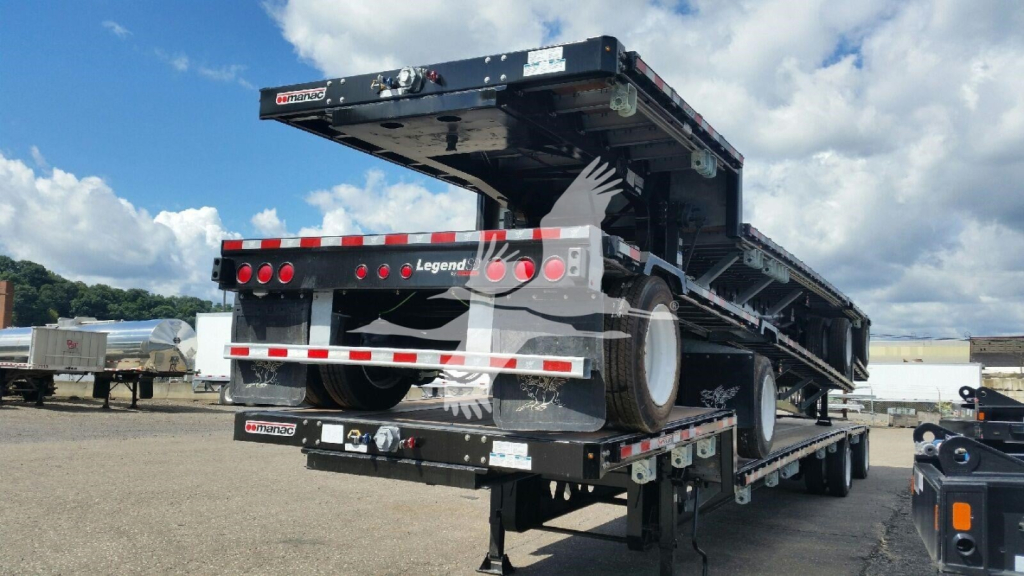
Showing 1 to 28 of 58 results
Selling a 2027 drop deck trailer? List your 2027 drop deck trailer for sale and reach thousands of commercial buyers.
2027 Drop Deck Trailers
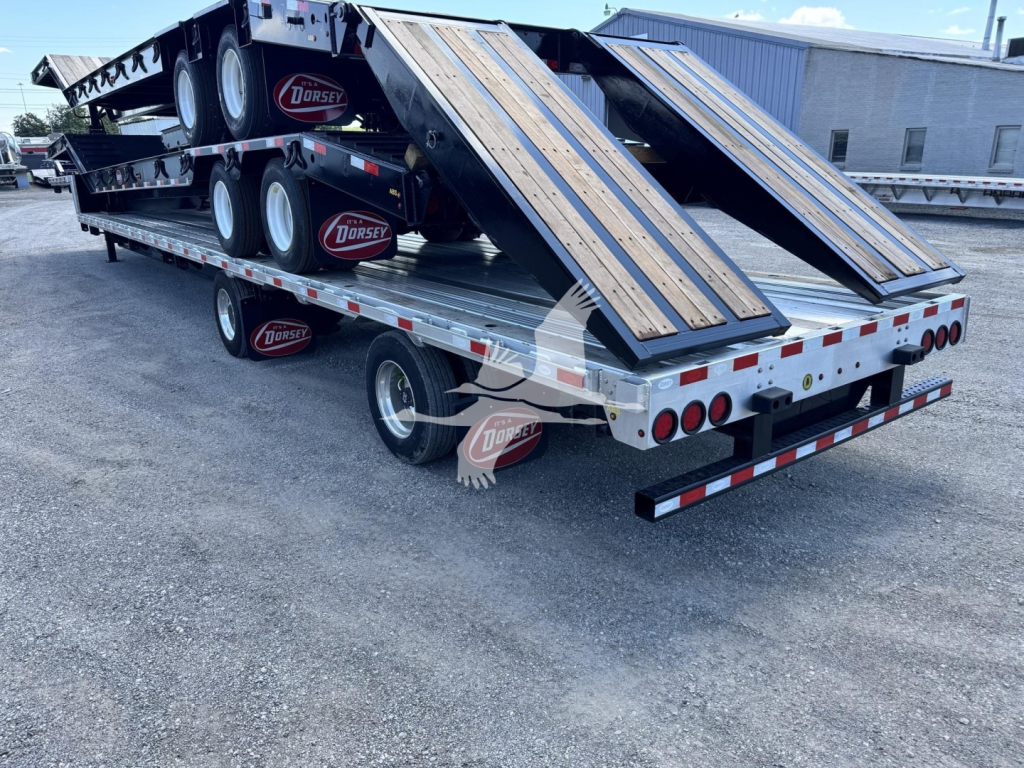
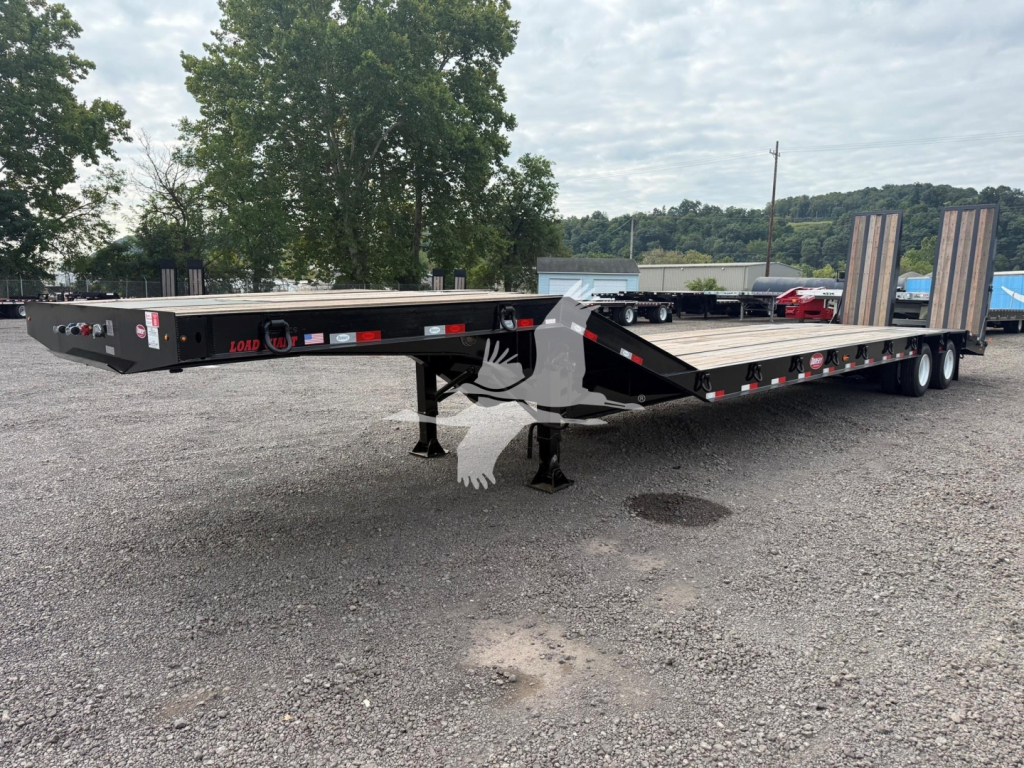
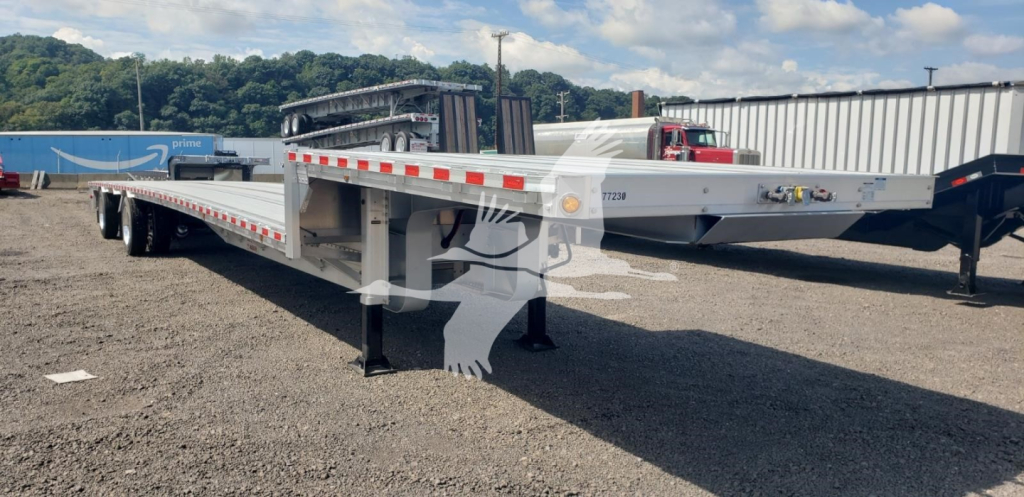
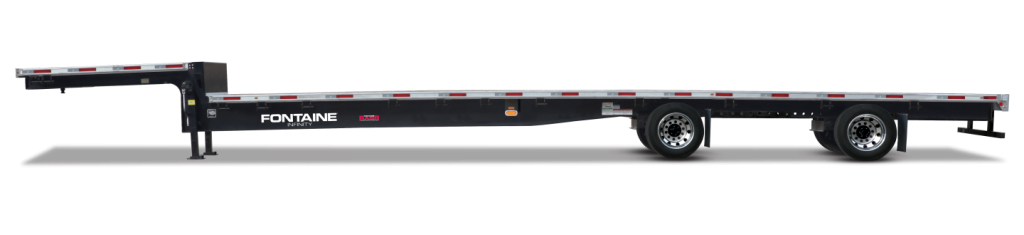
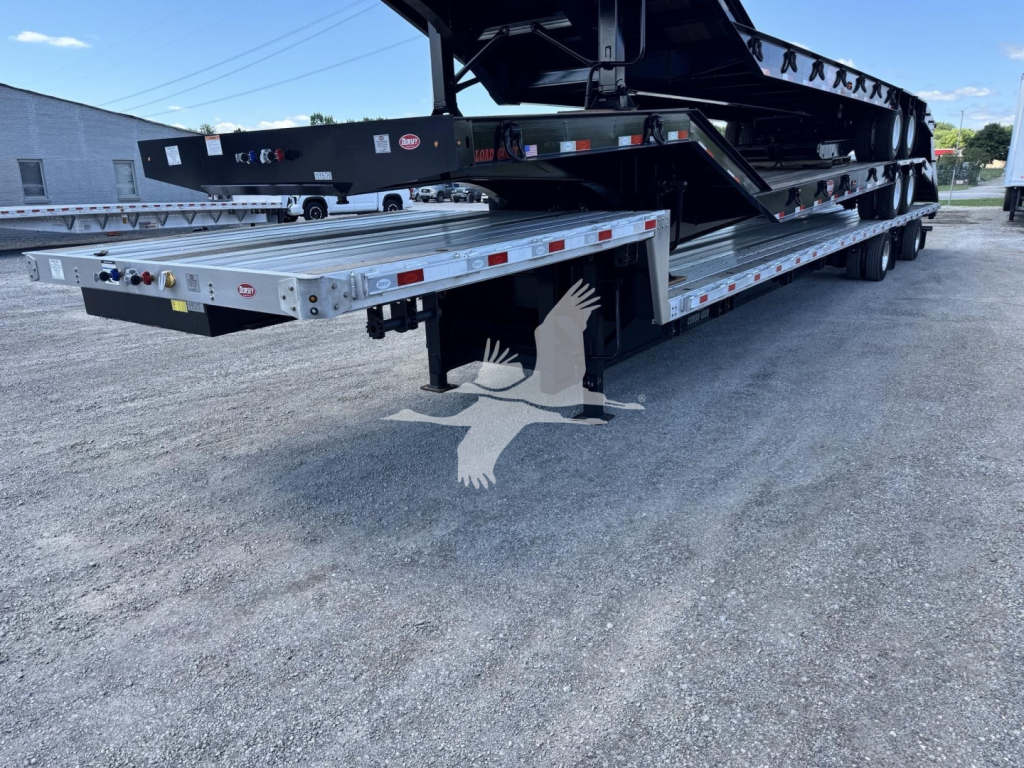
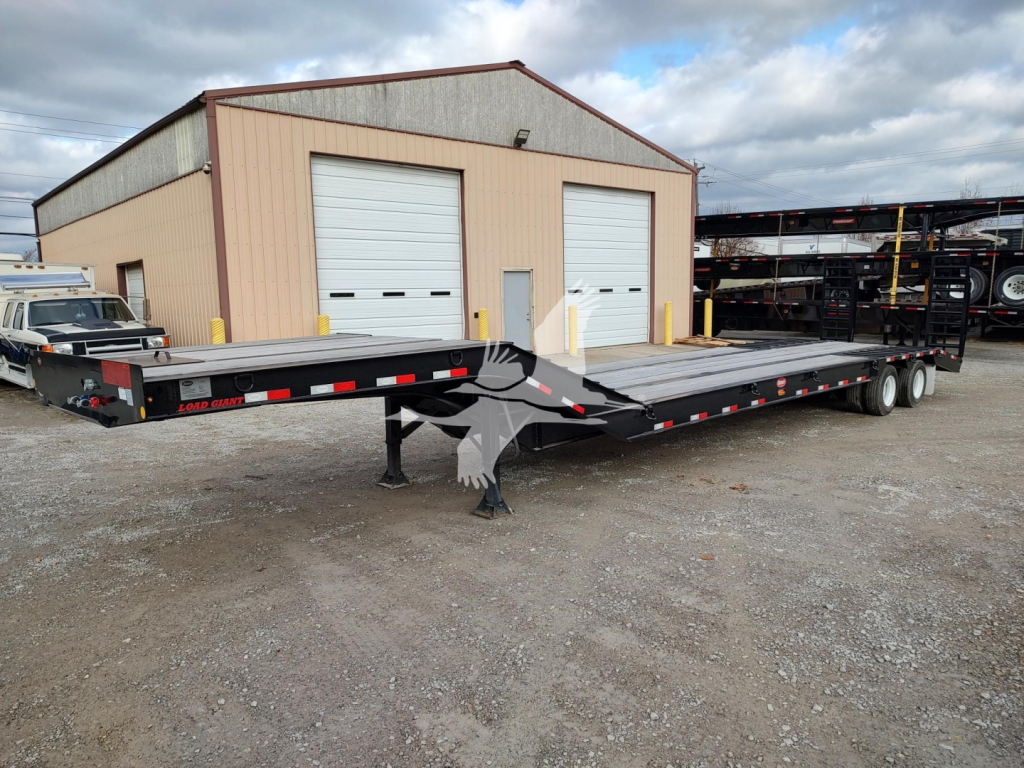
The spec decisions that matter most start with deck layout and axle configuration. A 48-foot drop deck is often a strong fit for mixed freight and regional work, while a 53-foot model gives more usable lower deck space for longer machinery or multiple pieces. Spread axle setups, often around a 122-inch spread, are common because they help with bridge compliance and weight distribution, but they can be less forgiving in tight urban docks and rough jobsite approaches. Air ride suspension remains a preferred choice for sensitive cargo, and buyers should pay close attention to kingpin setting, loaded deck height, crossmember spacing, and tire size. Low-profile 22.5 rubber is common on drop decks because it helps keep overall deck height down.
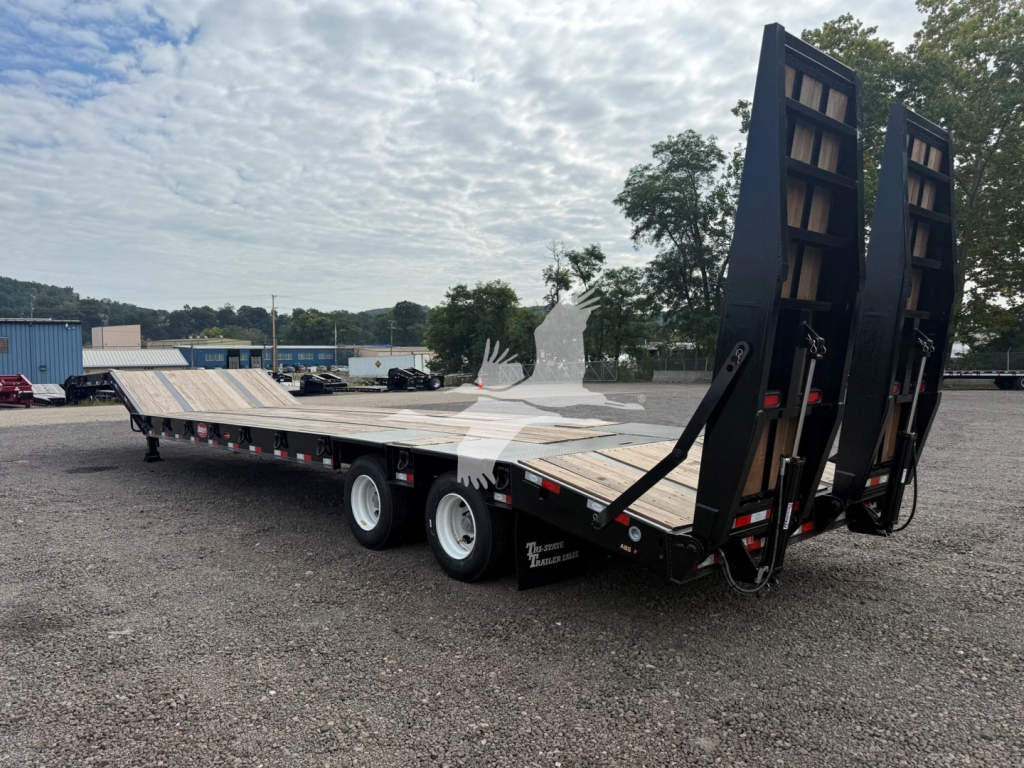
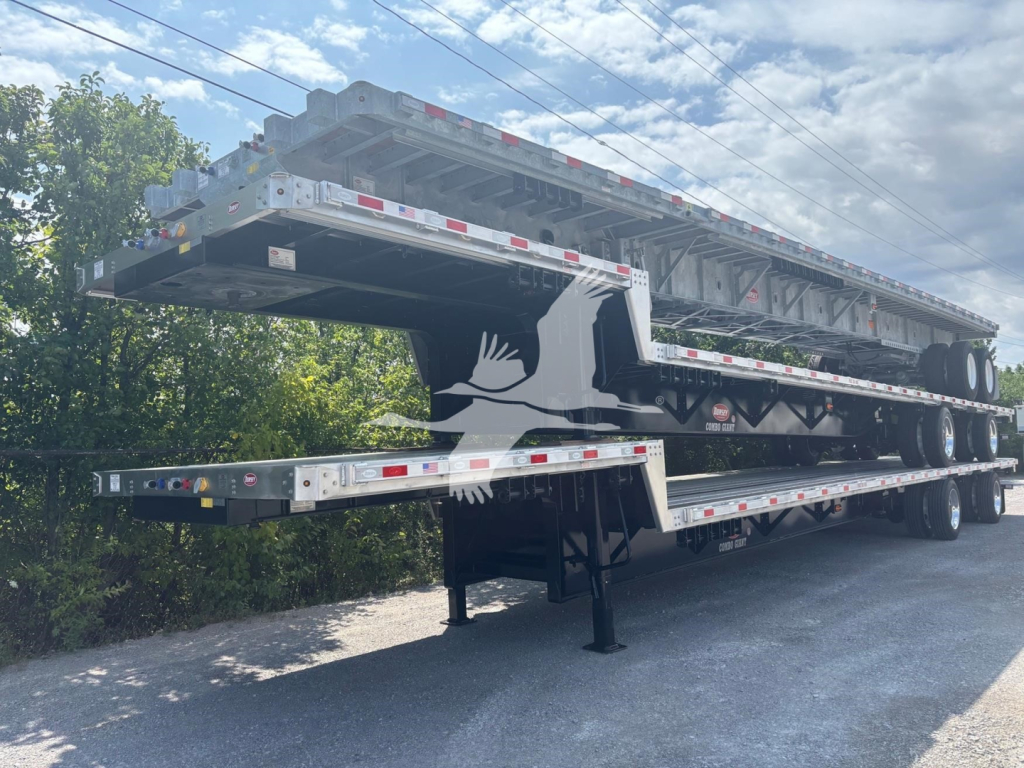
Deck construction and cargo securement details separate a general-purpose trailer from one that matches your freight. Apitong flooring is still a popular choice for durability and traction, while aluminum construction can reduce tare weight and increase payload, especially on premium all-aluminum models. Crossmember spacing around 12 inches is desirable when the trailer will see concentrated equipment loads. Sliding winches, winch track, stake pockets, pipe spools, chain tie downs, and rub rail design all affect how efficiently a driver can secure freight. If the trailer will regularly handle wheeled equipment, a beavertail with flush-mount or spring-assisted ramps can save time and reduce loading angle compared with carrying separate ramps.
For buyers comparing 2027 drop deck trailers for sale, the right trailer usually comes down to freight profile more than brand alone. Look at lower deck length, deck height, axle spread, ramp configuration, and suspension before focusing on cosmetic options. A trailer hauling forklifts, skid steers, and compact construction equipment needs a different setup than one dedicated to steel, lumber, or oversized crated freight. Pay attention to practical service items as well, including landing gear brand, wheel material, air gauge and dump valve placement, and how easy the trailer will be to maintain over years of hard use. A well-matched drop deck earns its value by expanding legal load capability without adding unnecessary complexity.
Frequently Asked Questions about 2027 Drop Deck Trailers
What is the difference between a drop deck trailer and a flatbed trailer?
A drop deck trailer has two deck levels, an upper deck over the tractor frame and a lower main deck behind it. That lower deck sits closer to the ground than a standard flatbed deck, which allows taller freight to move while staying within legal height limits. Flatbeds are simpler and often better for easy side loading across the full trailer length, but a drop deck is the better choice when cargo height is the main constraint.
What lengths are most common on a drop deck trailer?
The most common drop deck lengths are 48 feet and 53 feet, usually in a 102-inch overall width. A typical 48-foot trailer may have about a 10-foot 6-inch top deck and a 37-foot 6-inch lower deck, while a 53-foot trailer often provides a similar upper deck with roughly 42 feet 6 inches of lower deck space. The right choice depends on whether your freight needs more maneuverability or more continuous lower deck length.
Why do many buyers choose a spread axle drop deck?
Spread axle drop decks are popular because they can improve weight distribution and help with bridge law compliance on many loads. They are especially useful when hauling heavier equipment or freight with axle-sensitive loading requirements. The tradeoff is that spread axles can increase scrub in tight turns and may be less convenient in confined areas than a closed tandem setup.
What features matter most when hauling equipment on a drop deck trailer?
For equipment hauling, buyers usually focus on lower deck height, crossmember spacing, flooring material, suspension type, and loading equipment. A beavertail and ramps are important when loading wheeled or tracked machines, and heavy-duty securement points matter for chains and binders. Air ride suspension, durable decking such as Apitong, and a practical winch and tie-down layout all add value when the trailer sees regular equipment work.
Is aluminum or steel better for a drop deck trailer?
Aluminum drop deck trailers generally weigh less, which can increase payload and improve corrosion resistance. Steel trailers are often chosen for lower upfront cost and can be a strong fit for rugged service, depending on the build. The better material depends on your freight mix, operating environment, target payload, and how long you plan to keep the trailer.