
2027 Drop Deck Trailers For Sale in Kansas
Shop 2027 drop deck trailers in Kansas. Compare 53-foot specs, axle spreads, ramps, suspension, deck length, and securement features.
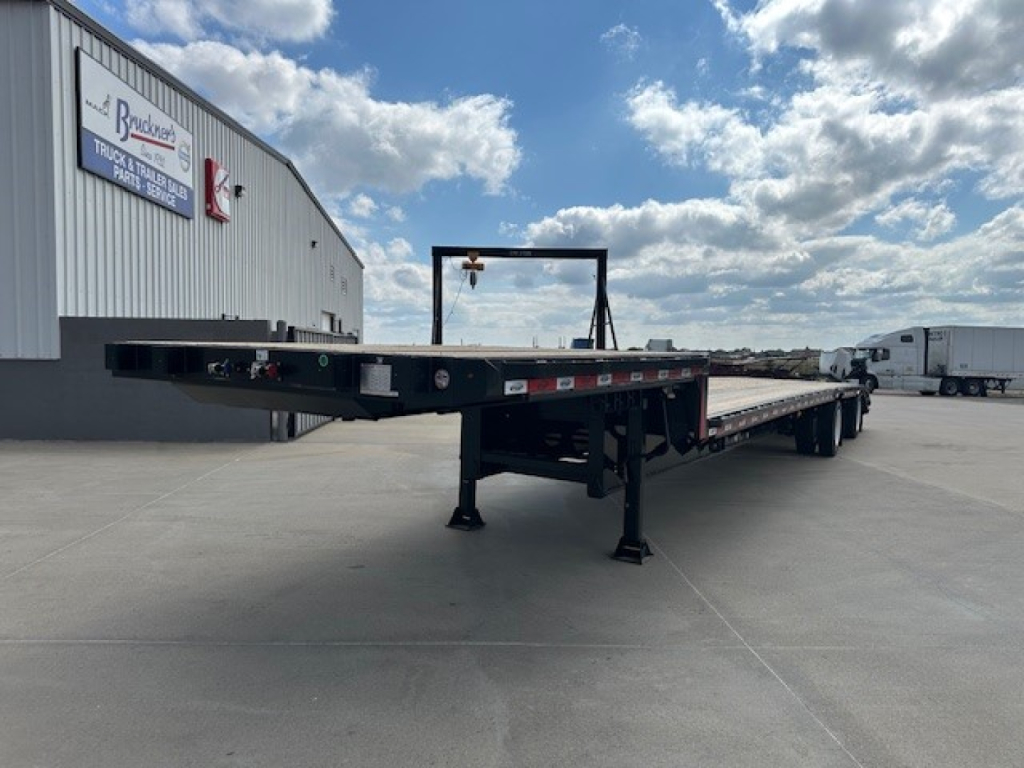
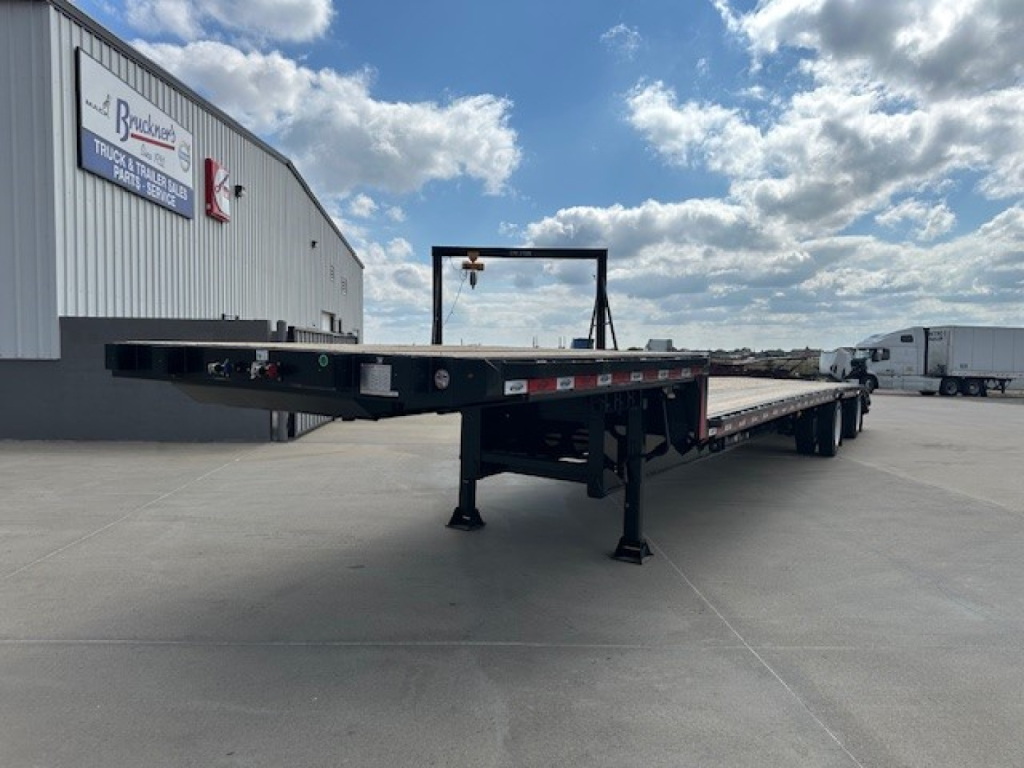
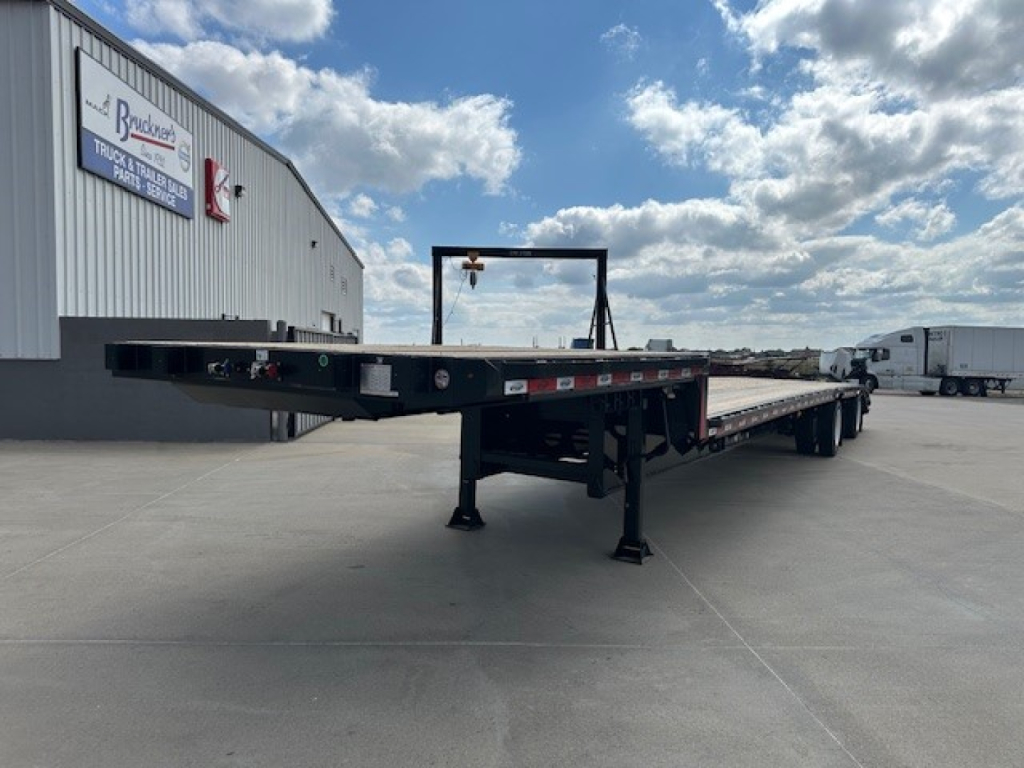
Selling a 2027 drop deck trailer? List your 2027 drop deck trailer for sale and reach thousands of commercial buyers.
2027 Drop Deck Trailers in Kansas
In Kansas, buyers often look closely at suspension, axle configuration, and ramp setup because trailer use can range from regional machinery moves to longer interstate runs. Air ride suspension is common on newer drop decks because it helps protect delicate or higher-value cargo and improves ride quality. Spread axle configurations, including around a 122-inch spread, are popular for weight distribution and bridge compliance, but they can add tire scrub in tighter yards and on frequent turns. A beavertail with spring-assisted or flip-over ramps is a practical option when the trailer will regularly load forklifts, skid steers, compact equipment, or wheeled machines without relying on a dock.
Construction details matter as much as headline specs. Crossmember spacing, deck material, and securement equipment determine how usable the trailer will be day to day. Tighter crossmember spacing, such as 12 inches on center, generally supports concentrated loads better and helps the deck hold up under repeated forklift traffic. Buyers should also check winch tracks, sliding winches, chain spools, D-rings, and rub rail design to match their securement method. Tire size, wheel type, landing gear strength, air gauge placement, and dump valve access may look like minor details on paper, but they affect uptime, loading speed, and roadside serviceability.
When comparing 2027 drop deck trailers for sale, focus on the freight mix more than the model year alone. A trailer set up for general commodity hauling may differ significantly from one intended for self-loading equipment or denser industrial freight. Pay attention to loaded deck height, lower deck length, ramp angle, axle spread, and the number and placement of tie-down points. For buyers running Kansas and surrounding states, a well-spec'd drop deck can cover a wide range of seasonal and specialized loads while staying more versatile than a dedicated heavy-haul platform.
Frequently Asked Questions about 2027 Drop Deck Trailers in Kansas
What is the difference between a drop deck trailer and a flatbed trailer?
A drop deck trailer, also called a step deck trailer, has two deck levels instead of one continuous deck like a flatbed. The lower main deck sits closer to the ground, which allows taller freight to be hauled with more legal height clearance. That makes a drop deck a common choice for equipment, taller palletized freight, and loads that would exceed legal height on a standard flatbed.
What size is a typical 2027 drop deck trailer?
A common configuration is 53 feet long and 102 inches wide, with an upper deck around 10 feet to 11 feet and a lower deck around 42 feet. Exact measurements vary by manufacturer and spec, especially when a beavertail or ramps are included. Buyers should verify usable lower deck length, loaded deck height, and kingpin setting because those measurements affect both freight fit and tractor compatibility.
Are spread axle drop deck trailers better than tandem axle models?
Spread axle drop deck trailers can offer advantages in weight distribution and bridge law compliance, which is useful for certain freight profiles and interstate hauling. They are also common on trailers handling mixed or heavier legal loads. Tandem axle models may be easier on tires in tight turns and can be simpler to maneuver in crowded yards. The better choice depends on your lane mix, turning environment, and how often you haul dense freight versus lighter oversized cargo.
Why do some drop deck trailers have a beavertail and ramps?
A beavertail and ramp package lets the trailer load wheeled or tracked equipment without requiring a loading dock or separate loading machine. This setup is useful for skid steers, small tractors, forklifts, scissor lifts, and similar equipment. Buyers should pay attention to ramp style, spring assist, ramp width, and loading angle because those details affect safety and how easily machines transition onto the lower deck.
What should I inspect first when comparing drop deck trailer specs?
Start with lower deck height, lower deck length, axle spacing, suspension type, and securement equipment. Those specs determine what freight the trailer can legally and efficiently haul. After that, look at crossmember spacing, deck condition or deck material, tire size, landing gear, and the placement of winches or chain ties. A trailer with the right deck geometry and securement layout will usually perform better for your operation than one that only looks good on paper.