
2027 Dura Haul Drop Deck Trailers For Sale in Kansas
Shop 2027 Dura Haul drop deck trailers in Kansas. Compare 53-foot air ride trailers with beavertails, ramps, spread axles, and winch setups.
Selling a 2027 dura haul drop deck trailer? List your 2027 dura haul drop deck trailer for sale and reach thousands of commercial buyers.
2027 Dura Haul Drop Deck Trailers in Kansas
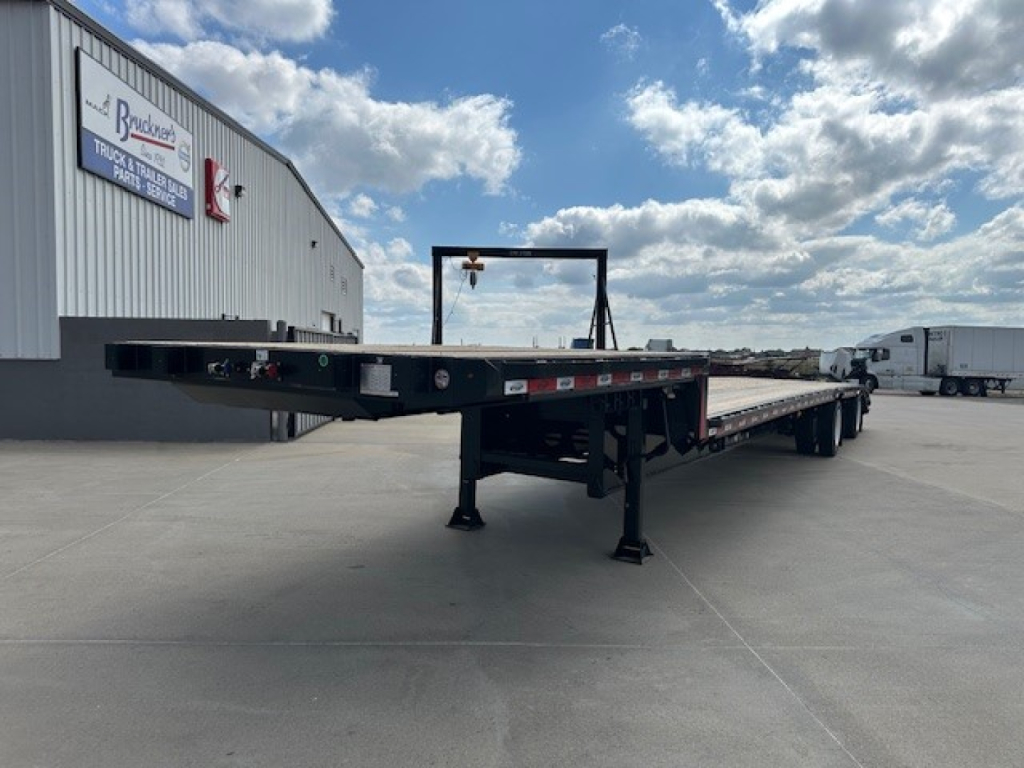
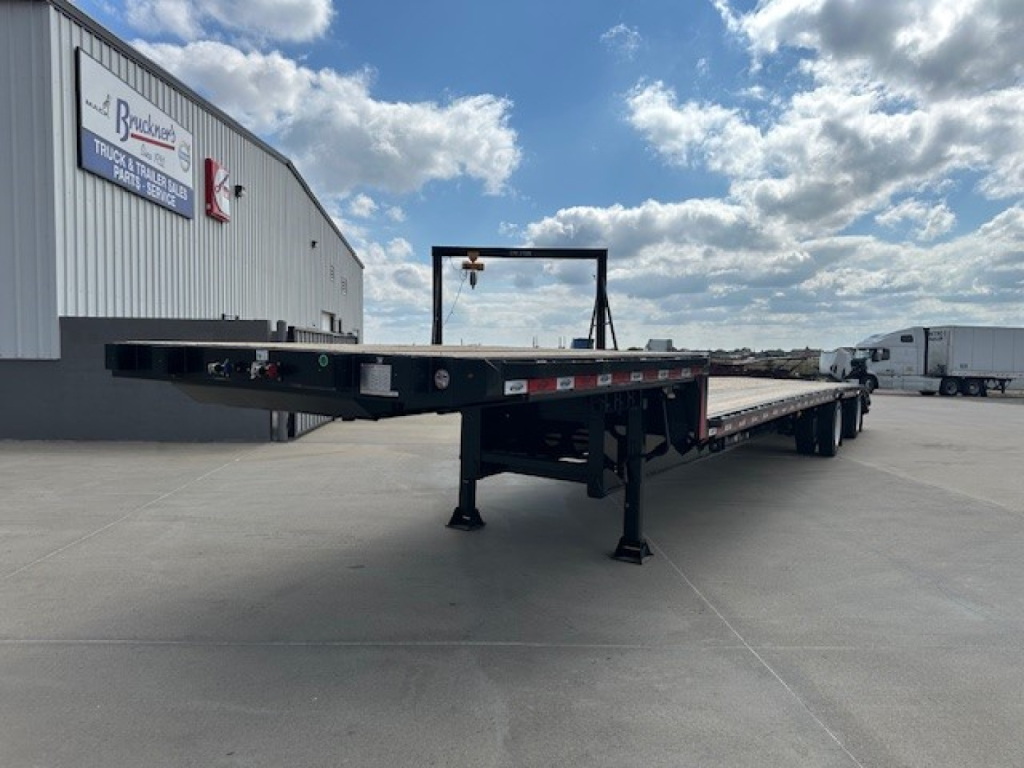
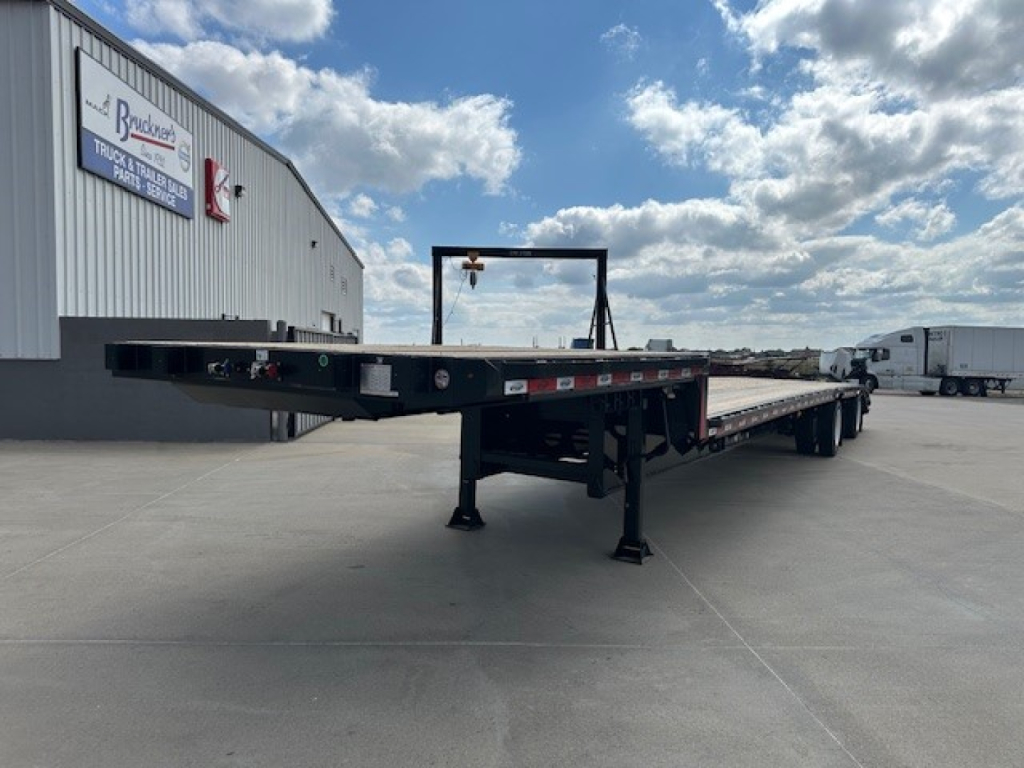
The Kansas market often favors practical, durable specifications that work across agriculture, construction, and regional industrial hauling. On Dura Haul drop deck trailers, buyers commonly look for a 102-inch wide deck, 12-inch crossmember spacing, and air ride suspension for better cargo protection and ride quality. A 122-inch spread axle setup can help with bridge law compliance and weight distribution, especially on longer loads. Tire size, wheel type, and landing gear matter more than they first appear. Heavy duty two-speed landing gear speeds up drops and hooks in daily use, while standard 22.5-inch rubber and steel wheels keep replacement parts straightforward and serviceable.
Loading method is another major buying point. A beavertail with flush-mount spring-assisted ramps makes a drop deck much more useful for small machines, forklifts, skid steers, and other wheeled or tracked equipment that can be driven onto the trailer. If your freight mix leans toward machinery, ramp angle, lower deck length, and rear transition design deserve close attention. If your freight is more general commodity based, tie-down package becomes the priority. Sliding winches, rub rail strength, stake pockets, and overall securement layout determine how fast a driver can adapt to different loads without fighting the trailer.
Dura Haul drop deck trailers are generally evaluated on structural simplicity, usable deck space, and how well the trailer spec matches the lanes it will actually run. Air gauge and dump valve placement, axle spread, ramp construction, and crossmember density all affect day-to-day productivity. Buyers comparing 2027 models should focus less on headline length alone and more on lower deck clearance, loaded deck height, suspension type, and securement options. A well-matched drop deck trailer reduces permit headaches, improves loading access, and handles a wider range of freight than a standard flatbed while staying versatile enough for regular commercial use.
Frequently Asked Questions about 2027 Dura Haul Drop Deck Trailers in Kansas
What is the main advantage of a drop deck trailer compared with a flatbed?
A drop deck trailer, also known as a step deck trailer, gives you a lower main deck height than a standard flatbed. That lower deck allows taller freight to move legally without requiring the same permit strategy as a taller trailer and load combination. It is commonly used for equipment, building materials, palletized freight, and other loads that benefit from open-deck access but exceed practical flatbed height limits.
Why does axle spread matter on a 53-foot drop deck trailer?
Axle spread affects bridge law compliance, load distribution, and in some operations the amount of payload flexibility you have on heavier freight. A spread axle setup such as 122 inches is often selected to better balance weight across the trailer and tractor combination. It can be a practical choice for longer or denser loads, but buyers should also consider turning radius, tire scrub, and state routing requirements when comparing spread versus closed tandem configurations.
When should I choose a beavertail and ramp package on a drop deck?
A beavertail with ramps is the right choice when the trailer will regularly load self-propelled equipment or machines that can be driven onto the deck. Common examples include forklifts, skid steers, small tractors, scissor lifts, and compact construction equipment. Buyers should pay attention to ramp capacity, ramp angle, spring assistance, and how much of the lower deck length is taken up by the beavertail because those details directly affect usable loading space and ease of operation.
Is air ride suspension worth it on a drop deck trailer?
Air ride suspension is often worth the added cost for buyers hauling machinery, crated products, or freight that is sensitive to road shock. It generally provides a smoother ride than mechanical suspension and can improve cargo protection and trailer stability. Air ride is also a common preference in open-deck freight because it supports broader resale appeal and fits a wider range of hauling applications.
What specs should I check first when comparing Dura Haul drop deck trailers?
Start with overall length, upper and lower deck length, deck height, axle configuration, suspension type, and loading style. Then move to structural and securement details such as crossmember spacing, winch count, rub rail design, stake pockets, tire size, and landing gear. These are the specifications that most directly affect payload fit, loading speed, legal compliance, and long-term operating cost.