
2027 Dura Haul Drop Deck Trailers For Sale
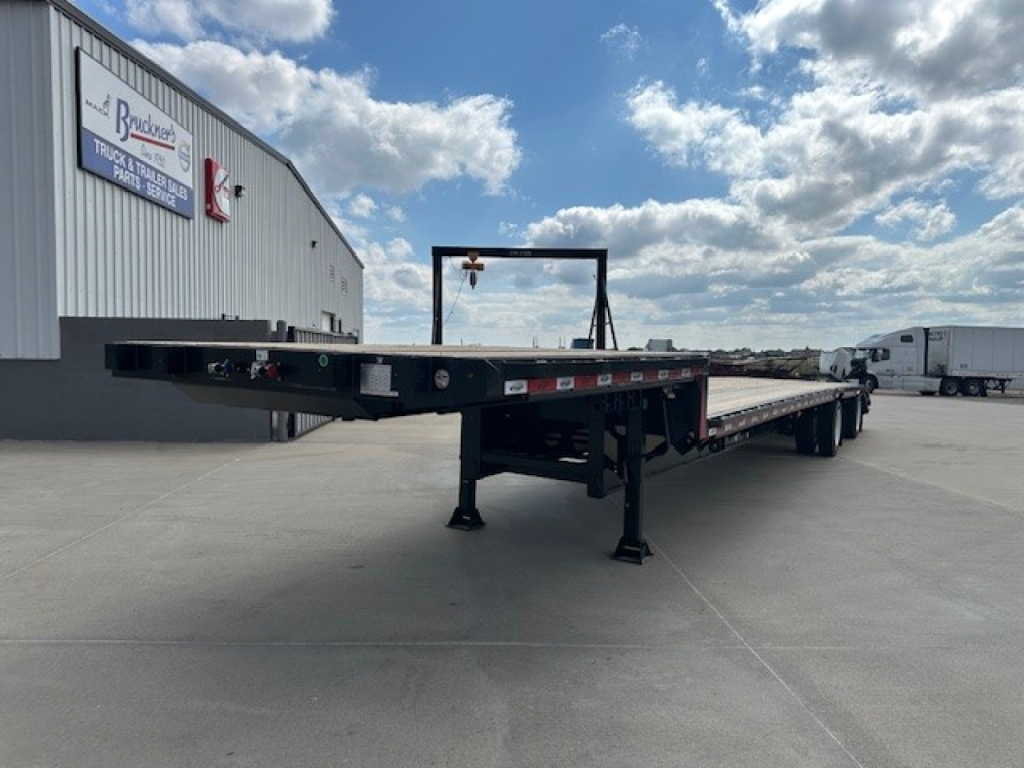
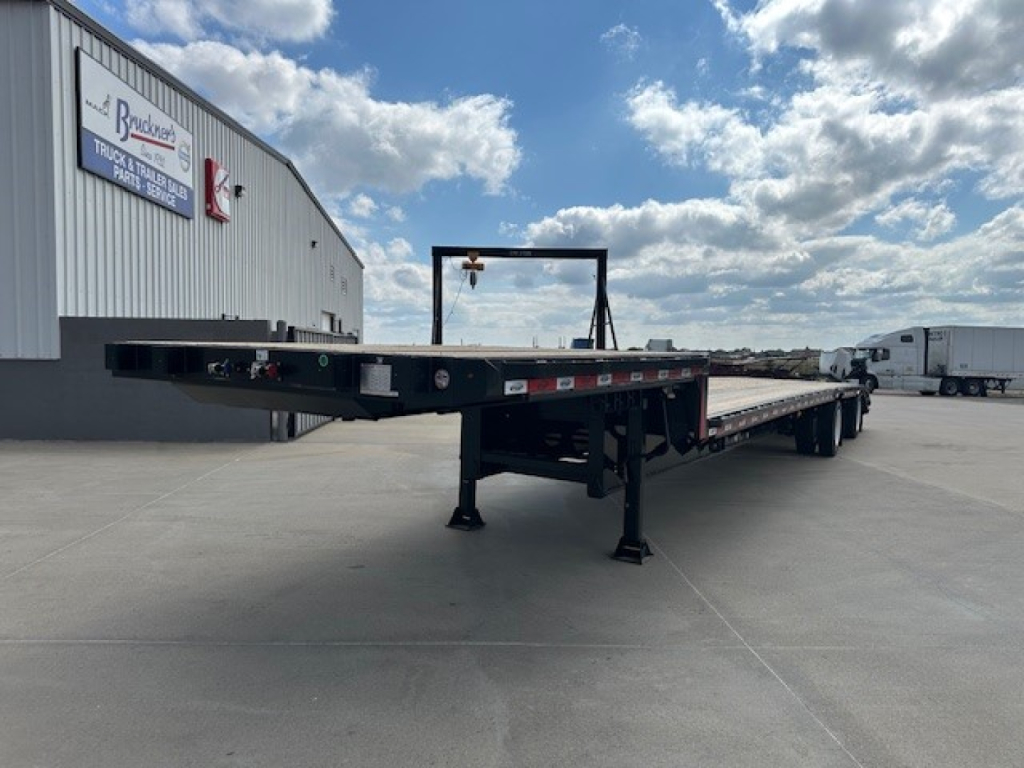
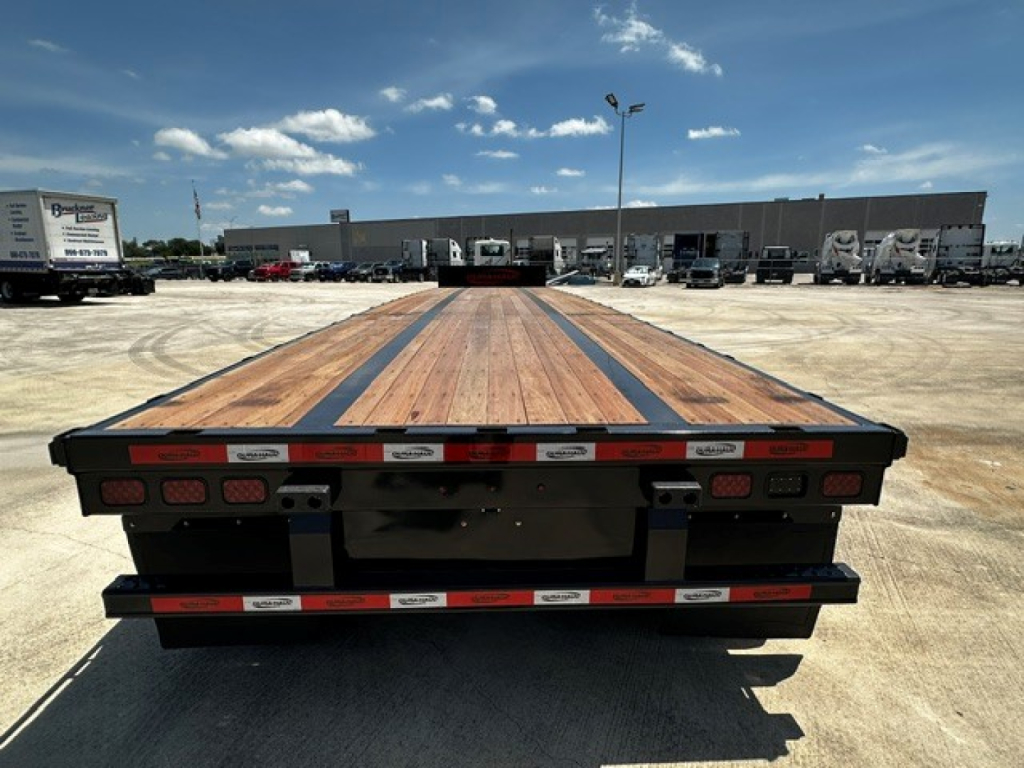
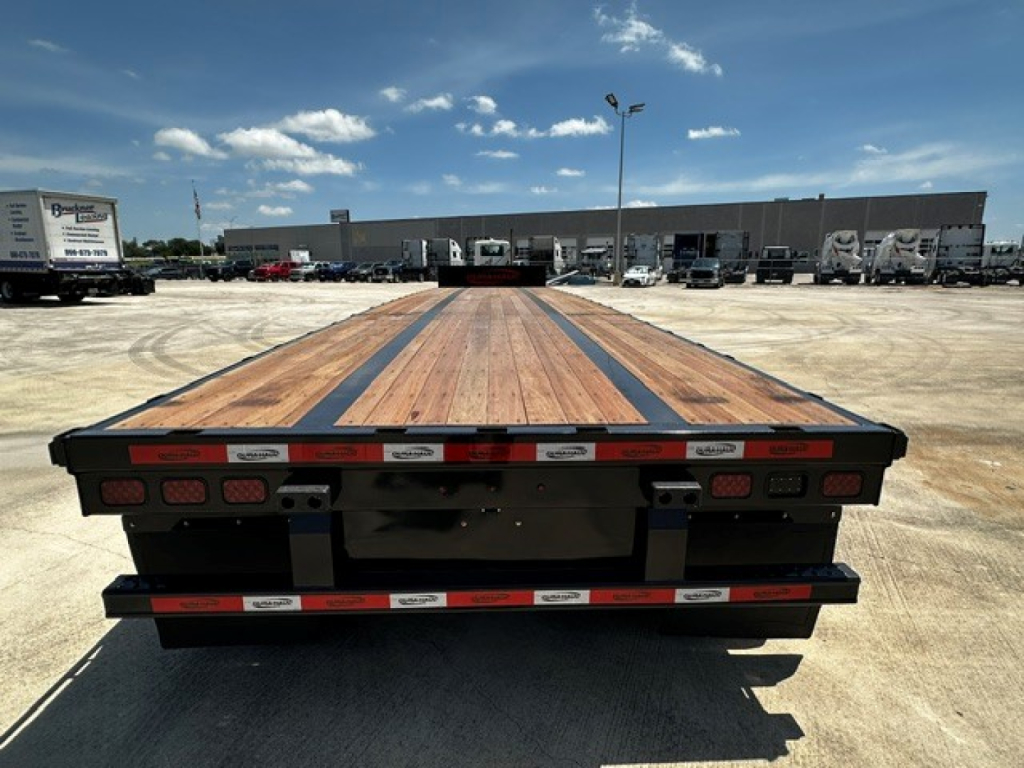
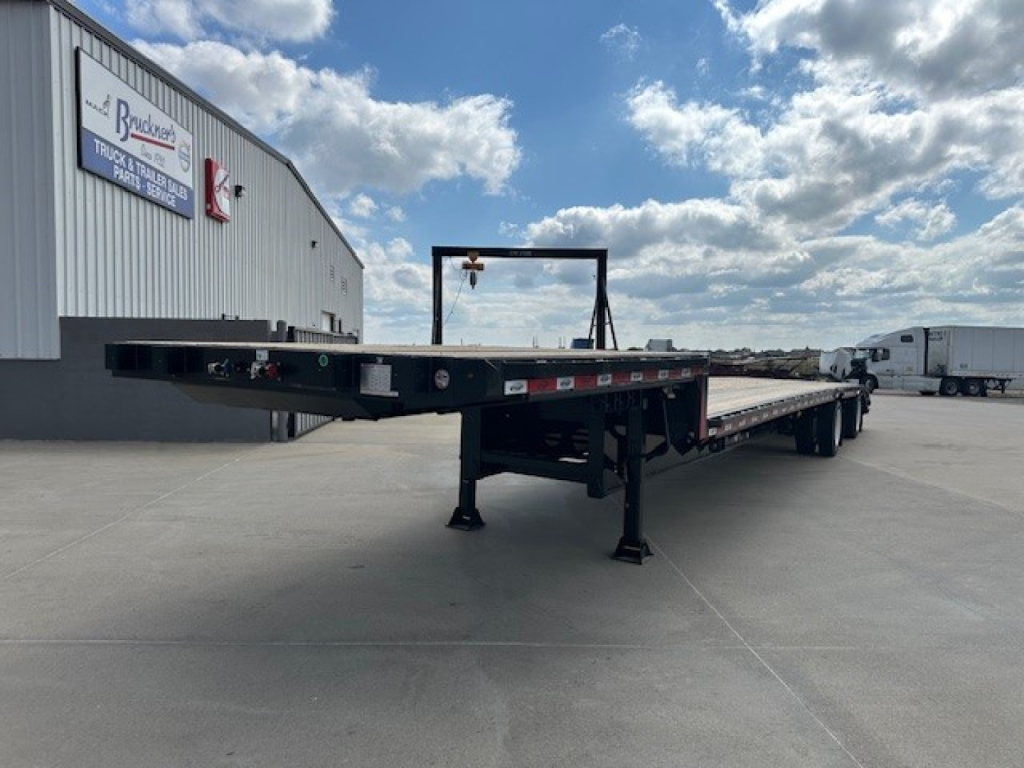
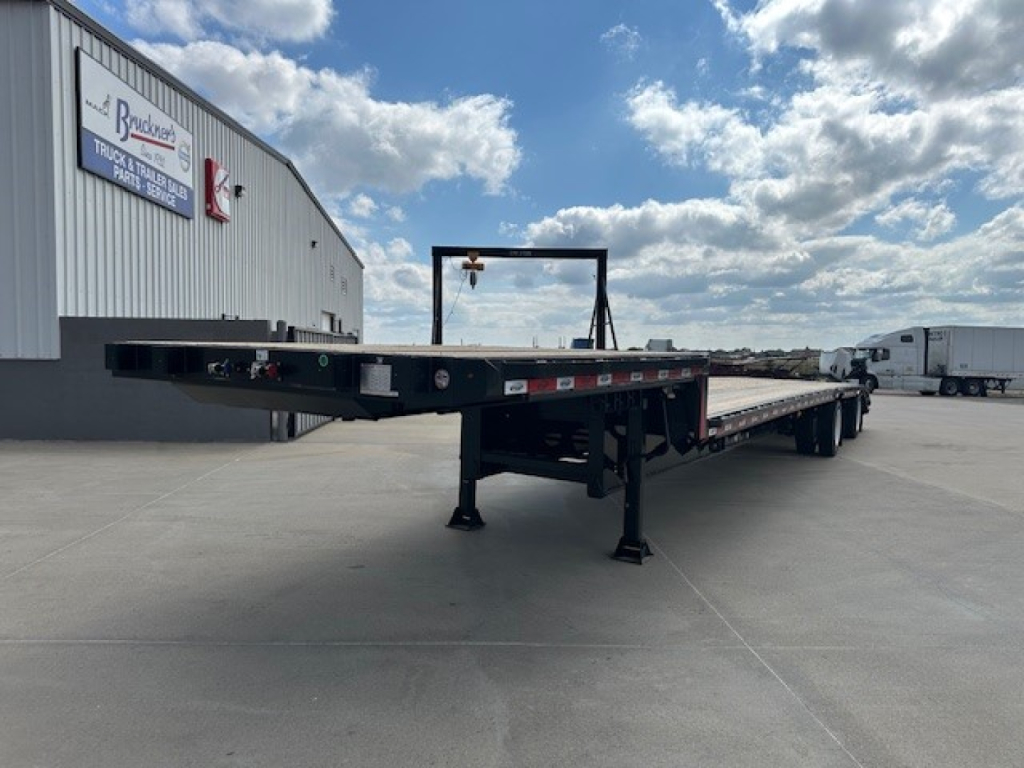
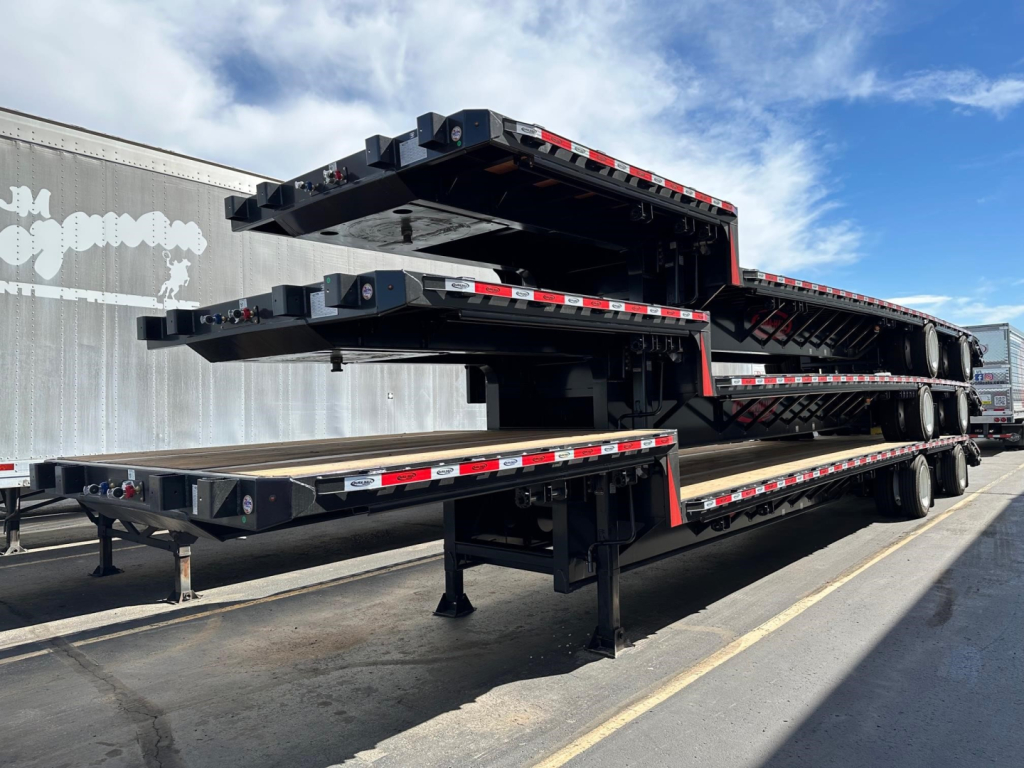
Shop 2027 Dura Haul drop deck trailers with spread axles, air ride, Apitong decking, and ramp or beavertail options for taller freight.
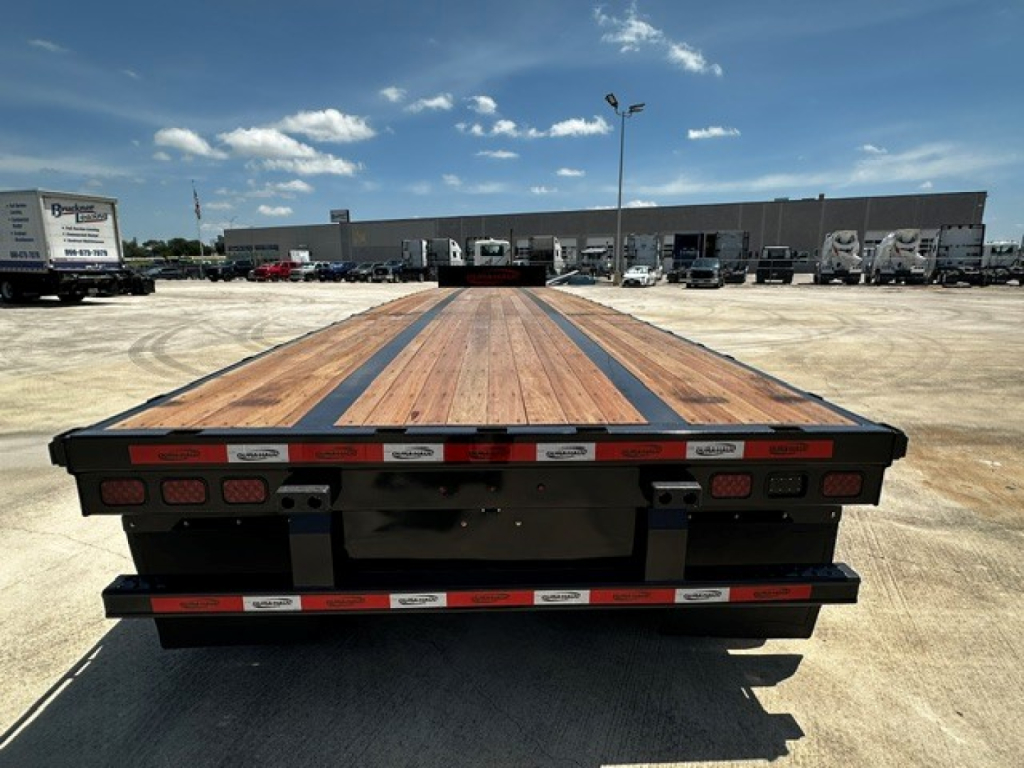
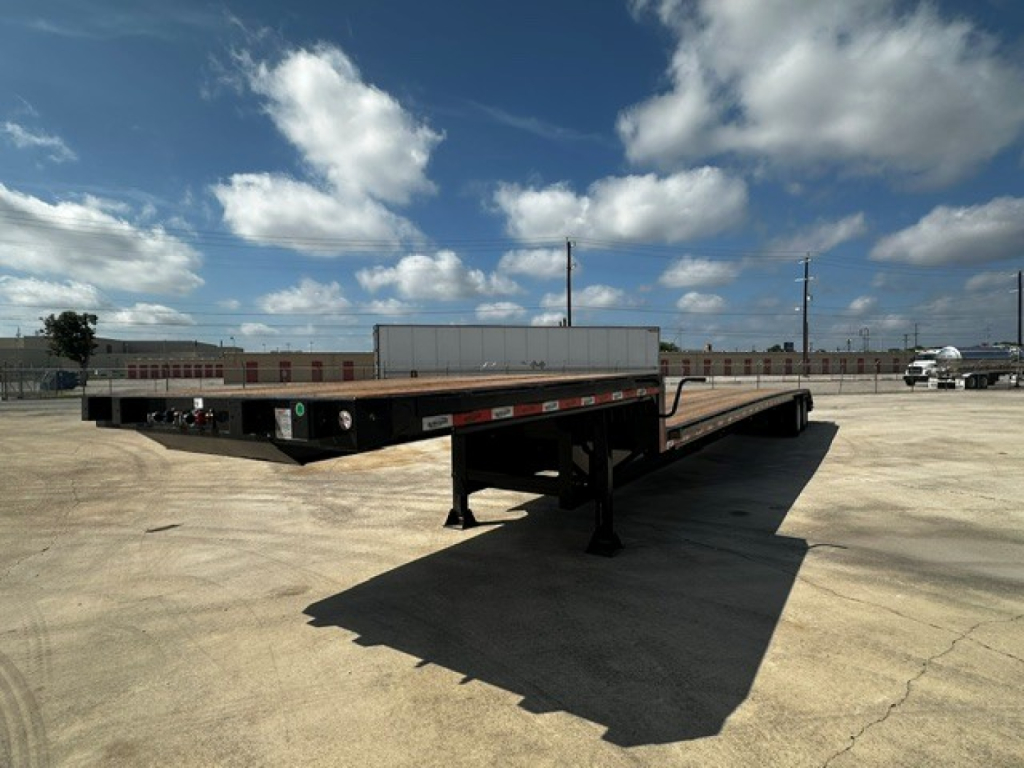
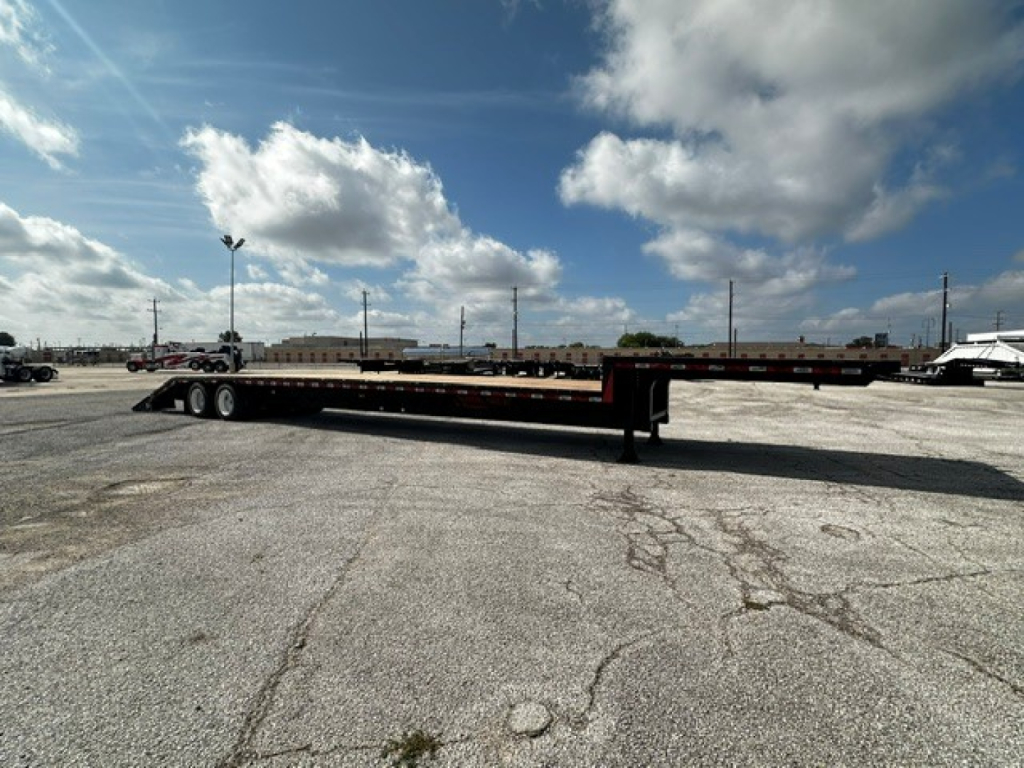
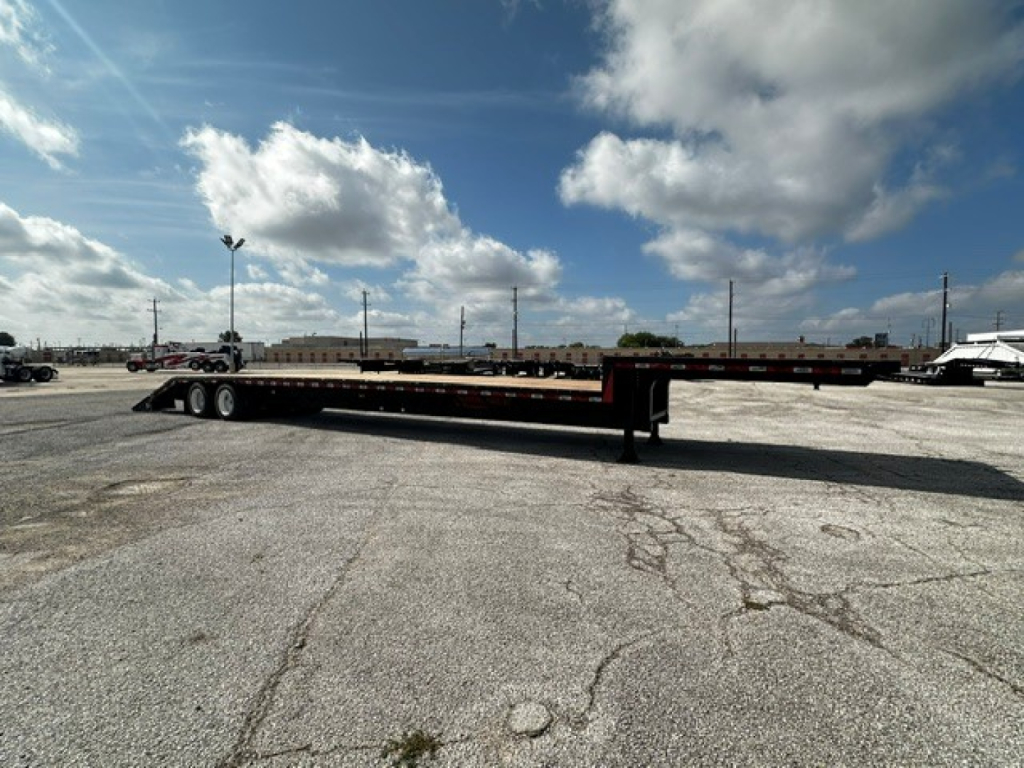
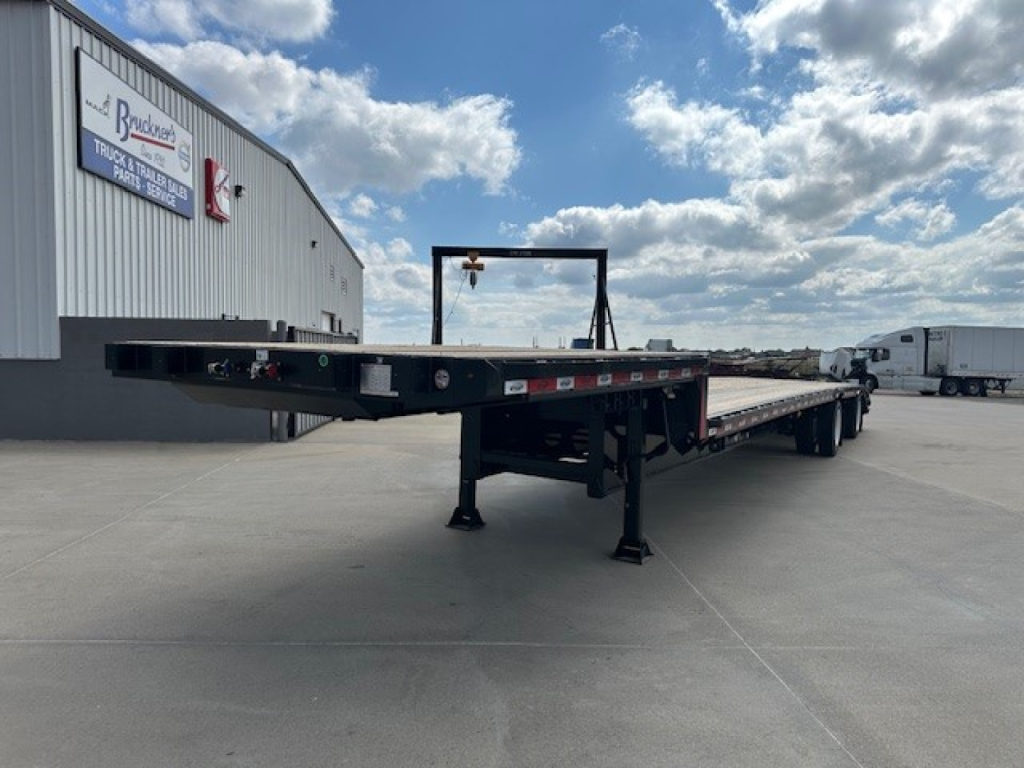
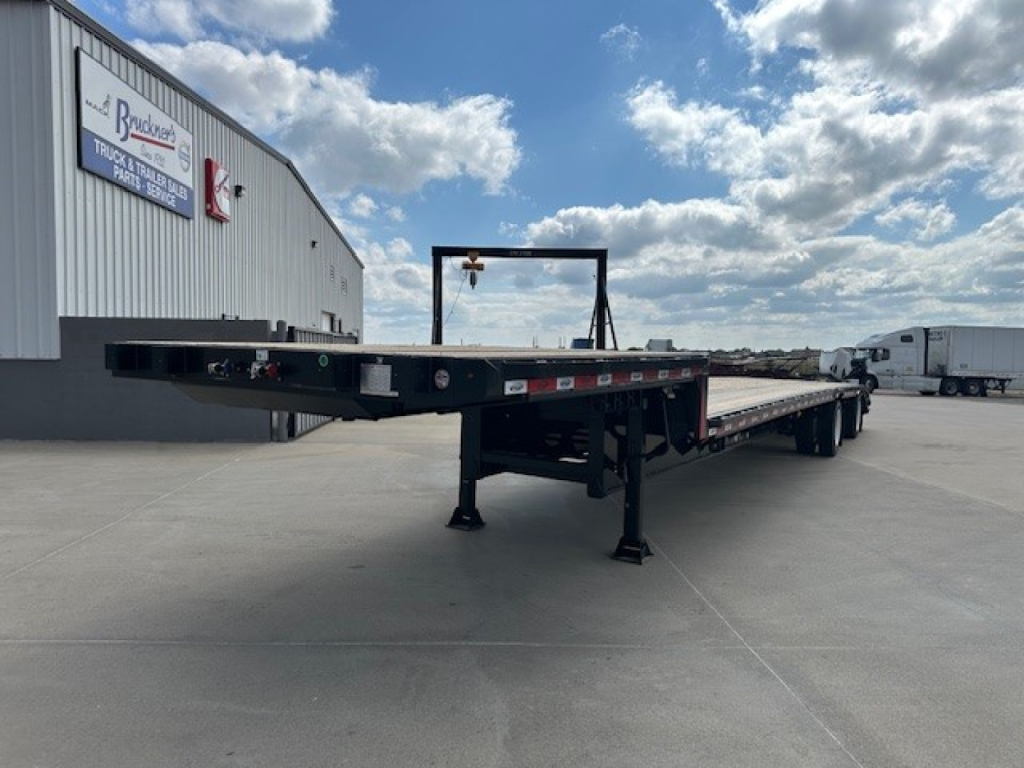
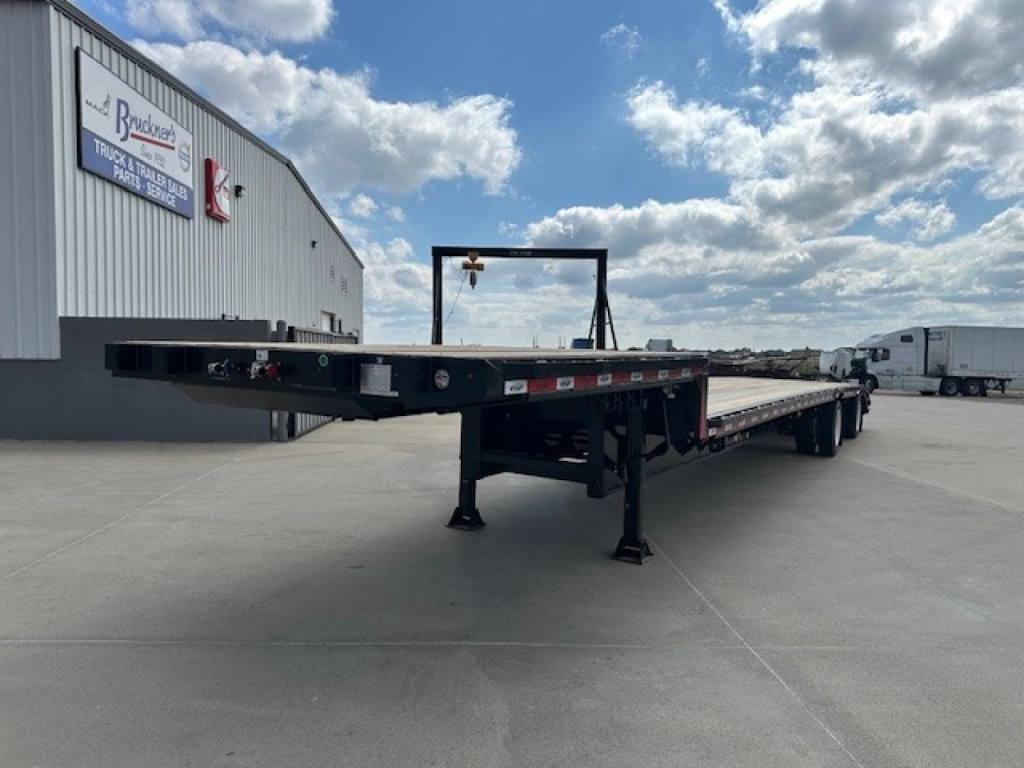
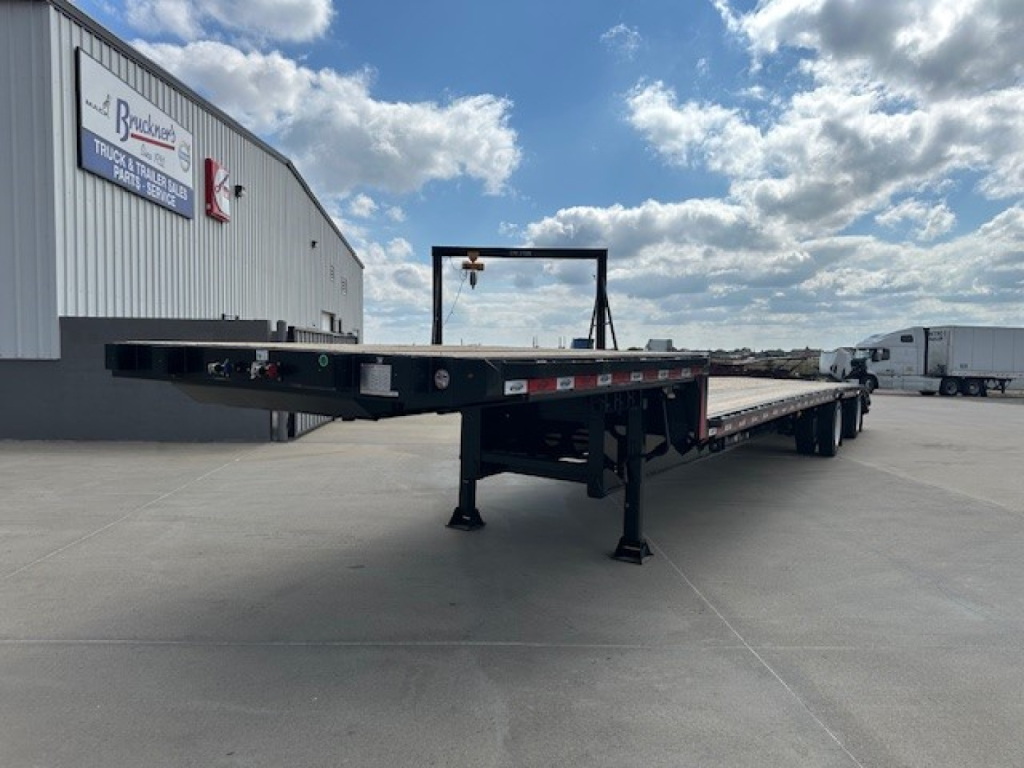
Selling a 2027 dura haul drop deck trailer? List your 2027 dura haul drop deck trailer for sale and reach thousands of commercial buyers.
2027 Dura Haul Drop Deck Trailers
The sample specs point to the features buyers typically compare on a late-model Dura Haul. A 102-inch wide trailer, fixed spread axle setup around 122 inches, air ride suspension, and 255/70R22.5 tires are all common choices for stability, weight distribution, and legal bridge compliance. Deck construction matters. Apitong flooring is popular because it holds up well under concentrated equipment loads and repeated forklift traffic. Crossmember spacing around 12 inches gives the deck better support for heavier point loads, and Jost heavy duty 2-speed landing gear is the kind of hardware many fleets want for durability at the dock or in rough yards.
Cargo securement and loading style should drive the rest of the spec. Sliding winches, stake pockets, and spool-style pipe spools are standard details that make a drop deck more versatile across steel, lumber, machinery, and crated freight. If you haul wheeled or tracked equipment, a beavertail with flip ramps or flush-mount spring-assisted ramps can save time and reduce loading angle compared with hauling separate ramps. Buyers should also pay attention to practical operating features such as a dump valve, liquid-filled air gauge or onboard scale, LED lighting, and tire carrier provisions. Those details improve day-to-day use and often tell you whether the trailer was spec'd for real work instead of just price.
When comparing 2027 Dura Haul drop deck trailers for sale, look beyond overall length and ask how the trailer matches your lanes and commodity mix. A 48-foot spread axle can be a strong regional freight spec with good maneuverability, while a 53-foot beavertail trailer may fit carriers handling larger equipment or longer deck freight. Confirm lower deck length, deck height, ramp design, suspension type, axle spread, and securement package before you compare price. On drop decks, those details directly affect what freight you can legally load, how quickly you can secure it, and how often the trailer can stay productive instead of waiting for the right load.
Frequently Asked Questions about 2027 Dura Haul Drop Deck Trailers
What is the difference between a drop deck trailer and a flatbed trailer?
A drop deck trailer, also called a step deck trailer, has two deck levels instead of one continuous deck like a flatbed. The upper deck sits above the tractor drives and the lower deck drops down behind it, which reduces loaded deck height. That lower height lets carriers haul taller freight without reaching overheight limits as quickly. It is a common choice for machinery, crated equipment, and other freight that is too tall for a standard flatbed.
What should I look for in a Dura Haul drop deck spec?
Focus on the measurements and components that affect real-world loading. Key items include overall length, upper deck length, lower deck length, deck height, axle spread, suspension type, crossmember spacing, and flooring material such as Apitong. Securement equipment also matters, including sliding winches, stake pockets, and spool arrangements. If the trailer will handle equipment, check for beavertail and ramp design, because loading angle and ramp construction can change what machines you can move safely.
Why do many drop deck buyers choose spread axles and air ride suspension?
Spread axles can help with bridge compliance and load distribution, especially on longer trailers carrying heavier or longer freight. They also add stability, although they can increase tire scrub in tighter turns compared with a closed tandem. Air ride suspension is popular because it cushions the load better than spring ride, which is important for machinery, finished products, and sensitive freight. The combination is common on premium drop deck specs because it supports both ride quality and legal loading flexibility.
Are beavertail and ramp options worth it on a drop deck trailer?
They are worth serious consideration if the trailer will haul forklifts, skid steers, compact construction equipment, or similar wheeled or tracked machines. A beavertail reduces the loading angle at the rear, and flip ramps or spring-assisted ramps make loading faster and safer than carrying separate ramps. For freight-only operations, a straight rear deck may preserve more usable lower deck space. The right choice depends on whether the trailer is primarily a general freight step deck or an equipment-hauling platform.
How important is deck material and crossmember spacing on a drop deck?
Both are important because they affect durability and how the trailer handles concentrated weight. Apitong is widely used because it resists wear well under chains, pallets, and equipment traffic. Closer crossmember spacing, such as 12 inches, provides stronger support under heavy point loads and repeated forklift use. Buyers hauling dense freight or machinery should pay close attention to these details, because they influence deck life, repair frequency, and how confidently the trailer can handle demanding cargo.