
2027 Dura Haul Drop Deck Trailers For Sale in Texas
Shop 2027 Dura Haul drop deck trailers in Texas. Compare 48' and 53' configurations, spread axles, ramps, decking, and securement features.
Selling a 2027 dura haul drop deck trailer? List your 2027 dura haul drop deck trailer for sale and reach thousands of commercial buyers.
2027 Dura Haul Drop Deck Trailers in Texas
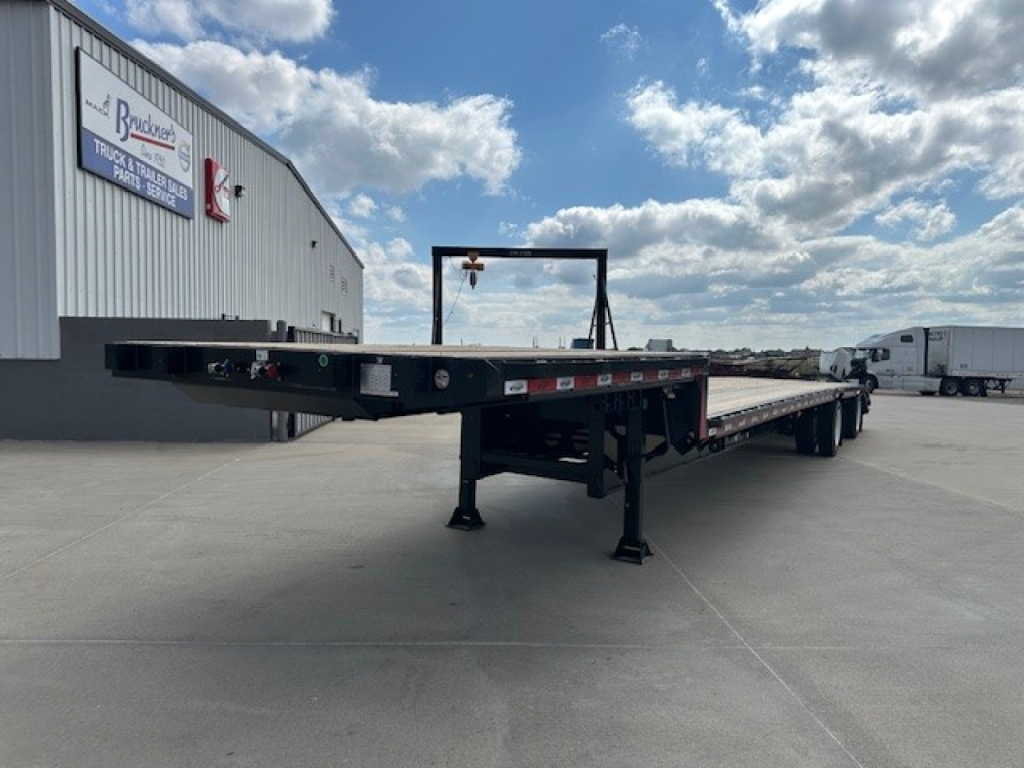
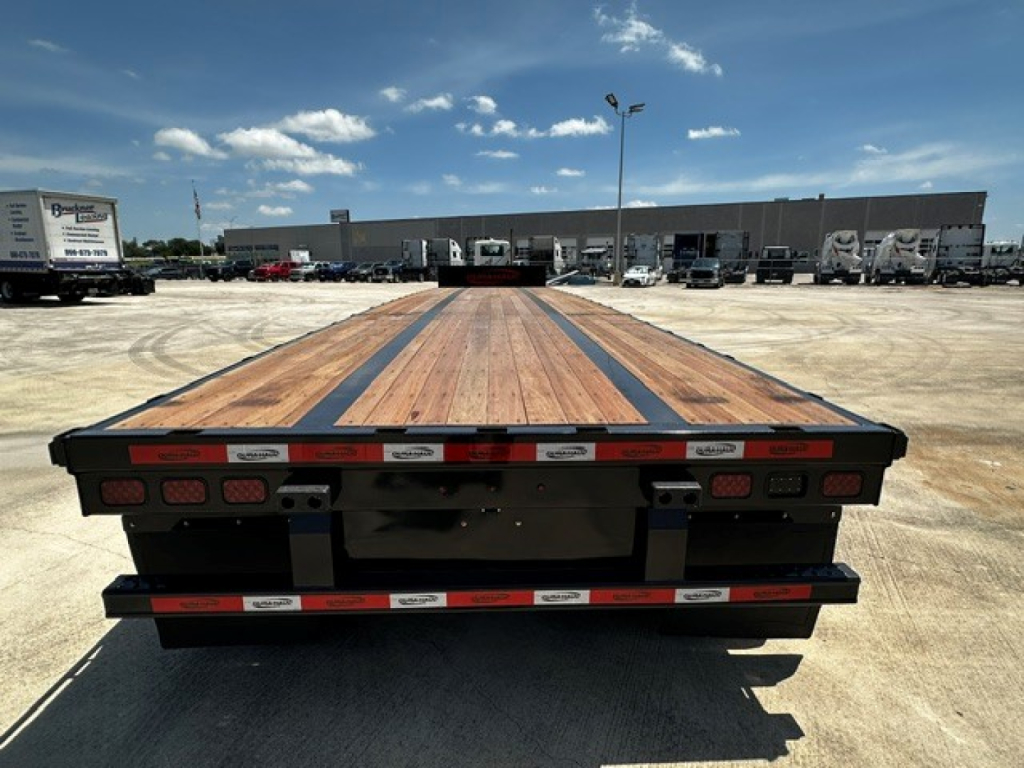
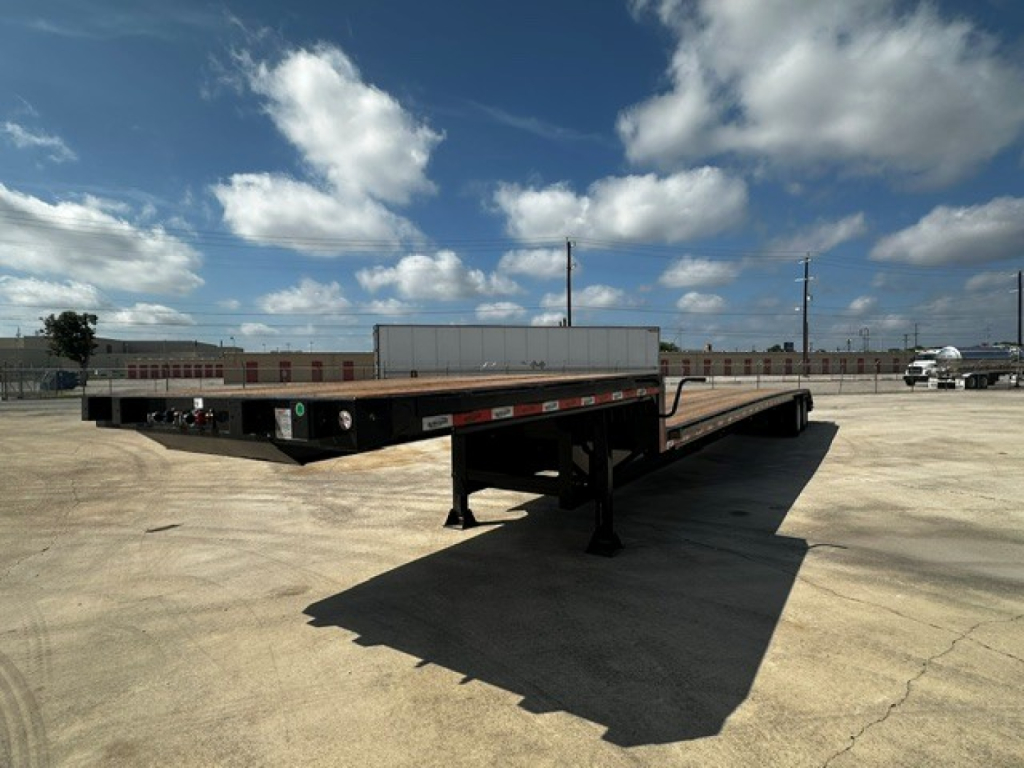
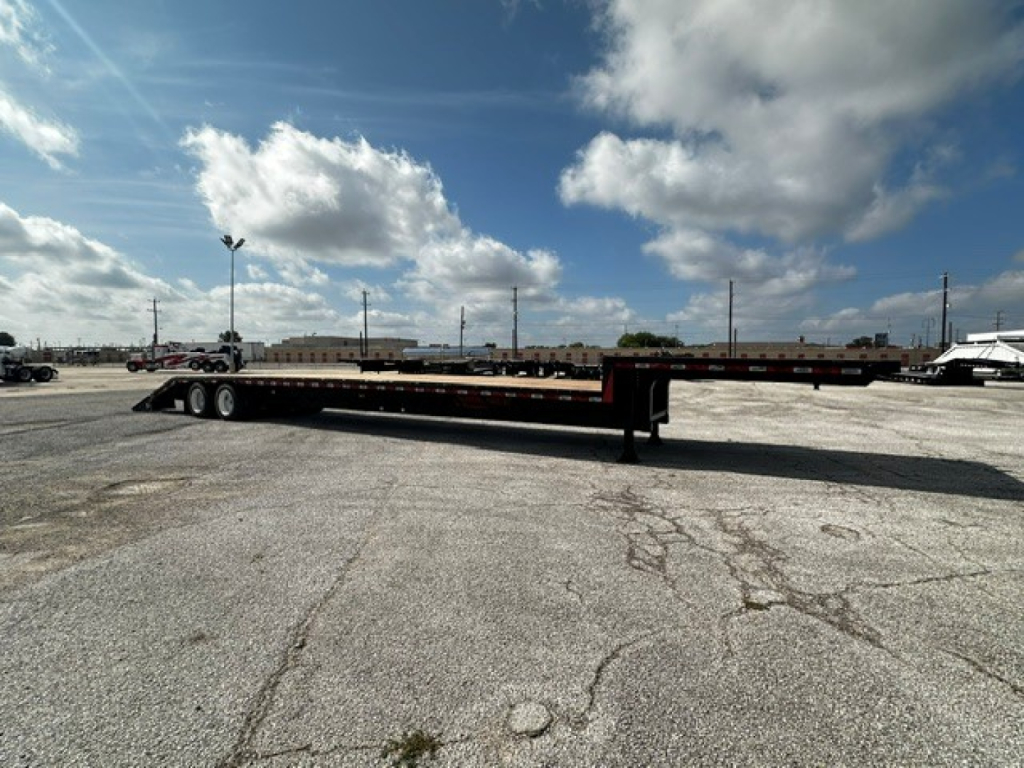
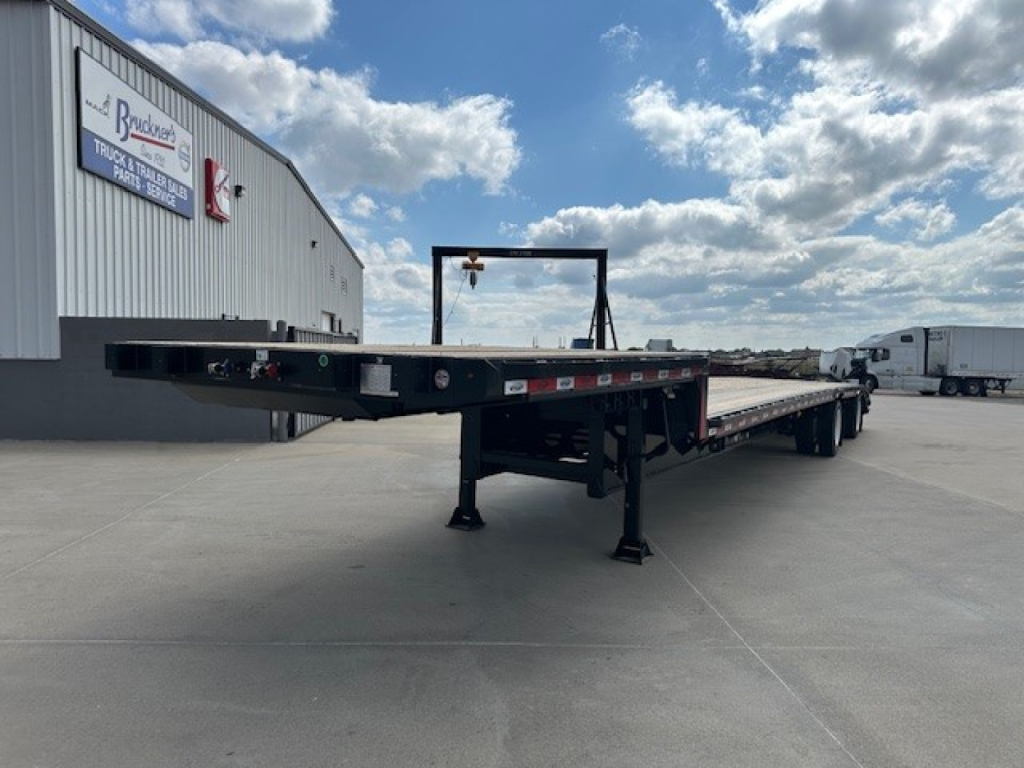
For most buyers, deck layout and axle configuration are the first decisions that matter. Common 2027 Dura Haul drop deck setups in this group include 48-foot and 53-foot lengths at 102 inches wide, with an upper deck around 10-foot 6 and a lower deck stretching roughly 37-foot 6 on a 48-footer or 42-foot 6 on a 53-footer with beavertail and ramps. A 122-inch spread axle setup is a practical fit for operators balancing payload distribution, bridge law considerations, and ride quality. Air ride suspension is especially useful when hauling equipment or damage-sensitive freight, and heavy duty two-speed landing gear is the kind of spec most fleets expect on a working drop deck.
Deck construction and cargo control details deserve a close look because they affect daily usability more than brochure specs do. Apitong flooring remains a strong choice for durability and traction under concentrated loads. Twelve-inch crossmember spacing gives better deck support for mixed freight and repeated forklift traffic. Sliding winches along the driver's side speed up securement and give flexibility when your load pattern changes from trip to trip. On units equipped with a beavertail and flush mount spring assisted ramps, loading small machines, skid steers, compact tractors, and other wheeled equipment is more efficient than using separate dock arrangements or portable ramps.
Texas buyers often put a premium on versatility because the same trailer may handle construction materials one week and equipment moves the next. That makes details like tire size, steel wheels, dump valves, and liquid-filled air gauges more relevant than they may seem at first glance. A well-specced Dura Haul drop deck should be evaluated on deck length split, ramp design, suspension, axle spread, and securement package before focusing on price alone. If your freight mix includes taller legal loads, partial machinery, or loads that need easier rear access, a drop deck trailer is one of the most flexible trailer types in general freight and light equipment service.
Frequently Asked Questions about 2027 Dura Haul Drop Deck Trailers in Texas
What is the difference between a drop deck trailer and a flatbed trailer?
A drop deck trailer, also called a step deck trailer, has two deck heights instead of one continuous deck. The upper deck sits over the tractor frame and the lower deck drops down behind it, which allows taller freight to ride lower and stay within legal height limits more easily than on a flatbed. That makes a drop deck a better choice for many machines, stacked materials, and crated loads that would be too tall on a standard flatbed.
Is a 48-foot or 53-foot drop deck better for my operation?
A 48-foot drop deck is often a strong fit for carriers running mixed freight, regional lanes, and jobs where maneuverability matters. A 53-foot drop deck gives more lower deck loading area and can be the better option when freight volume, longer machinery, or load flexibility is the priority. The right choice depends on your common commodity mix, route density, and whether lower deck length or easier access to tighter delivery points matters more in your work.
Why does a spread axle matter on a drop deck trailer?
A spread axle configuration can help with weight distribution and bridge law compliance, and it is a common spec for operators who need to maximize legal payload on general freight and equipment moves. A 122-inch axle spread is a familiar setup on drop decks because it balances stability, ride quality, and operational flexibility. Buyers should still confirm state regulations and turning requirements, since spread axles can affect maneuverability and tire scrub in tight yards or urban deliveries.
When should I choose a beavertail and ramps on a drop deck?
A beavertail with ramps makes sense when the trailer will regularly load wheeled or tracked equipment such as skid steers, small tractors, scissor lifts, and compact construction machines. The ramp and tail design reduces the loading angle and can speed up loading without requiring a dock or external ramp setup. If your freight is mainly palletized or crane-loaded material, a straight deck without ramps may preserve more usable deck space and reduce unnecessary weight.
What specs should I look at first when comparing Dura Haul drop deck trailers?
Start with overall length, upper deck and lower deck dimensions, axle spread, suspension type, and whether the trailer has a beavertail with ramps. After that, look closely at decking material, crossmember spacing, landing gear, tire size, and cargo control equipment such as sliding winches. Those are the specs that most directly affect what the trailer can haul, how easily it can be loaded, and how well it will hold up under repeated commercial use.