
2027 Dura Haul Drop Deck Trailers For Sale in Oklahoma
Shop 2027 Dura Haul drop deck trailers in Oklahoma. Compare 53-foot specs, axle spreads, ramps, air ride, and hauling applications.
Selling a 2027 dura haul drop deck trailer? List your 2027 dura haul drop deck trailer for sale and reach thousands of commercial buyers.
2027 Dura Haul Drop Deck Trailers in Oklahoma
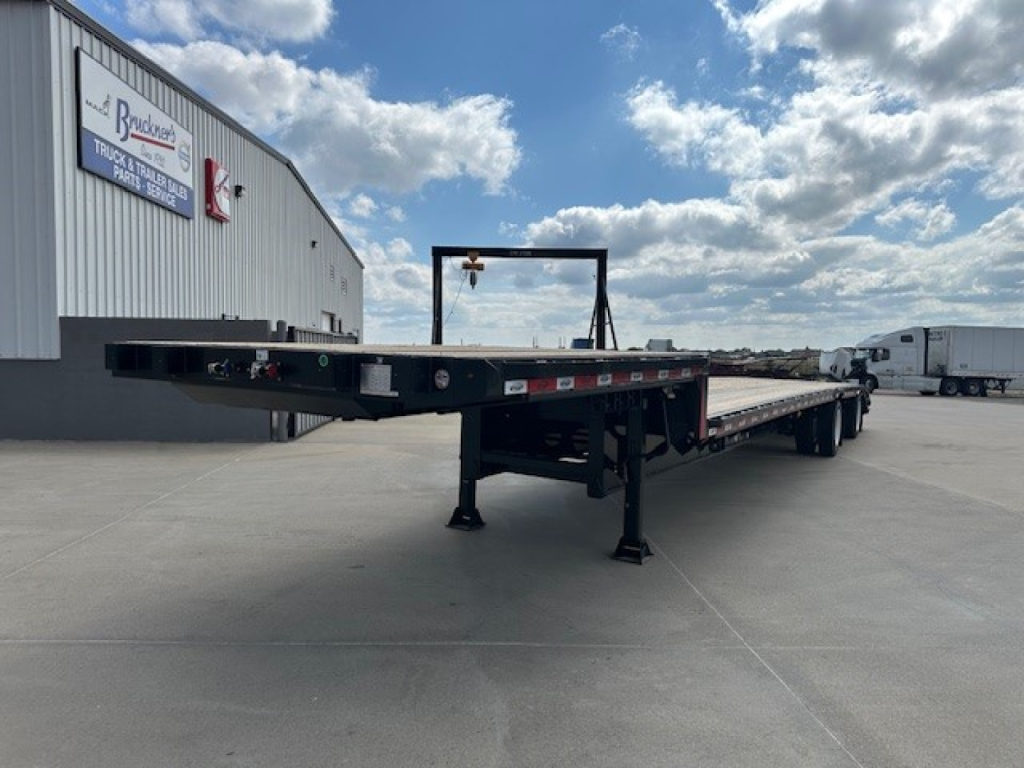
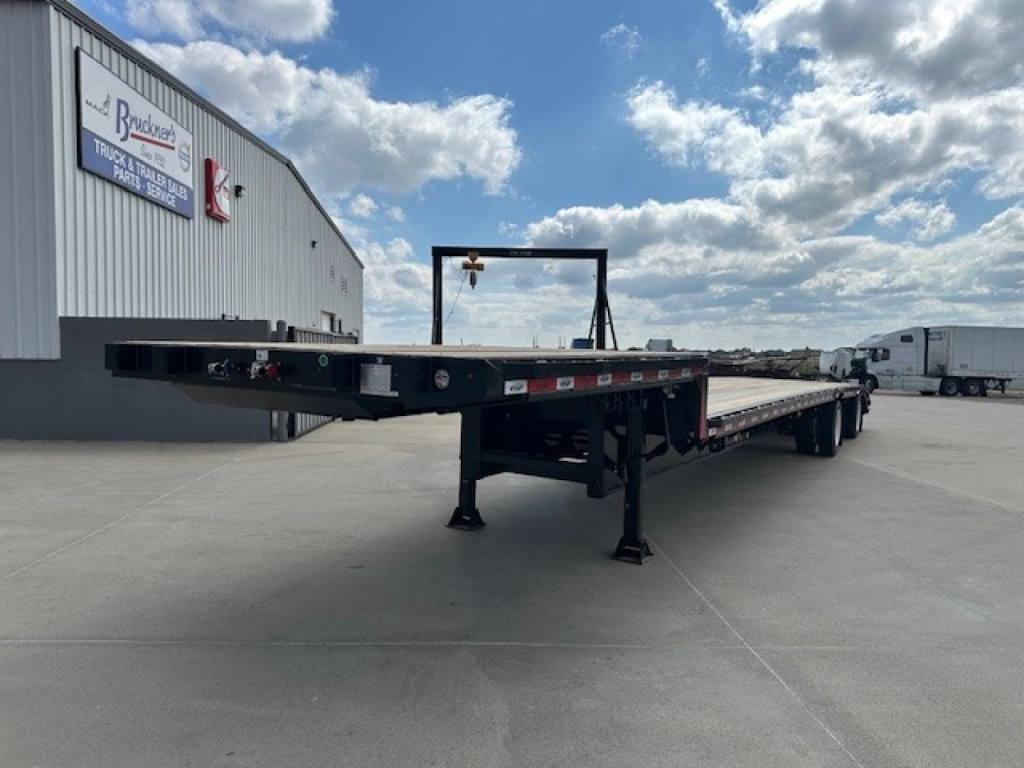
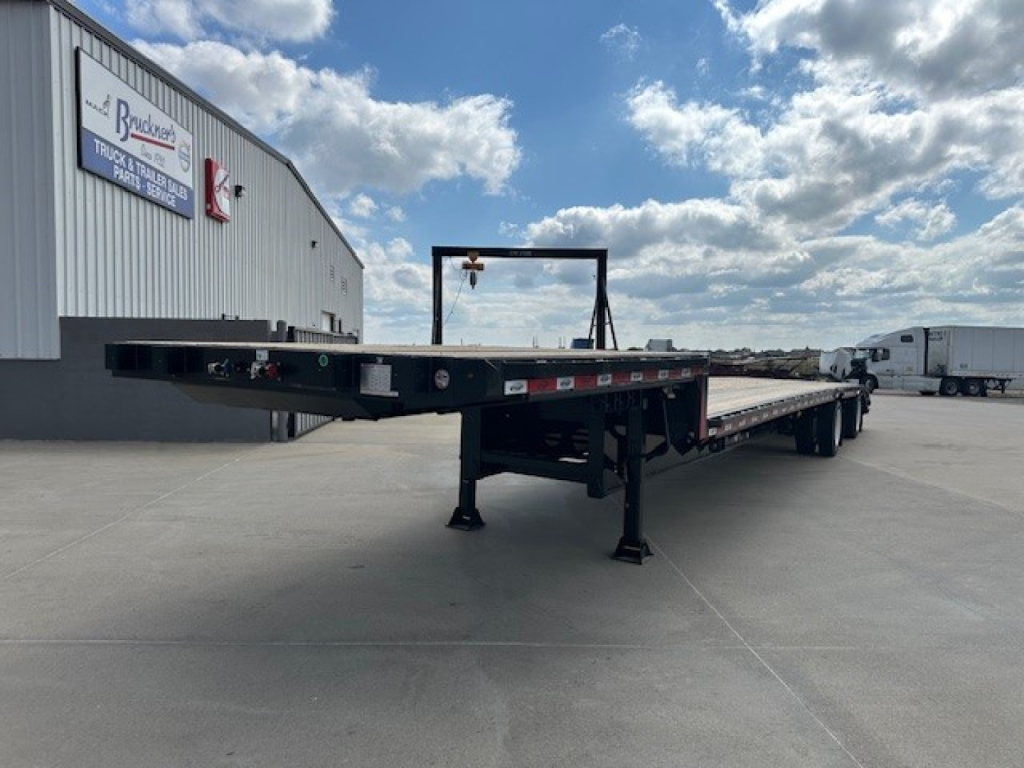
The most important buying decisions usually start with deck layout and loading method. Common configurations in this group include a 53-foot overall length with about a 10-foot 6-inch upper deck and roughly a 42-foot 6-inch lower deck. A beavertail with flush-mount spring-assisted ramps is especially useful if you plan to load forklifts, skid steers, compact equipment, or other wheeled cargo without relying on dock access. A 102-inch wide deck remains the standard for broad freight compatibility, while tighter crossmember spacing, such as 12-inch centers, matters if the trailer will see concentrated loads, mixed freight, or repeated equipment traffic.
Suspension and axle setup have a direct effect on ride quality, weight distribution, and state compliance. Air ride suspension is a popular spec on modern drop decks because it helps protect sensitive freight and improves handling on rougher secondary roads. A spread axle setup, such as a 122-inch spread, can be a strong fit for buyers trying to optimize bridge law performance and axle loading, though it may come with tradeoffs in tire scrub and maneuverability in tight yards. Tire size, wheel type, landing gear durability, and practical operating details like air gauges, dump valves, and sliding winches all matter more in daily use than they sometimes appear on a spec sheet.
Dura Haul drop deck trailers are often chosen by fleets and owner-operators who need a straightforward platform for construction, agricultural, industrial, and regional open-deck work across Oklahoma and surrounding states. When comparing listings, pay close attention to ramp style, lower deck length, number and placement of winches, suspension type, and overall frame construction. Those details determine how well the trailer matches your freight mix, how quickly it can be loaded and secured, and how much long-term maintenance and downtime you can expect.
Frequently Asked Questions about 2027 Dura Haul Drop Deck Trailers in Oklahoma
What is the main advantage of a drop deck trailer compared with a flatbed?
A drop deck trailer carries taller freight more legally and efficiently than a standard flatbed because the main deck sits lower to the ground. That lower deck height creates additional overhead clearance, which is important for machinery, pallets, steel, lumber, and other loads that might exceed legal height on a conventional flatbed. A drop deck still keeps much of the loading versatility and securement flexibility of an open-deck trailer, so it fits many general freight applications.
Why would a buyer want a beavertail and ramps on a 53-foot drop deck?
A beavertail and ramp package makes the trailer much more practical for self-loading equipment. Compact machines, forklifts, scissor lifts, skid steers, and similar wheeled or tracked units can be loaded without a dock or separate loading equipment. Flush-mount spring-assisted ramps also help preserve usable deck space while making ramp deployment easier for the operator. This setup is especially useful in construction, rental, and agricultural hauling where loading conditions change from job to job.
Is a spread axle drop deck better than a tandem axle trailer?
A spread axle drop deck can be better for certain operations, especially when bridge law compliance and weight distribution are priorities. The wider axle spacing can help carry heavier legal payloads in some situations and may improve load balance across the trailer. The tradeoff is that spread axles can scrub tires more aggressively in tight turns and may be less maneuverable in confined yards or urban deliveries. The best choice depends on your route profile, average load weight, and how often you operate in tight spaces.
What specs matter most when comparing Dura Haul drop deck trailers?
The most important specs are overall length, upper and lower deck lengths, deck width, suspension type, axle spread, ramp configuration, and crossmember spacing. Buyers should also review securement equipment such as sliding winches, rub rail design, stake pockets, and tie-down layout because those details affect how quickly and safely the trailer can be loaded. Landing gear quality, tire size, wheel construction, and air system features also matter because they influence durability, serviceability, and daily operating convenience.
What type of freight is commonly hauled on a drop deck trailer in Oklahoma?
Drop deck trailers in Oklahoma are commonly used for construction materials, agricultural equipment, palletized freight, pipe, steel products, crated machinery, and rental equipment. The lower deck helps with taller loads, while the open platform supports freight that can be loaded from the side, rear, or by crane. Buyers working across oilfield, farm, and construction sectors often prefer a drop deck because it handles a wide range of cargo without the height limitations of a flatbed.