
2027 Fontaine Drop Deck Trailers For Sale
Shop 2027 Fontaine drop deck trailers with specs buyers want, including combo builds, air ride, axle slides, tie-down options, and heavy-haul capability.

Selling a 2027 fontaine drop deck trailer? List your 2027 fontaine drop deck trailer for sale and reach thousands of commercial buyers.
2027 Fontaine Drop Deck Trailers
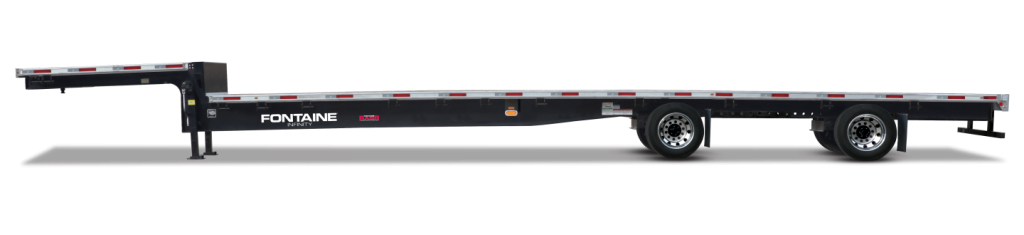
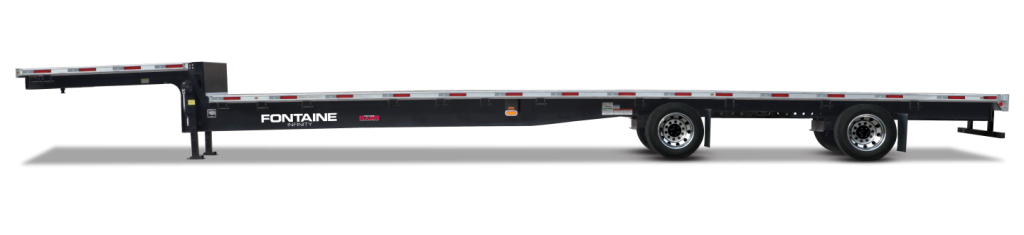
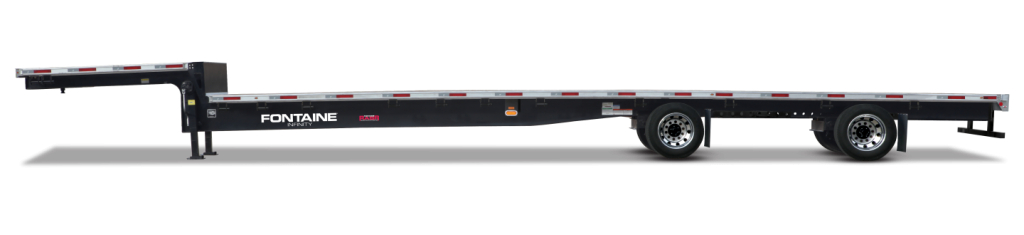
Fontaine drop decks are often found in 48-foot and 53-foot lengths, typically with a 10-foot upper deck and a 38-foot or 43-foot lower deck. Common specs include 102-inch overall width, lower deck heights around 40 inches loaded, and kingpin settings such as 18 inches to help match bridge law and tractor setup. In this class, combo construction is especially important. Many Fontaine models use steel main beams with aluminum flooring, side rails, and crossmember-related weight-saving design features to balance strength with tare weight. Buyers comparing a steel trailer to a combo trailer should pay close attention to concentrated load ratings, distributed load ratings, flange capacity, flooring thickness, and how the trailer is reinforced in the transition area.
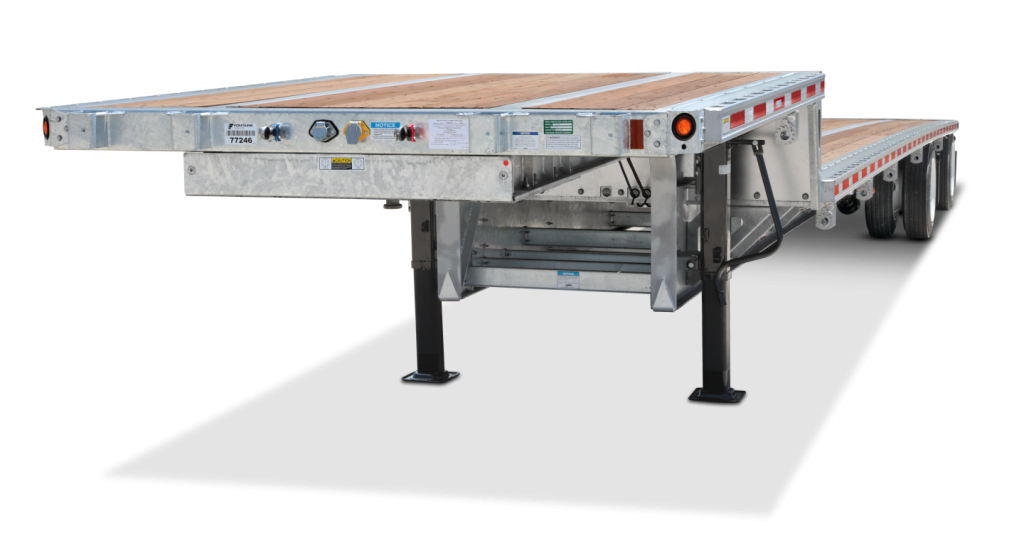
Securement and operating layout matter just as much as raw capacity. A well-spec'd drop deck in this category may include recessed chain tie-downs, stake pockets on 24-inch centers, integrated rub rails, full-length winch tracks, sliding winches, coil package options, bulkhead pockets, and dock bumpers. Air ride suspension is common because it helps protect sensitive freight and improves ride quality, while tandem axle rear slides or widespread configurations are popular for buyers managing bridge compliance, weight distribution, and state-specific rules such as California legal settings. Tire size, fifth wheel height, axle spread, and rear frame design all affect how easily the trailer will fit into an existing fleet and load profile.
For many buyers, the best Fontaine drop deck is the one matched to the freight mix, not the one with the highest published rating. A lighter combo step deck can improve payload on general commodity freight, while a heavier all-steel configuration may make more sense for repeated loading of concentrated equipment or rough-use applications. It is smart to compare deck length, loaded deck height, suspension brand, brake and ABS configuration, toolboxes, tire inflation options, and container or twist-lock features if intermodal flexibility matters. Fontaine has long been a recognized name in flatbed and drop deck work, and this category remains a practical choice for fleets and owner-operators who need a durable trailer that can handle legal-height freight with better versatility than a standard flatbed.
Frequently Asked Questions about 2027 Fontaine Drop Deck Trailers
What is the difference between a drop deck trailer and a flatbed trailer?
A drop deck trailer, also called a step deck trailer, has two deck levels instead of one continuous deck. The upper deck sits over the drives, and the lower deck drops behind it to create additional loading height. That lower deck height allows taller freight to move legally without requiring the specialized setup of a lowboy. A standard flatbed is simpler and often easier to load from any angle, but it does not provide the same height advantage for oversized or taller cargo.
What specs matter most when buying a 2027 Fontaine drop deck trailer?
The most important specs are overall length, upper and lower deck length, loaded deck height, weight rating, concentrated load rating, axle configuration, kingpin setting, and construction type. Buyers should also review flooring material, tie-down layout, rub rail design, stake pocket spacing, winch track setup, suspension type, and tire size. These details determine legal loadability, how easily freight can be secured, and whether the trailer will fit existing tractors and lanes.
Is a combo Fontaine drop deck better than an all-steel model?
A combo trailer is not automatically better, but it is often preferred when payload is a priority. Combo construction typically uses steel in the main structural areas and aluminum in components such as the deck or side rails to reduce tare weight while keeping strength where it matters. An all-steel trailer may be a better fit for severe-duty service, concentrated machinery loads, or operations where long-term structural abuse is expected. The right choice depends on freight type, loading practices, and how much weight savings translates into billable payload in your operation.
Why would a buyer want a rear axle slide on a drop deck trailer?
A rear axle slide gives the trailer more flexibility for weight distribution and bridge compliance. It helps operators adjust axle spacing for different load placements, tractor wheelbases, and state regulations. This is especially valuable on 53-foot drop decks running mixed freight or operating in areas with strict legal dimensions and axle rules. A sliding rear axle can also improve practical loadability by letting the trailer be tuned to the freight instead of forcing every load into one fixed axle position.
What kind of freight is commonly hauled on a Fontaine drop deck?
Common freight includes construction materials, forklifts, compact equipment, crated industrial machinery, steel products, lumber, pipe, palletized freight, and other cargo that benefits from extra deck clearance. Drop decks are popular when freight is too tall for a standard flatbed but still needs open-deck loading and multiple securement points. They are also useful for mixed freight because the upper and lower deck sections create more flexibility for balancing the load and meeting securement requirements.