
2027 Fontaine Drop Deck Trailers For Sale in Texas
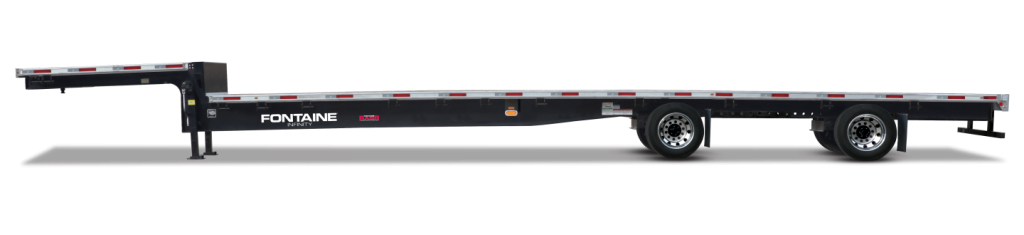
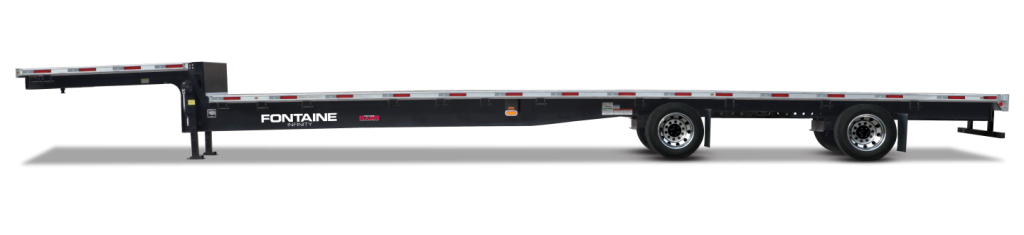
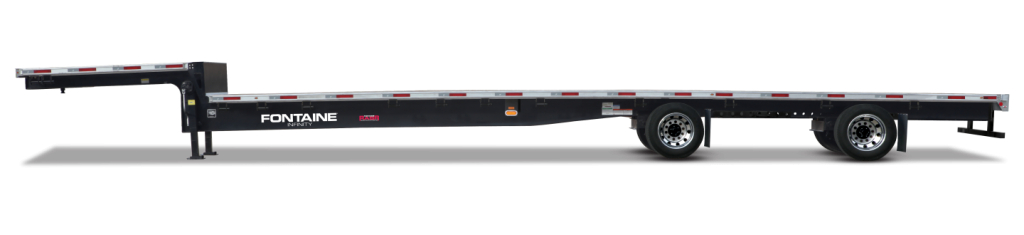
Shop 2027 Fontaine drop deck trailers in Texas. Compare 48' and 53' step deck specs, axle setups, deck heights, securement, and payload options.

Selling a 2027 fontaine drop deck trailer? List your 2027 fontaine drop deck trailer for sale and reach thousands of commercial buyers.
2027 Fontaine Drop Deck Trailers in Texas
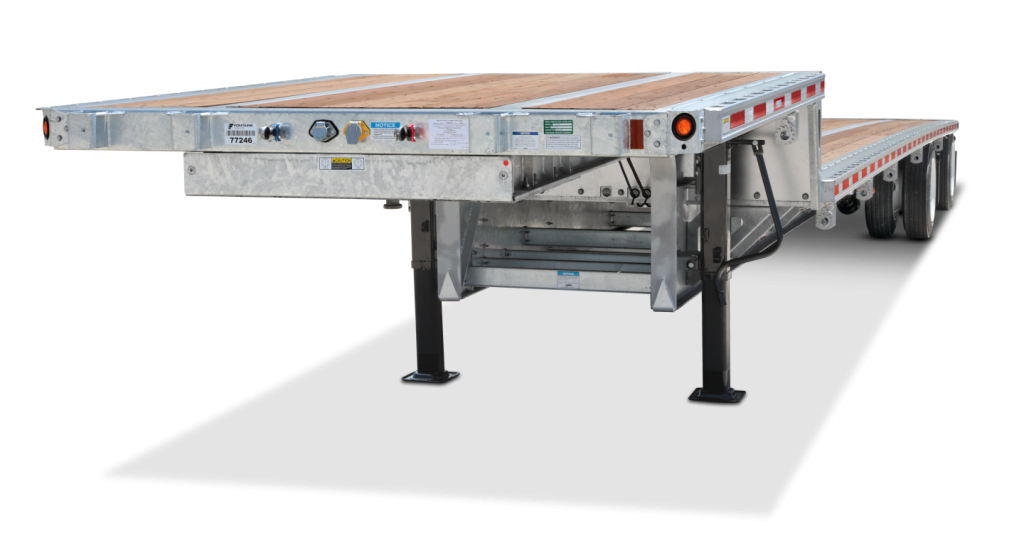
Fontaine combo construction is a major buying point in this category. Buyers often look for aluminum flooring with steel main beam strength, which helps keep trailer weight down without giving up durability in concentrated load applications. On many drop deck trailers in this class, 80,000-pound distributed capacity is standard, and some are rated for higher concentrated loads over a short section of deck, especially when ordered with a coil package or heavy-duty load-bearing flanges. If you haul steel, coils, equipment, or dense freight, pay attention to concentrated rating, crossmember design, floor thickness, and whether the trailer includes wood nailer strips for easier blocking and securement.
Securement layout is just as important as gross capacity. A well-equipped drop deck typically includes integrated rub rails, stake pockets on 24-inch centers, chain tie-downs recessed in the siderails, bulkhead pockets, and full-length winch tracks with sliding winches. Those details make a real difference when the load mix changes from one trip to the next. Air ride suspension is common for load protection and ride quality, and axle layout deserves a close look. Tandem axles with a rear axle slide can help with bridge law compliance and load distribution, while wide-spread air ride setups are often chosen for weight management and regional legal requirements. In Texas, where routes can include long interstate runs, oilfield support, and heavy building material freight, axle spread, kingpin setting, and suspension spec should match the freight lanes you actually run.
Galvanized components and corrosion-resistant finishes are worth considering if the trailer will see years of outdoor exposure, coastal humidity, or mixed-service use. Buyers should also compare tare weight, tire size, ABS configuration, dump valve setup, and practical items like dock bumpers, spare tire carriers, and LED lighting. The right Fontaine drop deck is usually the one that balances deck height, payload, securement flexibility, and axle adjustability for the freight you haul most often. A lighter trailer may improve payload on routine shipments, while a heavier-spec unit may pay off faster if your operation regularly handles concentrated machinery or steel loads.
Frequently Asked Questions about 2027 Fontaine Drop Deck Trailers in Texas
What is the main advantage of a Fontaine drop deck trailer over a standard flatbed?
The main advantage is lower deck height. A drop deck trailer allows taller freight to move legally without requiring the permits that a taller flatbed load may trigger. That makes it a strong fit for equipment, construction materials, industrial freight, and other loads that need open-deck access but exceed standard flatbed height limits. It also gives operators more flexibility when loading mixed freight across the upper and lower decks.
What lengths and deck dimensions are common on Fontaine drop deck trailers?
Common configurations include 48-foot and 53-foot trailers with a 102-inch overall width. Many setups use a 10-foot upper deck and a lower deck ranging from about 38 feet to 43 feet. Loaded rear deck height is often around 40 inches, though exact height depends on suspension, tire size, and tractor fifth wheel height. Buyers should confirm these measurements because small differences can affect legal load height and loading compatibility.
How important is axle configuration on a drop deck trailer?
Axle configuration is critical because it affects bridge compliance, weight distribution, turning characteristics, and legal operation in different states. Tandem axles with a sliding rear axle are common when flexibility is needed for varying load positions and California-style bridge settings. Wide-spread air ride tandems are also popular for maximizing legal weight distribution. The right choice depends on the freight you haul, the states you run, and how often load placement changes.
What securement features should buyers look for on a step deck trailer?
Key securement features include stake pockets, integrated rub rails, chain tie-downs, winch tracks, sliding winches, and bulkhead pockets. A trailer with securement points spaced consistently along the siderails is easier to use with different cargo sizes and shapes. If the trailer will haul steel, machinery, or coil freight, buyers should also look at coil package specifications, concentrated load ratings, and deck material details that support blocking and chaining.
Is galvanized construction worth it on a Fontaine drop deck trailer?
Galvanized main beams, crossmembers, and related structural components can add long-term value, especially in demanding service or humid environments. Corrosion resistance helps preserve structural condition and appearance over time, which can reduce maintenance needs and support resale value. For fleets that keep trailers for many years or run in weather-exposed applications, galvanized construction is often a practical upgrade rather than just a cosmetic one.