
2027 Drop Deck Trailers For Sale in Oklahoma
Browse 2027 drop deck trailers in Oklahoma. Compare 53-foot step deck specs, axle spreads, ramps, deck lengths, and securement features.
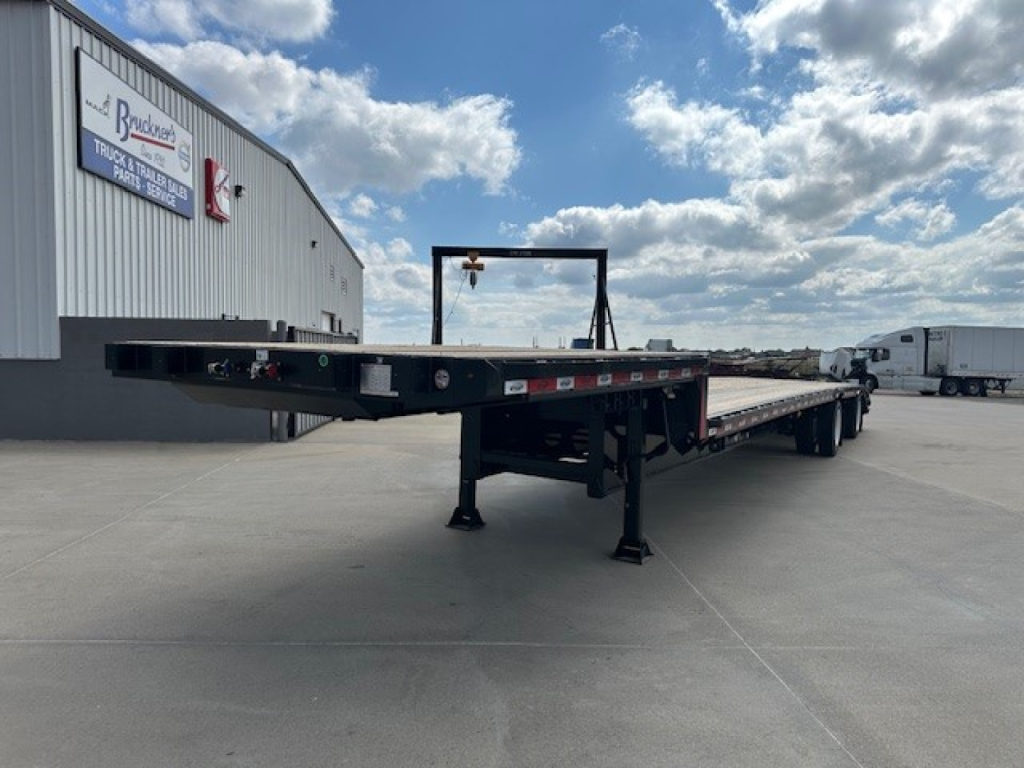
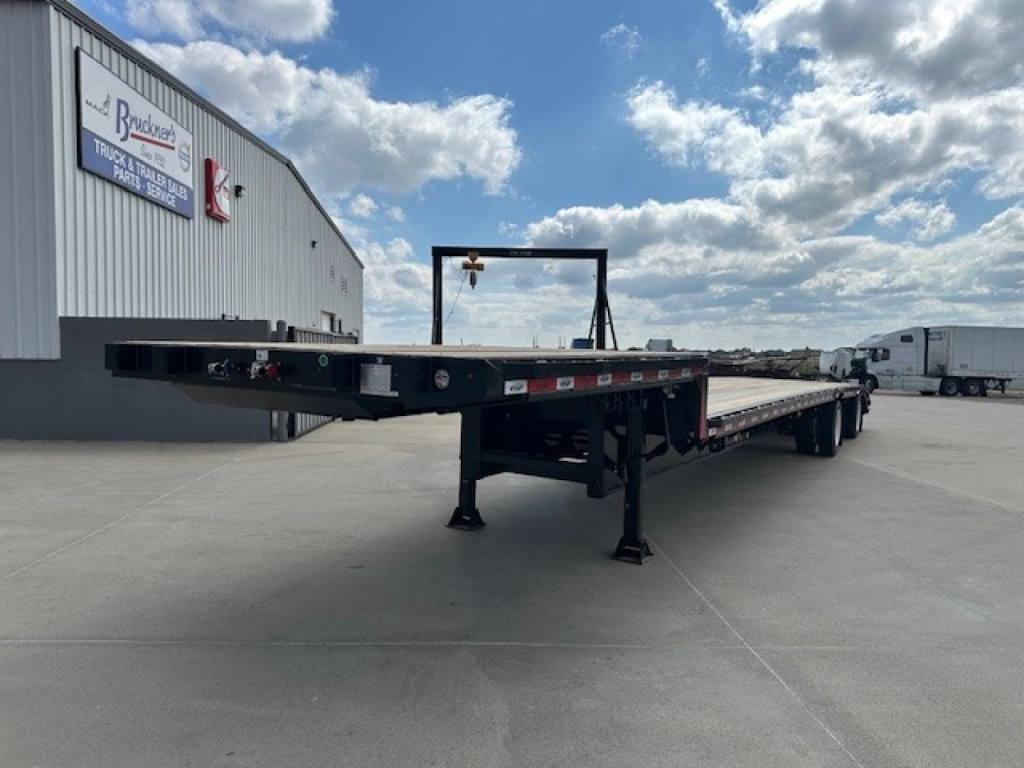
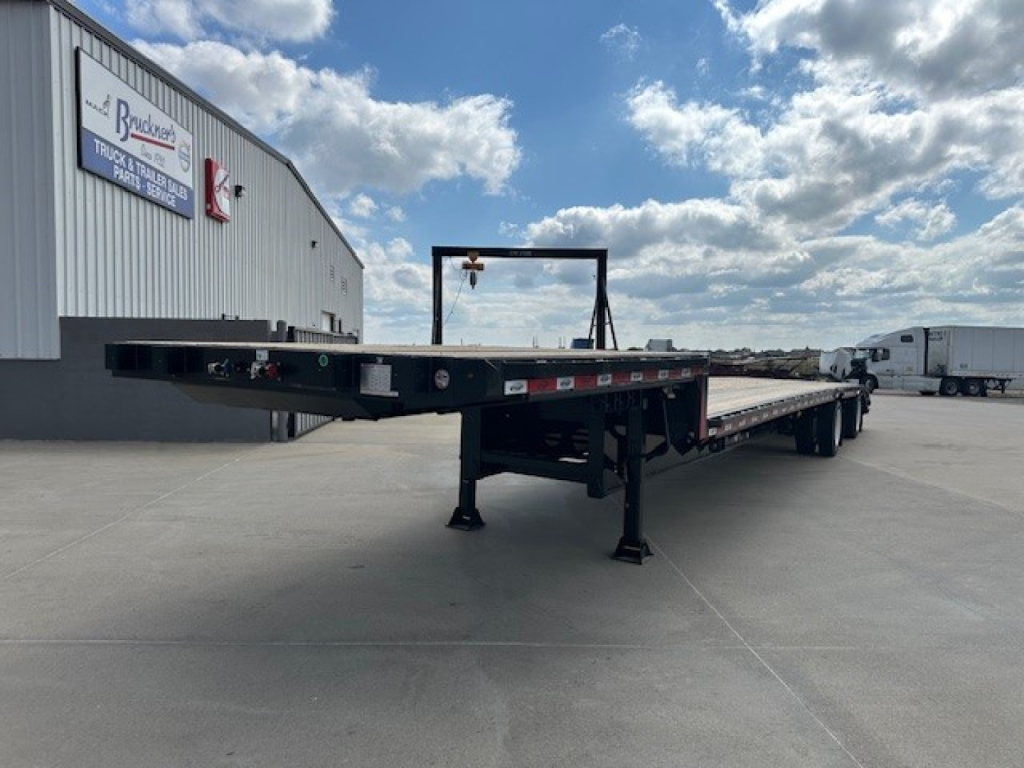
Selling a 2027 drop deck trailer? List your 2027 drop deck trailer for sale and reach thousands of commercial buyers.
2027 Drop Deck Trailers in Oklahoma
The first decisions usually come down to deck layout, suspension, and axle configuration. A beavertail with spring-assisted ramps is useful for rolling equipment and compact machines, while a straight lower deck may be the better fit for general freight and maximum usable deck space. Many buyers look closely at crossmember spacing, winch track placement, and securement count because those details affect daily usability more than brochure specs. Common features on newer drop deck trailers include air ride suspension, heavy duty two-speed landing gear, sliding winches, steel or aluminum wheel choices, and rear air gauge and dump valve setups that simplify loading and docking.
Axle spread matters in Oklahoma and across multistate operations because bridge compliance, turning radius, tire wear, and load distribution all change with the trailer setup. A spread axle drop deck can help with heavier legal payloads in many applications, but it can also be harder on tight job sites than a closed tandem. Tire size, ride height, and kingpin setting also deserve attention if the trailer will run with different tractors or haul mixed freight. Buyers hauling concentrated loads should check frame rating, lower deck height, main beam design, and the number and placement of chain ties, stake pockets, and rub rail options.
For many fleets and owner-operators, the value of a late-model drop deck is in versatility. A properly spec'd 2027 drop deck can cover machinery one day and dimensional building material the next, without giving up the securement flexibility open-deck freight demands. Focus on lower deck length, ramp style, axle spread, suspension type, and securement hardware before comparing cosmetic details. Those are the specs that determine how many loads the trailer can realistically take and how efficiently it will work in daily service.
Frequently Asked Questions about 2027 Drop Deck Trailers in Oklahoma
What is the difference between a drop deck trailer and a flatbed trailer?
A drop deck trailer has two deck heights: a raised upper deck near the tractor and a lower main deck behind it. That lower deck allows taller freight to ride lower than it would on a flatbed, which helps keep the load within legal height limits. Flatbeds are simpler for some freight, but a drop deck is usually the better tool when cargo height is the limiting factor.
What freight is a 53-foot drop deck trailer commonly used for?
A 53-foot drop deck is commonly used for equipment, construction materials, steel products, palletized freight, agricultural machinery, and crated industrial components. Units with beavertails and ramps are especially useful for loading rolling equipment such as skid steers, small tractors, and lifts. The long lower deck also works well for mixed freight that needs multiple securement points and open side access.
Why does axle spread matter on a drop deck trailer?
Axle spread affects legal payload, bridge formula compliance, maneuverability, and tire scrub. Spread axle configurations can improve weight distribution and may allow heavier legal loads in some applications, but they usually require more room to turn and can increase tire wear in tight operations. Buyers running regional or multistate lanes should match the axle setup to the routes, commodity, and loading environment.
Are ramps and a beavertail worth having on a drop deck trailer?
Ramps and a beavertail are worth it if the trailer will regularly load self-propelled or towable equipment. They reduce dependence on loading docks or external equipment and make the trailer more versatile for machinery work. If the trailer will spend most of its time on palletized or crane-loaded freight, a full flat lower deck may provide more usable cargo space and fewer loading compromises.
What specs should buyers prioritize on a newer drop deck trailer?
The most important specs are lower deck length, loaded deck height, axle configuration, suspension type, frame capacity, and securement hardware. Buyers should also review crossmember spacing, winch count and placement, kingpin setting, landing gear rating, and tire and wheel package. These details determine what the trailer can legally haul, how easy it is to load, and how well it holds up in regular open-deck service.