
2027 Drop Deck Trailers For Sale in Ohio
Shop 2027 drop deck trailers for sale in Ohio. Compare 48-foot and 53-foot specs, deck height, ramps, air ride, winch tracks, and payload setup.
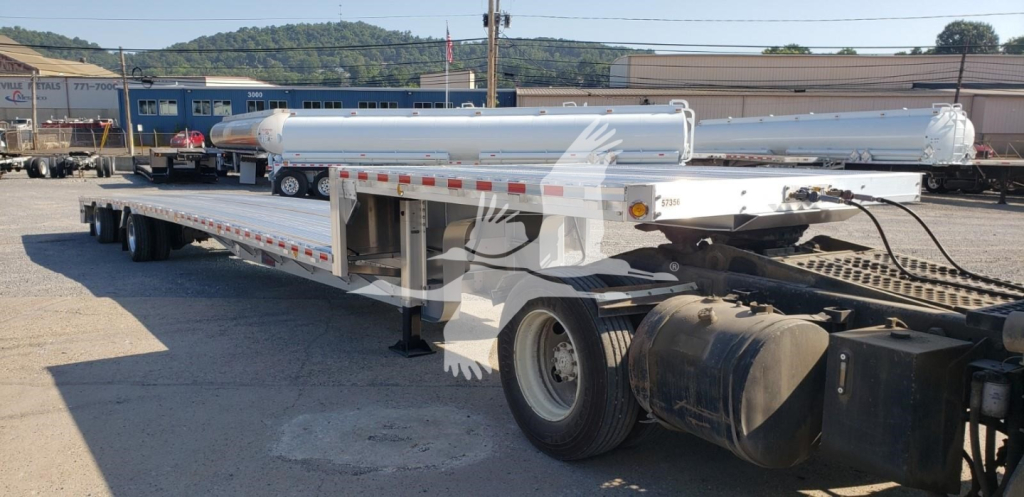
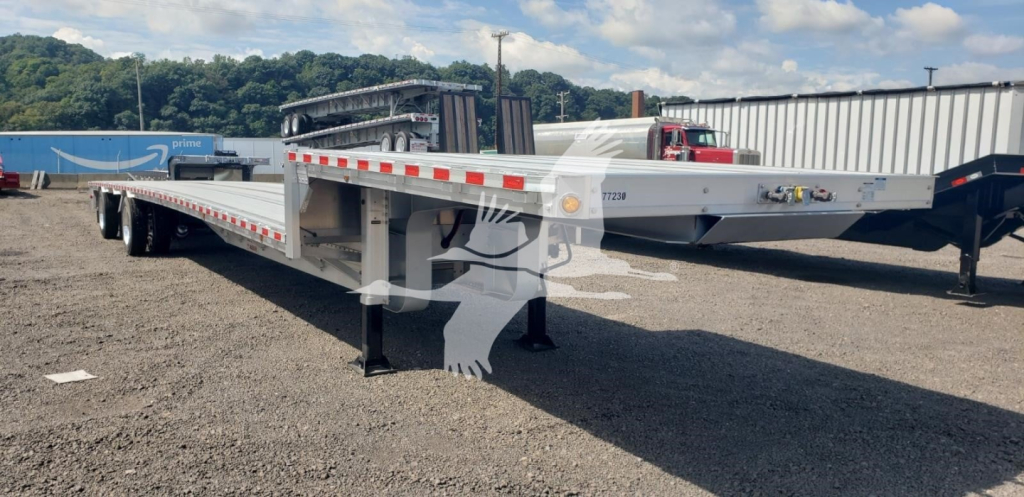
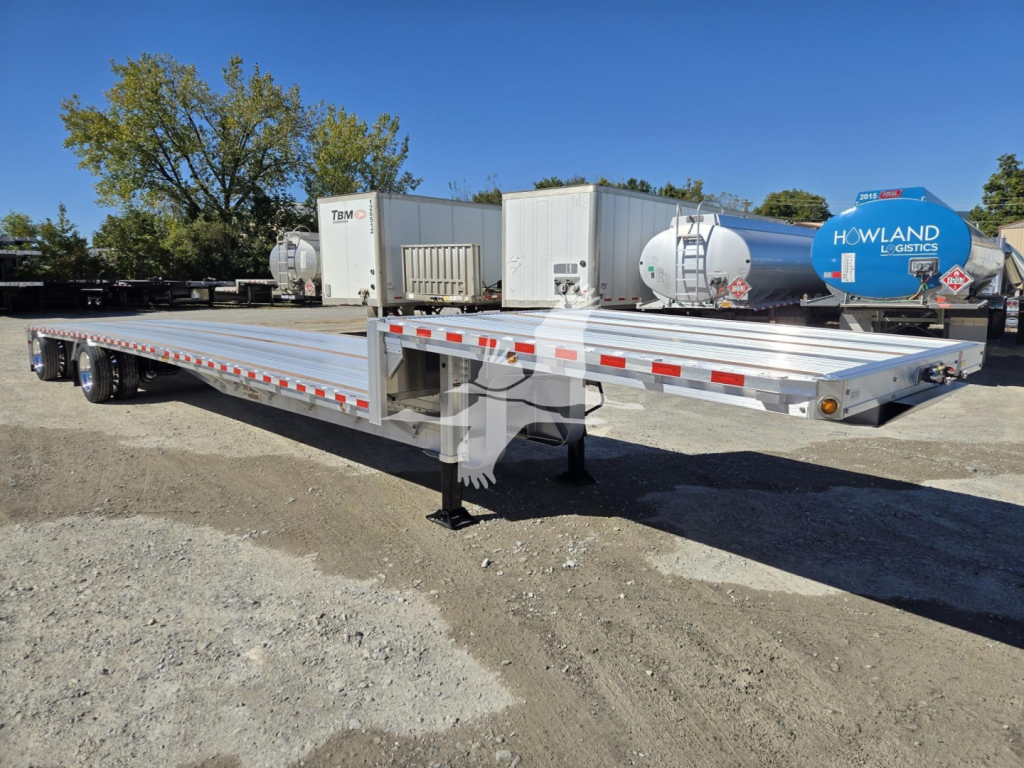
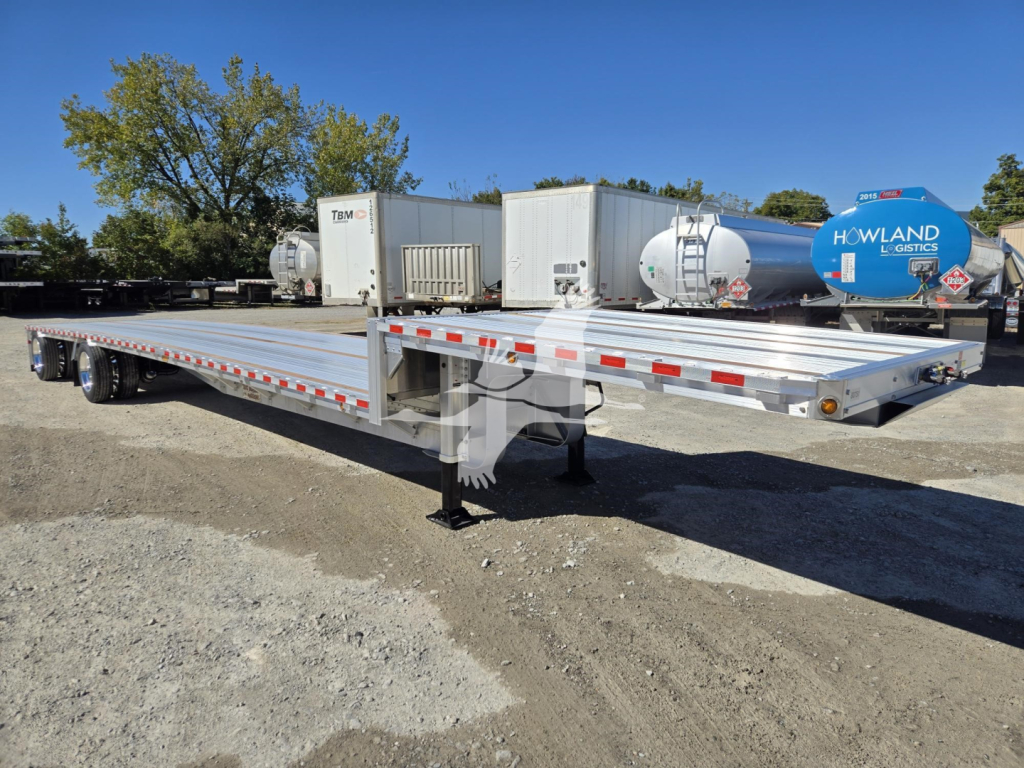
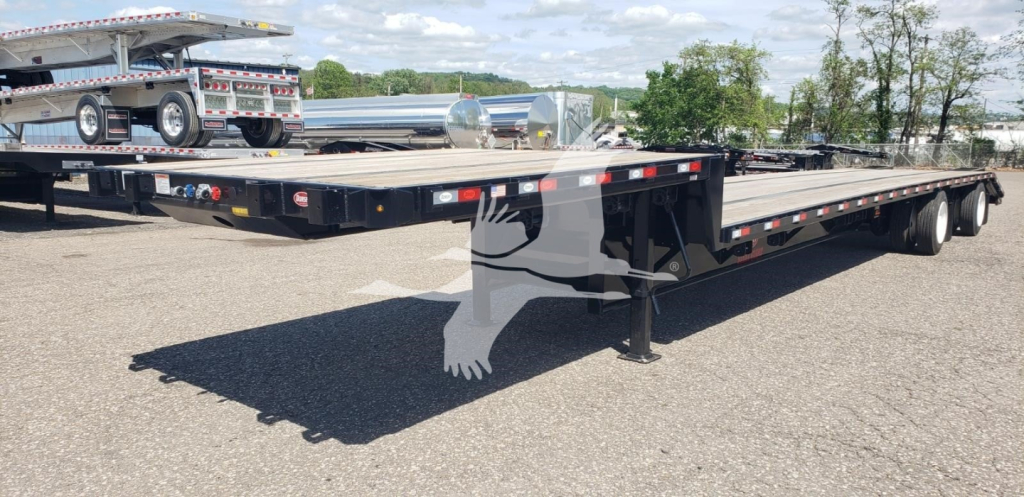
Selling a 2027 drop deck trailer? List your 2027 drop deck trailer for sale and reach thousands of commercial buyers.
2027 Drop Deck Trailers in Ohio
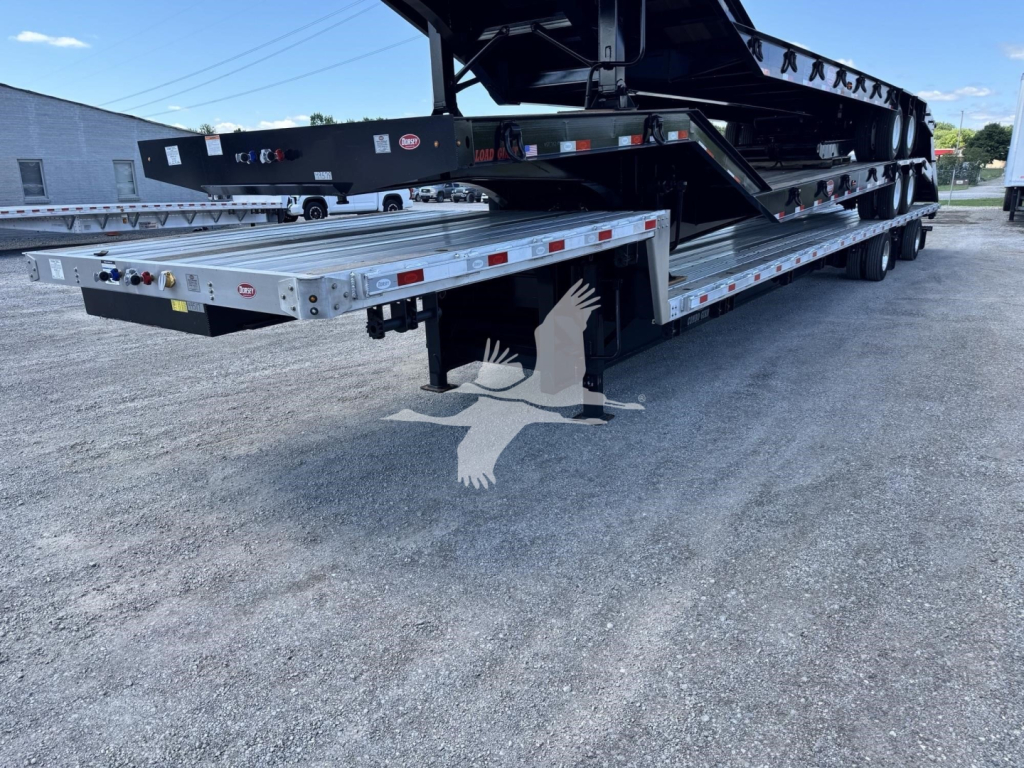
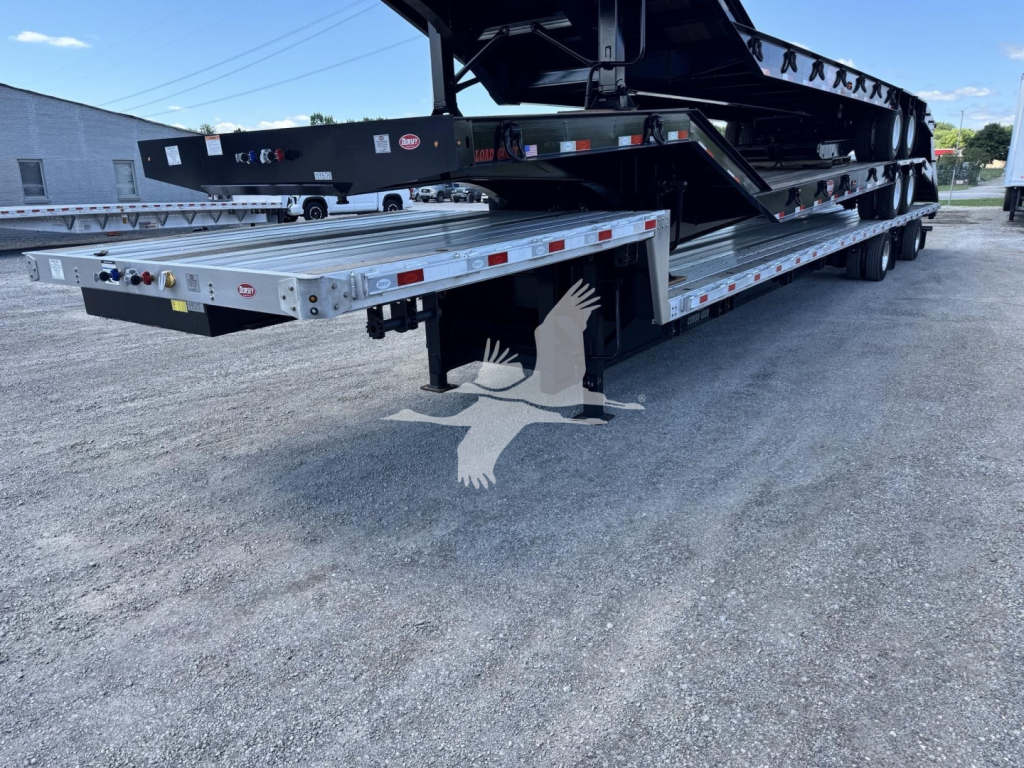
The first spec to compare is construction. Steel drop decks usually bring a lower purchase price, strong durability, and good fit for hard-use freight, while aluminum models reduce empty weight and can materially improve payload. Common flooring includes 1 1/8-inch Apitong on steel units and aluminum floors with nailing strips on lighter-weight trailers. Crossmember spacing matters if you haul concentrated loads such as forklifts, skid steers, coils, or dense machinery. Buyers should also look at side rail design, double pipe spools, winch track location, sliding winch count, and whether the trailer is set up for flat hooks, chain securement, or mixed strap-and-chain work.
Suspension and axle layout have a direct impact on ride quality, tire wear, and loading flexibility. Tandem axle air ride remains the standard on many drop decks, often with Hendrickson setups and 10-foot 2-inch spread configurations. Features like auto 4-bag dump valves, electric dump on the rear axle, tire inflation systems, and disc brakes can make a meaningful difference in maintenance and handling. Kingpin setting, landing gear spec, and tire size also deserve attention because they affect fifth wheel clearance, bridge compliance, and fleet standardization. In Ohio and surrounding freight lanes, corrosion resistance is worth considering, so galvanized crossmembers, galvanized rear protection, and durable lighting packages can add long-term value.
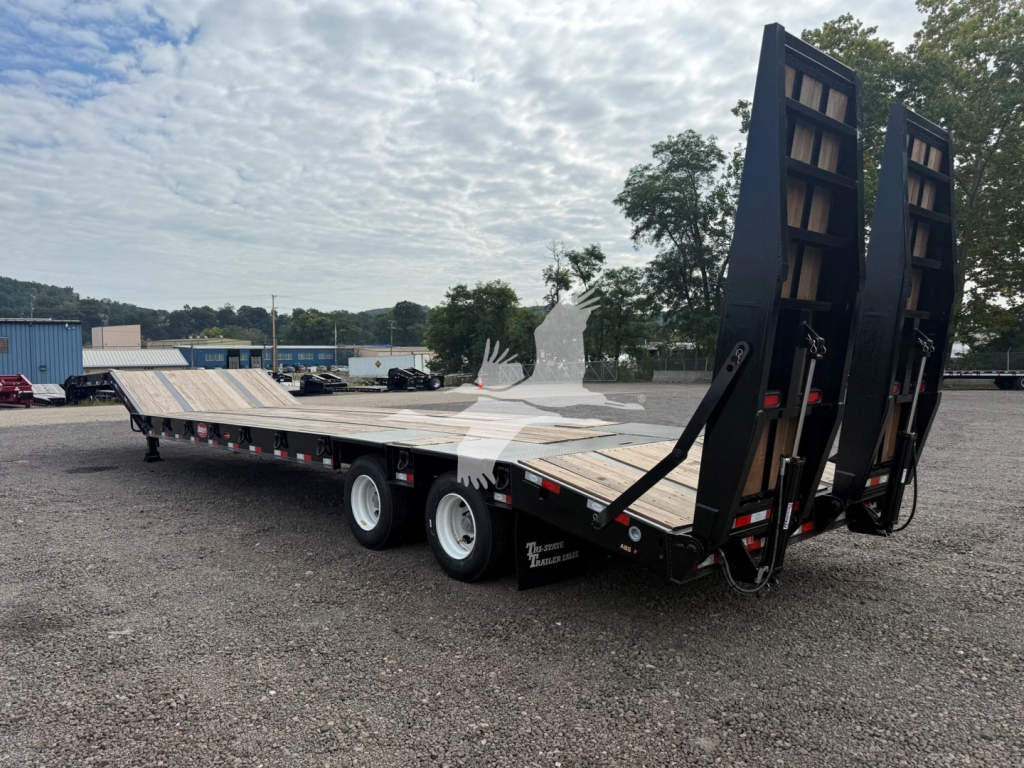
If the freight mix includes self-propelled equipment, a beavertail and spring-assisted ramps can be the deciding feature. A 53-foot drop deck with beavertail offers easy loading for compact machines while still handling general open-deck freight. Buyers comparing 2027 models should weigh deck height, trailer tare weight, securement layout, and frame material against the actual freight they move every week. The best drop deck is not just the one with the lowest deck or lightest tare. It is the one whose deck length, rating, suspension, and securement package match your permits, routes, and commodity mix.
Frequently Asked Questions about 2027 Drop Deck Trailers in Ohio
What is the difference between a drop deck trailer and a flatbed trailer?
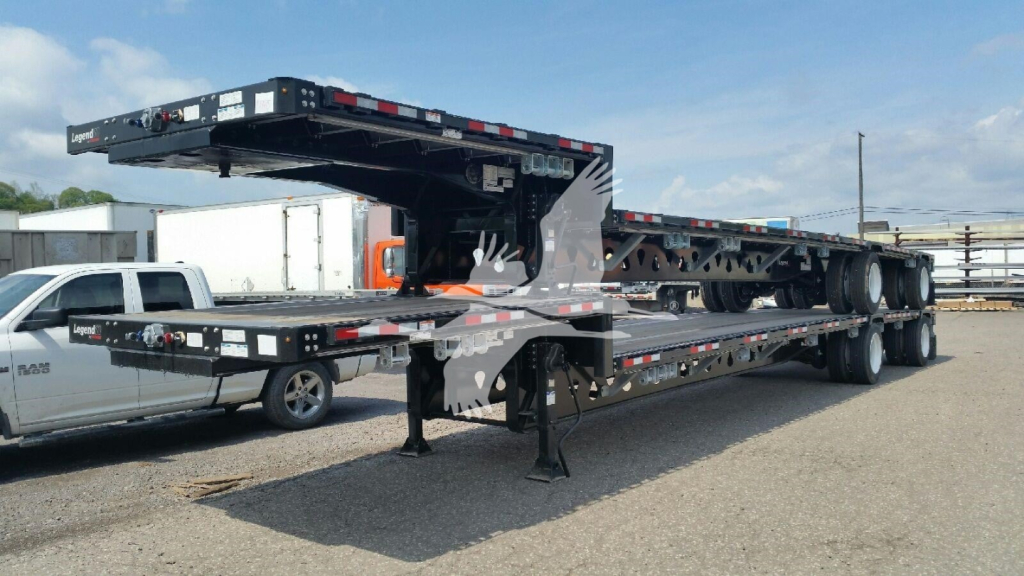
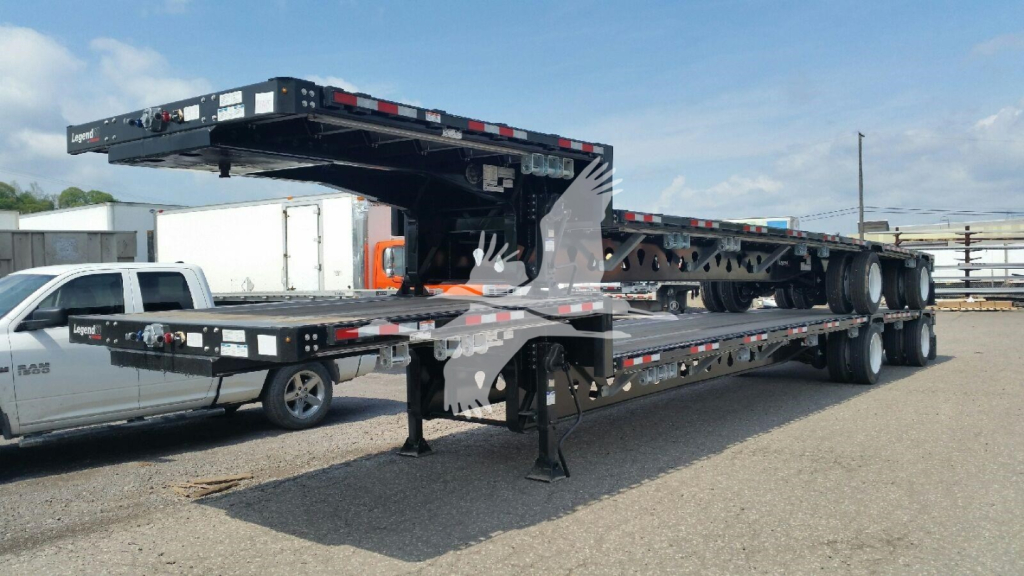
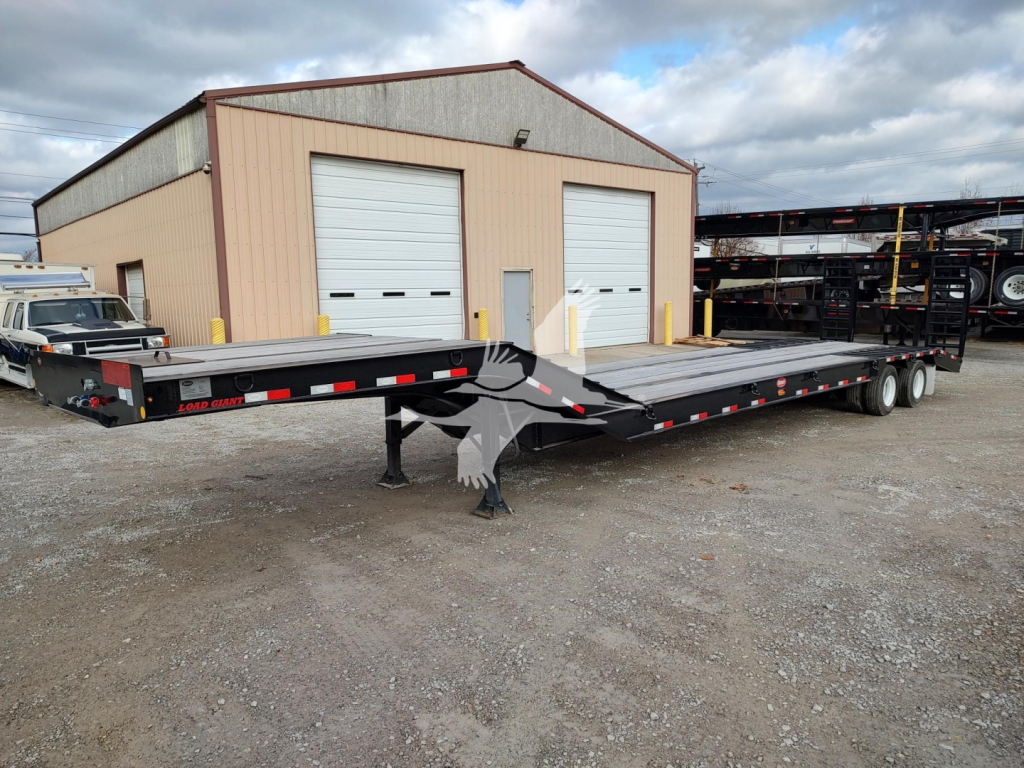
A drop deck trailer has two deck levels: a raised upper deck near the tractor and a lower main deck behind it. That lower deck allows taller freight to move legally compared with a standard flatbed, which has one continuous deck height. For buyers hauling equipment, building materials, or palletized freight that pushes height limits, the drop deck offers more flexibility without moving into lowboy territory.
What length and deck dimensions are most common on a 2027 drop deck trailer?
Many current-spec drop deck trailers are 48 or 53 feet long and 102 inches wide. A common layout is a top deck around 10 feet long with a main deck around 37 to 38 feet. Main deck height often falls in the upper-30-inch to low-40-inch range depending on tires, suspension, and frame design. Those measurements matter because they directly affect legal loaded height, axle placement, and how much usable lower-deck space you have for freight.
Is steel or aluminum better for a drop deck trailer?
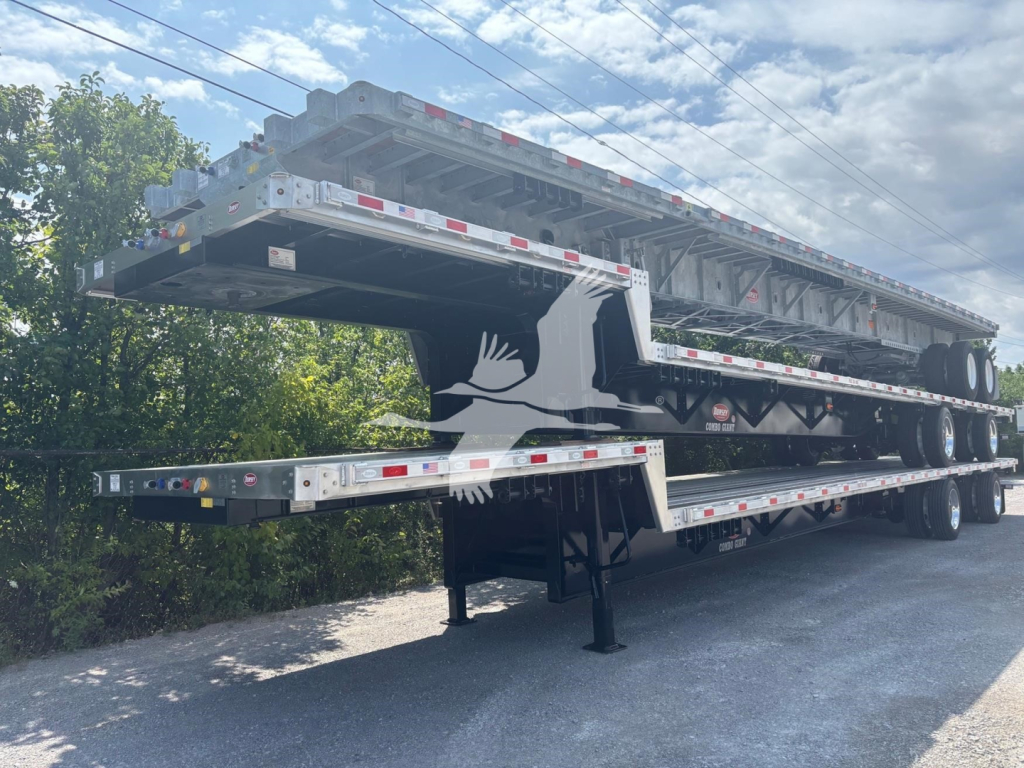
Steel is often preferred for rugged service, lower upfront cost, and resistance to abuse in demanding loading environments. Aluminum is valued for lower tare weight, which can increase payload and improve operating efficiency on weight-sensitive freight. The better choice depends on commodity mix, loading practices, and expected service life. Buyers hauling dense freight every day may prioritize durability and deck strength, while carriers focused on maximizing legal payload often lean toward aluminum.
What features should I look for if I haul machinery on a drop deck?
For machinery work, pay close attention to loaded deck height, crossmember spacing, floor type, axle suspension, and the securement package. A beavertail with spring-assisted ramps is useful for wheeled or tracked equipment. Double pipe spools, chain-friendly side rails, winch tracks, and sufficient sliding winches matter if the trailer will alternate between machines and general freight. Air ride suspension and dump valves can also help during loading and improve ride quality for sensitive equipment.
Why do kingpin setting and axle spread matter on a drop deck trailer?
Kingpin setting and axle spread affect bridge law compliance, weight distribution, tractor clearance, and turning characteristics. Common kingpin settings such as 18 or 24 inches can change how the trailer fits specific tractors and how weight is carried across the steer, drives, and trailer axles. A spread axle setup, often around 10 feet 2 inches, can improve legal loading options but may also influence tire scrub and maneuverability. These specs should match the states you run, the tractor wheelbase, and the type of freight you regularly load.