
2027 Reitnouer Drop Deck Trailers For Sale
Shop 2027 Reitnouer drop deck trailers. Lightweight aluminum construction, strong payload capacity, and low deck height for taller freight.
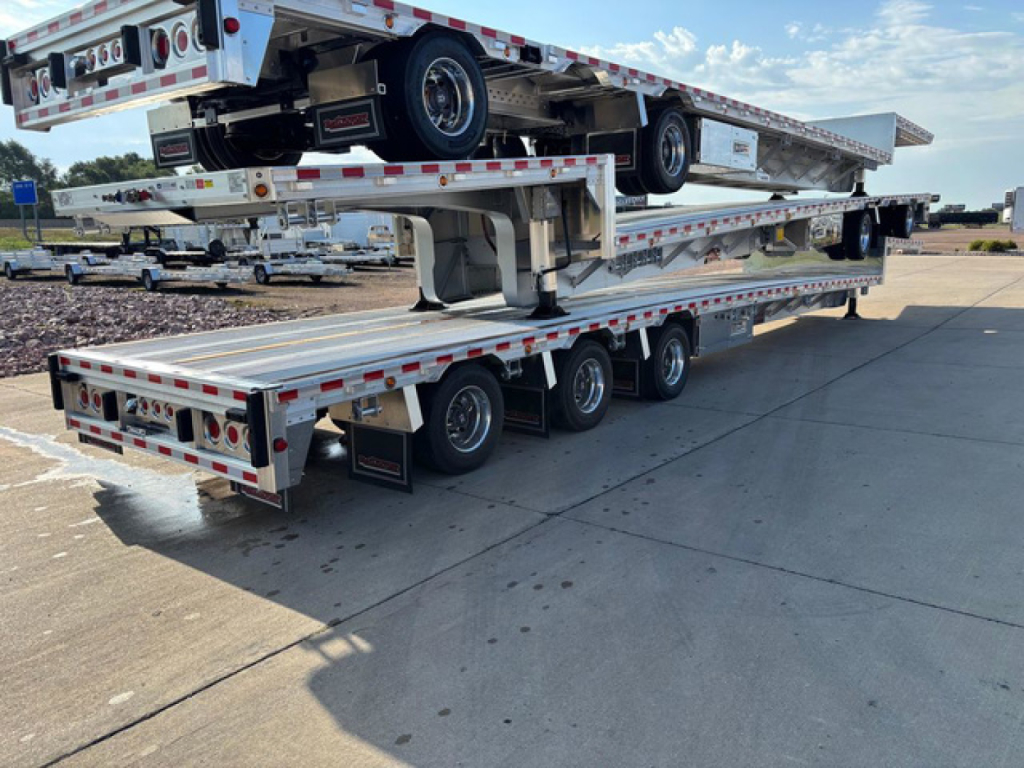

Selling a 2027 reitnouer drop deck trailer? List your 2027 reitnouer drop deck trailer for sale and reach thousands of commercial buyers.
2027 Reitnouer Drop Deck Trailers
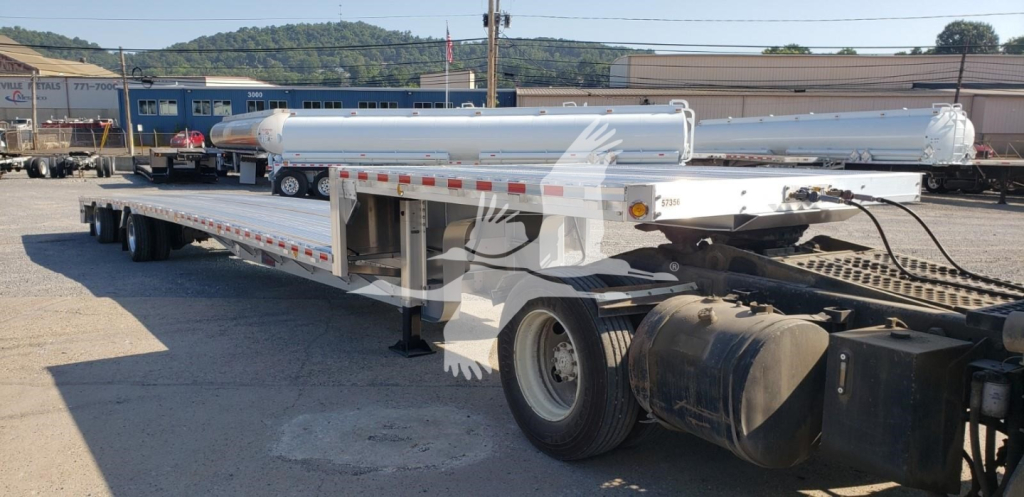
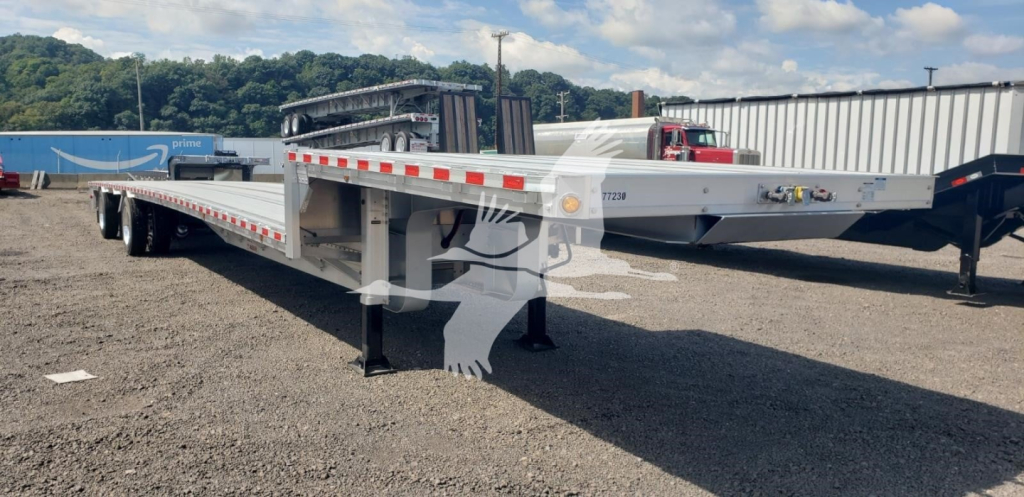
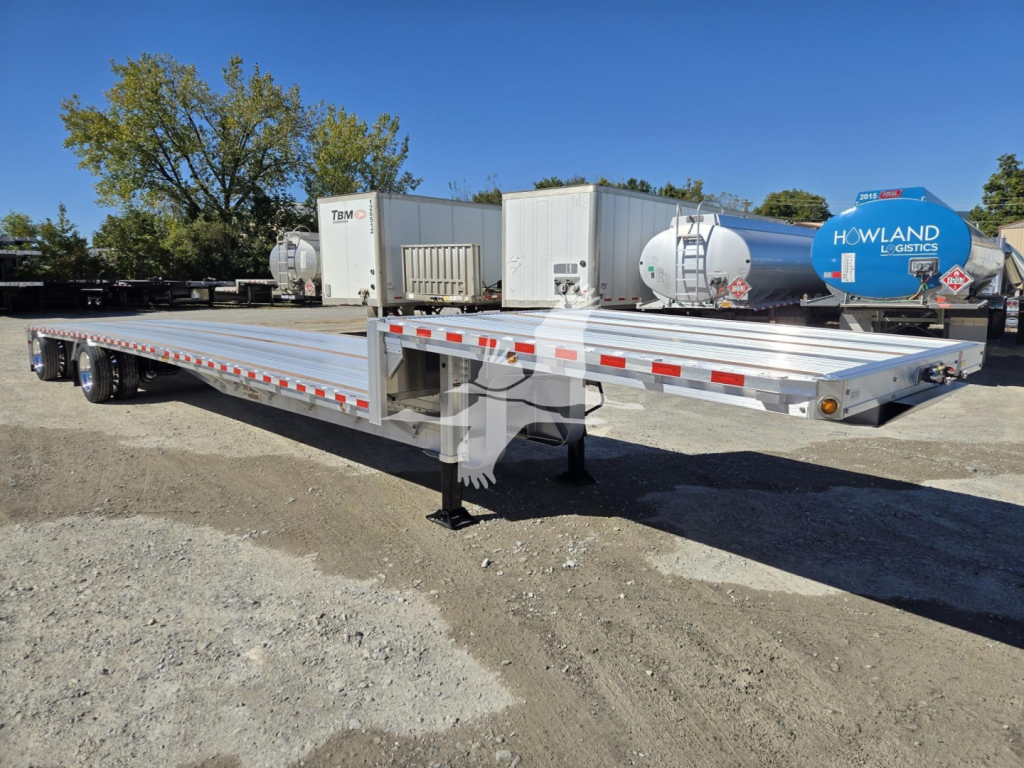
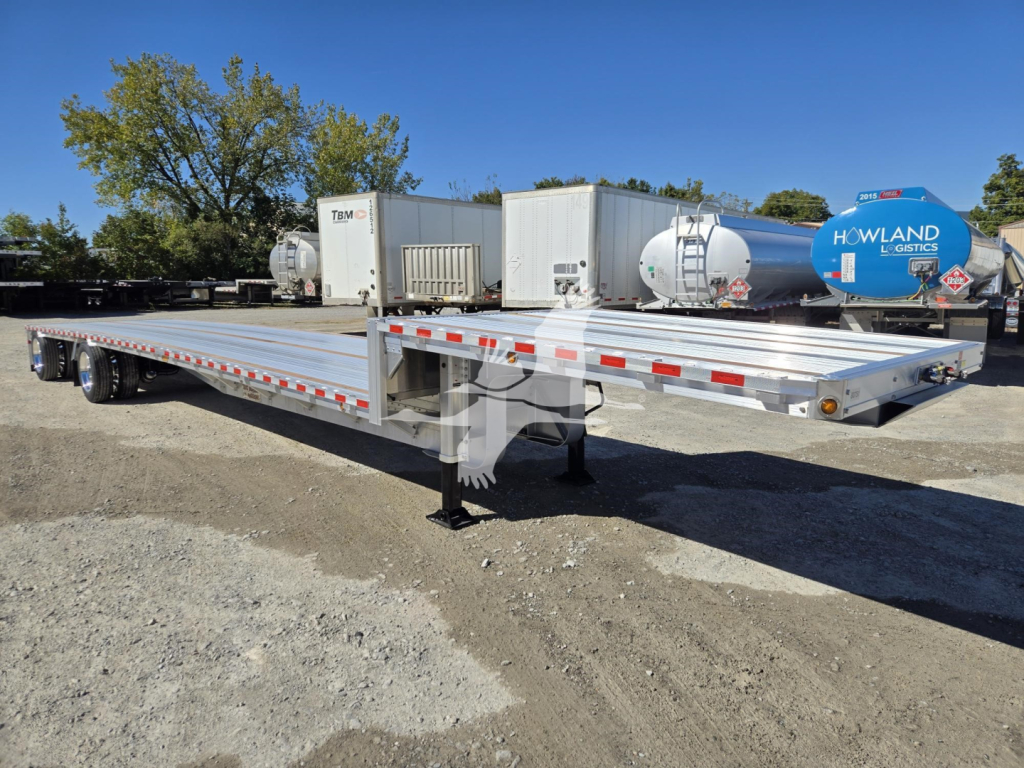
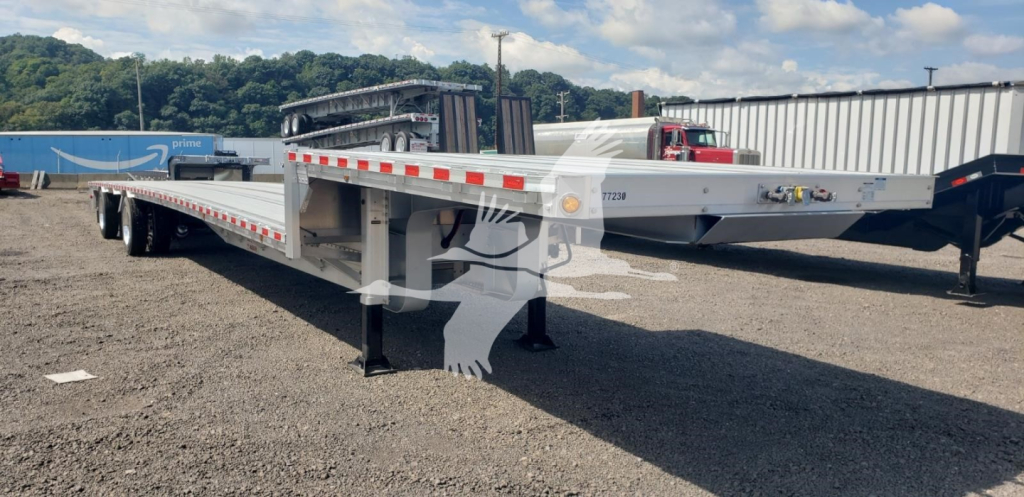
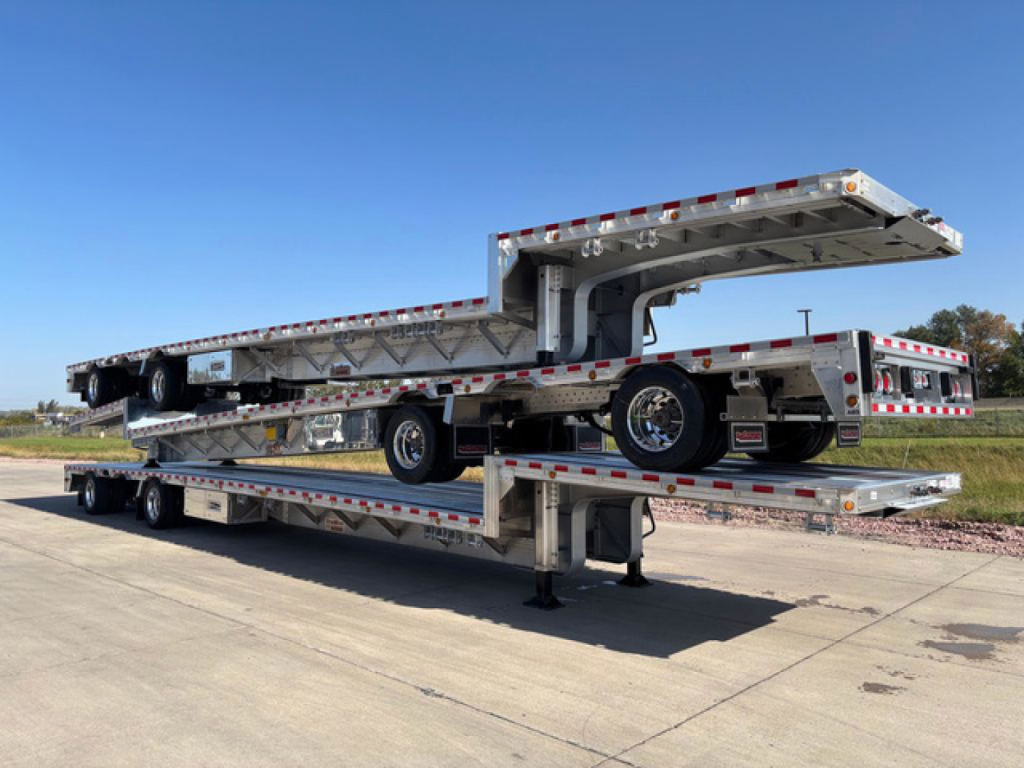
For many buyers, the key decision starts with deck layout and securement. Common step deck configurations are 48 feet long and 102 inches wide, often with a top deck around 10 feet to 11 feet and a lower deck in the upper-30-foot range. On Reitnouer models, buyers often look for aluminum floors, aluminum side rails, winch tracks on both sides, sliding winches, double pipe spools, and nailing strips for flexible tie-down options. Crossmember spacing, coil package reinforcement, and bulkhead configuration also matter if the trailer will see steel, coils, or concentrated point loads. If the work is mixed freight, a clean securement setup with the right winch count and strap storage usually matters more than cosmetic differences.
Suspension and running gear are just as important as trailer weight. Tandem axle air ride setups are common on Reitnouer drop decks, often paired with sliding suspension settings to help manage bridge laws and load placement. Buyers should compare tire size, wheel material, brake type, and features such as dump valves, tire inflation systems, and anti-roll stability components. Aluminum trailers can save weight, but condition around the crossmembers, floor, rear frame, suspension mounts, and kingpin area still needs careful attention on used equipment. On newer-spec trailers, disc brakes, quality landing gear, and well-laid-out lighting can reduce maintenance and improve day-to-day usability.
A Reitnouer drop deck fits operations that need one trailer to cover a wide range of freight without the added complexity of specialized heavy haul equipment. The lower main deck helps with legal height on taller loads, while the upper deck still gives room for partials, dunnage, and support equipment. Buyers comparing listings should focus on real working specs: empty weight, deck dimensions, securement package, axle slide range, floor condition, and any reinforcement for coils or concentrated freight. Those details will tell you more about how the trailer will perform in your lane and commodity mix than the model badge alone.
Frequently Asked Questions about 2027 Reitnouer Drop Deck Trailers
What is the main advantage of a Reitnouer drop deck trailer?
The main advantage is payload efficiency combined with lower deck height. Reitnouer is widely recognized for aluminum trailer construction, which reduces tare weight compared with many steel designs. On a drop deck, that lighter build can help increase legal payload while still giving the operator the lower main deck needed for taller freight that would be difficult to move on a standard flatbed.
What freight is a drop deck trailer commonly used for?
A drop deck trailer is commonly used for machinery, crated equipment, steel products, lumber, agricultural equipment, and palletized freight that exceeds the practical loading height of a flatbed. It is a good fit for loads that need open-deck access and extra vertical clearance but do not require the very low deck height of a lowboy. Many fleets use step decks for a mix of industrial, construction, and general commodity freight.
What specs should buyers compare first on a Reitnouer step deck?
Start with deck length, top deck length, lower deck length, empty weight, axle configuration, and suspension type. Then look closely at securement equipment such as winch tracks, sliding winches, pipe spools, bulkhead design, and nailing strips. If the trailer will haul steel or concentrated freight, check crossmember spacing, coil package reinforcement, and floor condition. These are the specs that most directly affect load flexibility, legal payload, and long-term durability.
Are aluminum drop deck trailers durable enough for heavy commercial use?
Yes, if the trailer is spec'd correctly for the work and maintained properly. Aluminum trailers are widely used in demanding freight applications because they offer a strong balance of low weight and corrosion resistance. The critical issue is matching the build to the freight. Concentrated loads, steel products, and frequent forklift loading place higher demands on the floor, crossmembers, and side rail structure, so buyers should verify reinforcement and inspect wear points carefully.
How is a drop deck different from a flatbed trailer?
A drop deck trailer has two deck levels, with an upper deck near the front and a lower main deck behind it. A flatbed has one continuous deck height from front to rear. The lower main deck on a step deck allows taller freight to stay within legal height limits more easily. That makes a drop deck more versatile for equipment and taller cargo, while a flatbed may be simpler for certain loading patterns and dock-height freight.