
Trail King Drop Deck Trailers For Sale
Shop Trail King drop deck trailers built for heavy equipment, palletized freight, and taller loads with lower deck height and strong payload capacity.
Selling a trail king drop deck trailer? List your trail king drop deck trailer for sale and reach thousands of commercial buyers.
Trail King Drop Deck Trailers
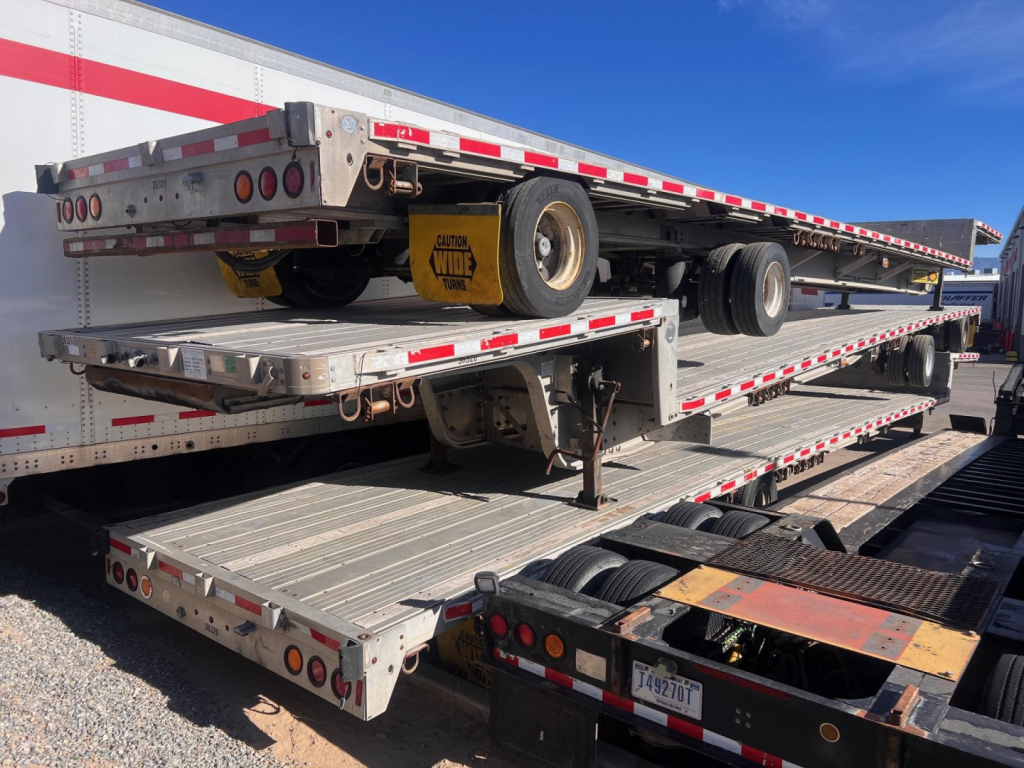
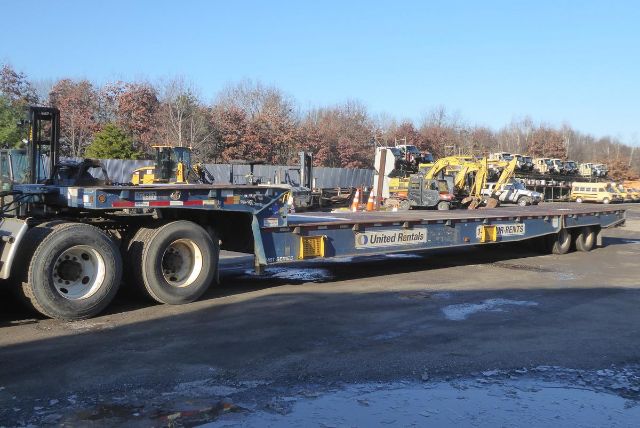
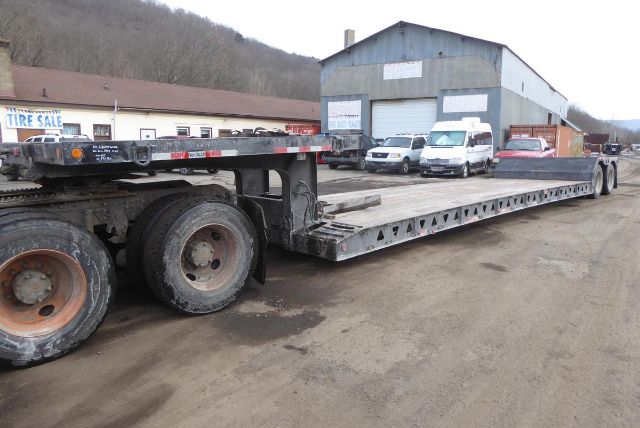
For most buyers, the first decision is deck layout and axle configuration. Common Trail King drop deck specs include 48-foot overall length, 102-inch width, tandem axles, and steel construction with wood or wood-over-steel flooring. Deck height on the lower section is a major buying point, often landing well below a standard flatbed and giving you room for taller loads. Pay attention to the length of the upper deck, well length, rear deck, and any ramp or tail arrangement because those dimensions affect how well the trailer handles equipment loading versus general commodity work. Sliding tandems can help with bridge law compliance and load distribution, while fixed tandems keep the setup simpler for fleets that run consistent freight.
Trail King is well known for heavy-duty trailer construction, so buyers should look closely at GVWR, concentrated load rating, frame condition, suspension type, and floor wear. Air ride suspension is common and preferred for more delicate freight and better ride quality. Tire size, wheel type, brake condition, and kingpin area wear all deserve attention on used units, along with crossmember integrity, deck straightness, and signs of frame corrosion around the transition point and rear section. If the trailer has hydraulic ramps, winches, or other loading equipment, inspect cylinders, hoses, pivot points, and power units carefully because those features add versatility but also more maintenance points.
The right Trail King drop deck depends on the freight mix. A standard step deck setup fits general freight, building products, and equipment that can be driven or placed by forklift. A heavier-spec hydraulic ramp model is better suited for tractors, skid steers, compact excavators, and other self-propelled machinery. Buyers running oversize-capable work should compare loaded deck height, axle spread options, and legal weight flexibility by state. A well-matched drop deck trailer can widen the type of freight you can book while keeping loading practical and staying within height and weight limits more often than a comparable flatbed.
Frequently Asked Questions about Trail King Drop Deck Trailers
What is the difference between a Trail King drop deck trailer and a flatbed trailer?
A Trail King drop deck trailer has two deck levels, with an upper deck over the tractor frame and a lower main deck behind it. That lower deck reduces loaded height compared with a flatbed, which is the main advantage for taller freight. It allows many loads to move legally without the height issues that come with a standard flat deck, while still keeping open-deck loading access from the sides and rear.
What should I check first on a used Trail King drop deck trailer?
Start with frame condition, deck height, GVWR, axle setup, and floor integrity. On used drop decks, inspect the main beam area, crossmembers, upper-to-lower deck transition, suspension, brakes, tires, and kingpin structure for wear or damage. If the trailer is configured for equipment hauling, also check ramps, hydraulic systems, winches, and tail sections because repair costs on those components can add up quickly.
Are Trail King drop deck trailers good for hauling equipment?
Yes, many Trail King drop deck trailers are well suited for equipment hauling, especially models with reinforced decks, concentrated load ratings, hydraulic ramps, or beavertail-style loading features. The lower deck height helps with machine clearance and legal transport height, while the open deck design makes them practical for compact construction equipment, farm equipment, and industrial machines. The exact fit depends on axle rating, deck dimensions, and ramp configuration.
What deck measurements matter most on a drop deck trailer?
The most important measurements are overall length, upper deck length, lower deck or well length, rear deck length, loaded deck height, and trailer width. Those numbers determine how the trailer handles pallets, machinery, and mixed freight. Buyers should match deck layout to real load dimensions rather than looking only at total trailer length, because the usable lower deck is often the key factor in how flexible the trailer will be.
Do I need sliding tandems on a Trail King drop deck trailer?
Sliding tandems are helpful if you haul varying freight weights and need more flexibility for axle positioning, bridge compliance, and load balance. They can make the trailer easier to scale legally across different states and load types. Fixed tandems are simpler and often work well for operators with consistent freight patterns, but they do not offer the same adjustment range when axle placement becomes critical.