
Drop Deck Trailers For Sale in Oklahoma
Shop drop deck trailers for sale in Oklahoma. Compare lengths, axle setups, deck height, ramps, and hauling features for taller freight.
Selling a drop deck trailer? List your drop deck trailer for sale and reach thousands of commercial buyers.
Drop Deck Trailers in Oklahoma
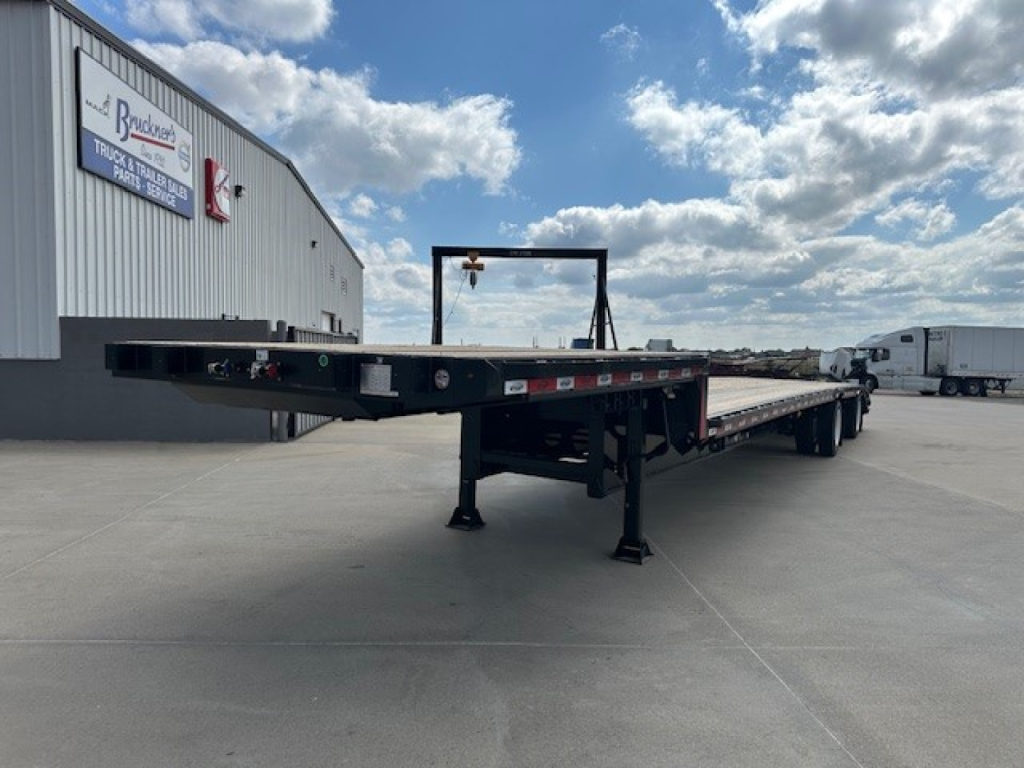
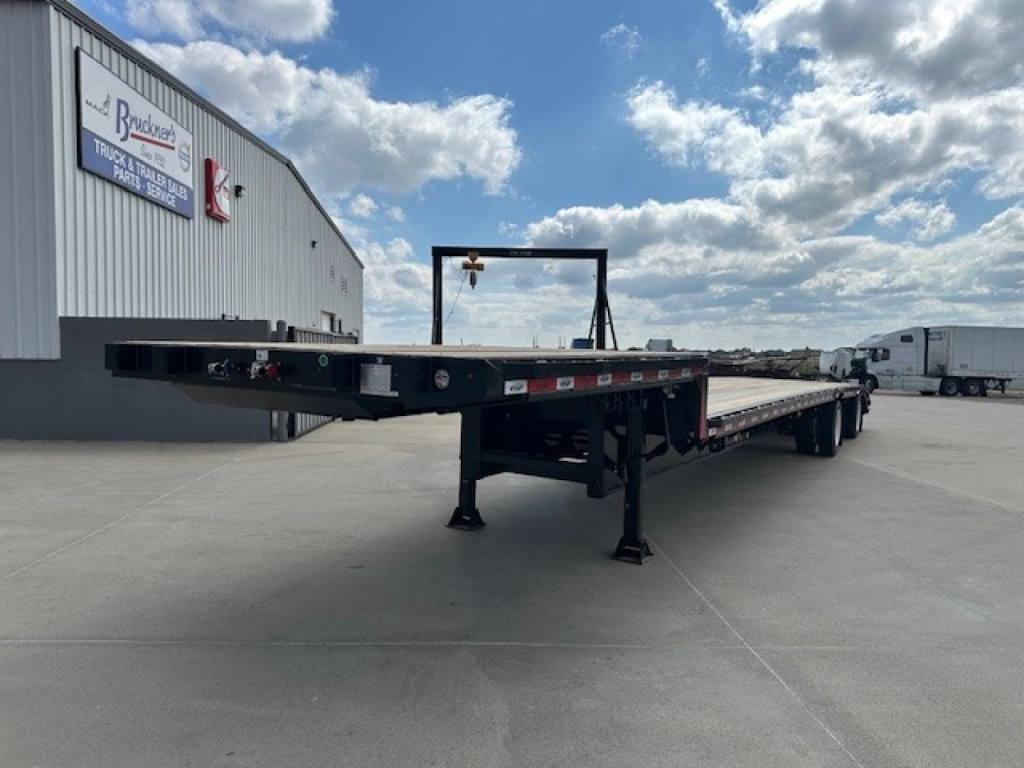
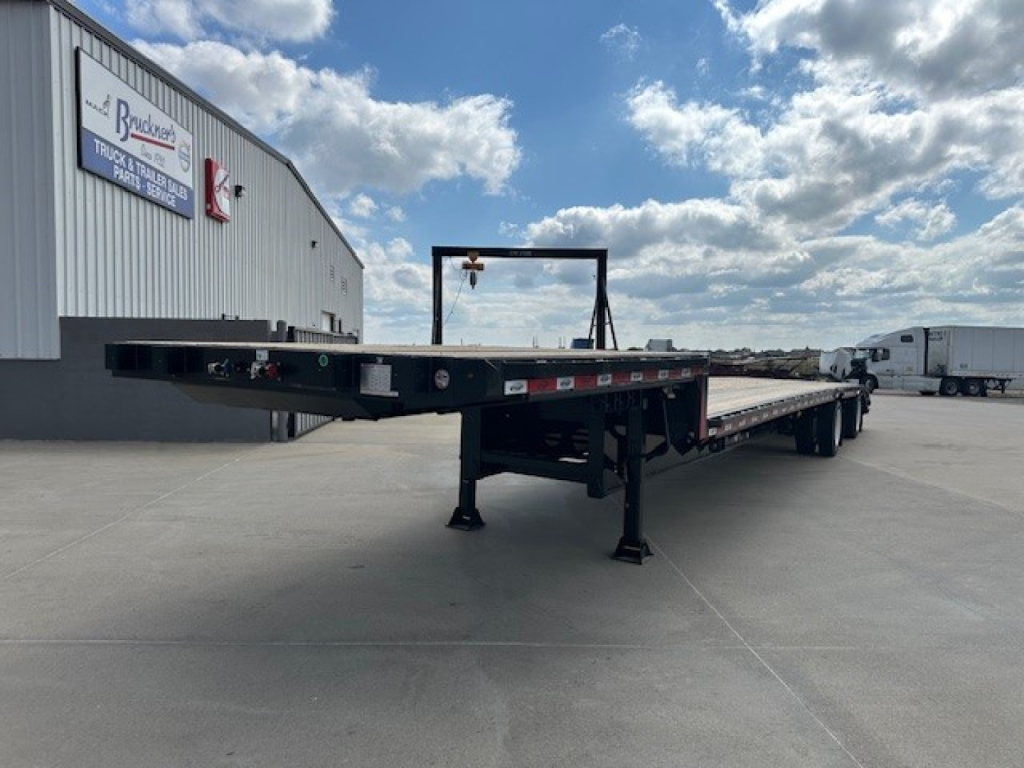
A buyer should start with deck dimensions and axle configuration. Common drop deck lengths include 48-foot and 53-foot overall, with upper deck lengths around 10 to 11 feet and the remaining lower deck dedicated to the main payload area. Trailer width is typically 102 inches. Deck height on the lower section is the key advantage, since it allows taller cargo to stay within legal height limits more easily than on a flatbed trailer. Tandem and spread axle configurations are both common, and suspension choices like air ride can help protect sensitive freight and improve ride quality. If you load wheeled equipment, a beavertail and rear ramps are worth close attention. Ramp design, spring assist, deck angle, and lower deck length all affect how easily you can load forklifts, skid steers, compact tractors, and similar machinery.
Construction details matter because drop decks often see mixed-use service. Steel trailers remain popular for durability and repairability, while aluminum or combo designs can improve payload capacity. Crossmember spacing, concentrated load rating, floor type, and main beam construction are important if you plan to haul dense freight such as steel products or equipment with point loads. Buyers should also look at securement equipment, including sliding winches, winch tracks, chain spools, rub rails, stake pockets, and D-rings. Coil package options, scuff liners, tire inflation systems, dump valves, and heavy-duty landing gear can also be relevant depending on the freight mix. Brake type, tire size, and wheel material should be evaluated with maintenance cost and parts availability in mind.
For Oklahoma buyers, practical spec choices often come down to route profile and freight type. Regional operators running I-35, I-40, and energy-related lanes may prioritize durable suspension, easy securement access, and a trailer that can handle rougher loading areas. Agricultural and equipment haulers may lean toward ramp-equipped step decks with beavertails for self-loading capability. If your work is more general open-deck freight, focus on lower deck length, legal payload, and the number and placement of securement points. A well-matched drop deck trailer gives you more load flexibility than a flatbed while avoiding the cost and permitting limitations that come with more specialized heavy haul equipment.
Frequently Asked Questions about Drop Deck Trailers in Oklahoma
What is the difference between a drop deck trailer and a flatbed trailer?
A drop deck trailer has two deck levels, an upper deck over the tractor frame and a lower main deck behind it. That lower deck sits closer to the ground, which allows taller freight to be hauled legally compared with a standard flatbed. The tradeoff is that the front upper deck is shorter and the trailer structure is more specialized, so load placement and axle weights need closer attention.
What freight is a drop deck trailer best suited for?
Drop deck trailers are commonly used for machinery, construction materials, palletized freight, pipe, steel, lumber, and other cargo that benefits from extra height clearance. They are especially useful for loads that are too tall for a flatbed but do not require a lowboy. Models equipped with ramps and a beavertail are also well suited for loading wheeled or tracked equipment without separate loading docks.
What specs matter most when comparing drop deck trailers?
The most important specs are overall length, upper and lower deck dimensions, lower deck height, axle spread, suspension type, trailer weight, and the available securement equipment. Buyers should also review crossmember spacing, deck material, concentrated load rating, landing gear, brake setup, and whether the trailer has ramps or a beavertail. These details directly affect legal loading height, payload capacity, and how well the trailer fits your freight.
Are spread axle drop deck trailers better than tandem axle models?
Spread axle drop deck trailers can improve weight distribution and may help with certain load configurations, but they can also increase tire scrub in tight turns and may have bridge law implications depending on where and how you run. Tandem axle models are often easier to maneuver and can be a better fit for mixed urban and regional work. The better choice depends on your typical freight, route restrictions, and how often you need to maximize axle spacing for weight distribution.
Why would a buyer want ramps and a beavertail on a drop deck trailer?
Ramps and a beavertail make a drop deck far more useful for hauling self-propelled or towable equipment. They reduce loading angle, simplify loading in the field, and eliminate reliance on docks or external ramps for many machines. Buyers hauling skid steers, small tractors, forklifts, lifts, or similar equipment should pay close attention to ramp capacity, ramp width, spring assist design, and how much lower deck space is taken up by the beavertail section.