
Dura Haul Drop Deck Trailers For Sale in Oklahoma
Shop Dura Haul drop deck trailers with common specs, hauling uses, deck layouts, ramp options, axle setups, and buying considerations.
Selling a dura haul drop deck trailer? List your dura haul drop deck trailer for sale and reach thousands of commercial buyers.
Dura Haul Drop Deck Trailers in Oklahoma
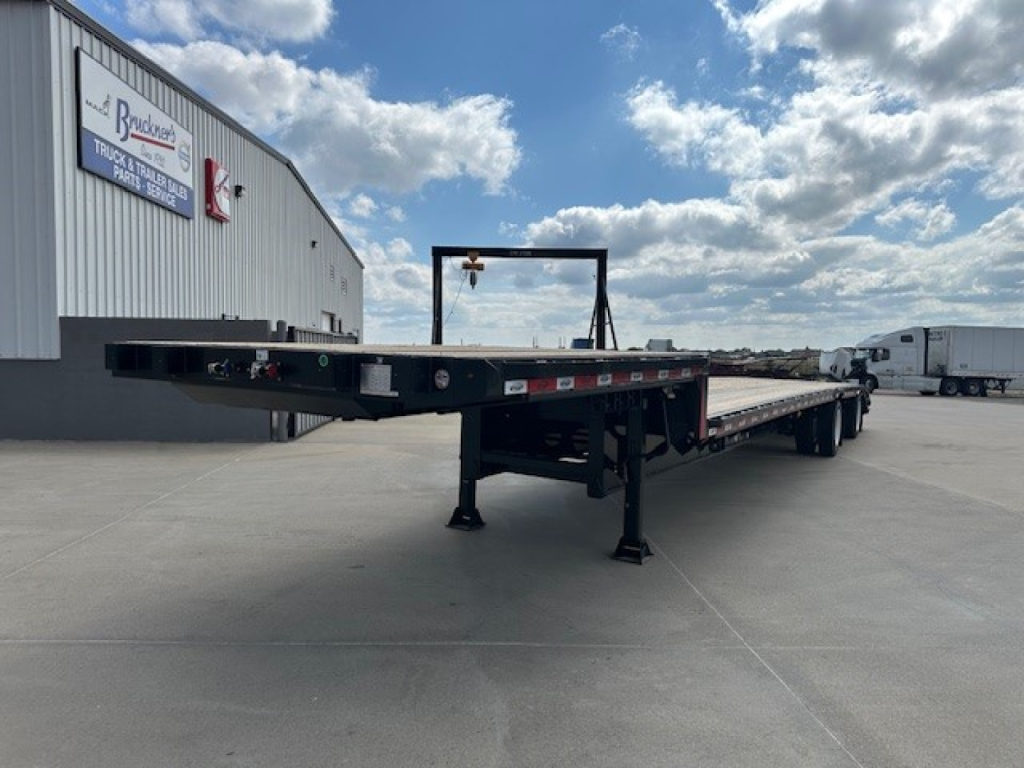
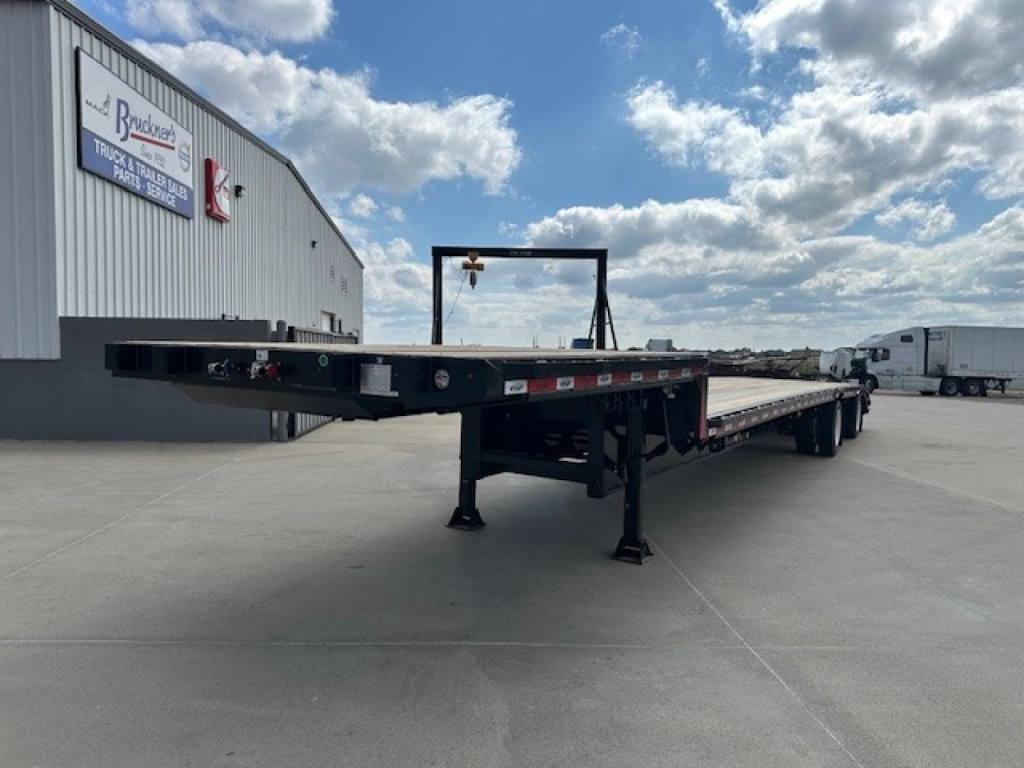
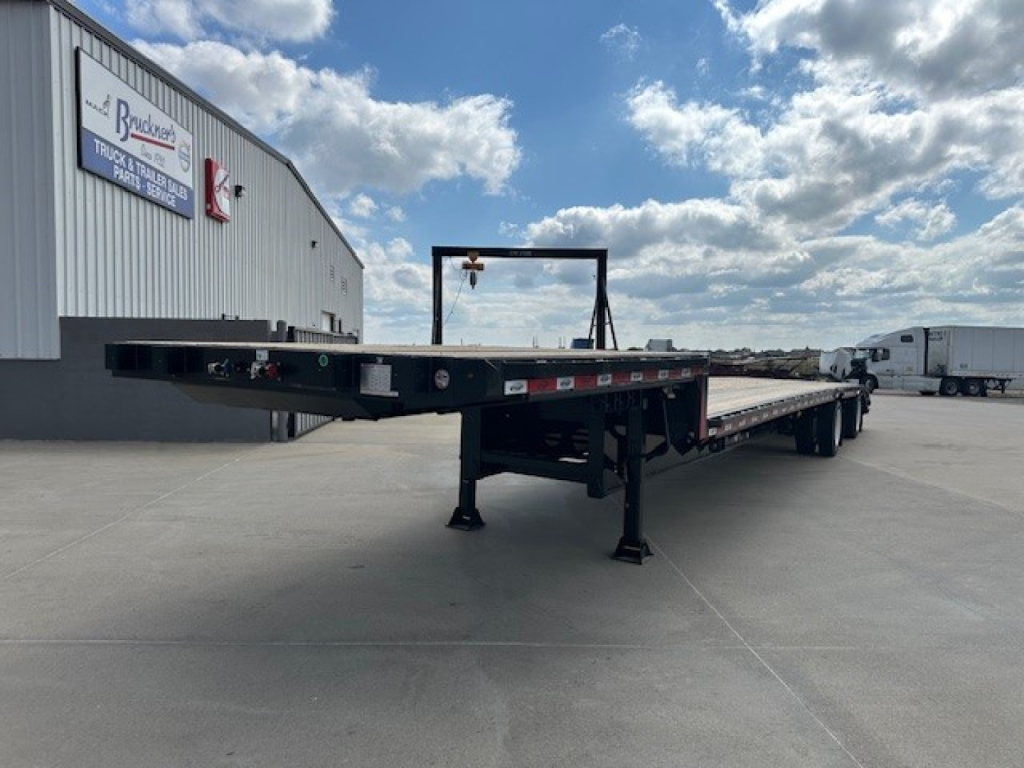
One of the first details to compare is deck layout. A typical 53-foot drop deck uses an upper deck around 10 to 11 feet and a lower deck in the low-40-foot range, with overall width at 102 inches. Buyers should look closely at loaded deck height, lower deck length, crossmember spacing, and whether the trailer includes a beavertail or level deck. Closer crossmember spacing, such as 12-inch centers, generally gives better floor support for concentrated loads and equipment traffic. Ramp design matters too. Flush-mount spring-assisted ramps are common on equipment-capable units because they improve loading convenience while keeping the rear usable for general freight.
Suspension, axle spread, and securement setup have a direct impact on daily use. Air ride suspension is popular on drop deck trailers because it helps protect sensitive freight and can improve ride quality on rough roads. A spread axle configuration, often around 122 inches, can help with weight distribution and stability, but it also affects tire scrub and turning in tight yards. Tire size, wheel type, landing gear quality, and frame construction all deserve attention because these trailers see a wide mix of freight and loading conditions. Many buyers also prioritize practical working features such as sliding winches, rub rail strength, stake pockets, chain spools, dump valves, and liquid-filled air gauges that make the trailer easier to load, secure, and operate in the field.
Dura Haul drop deck trailers appeal to buyers who want a straightforward platform for both general commodity freight and light to moderate equipment hauling. The best trailer choice depends on how often you load from the rear, how much deck length you need on the bottom, and whether your freight is more sensitive to deck height, point loading, or securement flexibility. If your work includes farm equipment, construction support, oilfield-related freight, or regional open-deck hauling in Oklahoma, a well-spec'd drop deck can cover a broad range of jobs without moving up to a more specialized trailer class.
Frequently Asked Questions about Dura Haul Drop Deck Trailers in Oklahoma
What is a drop deck trailer used for?
A drop deck trailer, also called a step deck trailer, is used to haul freight that exceeds the height limits of a standard flatbed. The lower main deck creates additional vertical clearance for taller cargo such as equipment, crated machinery, building materials, steel products, and agricultural loads. Units equipped with a beavertail and ramps can also load wheeled or tracked equipment from the rear.
What should I compare when buying a Dura Haul drop deck trailer?
Key buying points include upper deck length, lower deck length, loaded deck height, trailer width, axle spread, suspension type, and ramp or beavertail configuration. Buyers should also check crossmember spacing, floor construction, landing gear, tire and wheel setup, and the number and placement of securement features such as winches, stake pockets, rub rails, and chain tie-down points. These details determine how well the trailer handles both freight diversity and equipment loading.
Is air ride suspension a good choice on a drop deck trailer?
Air ride suspension is a strong option for many drop deck applications because it helps reduce shock transfer to the cargo and trailer structure. It is especially useful for machinery, finished materials, and mixed open-deck freight that benefits from a smoother ride. It can also improve handling and load stability, though maintenance condition and overall suspension design still matter as much as the suspension type itself.
What is the advantage of a beavertail with ramps on a drop deck trailer?
A beavertail with ramps makes a drop deck more versatile for loading self-propelled or towable equipment without a dock or forklift. The angled rear section improves loading approach, and spring-assisted or flip ramps reduce setup effort compared with heavier manual systems. This setup is useful for contractors, farm operations, and carriers moving compact machines that do not require a detachable gooseneck trailer.
How is a drop deck different from a flatbed trailer?
The main difference is deck height. A standard flatbed has one continuous deck, while a drop deck has an upper front deck and a lower main deck. That lower deck allows taller cargo to move legally on many routes without overheight permits that a flatbed might require for the same load. A flatbed may be simpler for some freight, but a drop deck is usually the better fit when cargo height is the limiting factor.