
Drop Deck Trailers For Sale in Kansas
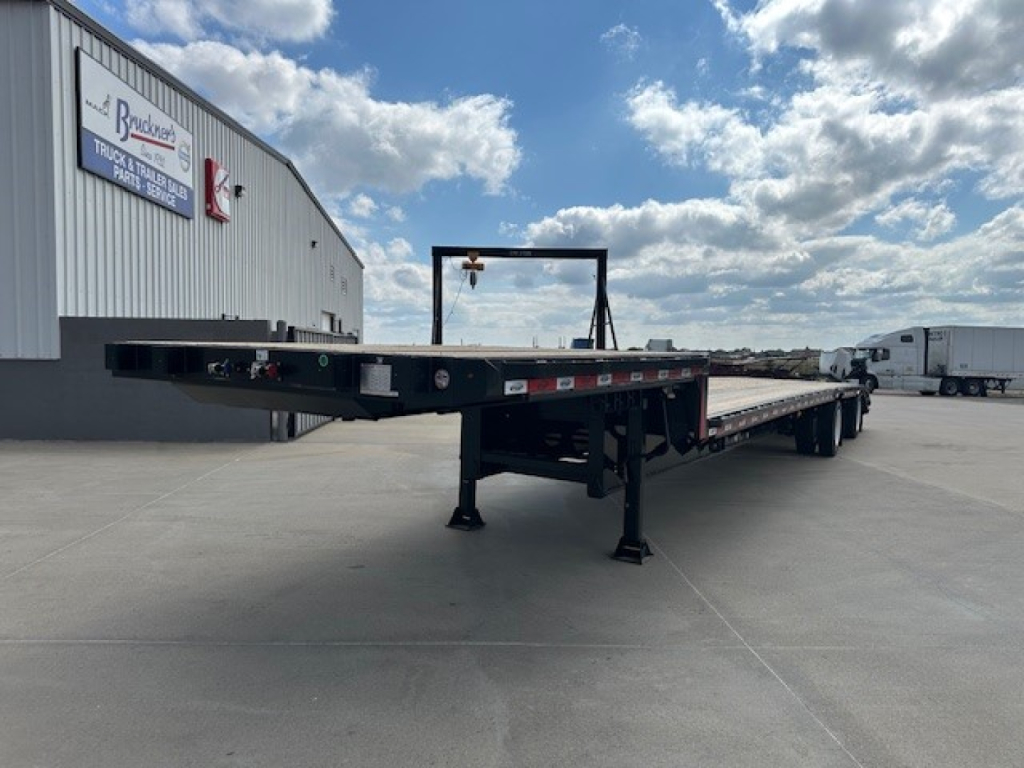
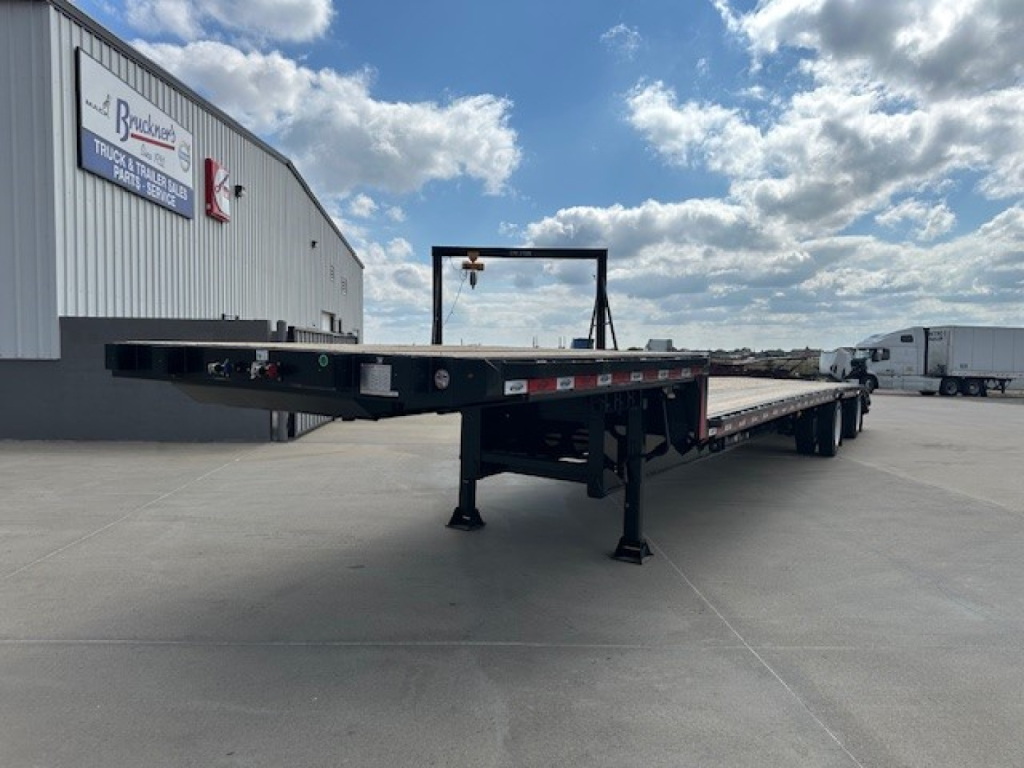
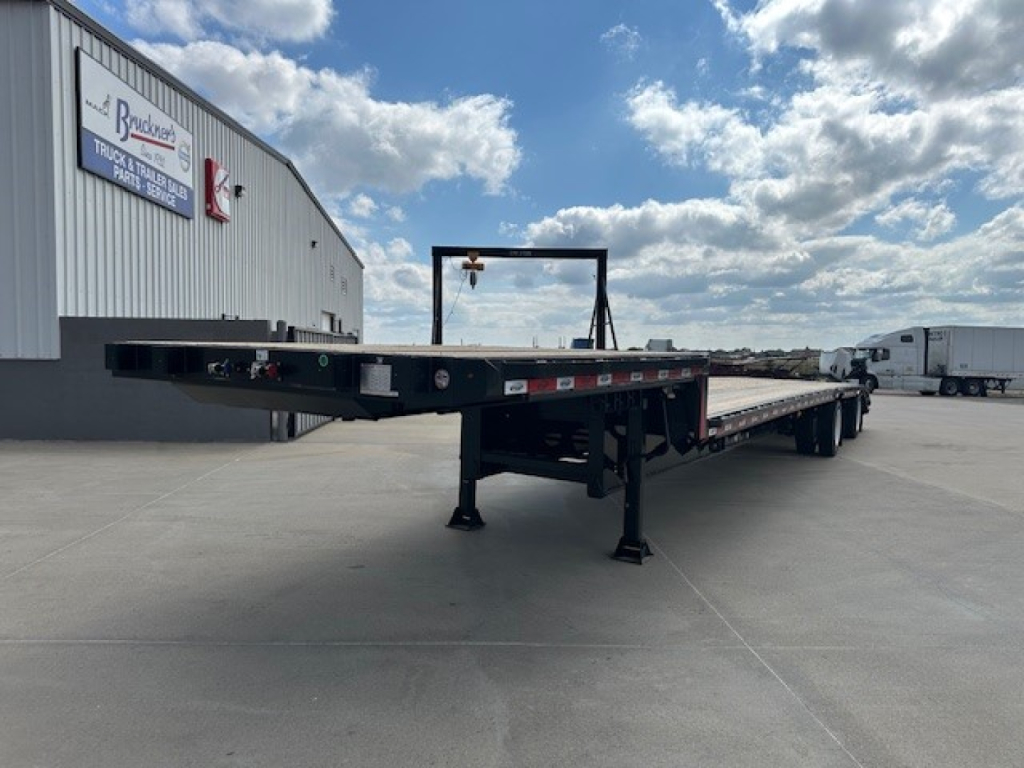
Shop drop deck trailers for sale in Kansas. Compare 53-foot steel step deck specs, axle setups, deck lengths, ramps, and air ride options.
Selling a drop deck trailer? List your drop deck trailer for sale and reach thousands of commercial buyers.
Drop Deck Trailers in Kansas
For most buyers, the first decision is deck configuration and axle layout. A standard fixed tandem is common, but spread axle drop decks are popular when you want better weight distribution and added stability. Air ride suspension is a strong choice for machinery, finished products, and other freight that benefits from reduced road shock. Look closely at kingpin setting, loaded deck height, and crossmember spacing because those details affect bridge compliance, loading flexibility, and long-term durability. Many Kansas operators prefer steel construction for hard use and repairability, while apitong flooring remains a proven deck material for traction, fastener retention, and resistance to wear from concentrated loads.
Securement setup matters as much as trailer length. Sliding winches, rub rails, stake pockets, chain spools, and D-rings determine how efficiently the trailer handles mixed freight. If you plan to move wheeled equipment, skid steers, or compact tractors, a beavertail with spring-assisted or flip-over ramps can save time and reduce the need for loading docks. Drum brakes are still common in this category, and tire size such as 255/70R22.5 is widely used on 53-foot units. Buyers should also check landing gear rating, dump valve location, rear frame design, and deck condition, since these points affect day-to-day usability more than cosmetic features do.
A good drop deck trailer should match the freight first, then the route and loading method. Lower deck length, rear axle spread, suspension type, and deck rating all need to line up with the cargo you intend to haul most often. In Kansas, where routes can include interstate miles, oilfield traffic, farm deliveries, and jobsite access, a well-spec'd step deck can cover a wide range of work without moving into a more specialized trailer class. The best comparison points between listings are loaded deck height, overall weight, axle configuration, securement package, and whether the trailer is set up for general freight or equipment loading.
Frequently Asked Questions about Drop Deck Trailers in Kansas
What is the difference between a drop deck trailer and a flatbed trailer?
A drop deck trailer has two deck levels: a higher front deck and a lower main deck. That lower deck provides more legal cargo height than a standard flatbed, which is why step decks are commonly used for taller freight such as machinery, equipment, and stacked materials. A flatbed is simpler for some loading situations, but a drop deck gives more vertical clearance without stepping up to a lowboy.
What freight is a drop deck trailer best suited for?
Drop deck trailers are commonly used for construction equipment, agricultural machinery, palletized building products, steel components, crated industrial freight, and other loads that are too tall for a standard flatbed. Models with beavertails and ramps are especially useful for hauling wheeled or tracked equipment. The category works well for carriers that need open-deck versatility without the added weight and specialization of a lowboy.
Why do many buyers choose a spread axle drop deck?
A spread axle setup can improve weight distribution and help with load stability, especially on longer or heavier freight. It may also be useful when trying to position cargo to meet bridge and axle requirements. The tradeoff is that spread axle trailers can be less maneuverable in tight yards or urban deliveries than fixed tandems, so the best choice depends on your lanes and loading environments.
What specs should I compare first on a used or new drop deck trailer?
Start with lower deck length, loaded deck height, axle configuration, suspension type, and overall trailer weight. Then review crossmember spacing, deck material, kingpin setting, brake type, tire size, and the securement package, including winches, stake pockets, and chain tie-down points. If equipment loading is part of the job, check for a beavertail, ramp design, and rear frame strength. These are the specs that most directly affect legal payload, loading efficiency, and maintenance costs.
Is air ride worth it on a drop deck trailer?
Air ride suspension is often worth the added cost when the trailer will haul machinery, finished products, or freight that is sensitive to vibration and road shock. It can also improve ride quality and reduce stress on the trailer and cargo over rough roads. For more basic commodity hauling, other suspension types may still be workable, but air ride remains a popular spec for step deck buyers who want broader freight capability.