
Wabash Drop Deck Trailers For Sale
Shop Wabash drop deck trailers with low deck heights, air ride suspensions, flexible tie-downs, and durable steel, combo, or aluminum builds.
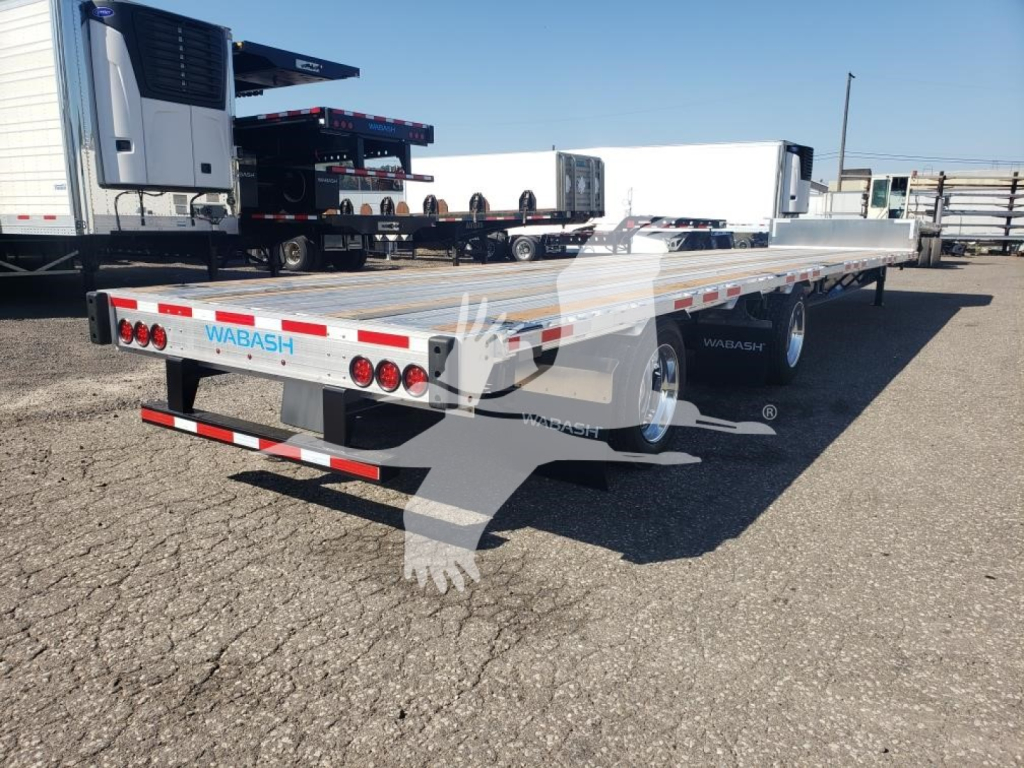
Selling a wabash drop deck trailer? List your wabash drop deck trailer for sale and reach thousands of commercial buyers.
Wabash Drop Deck Trailers
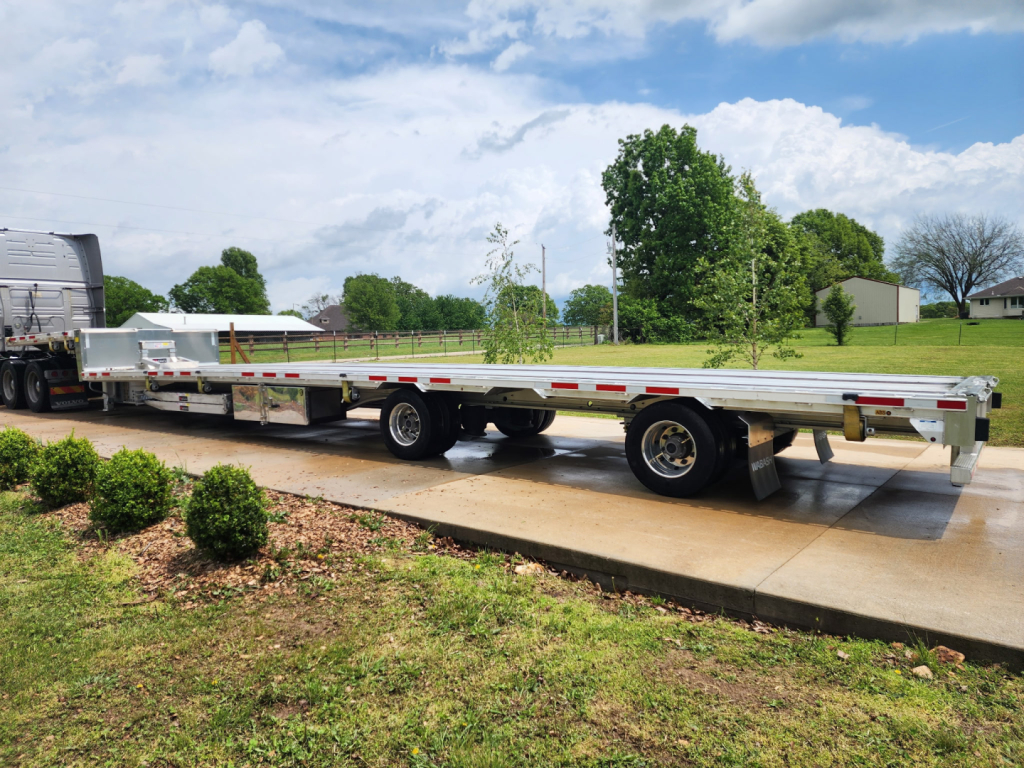
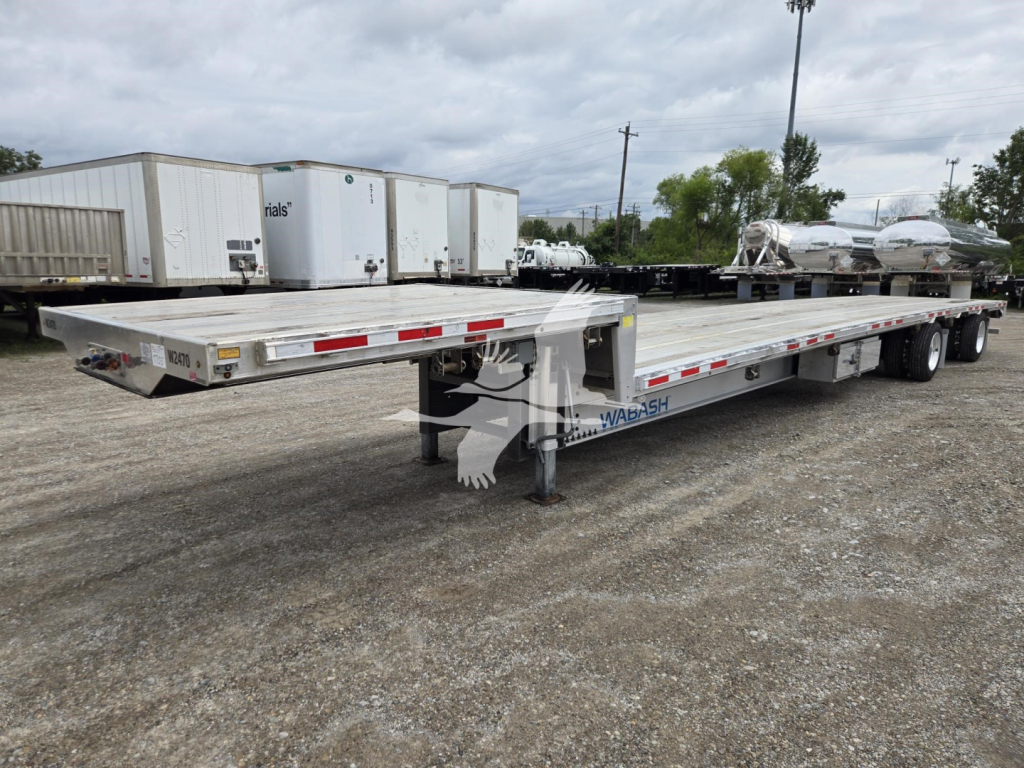
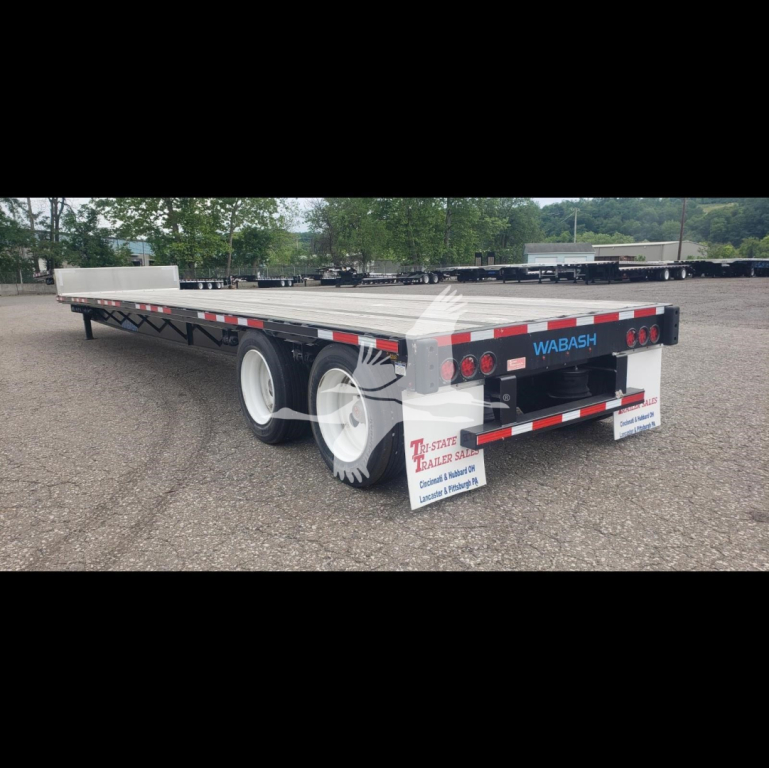
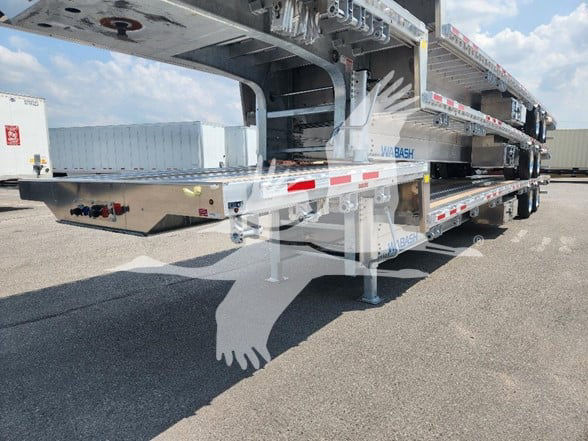
Wabash offers these drop deck trailers in steel, aluminum, and combo specifications, and the material package changes both tare weight and duty cycle. Steel trailers generally suit harder vocational use and repeated concentrated loading, while combo and aluminum configurations help maximize payload and reduce corrosion concerns. Buyers should pay close attention to floor design, crossmember spacing, and beam rating. Apitong floors remain popular for mixed freight and forklift traffic, while aluminum floors with nailing strips and multi-position tie-down systems can improve versatility. Listings in this class often include 73,000 to 80,000 lb beam ratings in a 4-foot section, which matters if you regularly load compact equipment or dense machinery.
Suspension and axle layout deserve a close look on a Wabash drop deck because they affect both ride quality and bridge compliance. Air ride suspensions from Hendrickson are common, along with fixed tandems, sliding tandems, or spread and rear-slider arrangements. A California-legal sliding spread setup can be valuable for fleets that run western states and need flexibility on axle spacing. Lower-profile 17.5-inch tires can help achieve a 36-inch deck height, while 22.5 low-profile rubber is common on more traditional builds. Features like rear axle dump, tire inflation systems, galvanized packages, and all-aluminum wheels can add real value in high-mileage service by improving maneuverability, reducing maintenance events, and extending component life.
Cargo securement is another area where Wabash step decks tend to be configured for broad freight mix. Buyers will often find sliding winches, roadside winch tracks, tie bars, pipe spools, Lock-Rite or other multi-position tie-down systems, and optional ramp packages for self-loading equipment. Container twist locks may also appear on some units for fleets handling intermodal or dedicated container work. If your operation loads from docks one day and machinery yards the next, pay attention to deck length split, tie-down placement, floor traction, and axle slide range. The right Wabash drop deck trailer is less about brand alone and more about matching deck height, weight, suspension, and securement layout to the freight you haul every week.
Frequently Asked Questions about Wabash Drop Deck Trailers
What is the advantage of a Wabash drop deck trailer compared to a flatbed?
A Wabash drop deck trailer gives you a lower main deck than a standard flatbed, which helps keep taller freight within legal height limits. That extra height clearance is the main reason buyers choose a step deck for machinery, building materials, palletized loads, and other freight that would sit too tall on a flatbed. You also gain flexibility for loading certain equipment with ramps while still keeping the trailer practical for general open-deck freight.
What deck height should I look for in a Wabash step deck trailer?
Deck height should match the freight profile you haul most often. A 36-inch low-profile main deck can be a strong choice when legal height is tight and taller freight is common, while a 40-inch deck may be acceptable for more general freight and can come with more conventional tire and suspension combinations. Lower deck height improves loading clearance, but it can also affect tire size, maintenance considerations, and ground clearance, so it should be evaluated as part of the full trailer specification.
Is a steel, aluminum, or combo Wabash drop deck better?
The best material package depends on your payload goals and operating conditions. Steel construction is typically favored for tougher service, frequent concentrated loads, and more abuse from equipment loading. Aluminum and combo trailers usually reduce tare weight and can improve payload while also helping with corrosion resistance. Buyers should compare not just frame material, but also floor type, crossmember design, beam rating, and expected repair environment before deciding.
What axle configuration is most useful on a Wabash drop deck trailer?
That depends on where the trailer runs and how often freight weight and dimensions change. Fixed tandems are simple and durable, but sliding tandems or sliding spread setups provide more flexibility for bridge laws, load placement, and state compliance. A California-legal spread can be especially useful for western operations. If your freight varies week to week, an adjustable axle layout usually gives you more options than a fixed setup.
What features matter most for cargo securement on a drop deck trailer?
Securement layout matters as much as deck length on a drop deck trailer. Buyers should look for enough sliding winches, winch track placement, tie bars, pipe spools, and multi-position tie-downs to match the freight they actually haul. For machinery or self-loading equipment, ramp compatibility and rear approach angle are important. For mixed freight, a floor with good traction and securement points spread through the main deck usually makes the trailer more productive across different load types.