
Drop Deck Trailers For Sale in Wyoming
Browse drop deck trailers for sale, including 48' and 53' models with air ride, sliding winches, combo construction, and heavy-duty freight specs.
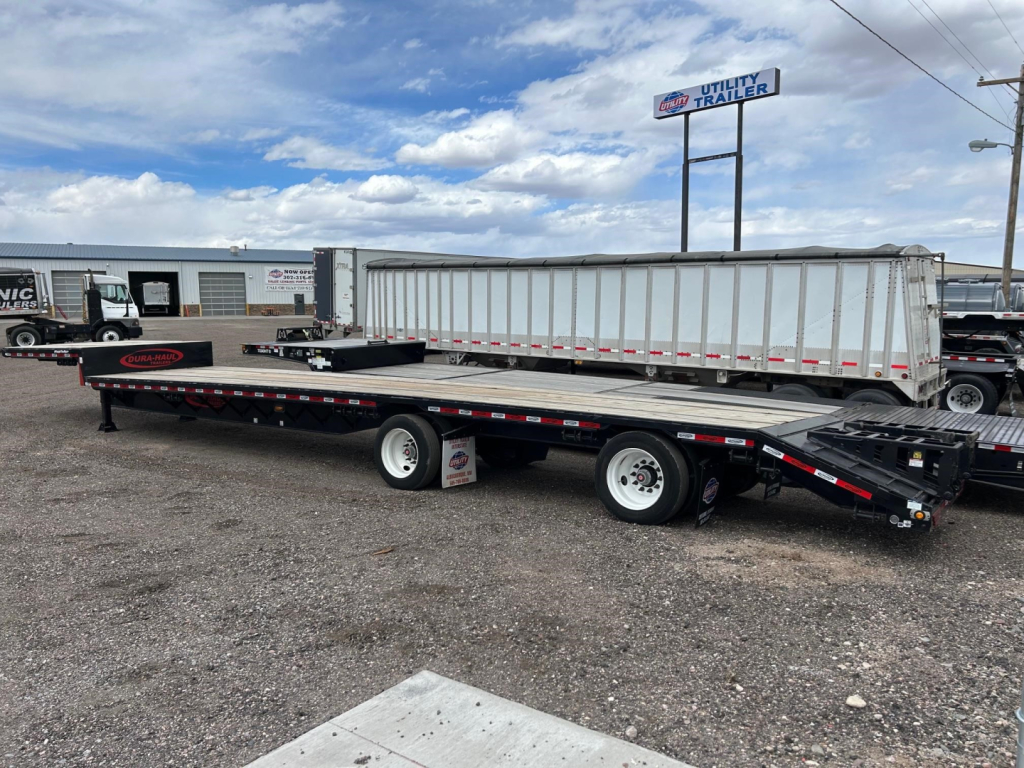
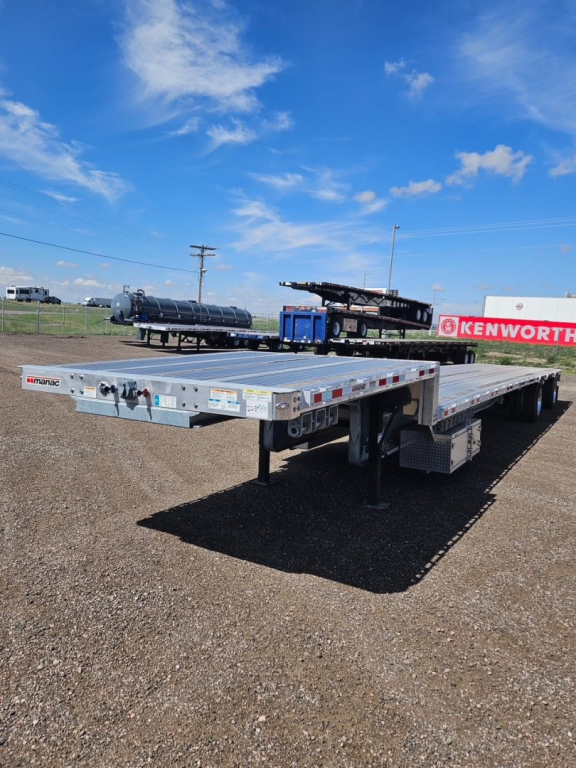
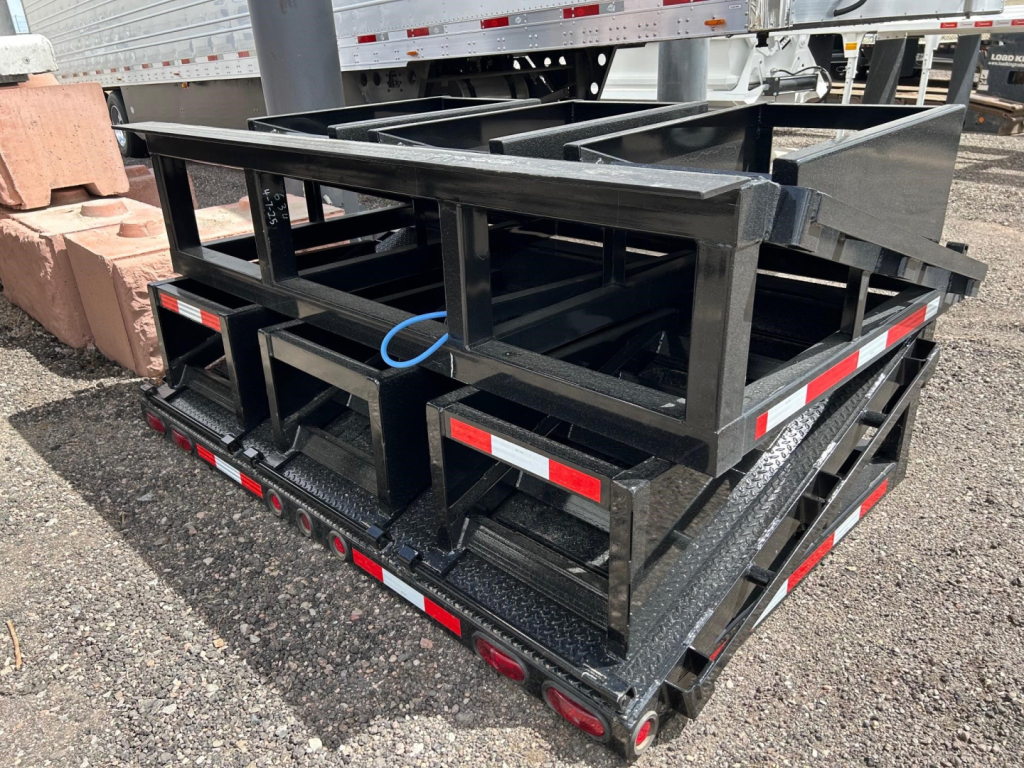
Selling a drop deck trailer? List your drop deck trailer for sale and reach thousands of commercial buyers.
Drop Deck Trailers in Wyoming
Construction is one of the first buying decisions. Aluminum, steel, and combo drop decks each bring tradeoffs in tare weight, durability, and repair cost. A combo trailer with steel main beams and aluminum floor and rails is a common middle ground because it keeps weight down without giving up structural strength where it counts. Buyers should look closely at deck length split between the upper and lower deck, loaded deck height, concentrated load rating, and main beam design. Floor type matters too. Aluminum floors, apitong, and other wood options each affect traction, maintenance, and replacement cost over the life of the trailer.
Securement setup separates a general-purpose drop deck from one that fits your freight mix. Many buyers want sliding winches, stake pockets, chain spools, pipe spools, nail strips, and side rails so the trailer can handle mixed loads without extra fabrication. Air ride suspension is common for freight protection and better road manners, and a sliding rear axle can help with bridge law compliance and load distribution. Tire size, including 22.5 low-profile setups, also affects loaded deck height and overall stance. Landing gear condition, crossmember spacing, wheel material, and signs of rail or deck damage are worth checking because these trailers often spend their lives hauling dense, irregular freight.
If your operation regularly loads from docks, forklifts, or ramps, a drop deck gives more flexibility than many specialized trailers while still covering a wide range of legal-height freight. The key is matching the trailer to the cargo profile you actually move: long steel, palletized building products, crated equipment, pipe, or compact machinery. Buyers comparing listings should pay attention to deck height, weight rating, axle spread, securement package, and composition before focusing on cosmetics. In this category, practical spec choices have a direct impact on payload, permit exposure, and how many different loads the trailer can realistically handle.
Frequently Asked Questions about Drop Deck Trailers in Wyoming
What is the difference between a drop deck trailer and a flatbed trailer?
A drop deck trailer has two deck levels, with the main deck sitting lower than the front upper deck. That lower deck gives more legal freight height than a standard flatbed, which is why drop decks are commonly used for taller equipment, building materials, and palletized freight that would exceed height limits on a flatbed.
What should I look for when buying a used drop deck trailer?
Focus on structural condition before appearance. Check the main beams, crossmembers, deck surface, suspension, axle alignment, landing gear, and securement equipment. Buyers should also confirm deck height, lower deck length, concentrated load rating, axle configuration, and whether the trailer has the winches, stake pockets, pipe spools, and flooring needed for the freight they plan to haul.
Are combo drop deck trailers a good choice?
A combo drop deck is a strong choice for fleets balancing payload and durability. These trailers typically use steel in high-stress structural areas and aluminum in components that reduce tare weight, such as the floor or side rails. That makes them popular for operators who want better payload capacity than a full steel trailer without moving to a fully aluminum build.
Why does a sliding rear axle matter on a drop deck trailer?
A sliding rear axle helps adjust weight distribution and can improve compliance with bridge laws in different states. It also gives the operator more flexibility when positioning freight on the deck. For buyers hauling varied load lengths or dense freight, a sliding axle can be a practical advantage over a fixed tandem setup.
What freight is commonly hauled on a drop deck trailer in Wyoming?
In Wyoming, drop deck trailers are commonly used for construction materials, agricultural equipment, pipe, crated machinery, and energy-sector freight. The design works well for loads that need extra height clearance but still benefit from open-deck loading from the side, rear, or by forklift. Weather exposure, long distances, and mixed commodity work also make securement options and suspension condition especially important in this market.