
2019 Drop Deck Trailers For Sale
Shop 2019 drop deck trailers with key specs, common deck lengths, axle setups, flooring, and securement features for legal-height freight.
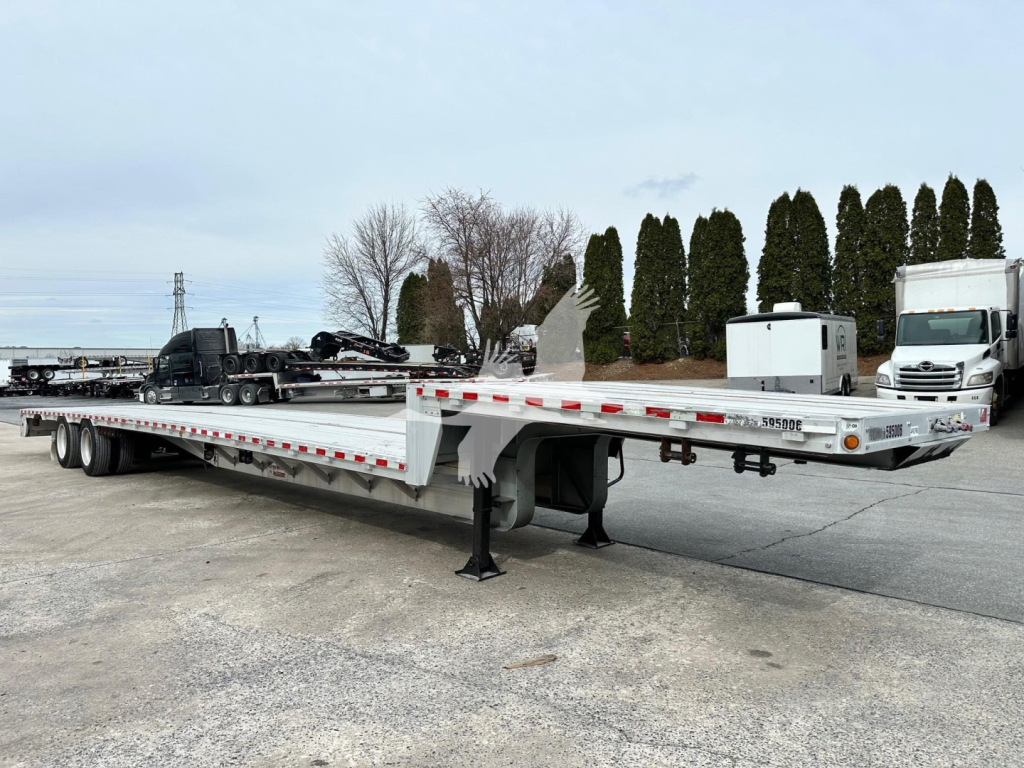
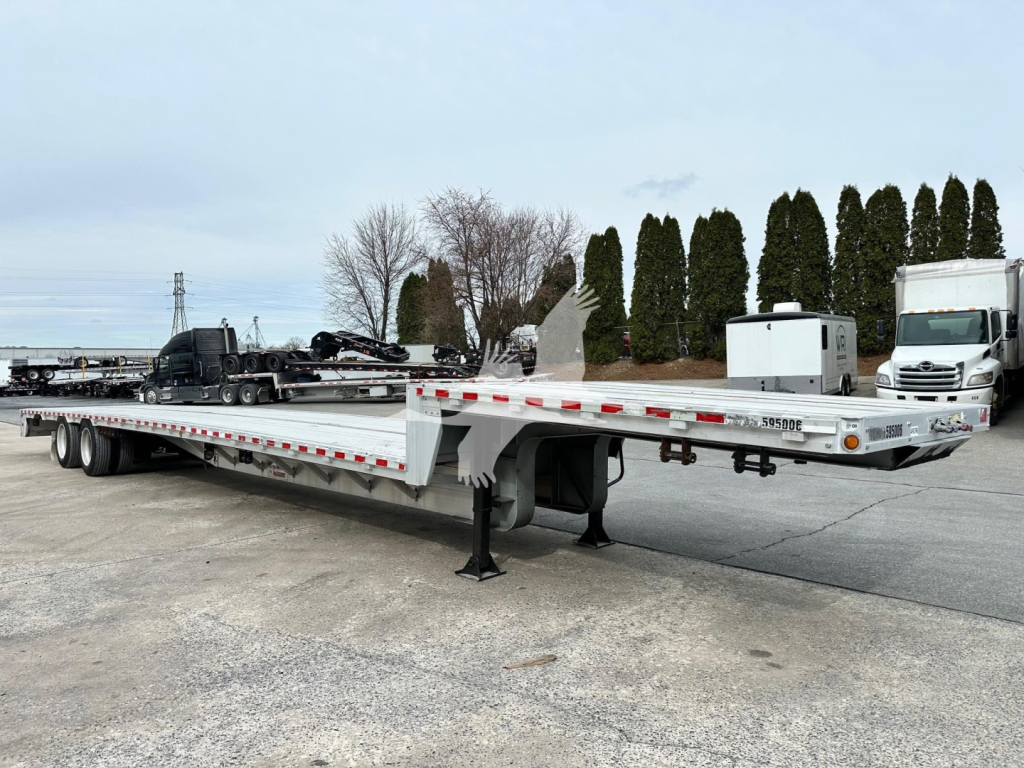
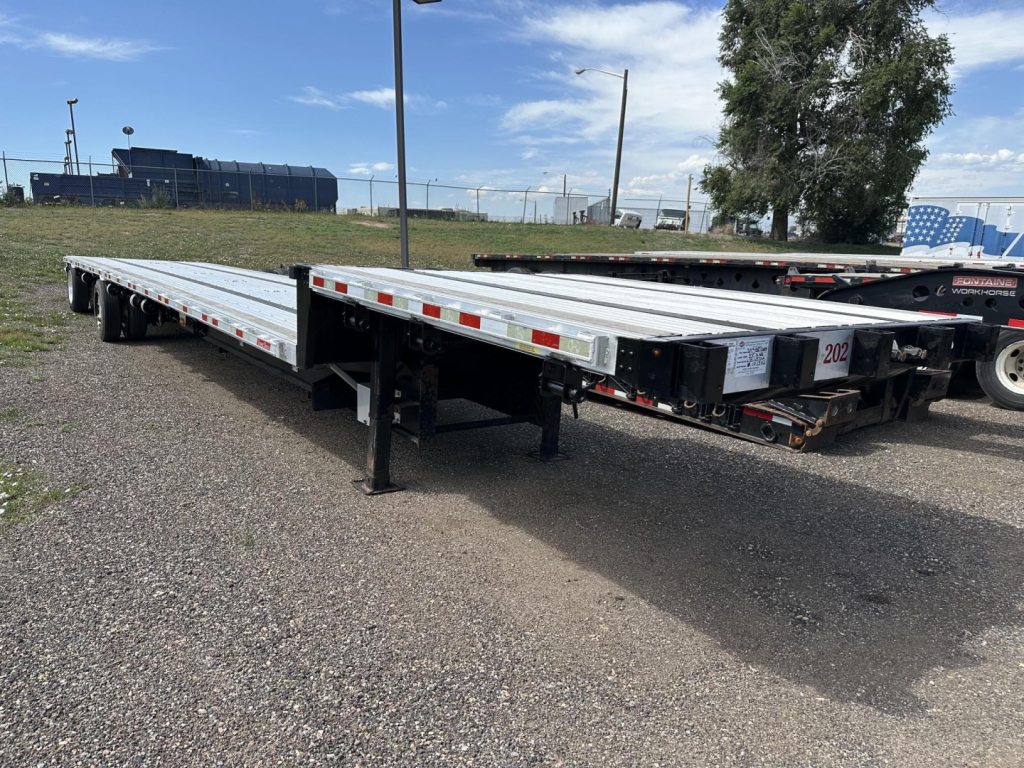
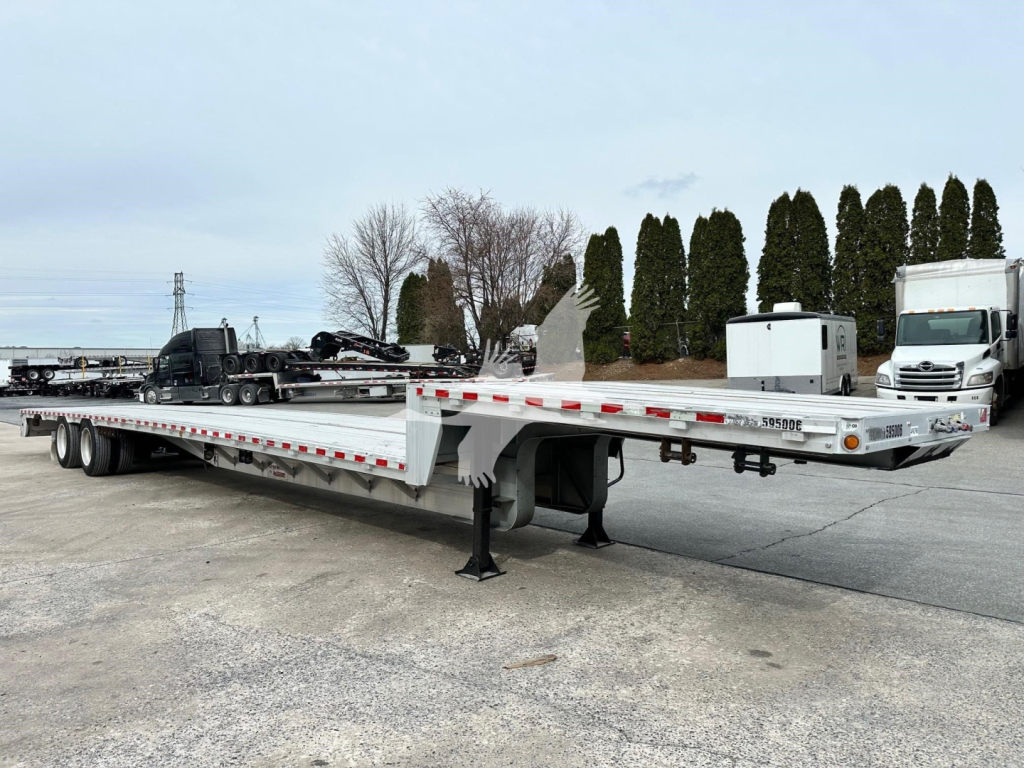
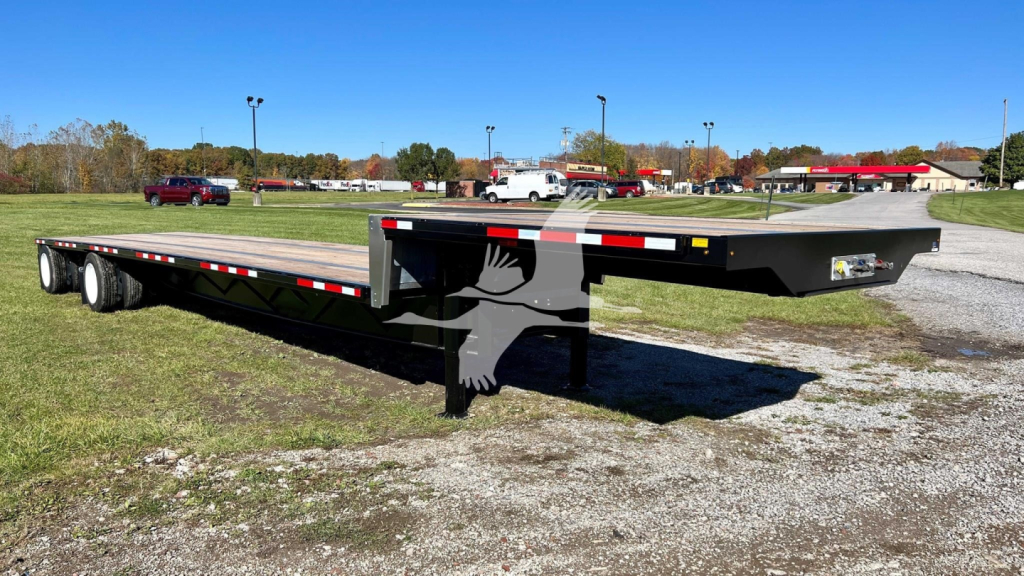
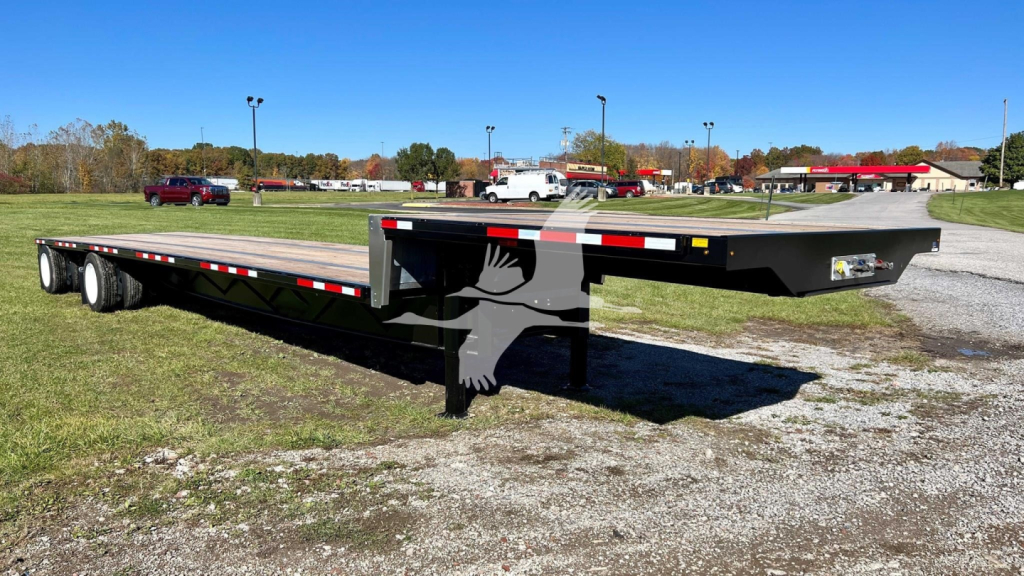
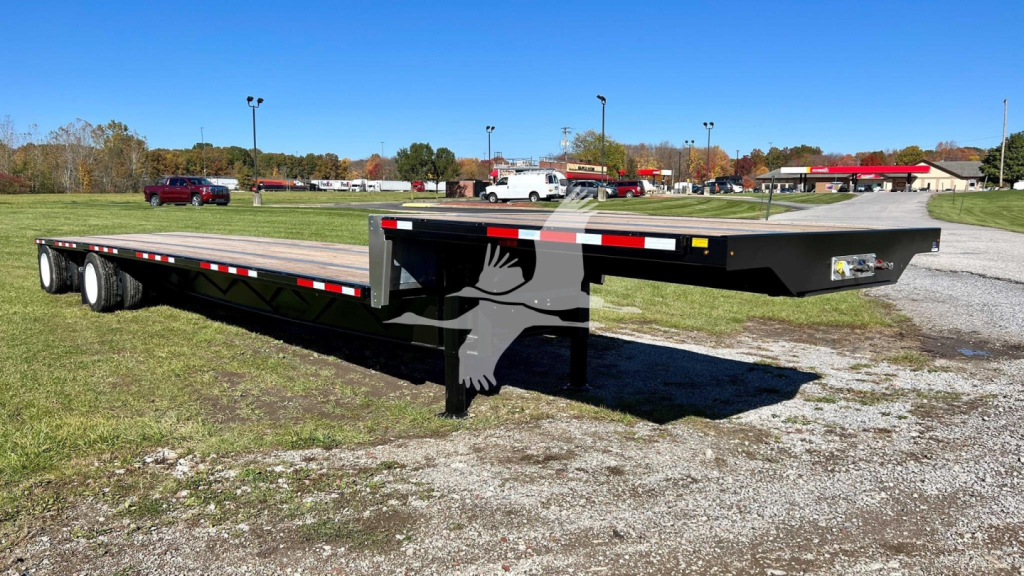
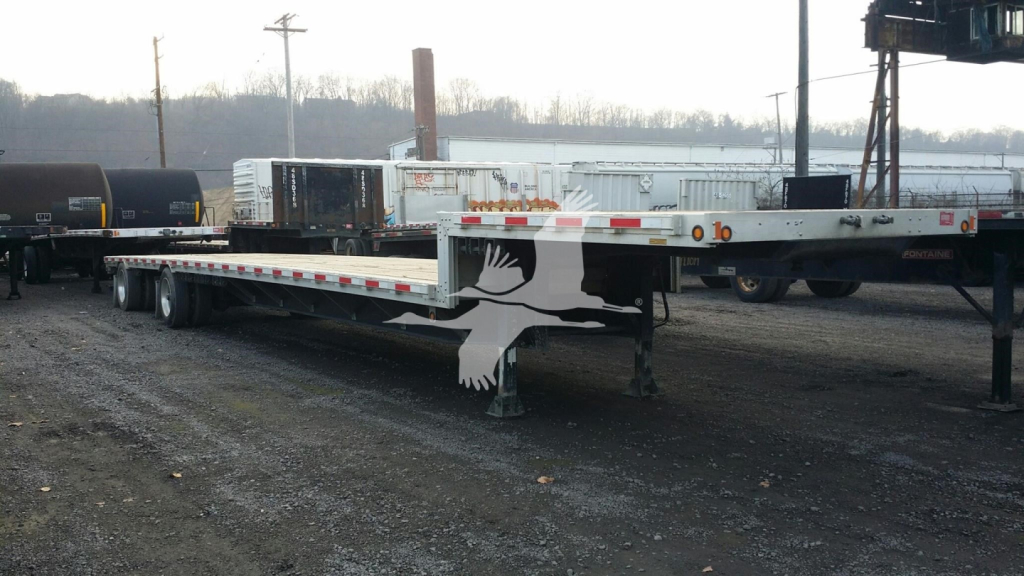
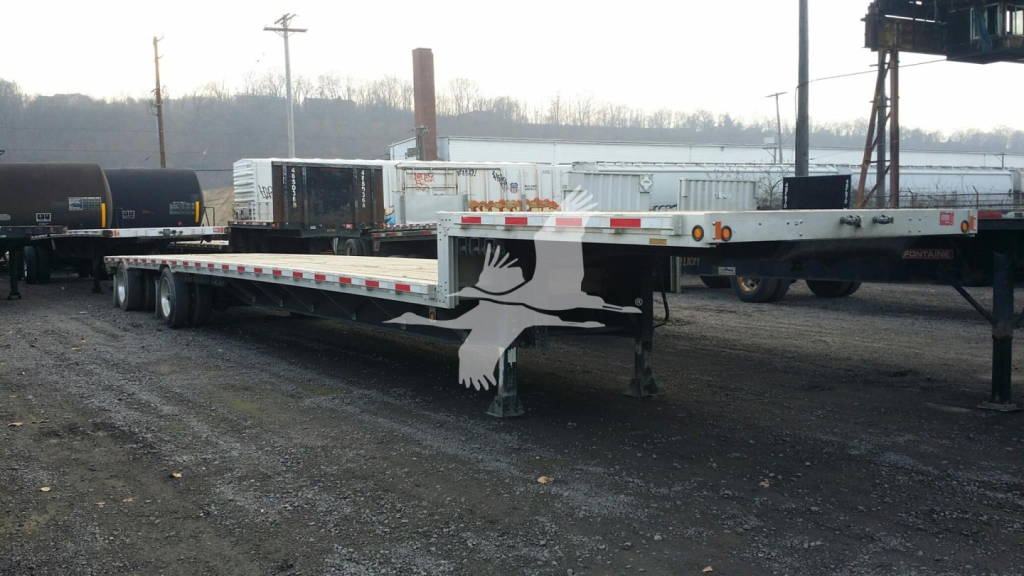
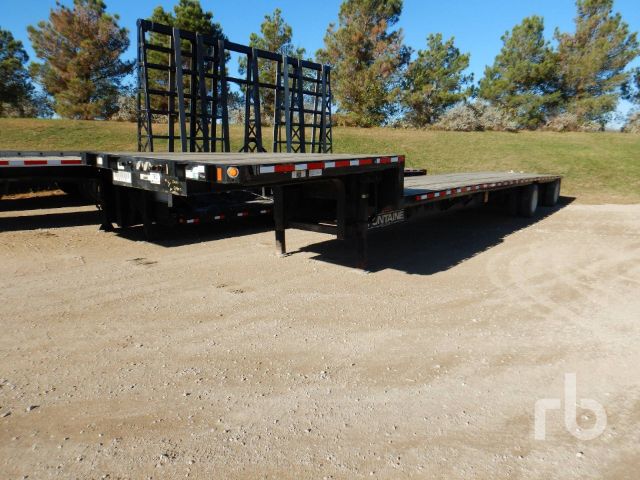
Selling a 2019 drop deck trailer? List your 2019 drop deck trailer for sale and reach thousands of commercial buyers.
2019 Drop Deck Trailers
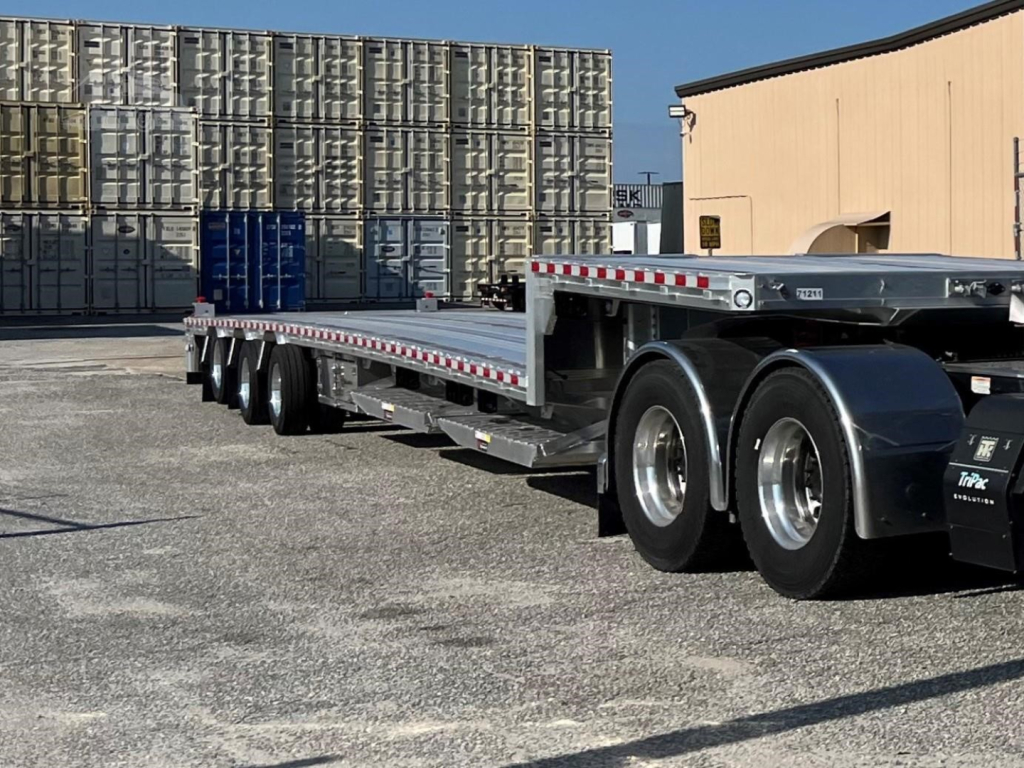
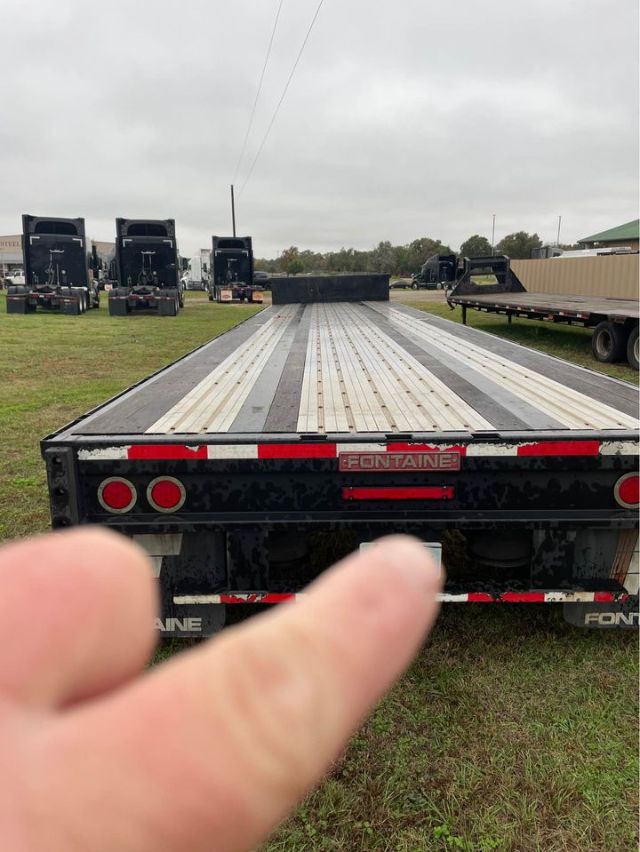
Material and weight matter on 2019 drop decks. Aluminum trailers, including popular all-aluminum or combo designs, usually appeal to operators chasing payload and corrosion resistance. Steel models tend to cost less up front and can be a strong fit for harder vocational use, but they usually carry more tare weight. Floor construction is another major decision point. Aluminum floors with nailer strips are common on lighter-weight freight, while Apitong wood remains a favorite for machinery, concentrated loads, and easier field repair. Crossmember spacing, beam rating, and concentrated load limits deserve close attention if the trailer will handle forklifts, skidded cargo, or equipment with tight axle loads.
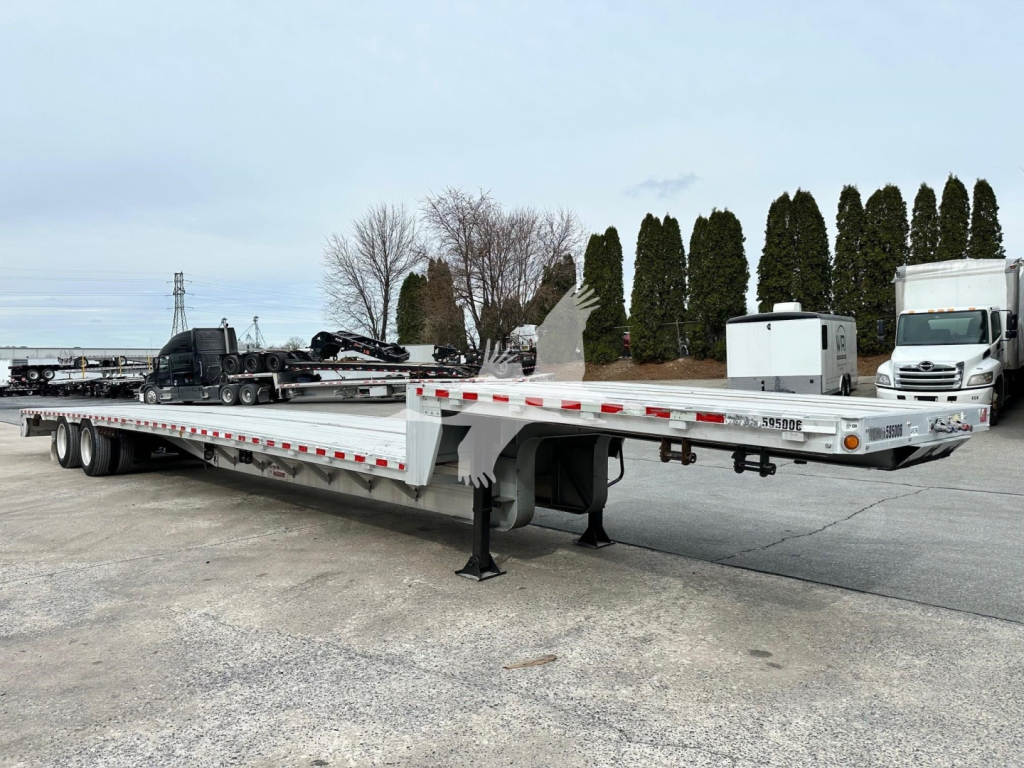
Suspension and axle layout can change how useful a 2019 drop deck is in day-to-day work. Air ride tandems are common, and many trailers in this year range were spec'd with sliding rear axles or spread-axle setups. A spread axle can improve load distribution and stability, but it may limit turning flexibility in tighter yards and can affect bridge law planning. A sliding tandem gives more adjustment for state laws, dock approach, and load placement. Kingpin setting, loaded fifth-wheel height, tire size, and brake type all influence compatibility with your tractor and the lanes you run. Disc brakes, low-profile 22.5 tires, dump valves, and automatic inflation systems are all worth noting if uptime and maintenance control are priorities.
Securement details usually separate a basic drop deck from one that works efficiently every day. Buyers should look for full winch tracks, sliding winches, double pipe spools, stake pockets, chain tie-downs, and rub rail design that fits their freight mix. Some 2019 trailers also include beavertails, ramps, bulkhead pockets, coil package reinforcement, or dock bumpers for more specialized applications. If the trailer will haul mixed freight, versatility often matters more than one standout spec. The best 2019 drop deck for your operation is the one with the right deck dimensions, tare weight, axle configuration, and securement package for the loads you actually book.
Frequently Asked Questions about 2019 Drop Deck Trailers
What is the advantage of a 2019 drop deck trailer compared with a flatbed?
A drop deck trailer gives you a lower main deck, which allows taller freight to move legally without needing the permits or routing that a standard flatbed might require. That lower deck is the main reason step decks are used for machinery, forklifts, bundled materials, and other loads that push overall height. A 2019 model can be a strong value point because many trailers from that year still offer modern air ride suspensions, LED lighting, aluminum or combo construction, and updated securement layouts without the cost of a late-model unit.
What deck lengths and dimensions are common on 2019 drop deck trailers?
Most 2019 drop deck trailers on the market are either 48 feet or 53 feet long and 102 inches wide. Top deck length is commonly around 10 to 11 feet, with the lower deck making up the balance at roughly 38 to 43 feet. Main deck height is often in the 40-inch to 42-inch range, but that number varies by suspension, tire size, and frame design. Buyers hauling height-sensitive freight should confirm lower deck height, loaded fifth-wheel height, and kingpin setting before comparing trailers.
Should I choose aluminum, steel, or combo construction on a 2019 step deck trailer?
Aluminum construction generally reduces trailer weight and helps maximize payload, which is valuable for general freight and long-haul operations. Steel construction usually offers a lower purchase price and can be a better fit for severe-duty applications where impact resistance and repair familiarity matter more than tare weight. Combo trailers blend steel and aluminum to balance weight, durability, and cost. The right choice depends on how often you haul concentrated loads, how important payload is to your revenue, and how your shop handles trailer repairs.
Is a spread axle or sliding tandem better on a 2019 drop deck?
A spread axle setup can improve ride stability and distribute weight well for certain loads, but it may be less convenient in tight turns and can complicate bridge-law flexibility in some lanes. A sliding tandem offers more adjustment for legal compliance, tractor matching, and load positioning, which makes it a common choice for operators running varied freight across multiple states. The better axle layout depends on your routes, typical commodity, and how often you need to fine-tune axle weights at the scale.
What features matter most when buying a used 2019 drop deck trailer?
The most important items are structural condition, tare weight, deck measurements, axle configuration, and securement equipment. Look closely at the main beams, crossmembers, floor condition, suspension wear, landing gear, brake system, and tire history. Winch tracks, sliding winches, chain tie-downs, stake pockets, and pipe spools should match the freight you intend to haul. If the trailer handles machinery or dense cargo, concentrated load rating and floor type are just as important as overall length and width.