
2020 Drop Deck Trailers For Sale
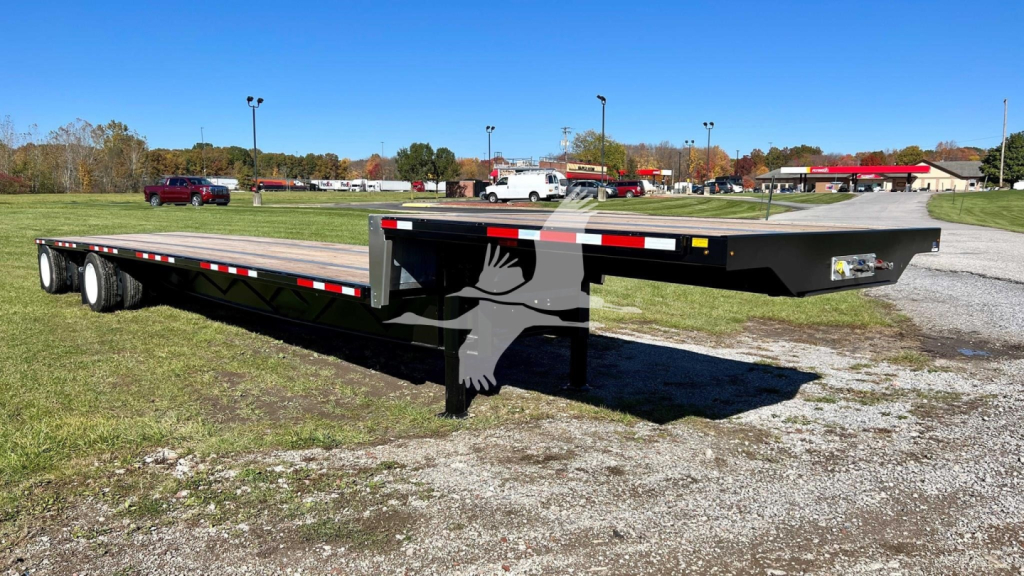
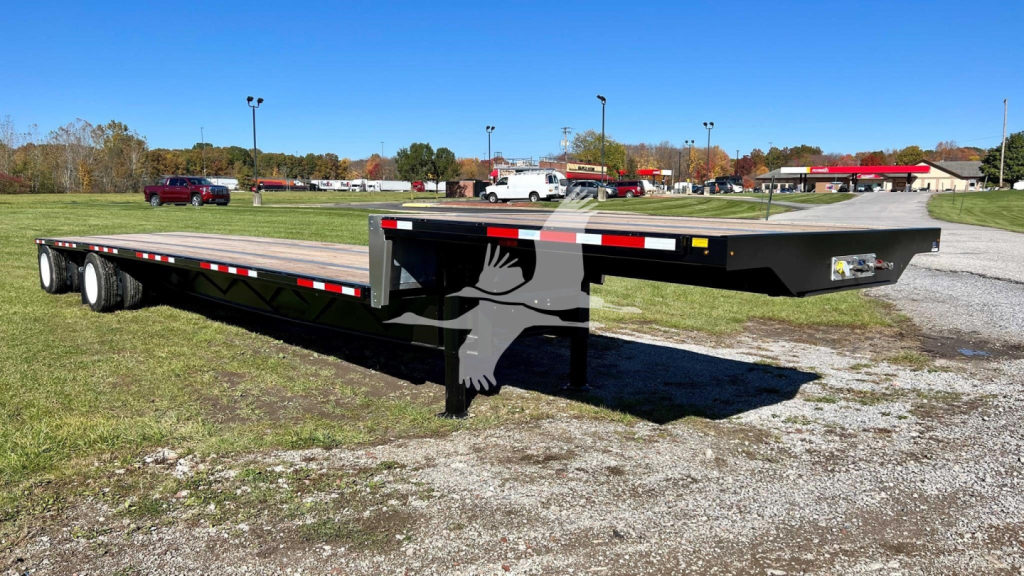
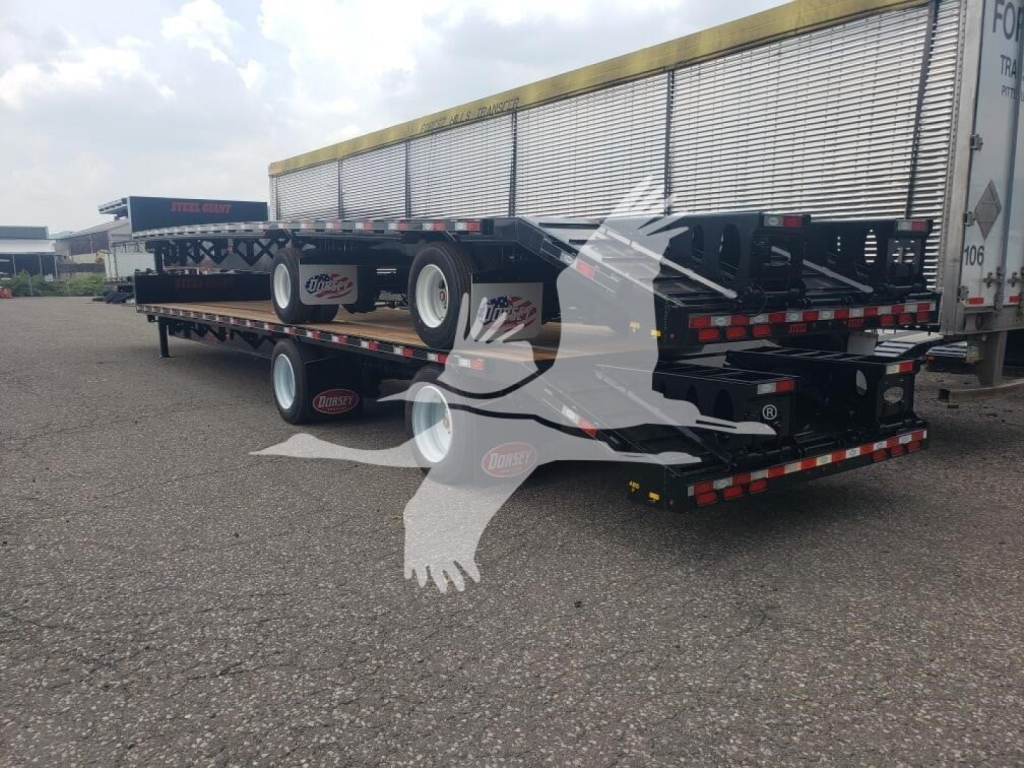
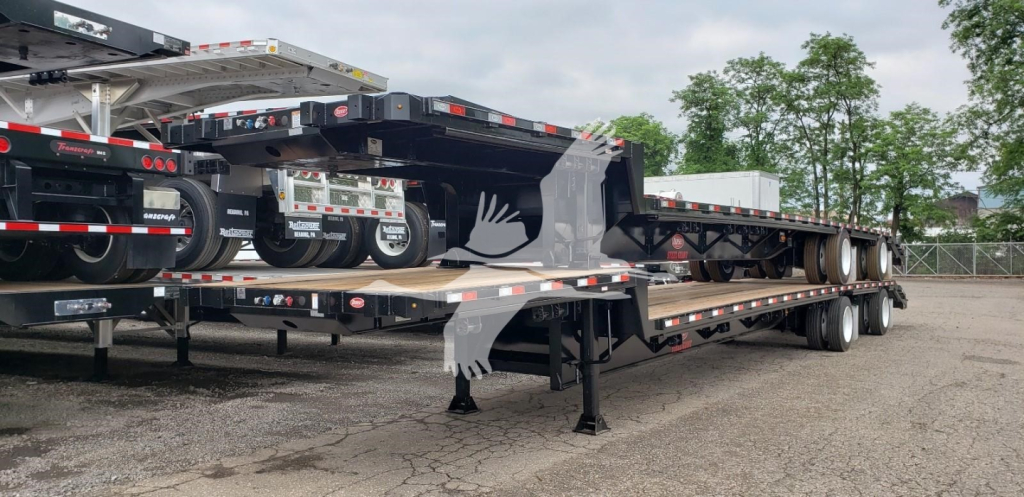
Browse 2020 drop deck trailers with specs that matter, including deck height, axle setup, suspension, weight, and securement features.
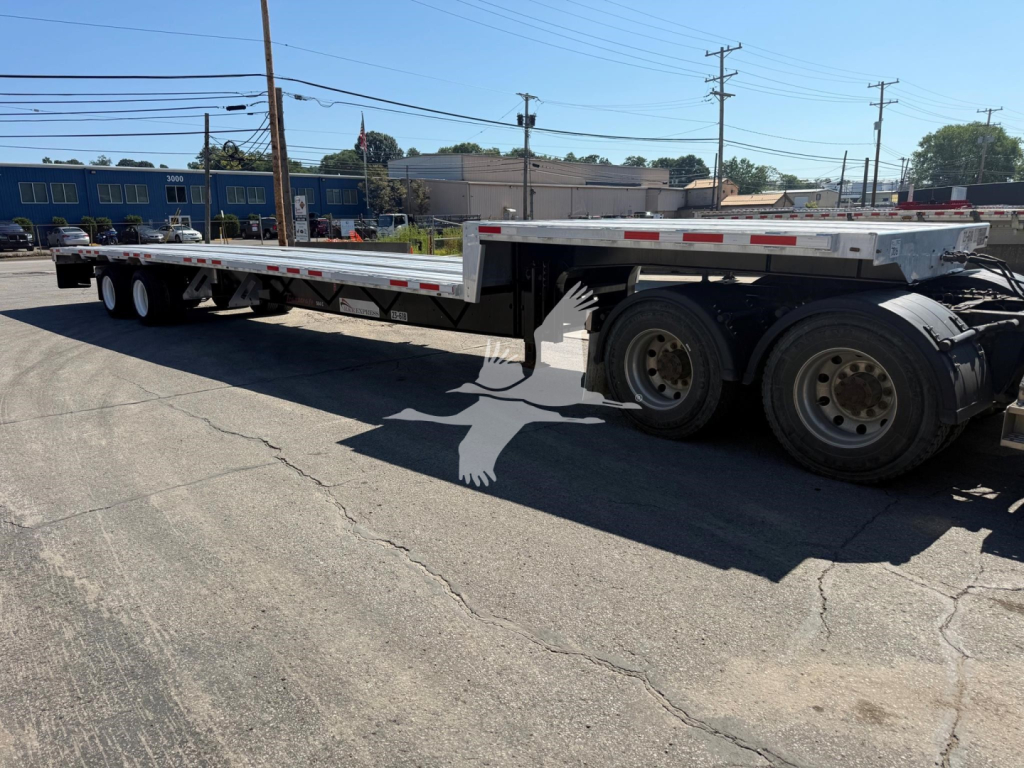
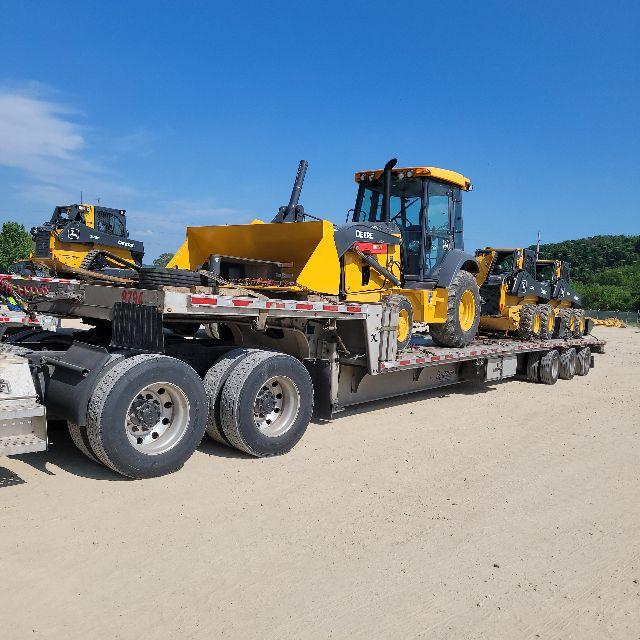
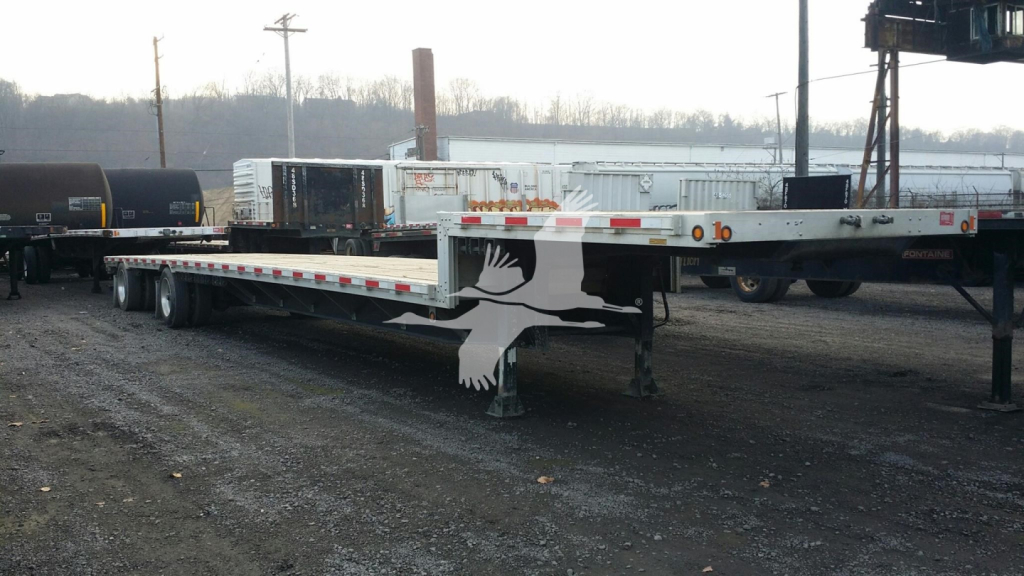
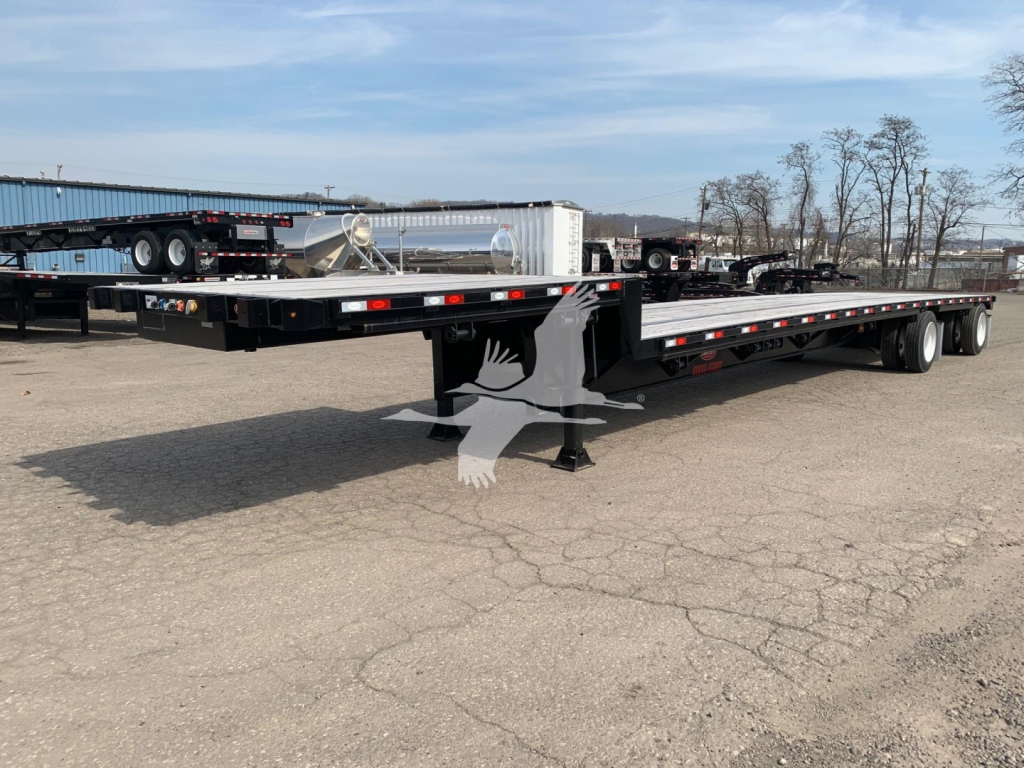
Selling a 2020 drop deck trailer? List your 2020 drop deck trailer for sale and reach thousands of commercial buyers.
2020 Drop Deck Trailers
Construction and spec choices vary more than many buyers expect. Steel drop decks tend to offer durability and lower repair complexity, while aluminum and combo designs help reduce tare weight and improve payload. Common configurations include tandem axle, spread axle, and air ride suspensions, with Hendrickson and similar setups appearing often in this model year. On a 2020 trailer, it is worth paying close attention to kingpin setting, crossmember spacing, floor type, and securement package. Features like dual winch tracks, sliding winches, stake pockets, pipe spools, nailing strips, and coil packages expand the range of loads the trailer can handle. Tire inflation systems, axle control, dump valves, and pressure gauges are also valuable on used step decks because they support tire life, maneuverability, and load management.
A buyer comparing 2020 drop deck trailers should also look closely at deck material and running gear. Apitong floors remain common for durability and forklift resistance, while aluminum flooring can reduce weight for operations focused on maximizing payload. Low-profile 17.5-inch wheel setups can reduce loaded deck height further, which can be a real advantage for overheight-sensitive freight, though replacement cost and parts planning should be considered. Disc brakes, anti-roll systems, toolboxes, ramp brackets, and rear axle slides can add practical value depending on the freight mix. If the trailer will see machinery or self-propelled equipment, verify ramp compatibility and concentrated load capacity, not just the published gross vehicle rating.
The 2020 model year is attractive to many fleets because it is modern enough to include premium options commonly ordered for specialized open-deck work, but old enough to offer a wider spread of price points than late-model new equipment. Condition still matters more than calendar year. Check for frame damage, deck repairs, suspension wear, bushing condition, brake history, tire age, and signs of uneven loading. A well-specced 2020 drop deck with a strong securement package and the right axle configuration can cover a broad range of freight while staying more versatile than many specialized trailers.
Frequently Asked Questions about 2020 Drop Deck Trailers
What is the main advantage of a 2020 drop deck trailer over a standard flatbed?
The main advantage is additional legal load height. A drop deck trailer has a raised front deck and a lower main deck, which allows taller freight to move without exceeding height limits that would be a problem on a standard flatbed. That makes it a practical choice for equipment, building materials, and freight that regularly pushes vertical clearance limits.
What sizes are most common for 2020 drop deck trailers?
The most common sizes are 48-foot and 53-foot trailers at 102 inches wide. Many have a top deck around 10 to 11 feet long and a main deck in the upper-30-foot to low-40-foot range, depending on overall length and axle layout. The right size depends on the freight mix, state bridge laws, and whether you need more deck space, lower tare weight, or a specific axle spread.
Should I choose steel, aluminum, or combo construction on a 2020 step deck trailer?
Steel generally favors durability and straightforward repair, which can be a good fit for rough service and heavy point-loading. Aluminum reduces empty weight and can improve payload, which matters for operators paid by the pound. Combo trailers use steel in high-stress structural areas and aluminum elsewhere to balance strength and tare weight. The best choice depends on freight type, operating terrain, maintenance capabilities, and how closely payload affects revenue.
What features matter most on a used 2020 drop deck trailer?
The most important features are the ones that affect freight compatibility, maintenance cost, and legal loading. Buyers typically focus on axle configuration, suspension type, deck height, empty weight, floor condition, brake type, tire condition, and securement equipment such as winch tracks, sliding winches, stake pockets, and pipe spools. Tire inflation systems, axle slides, dump valves, and coil packages can also add real operating value if they match the work the trailer will do.
Are 17.5-inch low-profile wheel packages worth considering on a 2020 drop deck?
They can be, especially if your loads are often close to maximum legal height. A 17.5-inch wheel and tire package can help lower deck height and create more clearance for taller freight. The tradeoff is that replacement tires and wheels can be more specialized than standard 22.5-inch setups, so buyers should weigh the height advantage against parts availability, operating region, and long-term maintenance cost.