
2020 Drop Deck Trailers For Sale in Pennsylvania
Shop 2020 drop deck trailers in Pennsylvania. Compare 48-foot and 53-foot specs, deck height, axle setup, weight, and securement features.
Selling a 2020 drop deck trailer? List your 2020 drop deck trailer for sale and reach thousands of commercial buyers.
2020 Drop Deck Trailers in Pennsylvania
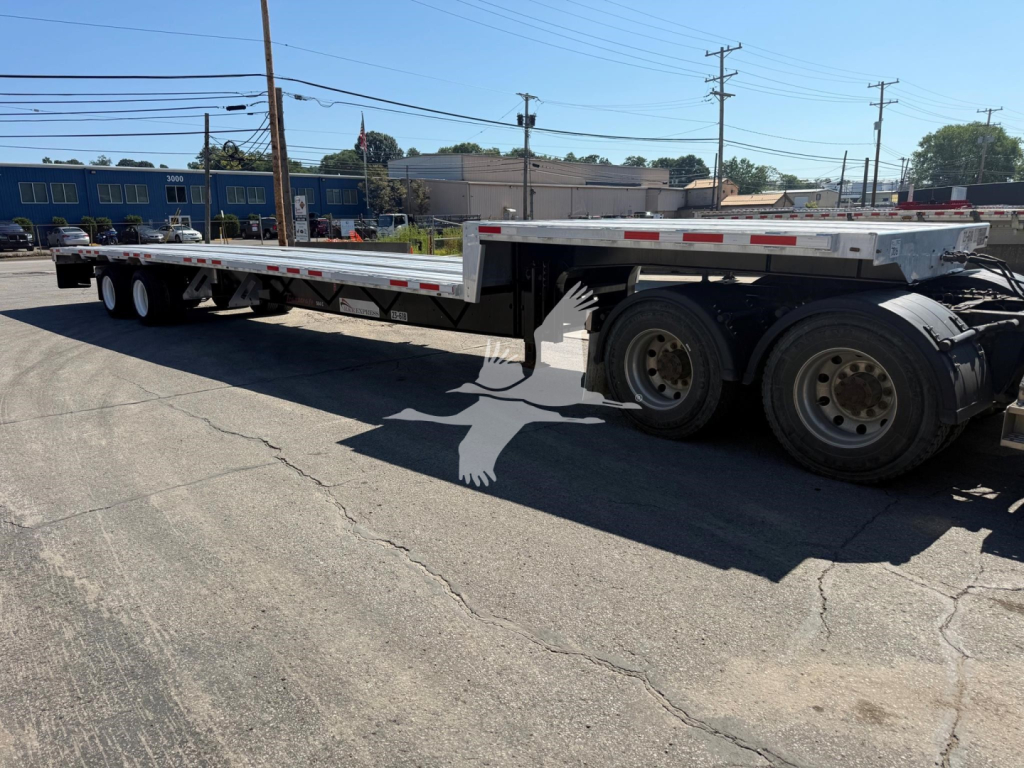
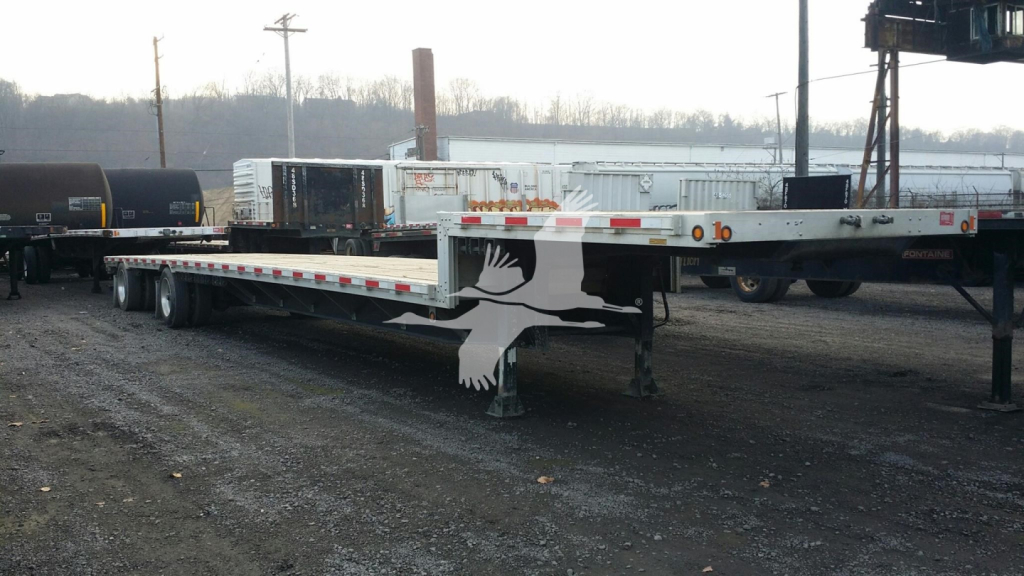
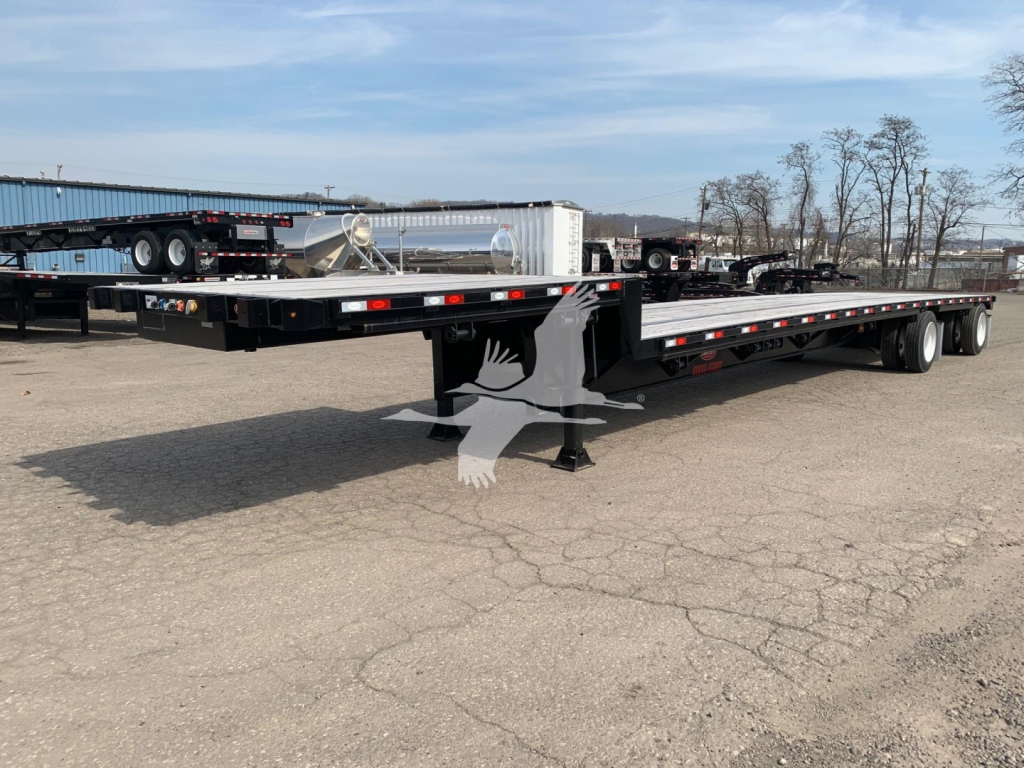
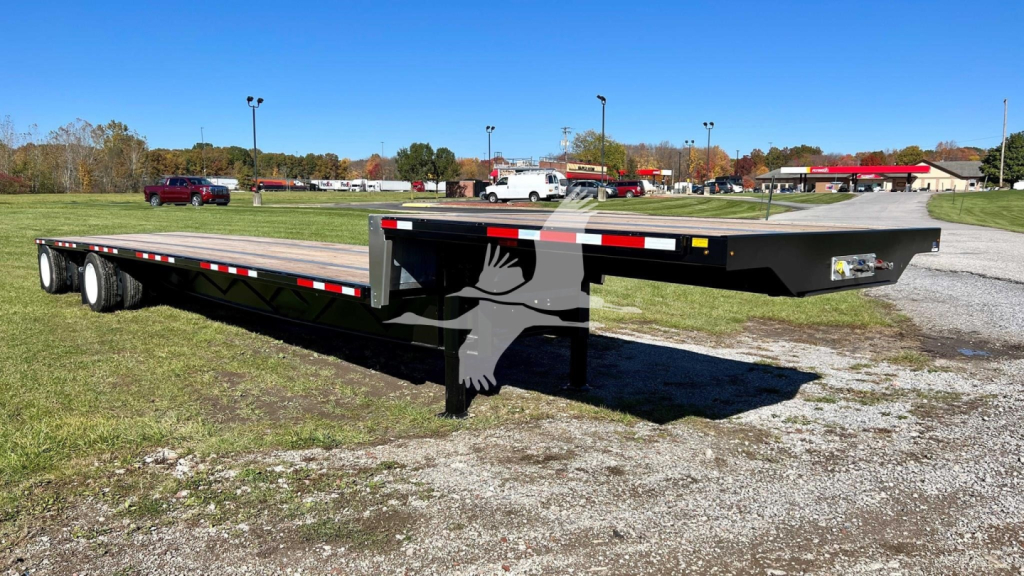
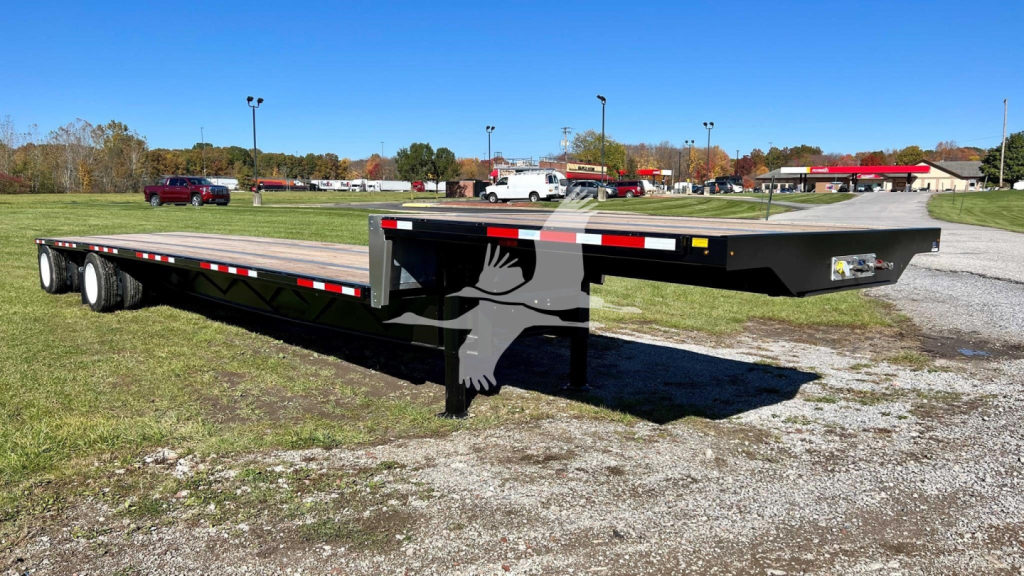
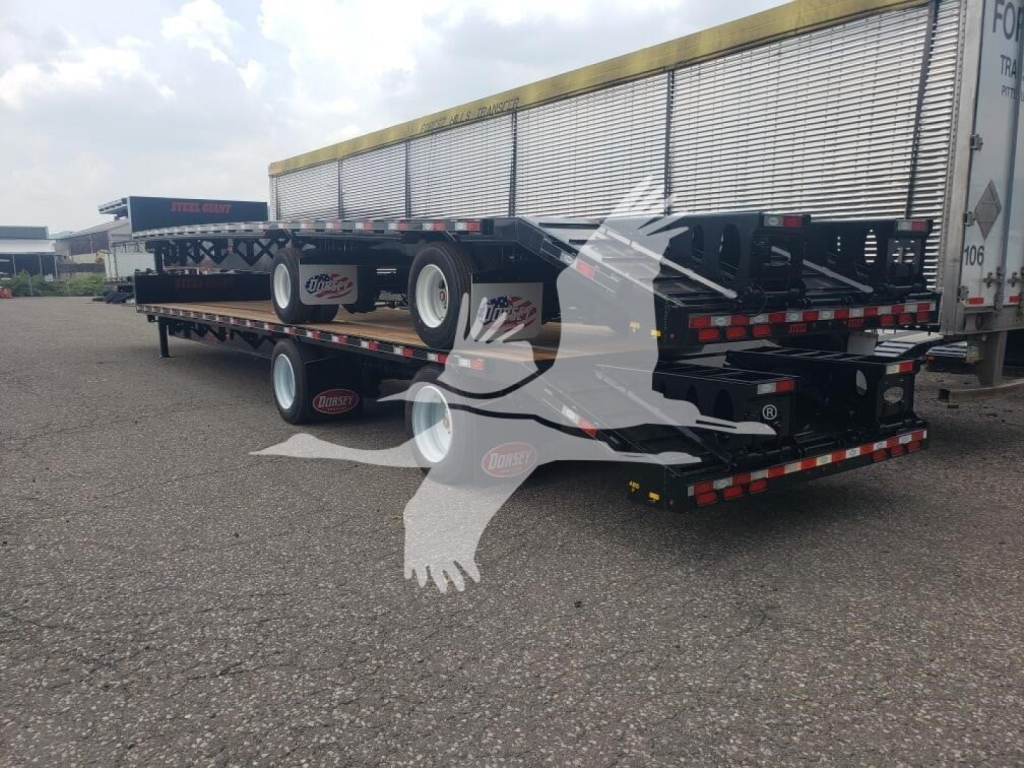
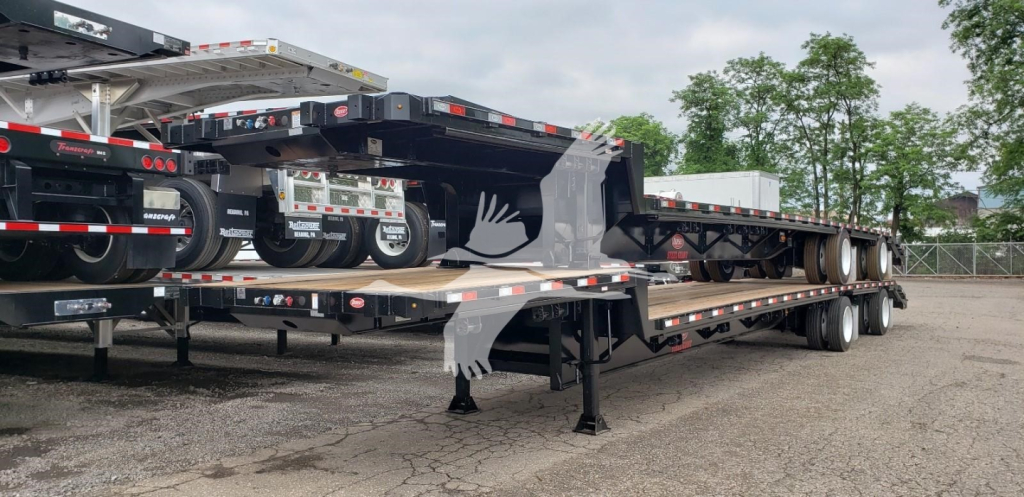
Common 2020 drop deck specs include 48-foot and 53-foot overall lengths, 102-inch width, tandem axles, and air ride suspension. Many trailers from this model year were built with aluminum construction to reduce tare weight, while others used steel components or full steel frames for higher durability in equipment hauling. Typical upper decks run around 10 feet to 11 feet, with the lower deck carrying the bulk of the load space. Buyers should pay close attention to loaded deck height, crossmember spacing, kingpin setting, and suspension slide setting. A lighter trailer can improve payload on legal freight, but frame design, floor type, and concentrated load rating matter more if you haul coils, forklifts, or dense freight that puts real point-load stress into the deck.
Securement and handling features are where one 2020 drop deck often separates itself from another. Winch tracks on one or both sides, sliding winches, double pipe spools, chain ties, and nailing strips all affect how versatile the trailer is across different commodities. Flooring may be aluminum or Apitong, and each has tradeoffs in weight, repair cost, and traction. Air ride remains the preferred suspension for many operations because it protects freight and improves ride quality, while disc brakes, tire inflation systems, dump valves, and anti-roll systems can reduce downtime and improve control. If you are loading with ramps or handling self-propelled equipment, beavertail sections and spring-assisted ramps become important, especially on construction and rental fleet work.
For a buyer comparing 2020 model year drop decks, condition still comes down to the hard-use areas. Look closely at the lower deck, crossmembers, side rails, winch track wear, landing gear, suspension bushings, brake type, and tire condition. Check for floor repairs, rub rail damage, and signs of concentrated-load fatigue near coil package areas. In Pennsylvania service, corrosion exposure from winter roads makes underside inspection especially important around wiring, brake components, and suspension mounts. A well-spec'd 2020 drop deck trailer can still offer a very favorable balance of purchase price, payload efficiency, and freight flexibility for regional or over-the-road flatbed work.
Frequently Asked Questions about 2020 Drop Deck Trailers in Pennsylvania
What is the difference between a drop deck trailer and a flatbed trailer?
A drop deck trailer, also called a step deck, has an upper deck and a lower main deck. That lower deck gives you more vertical freight room than a standard flatbed, which is the main reason buyers choose it for taller loads. A flatbed is simpler for loading from any side and often works well for legal-height freight, but a drop deck is usually the better tool when cargo height would push a flatbed over legal limits.
What should I check first on a used 2020 drop deck trailer?
Start with structural condition and load-critical components. Inspect the frame, crossmembers, lower deck, side rails, kingpin area, suspension, brakes, and landing gear before focusing on cosmetic items. Floor condition, concentrated-load reinforcement, winch track wear, and signs of previous deck repairs matter because they directly affect how the trailer performs under freight. Tire condition, wheel ends, wiring, and air system leaks also tell you a lot about maintenance history.
Are aluminum 2020 drop deck trailers better than steel ones?
Neither is automatically better. Aluminum drop deck trailers are usually favored for lower tare weight and better payload capacity, which can make a real difference in legal freight operations. Steel trailers or steel-intensive designs can offer durability advantages in heavy equipment service, ramp loading, and rougher jobsite use. The right choice depends on the freight mix, expected abuse level, repair environment, and how much payload matters in your operation.
What deck dimensions are common on a 2020 drop deck trailer?
Many 2020 drop deck trailers were built in 48-foot or 53-foot lengths with a 102-inch overall width. Upper deck length is often around 10 feet to 10 feet 6 inches, while the lower deck takes the remaining cargo space. Buyers should also verify loaded deck height, rear deck configuration, and axle placement because those dimensions affect legal height, load positioning, and bridge law compliance more than the overall trailer length alone.
Why do features like coil packages, tire inflation systems, and disc brakes matter on a drop deck?
These features change how the trailer performs in real service. A coil package adds reinforcement and securement capability for dense steel freight. A tire inflation system can help maintain pressure, reduce irregular wear, and limit roadside issues. Disc brakes generally improve braking consistency and can simplify some maintenance compared with drum setups. On a used trailer, these options can add practical value if they match the freight and maintenance demands of your operation.