
Drop Deck Trailers For Sale in New Mexico
Browse drop deck trailers for sale in New Mexico. Compare 53-foot step deck specs, axle setups, deck materials, and tie-down options.
Selling a drop deck trailer? List your drop deck trailer for sale and reach thousands of commercial buyers.
Drop Deck Trailers in New Mexico
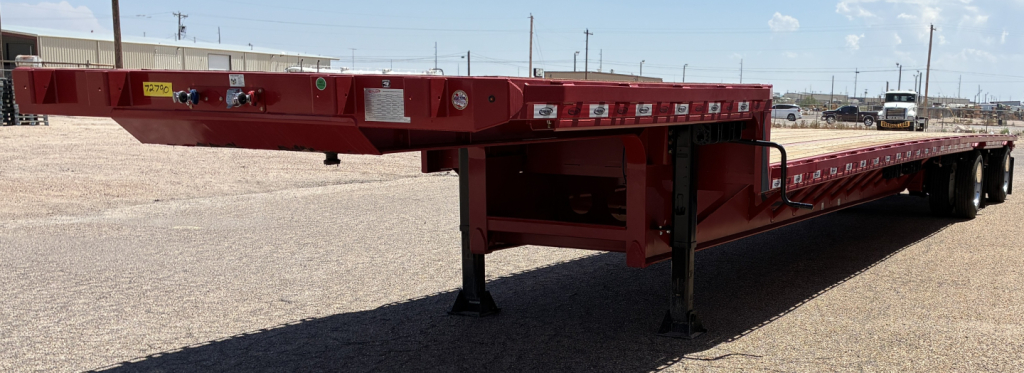
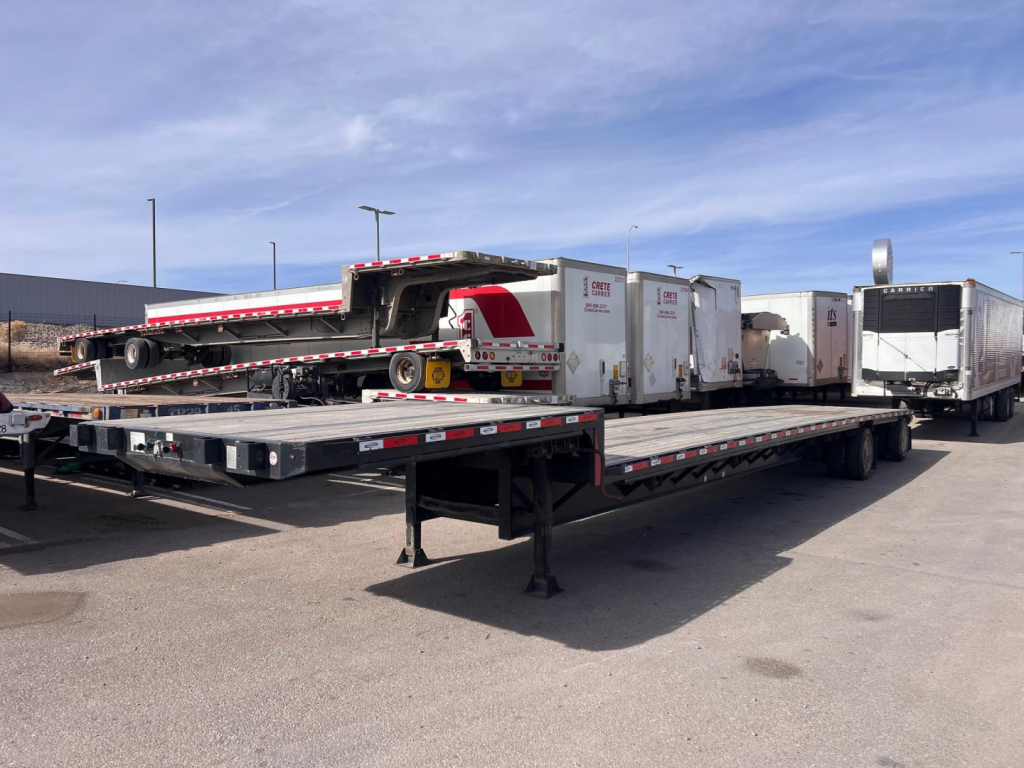
A lot of buyers start with deck configuration because that decision affects both freight flexibility and bridge compliance. The most common setup is a 53-foot by 102-inch tandem axle trailer with a top deck and a lower deck, often with a rear sliding axle or fixed spread depending on state requirements and weight distribution needs. Common lower deck drops are around 29 inches, and tire size plays into loaded deck height, with 17.5-inch or 22.5 low-profile rubber both seen in the market. If you regularly scale heavy or mixed loads, pay attention to axle slide range, suspension type, kingpin setting, and overall empty weight.
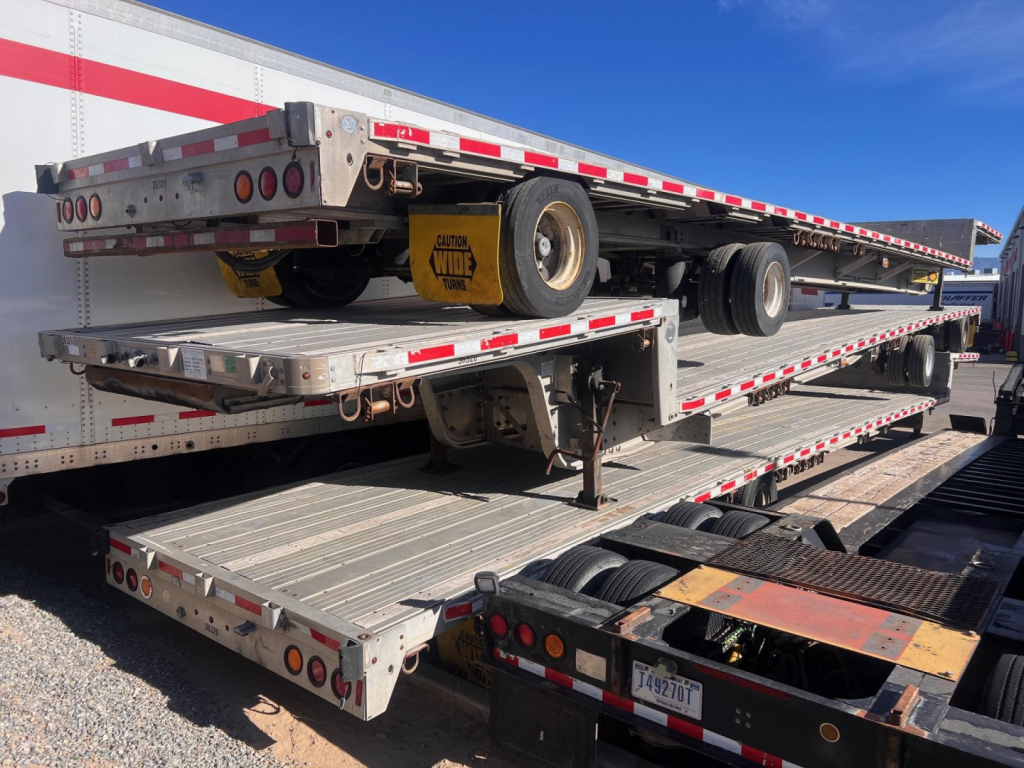
Material choice is another major separator. All-aluminum drop decks reduce tare weight and help maximize payload, which is attractive for longer hauls and higher-cube freight. Steel trailers generally cost less up front and are often preferred in severe-duty applications where abuse resistance matters more than every pound of payload. Flooring can include aluminum planks or Apitong wood, and buyers should inspect main beams, crossmembers, neck transition areas, and the lower deck for signs of concentrated loading or forklift damage. Air ride suspension is common because it protects sensitive freight and improves ride quality, especially on rougher secondary roads.
Tie-down equipment often determines how useful a drop deck will be day to day. Stake pockets, pipe spools, sliding winches, nail strips, chain ties, and coil packages expand the range of freight the trailer can secure safely. Side rails and scuff-resistant deck details matter if the trailer sees frequent forklift loading. A buyer comparing listings should look closely at deck length distribution, rear approach, wheel specification, landing gear condition, and whether the trailer is set up for steel, machinery, building products, or general open-deck freight. The best drop deck is the one whose deck height, weight, and securement package match the loads you actually haul.
Frequently Asked Questions about Drop Deck Trailers in New Mexico
What is the difference between a drop deck trailer and a flatbed trailer?
A drop deck trailer has two deck levels, a raised front deck and a lower main deck, while a flatbed has one continuous deck height. That lower deck height is the main advantage because it allows taller freight to stay within legal height limits without requiring a more specialized trailer. Drop decks are commonly used for equipment, palletized freight, steel, and other loads that need open-deck access but exceed what a standard flatbed can carry legally.
What size drop deck trailer is most common?
The most common configuration is a 53-foot by 102-inch drop deck with tandem axles. Many are equipped with air ride suspension, sliding winches, stake pockets, and either a sliding rear axle or fixed spread axle arrangement. Buyers should also compare upper deck length, lower deck length, loaded deck height, and tire size because those details directly affect legal height, load placement, and bridge compliance.
Is an aluminum or steel drop deck better?
Aluminum drop decks are generally better when payload matters most because they weigh less and allow more freight before reaching gross limits. Steel drop decks are typically favored for lower acquisition cost and for tougher applications where impact resistance and repair simplicity are priorities. The better choice depends on your lanes, average commodity weight, and how rough the loading environment is.
What tie-down features should I look for on a used drop deck trailer?
Useful tie-down equipment usually includes stake pockets, sliding winches, pipe spools, chain tie points, nail strips, and a coil package if steel hauling is part of your operation. These features determine how easily the trailer can be adapted to different cargo types and how efficiently drivers can secure loads. Buyers should also inspect the rails, winch track, and deck edges for damage or wear because those areas take constant stress in open-deck service.
Are drop deck trailers a good fit for freight in New Mexico?
Yes. Drop deck trailers are a strong fit for New Mexico freight because they handle construction materials, energy-sector freight, agricultural equipment, and general open-deck loads that move across long rural routes and interstate corridors. The lower deck helps with legal height on taller loads, while common air ride and sliding axle setups add flexibility for mixed regional and over-the-road work.