
Great Dane Drop Deck Trailers For Sale
Shop Great Dane drop deck trailers with specs buyers want, including steel or composite construction, air ride, spread axles, and securement options.
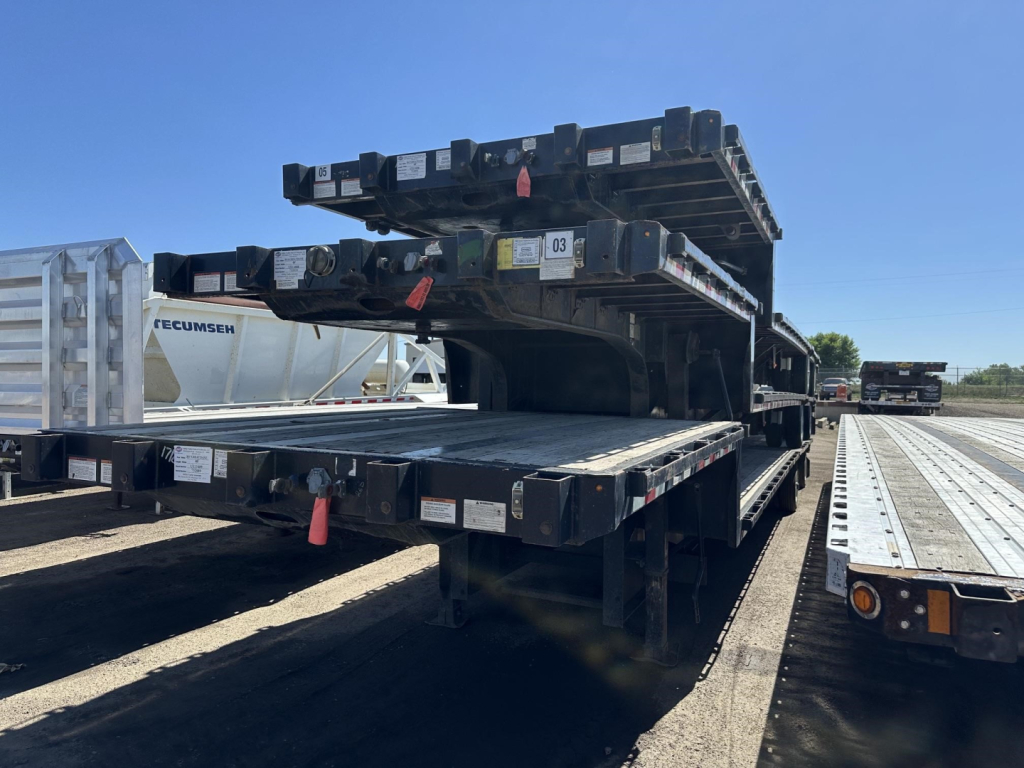
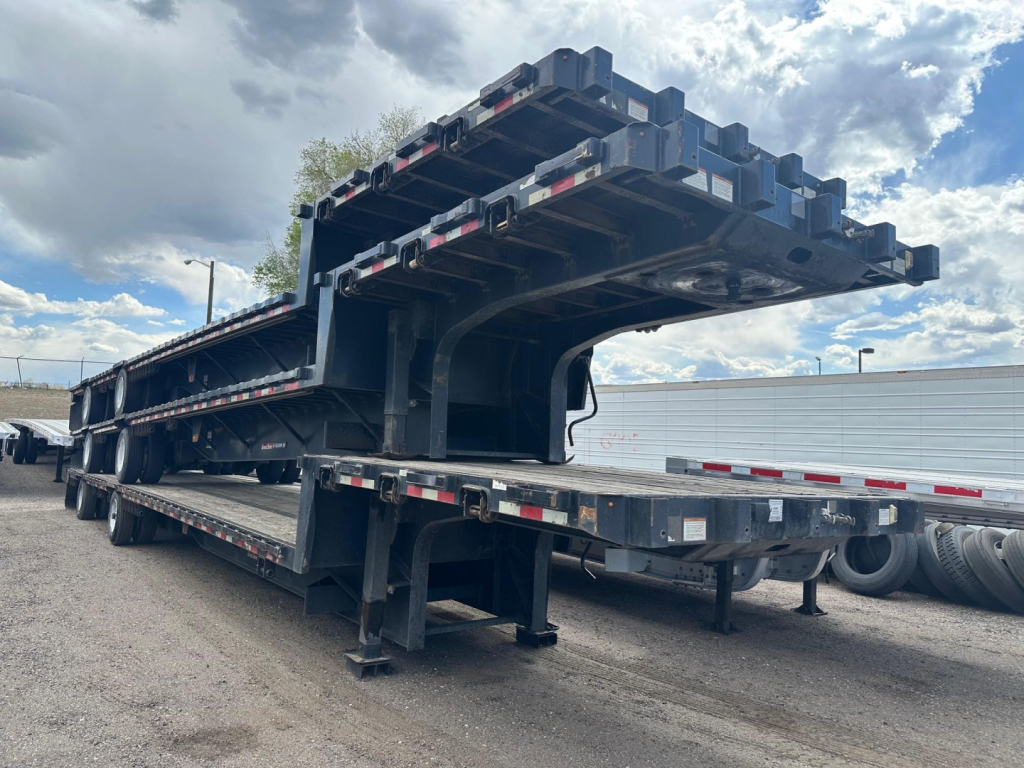
Selling a great dane drop deck trailer? List your great dane drop deck trailer for sale and reach thousands of commercial buyers.
Great Dane Drop Deck Trailers
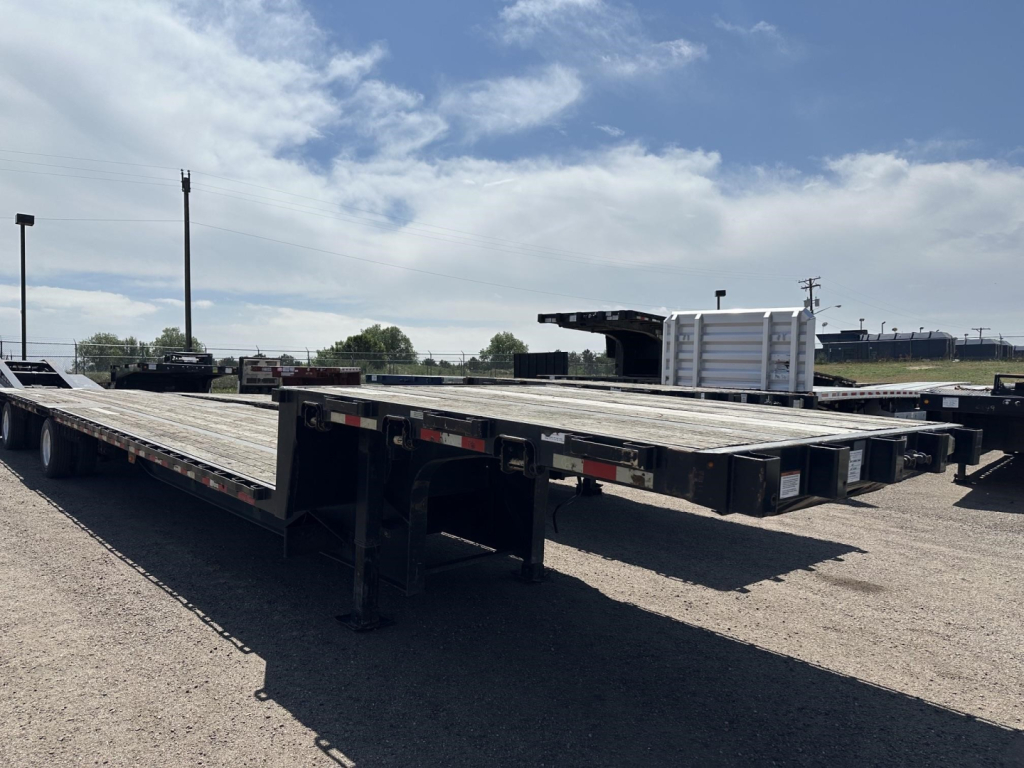
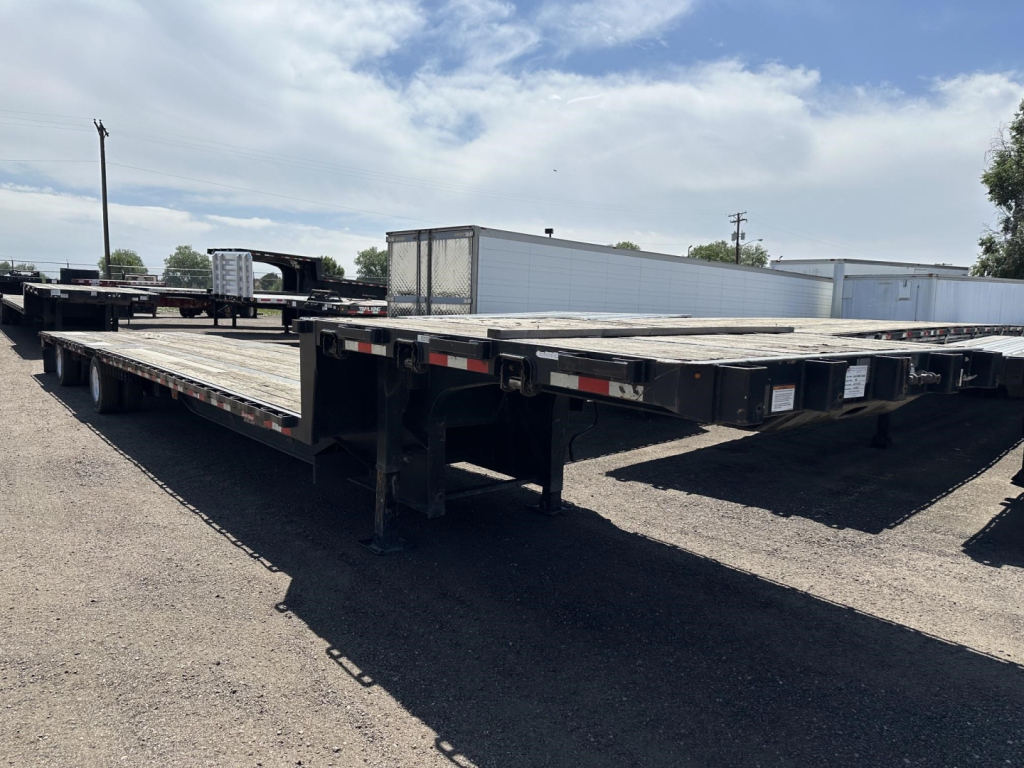
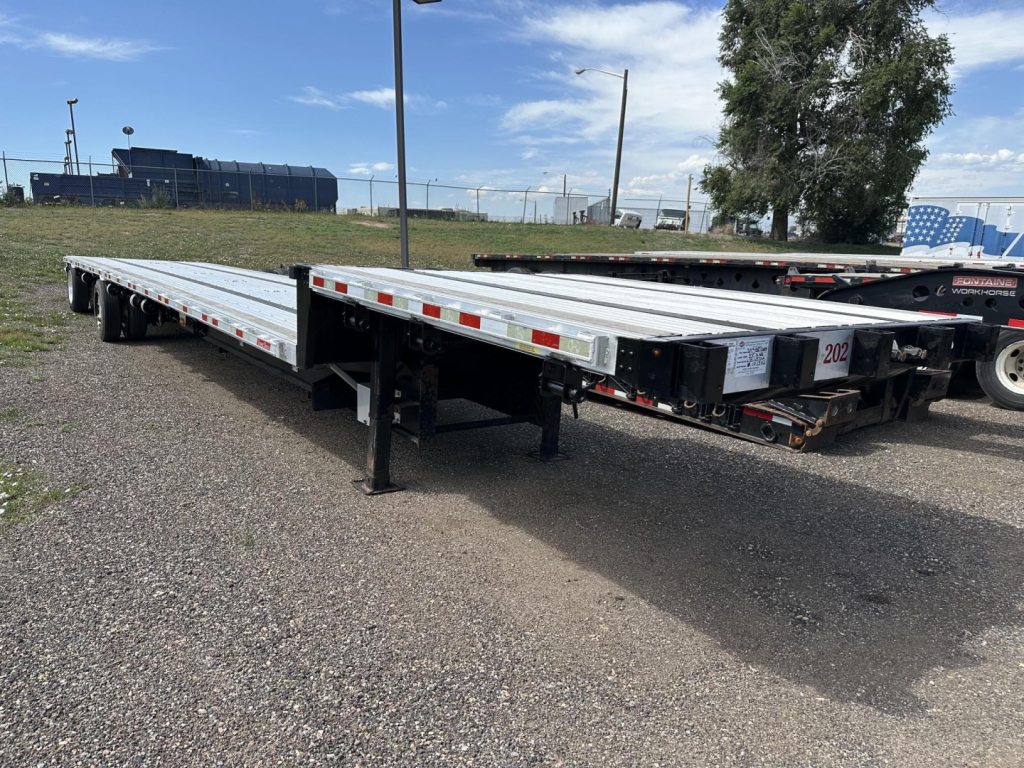
Construction matters because it affects tare weight, durability, and repair cost over the life of the trailer. Great Dane drop decks are often found in all-steel or aluminum-steel composite designs. A steel frame with a wood deck is a proven setup for hard use and repeated loading from forklifts or jobsite equipment. Composite builds can reduce empty weight and improve payload capacity while still keeping strength where the trailer needs it most. Buyers should look closely at main beam condition, crossmember spacing, deck wear, nail strips, bulkhead design, and any signs of concentrated loading damage in the transition area between the upper and lower deck.
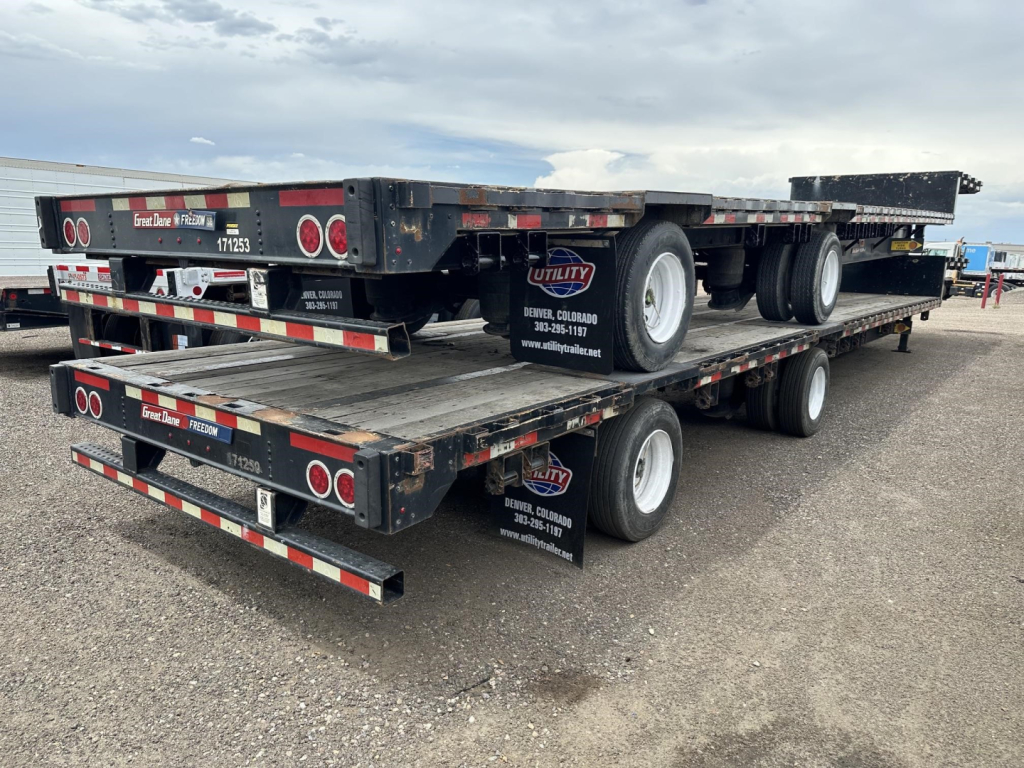
Securement and running gear are just as important as deck dimensions. Many Great Dane step decks are equipped with stake pockets, sliding winch tracks, winches, pipe spools, and tool boxes, which can save setup cost if the trailer is going straight to work. Suspension and axle spec should match the lanes and freight mix. Air ride is common for protecting sensitive cargo, and fixed spread or sliding rear axle configurations each have advantages depending on bridge law compliance, maneuverability, and weight distribution. Tire inflation systems, dump valves, 17.5 or 22.5 wheel and tire packages, and aluminum or steel wheels all affect maintenance cost and operating practicality.
A buyer comparing Great Dane drop deck trailers should pay attention to loaded deck height, rated capacity, rear frame condition, and how the trailer has been used. A trailer that hauled evenly distributed palletized freight will show different wear than one that regularly handled concentrated equipment loads. Check suspension components, brake condition, floor fastening, winch track integrity, and the rear impact guard. If the freight includes forklifts, crated machinery, or over-height loads that still need standard permitting flexibility, a Great Dane drop deck remains a practical middle ground between a flatbed and more specialized low-profile equipment.
Frequently Asked Questions about Great Dane Drop Deck Trailers
What is a Great Dane drop deck trailer used for?
A Great Dane drop deck trailer is used to haul freight that benefits from lower deck height than a standard flatbed while still keeping open-deck loading access. Common applications include construction materials, steel products, palletized machinery, pipe, and equipment that is too tall for a flatbed but does not require a lowboy. The lower main deck helps create additional legal loading height, which is often the deciding factor for regional and over-the-road freight.
What lengths and deck layouts are common on Great Dane step deck trailers?
Common Great Dane step deck trailer lengths include 48-foot and 53-foot configurations with a 102-inch width. Most have a shorter upper deck, often around 10 to 11 feet, and a longer lower main deck that carries the majority of the load. Buyers should confirm usable deck length, loaded deck height, and transition clearance because those dimensions directly affect what equipment or freight can be loaded without fitment or securement problems.
Should I choose a steel or aluminum-steel composite Great Dane drop deck?
A steel Great Dane drop deck typically offers rugged durability and straightforward repairability, which is valuable in severe service and frequent forklift loading. An aluminum-steel composite trailer can lower tare weight and improve payload potential, which matters for operators chasing every legal pound. The right choice depends on freight type, operating environment, expected repair exposure, and how important empty weight is in the revenue model.
What axle and suspension options matter most on a used Great Dane drop deck trailer?
Axle layout and suspension affect bridge compliance, ride quality, tire wear, and how easily the trailer handles different freight. Fixed spread axles are common and can be a good fit for stable weight distribution, while sliding rear axle setups add flexibility for load placement and state bridge law requirements. Air ride suspension is widely preferred for protecting cargo and improving ride characteristics. Buyers should inspect axle alignment, suspension wear points, dump valve function, and any tire inflation system if equipped.
What should I inspect first on a used Great Dane drop deck trailer?
Start with the frame, main beams, and the drop transition area because those sections absorb heavy stress. Then inspect the deck surface, crossmembers, securement equipment, suspension, brakes, tires, and rear impact guard. On trailers with winch tracks, stake pockets, or pipe spools, make sure the securement hardware is intact and not bent or torn from overloads. A close inspection of floor wear, corrosion, and prior repairs will usually tell you more about the trailer's true working life than appearance alone.