
Great Dane Drop Deck Trailers For Sale in Colorado
Shop Great Dane drop deck trailers for hauling taller freight with lower deck height, durable construction, spread axles, and securement-ready specs.
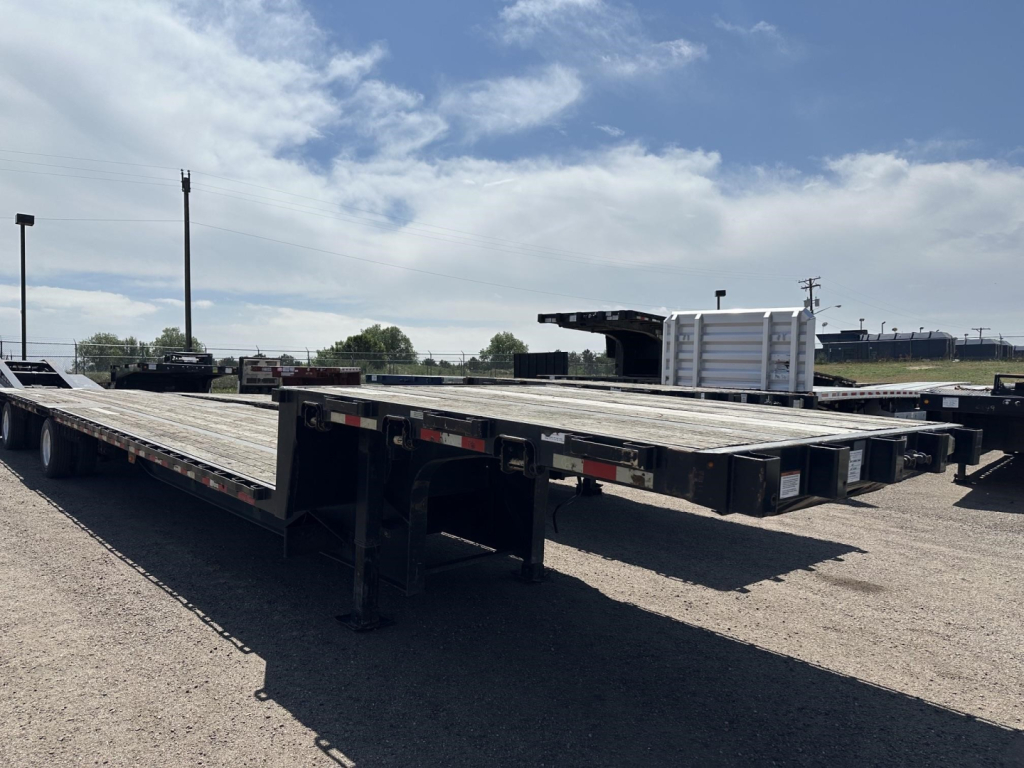
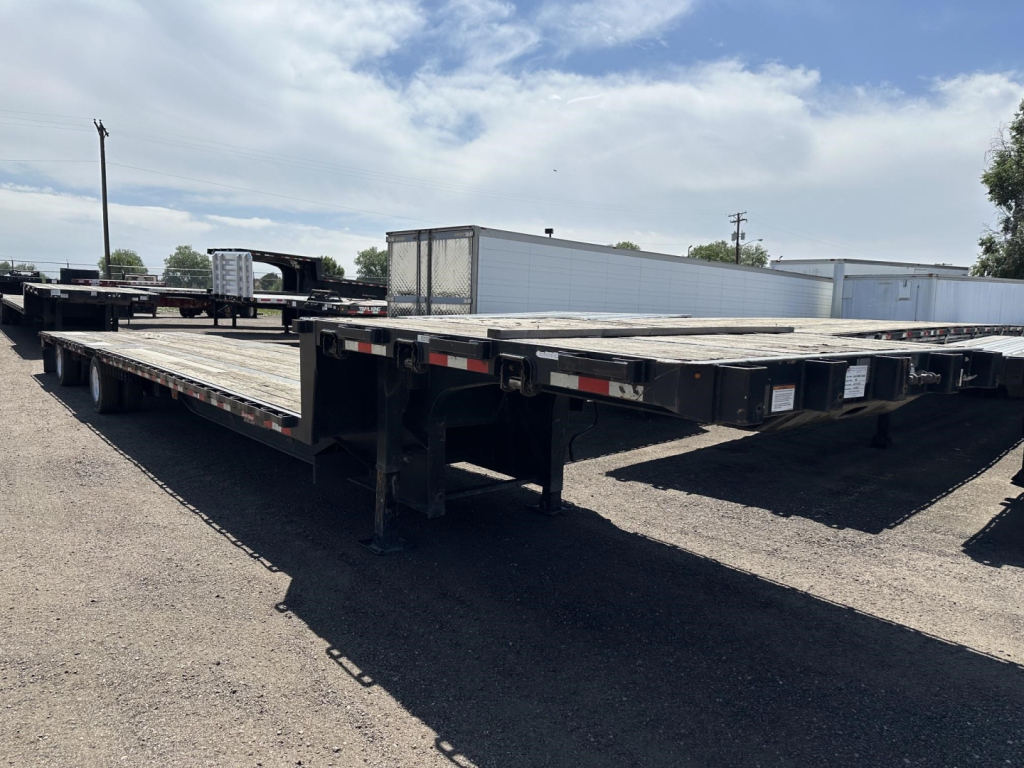
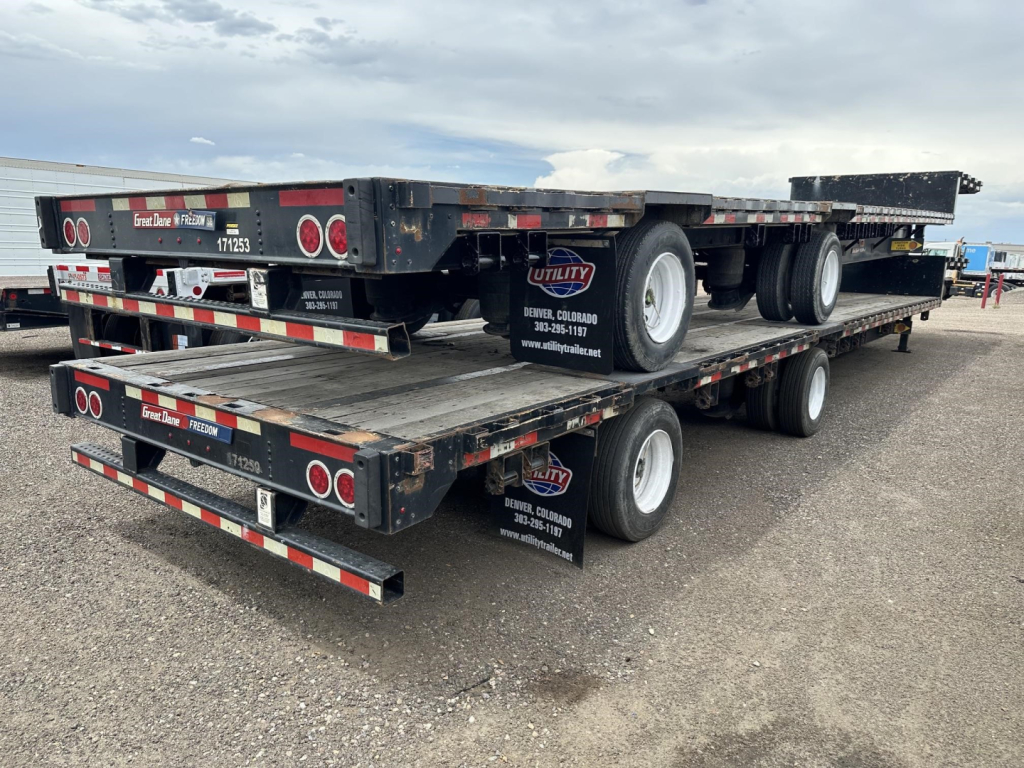
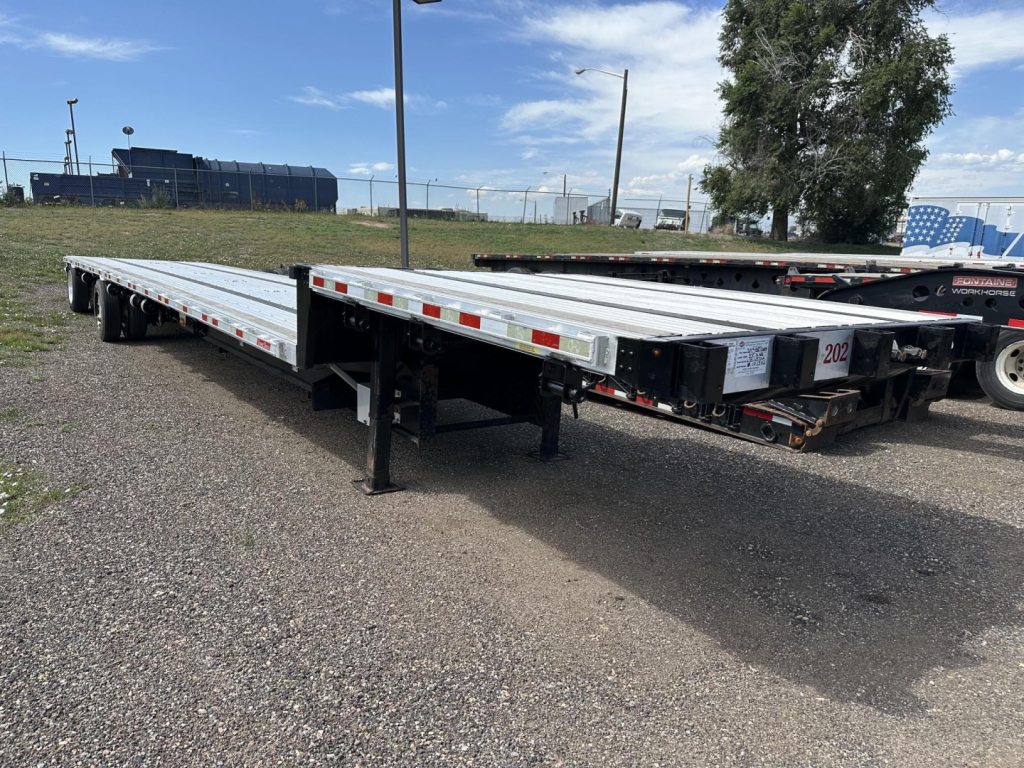
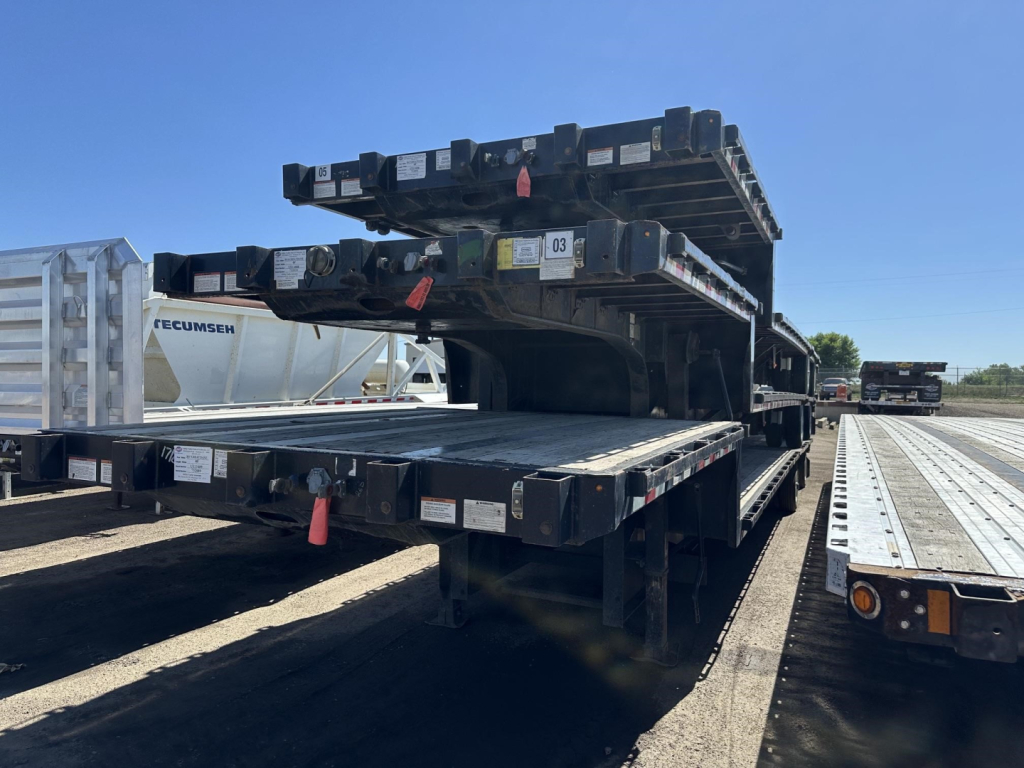
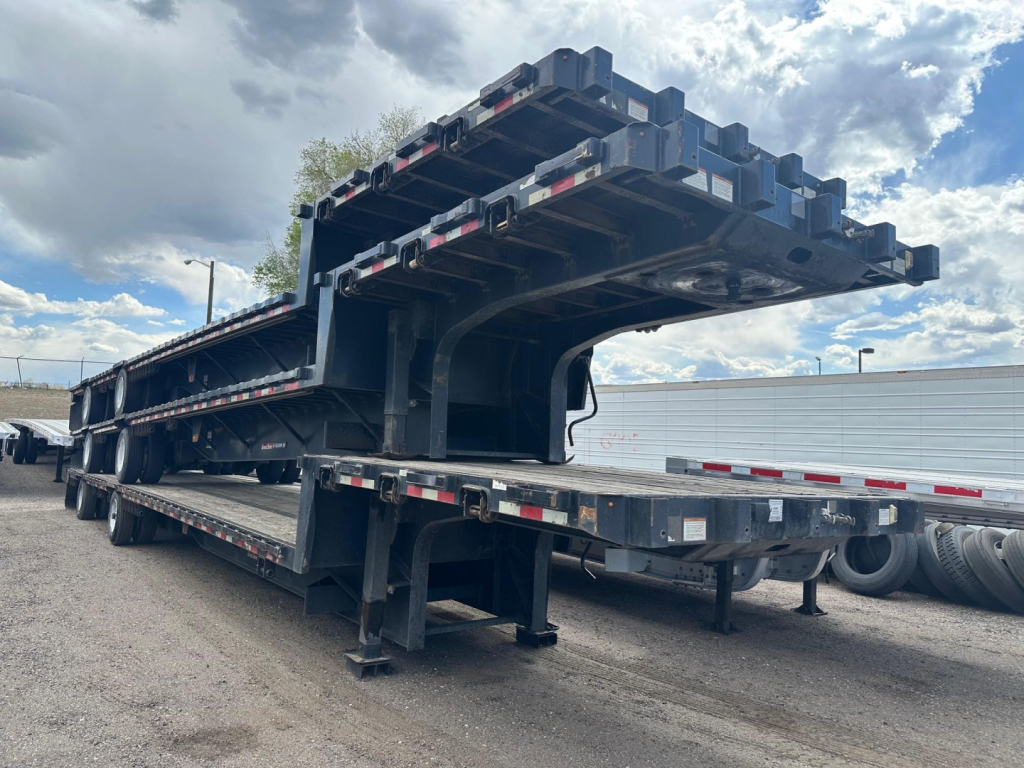
Selling a great dane drop deck trailer? List your great dane drop deck trailer for sale and reach thousands of commercial buyers.
Great Dane Drop Deck Trailers in Colorado
The main buying decision usually starts with trailer construction. Great Dane drop decks are commonly found in all-steel or combo configurations. A steel trailer generally favors durability and repairability in hard use, especially when freight is loaded by forklift, tracked equipment, or jobsite crews. A combo trailer, with steel main beams and more aluminum in the deck or side components, can help reduce tare weight and improve payload. Buyers should compare deck material closely. Wood decks are proven, easy to repair, and familiar for chained or strapped freight. Aluminum deck sections can save weight, but deck condition, crossmember integrity, and rail wear matter more than material alone on a used trailer.
Securement and axle setup are just as important as the basic frame. Many Great Dane drop decks are equipped with stake pockets, pipe spools, sliding winches, nail strips, and fixed spread air ride suspensions. That combination fits carriers handling mixed open-deck freight, including steel, lumber, pipe, crated machinery, and oversized pallets. A fixed spread axle can improve bridge compliance and stability, but it also affects turning radius, tire wear, and how easily the trailer works in tighter docks or older yards. Features like dump valves, PSI tire inflation systems, low-profile 22.5 or 17.5 tires, and ICC bumpers add to day-to-day usability and operating cost control. Tire size also affects deck height, so it should be evaluated as part of the overall hauling profile, not as a small detail.
On a used Great Dane drop deck, condition inspection should focus on the lower deck and transition area first because that is where concentrated loading and forklift traffic show up fastest. Check the main beams for repairs, deck fasteners, wheel area condition, suspension wear, brake life, and signs of rail or crossmember fatigue around securement points. Look closely at how the trailer has been spec'd for the freight you actually haul, not just the headline length and axle count. The right trailer for machinery and construction freight may not be the right trailer for lighter, higher-cube shipments. Great Dane has a strong reputation in the open-deck market, and the best value usually comes from matching construction type, tare weight, axle spread, and securement package to the lanes and commodities the trailer will see every week.
Frequently Asked Questions about Great Dane Drop Deck Trailers in Colorado
What is the advantage of a Great Dane drop deck trailer compared with a flatbed?
A Great Dane drop deck trailer gives you a lower main deck height than a standard flatbed, which allows taller freight to move while staying closer to legal overall height. That makes a drop deck a practical choice for equipment, bundled materials, tanks, crated machinery, and other loads that would sit too tall on a conventional flat. It also provides two deck sections, so some operators can improve load placement and securement flexibility depending on cargo dimensions and weight distribution.
Should I choose a steel or combo Great Dane drop deck?
A steel Great Dane drop deck is usually favored for rugged service, repeated forklift loading, and operations where repair simplicity matters more than tare weight. A combo configuration typically uses steel where strength is critical and aluminum where weight savings are possible, which can improve payload on legal loads. The better choice depends on commodity mix, how rough the loading environment is, and whether payload or durability has the bigger effect on your revenue and maintenance costs.
Why do many Great Dane drop deck trailers have fixed spread axles?
Fixed spread axles are common because they can help with bridge law compliance and load distribution on heavier or longer freight. They also add stability on the road, especially with taller open-deck cargo. The tradeoff is that spread-axle trailers are less maneuverable in tight spaces and can increase tire scrub during sharp turns. Buyers running urban deliveries, small yards, or crowded jobsites should weigh those handling drawbacks against the legal and operational benefits.
What should I inspect first on a used Great Dane drop deck trailer?
Start with the lower deck, the transition area, and the main beams because those areas take the most concentrated stress. After that, inspect crossmembers, deck condition, suspension components, brakes, tires, and all securement hardware such as stake pockets, pipe spools, and winch tracks. Also verify whether systems like tire inflation, air ride controls, and dump valves are working properly. Cosmetic appearance matters less than structural condition and whether prior repairs were done correctly.
Are Great Dane drop deck trailers a good fit for Colorado hauling?
They can be a strong fit for Colorado because the lower deck helps with taller freight that still needs to stay legal through mixed regional routes. Construction materials, agricultural equipment, oilfield support cargo, and machinery are all common applications. Buyers in Colorado should pay extra attention to brake condition, suspension wear, tire type, and corrosion or abrasion on the trailer because mountain grades, weather exposure, and rough access roads can accelerate wear compared with purely highway use.