
2018 Drop Deck Trailers For Sale
Shop 2018 drop deck trailers with specs buyers compare most: deck height, axle spread, construction, tie-down setup, and legal load flexibility.
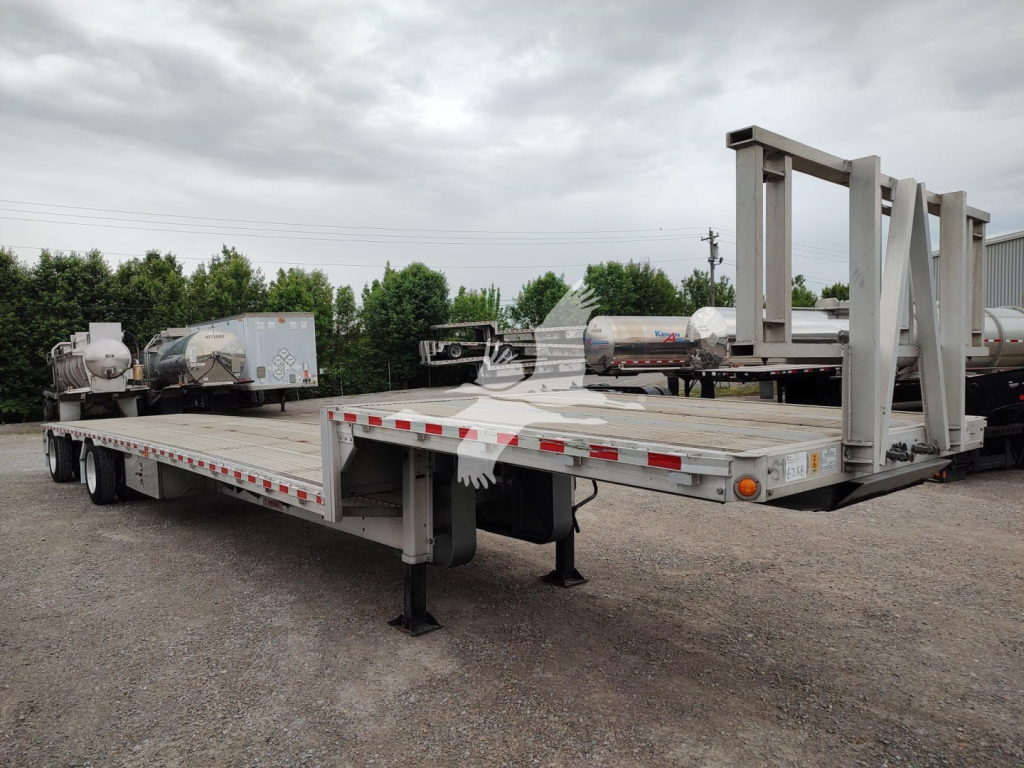
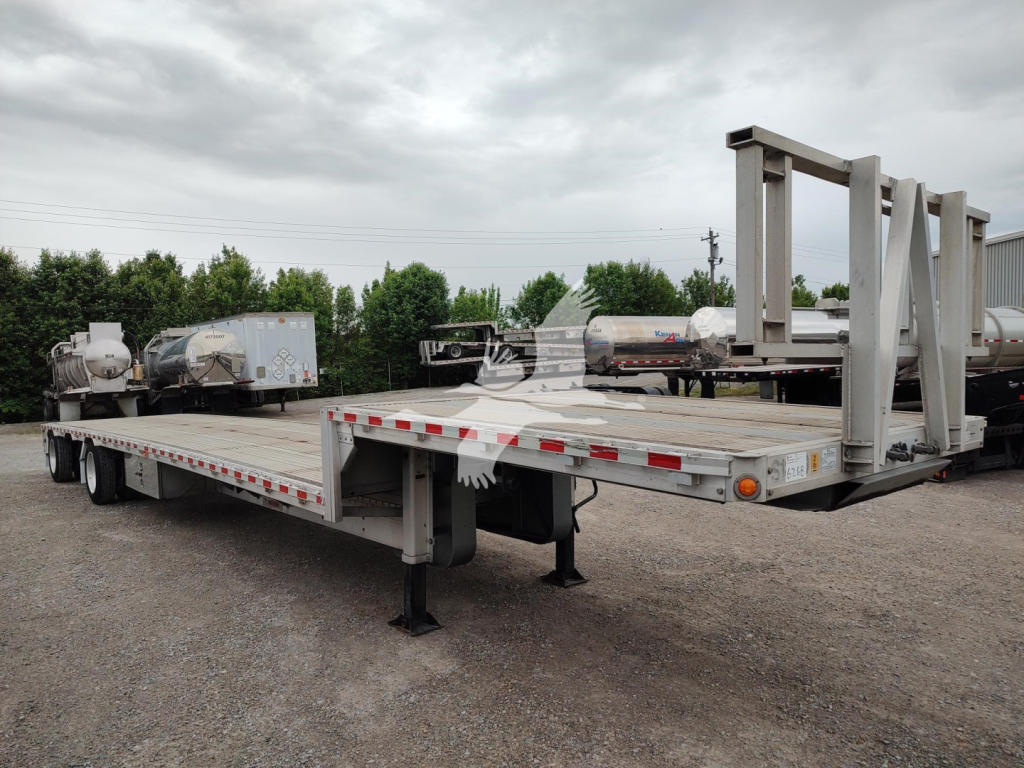
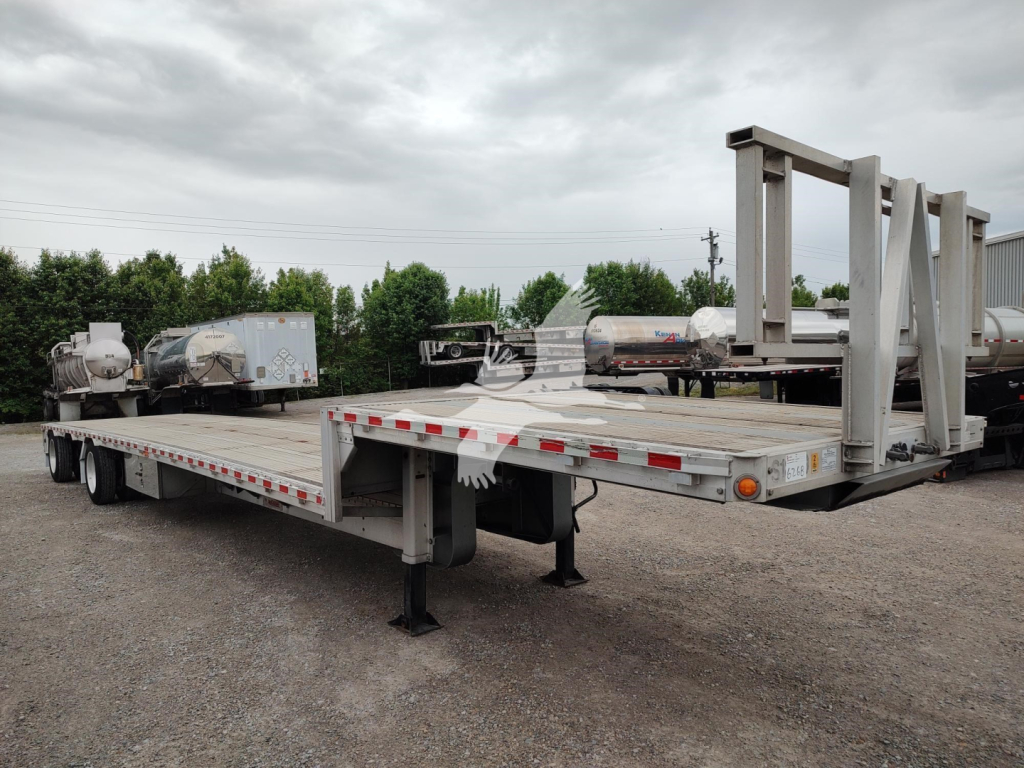
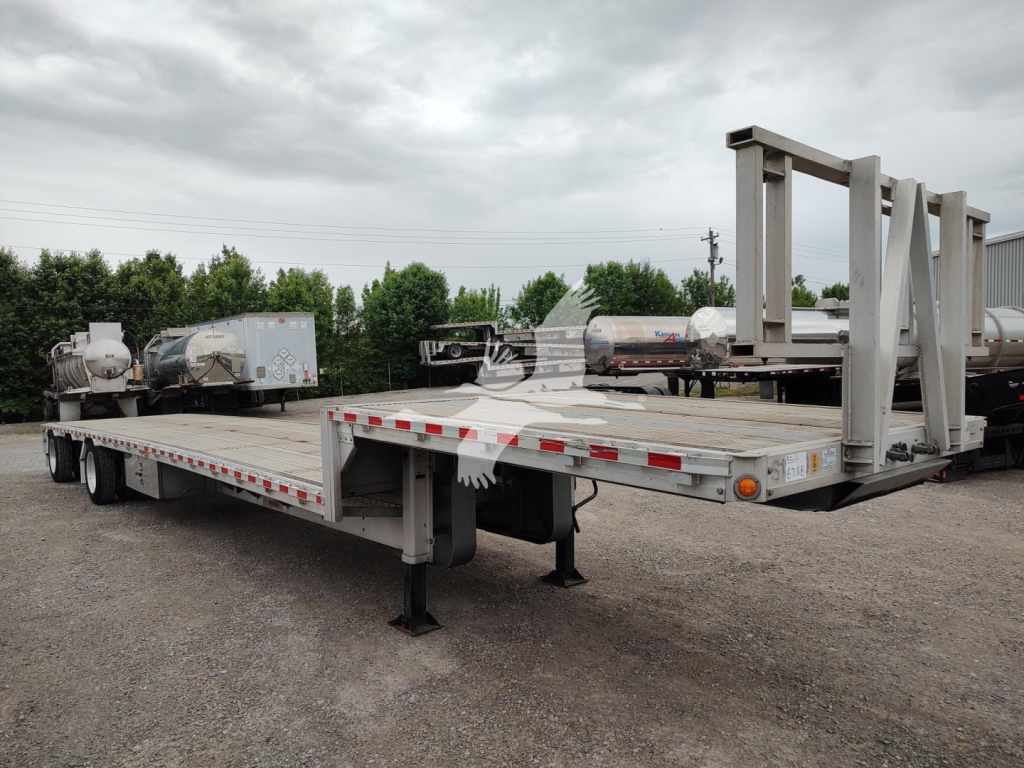
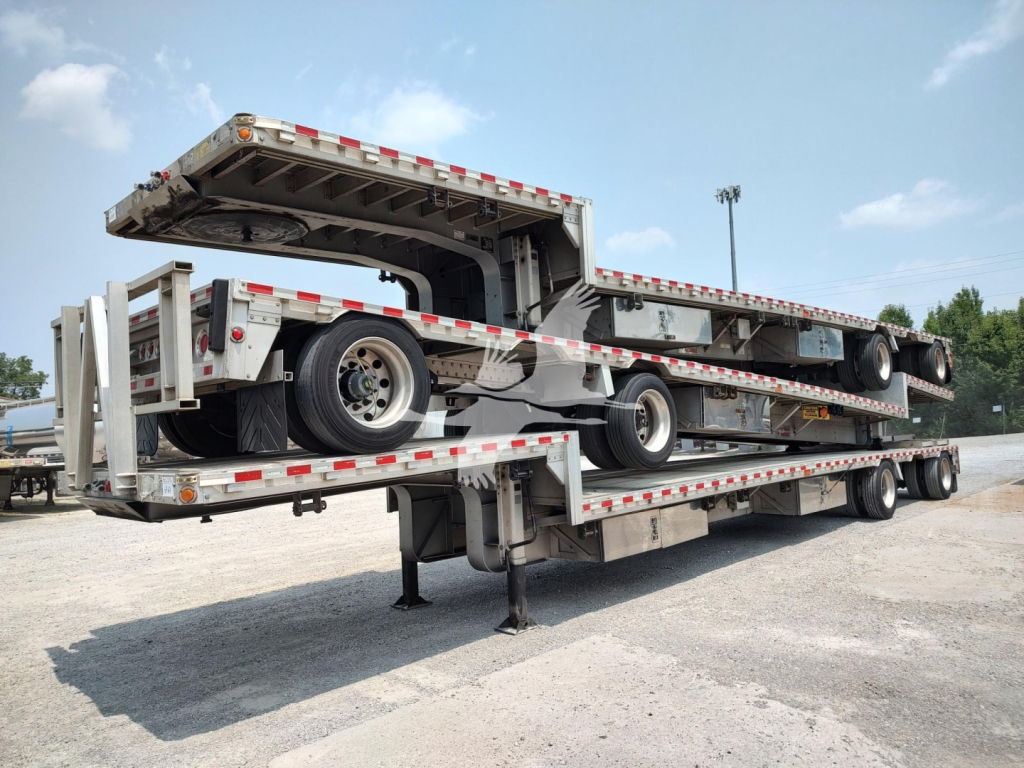
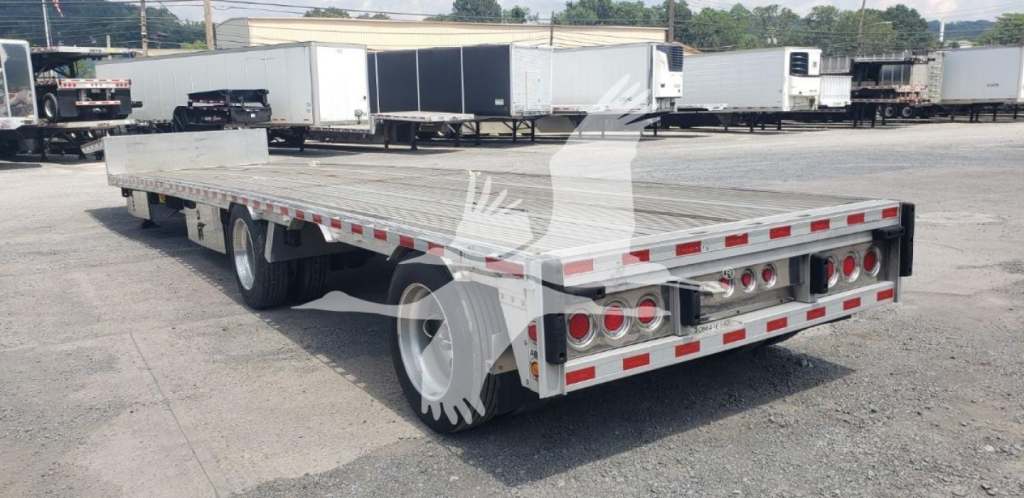
Selling a 2018 drop deck trailer? List your 2018 drop deck trailer for sale and reach thousands of commercial buyers.
2018 Drop Deck Trailers
Construction and weight matter on any used drop deck. A 2018 aluminum drop deck usually appeals to operators chasing payload and corrosion resistance, while steel or combo designs can make sense for tougher loading environments and lower acquisition cost. Common specs in this class include 48-foot and 53-foot lengths, 102-inch width, lower deck heights around the high-30-inch to low-40-inch range, and air ride suspension from brands such as Hendrickson. Buyers should also pay close attention to crossmember spacing, coil package reinforcement, floor material such as aluminum decking or Apitong, and the condition of side rails, pipe spools, stake pockets, and winch tracks. These details tell you a lot about how the trailer was worked and what freight it is ready to handle.
Freight securement setup is often what separates one 2018 drop deck from another. Many are equipped with sliding winches, chain tie-down points, nail strips, and full or partial coil packages for steel-hauling applications. Some include beavertails and ramps for loading forklifts, compact equipment, or other rolling cargo. Tire size, wheel type, tire inflation systems, dump valves, and suspension spread settings also affect daily operating cost and legal flexibility. If the trailer will run in states with stricter bridge and axle rules, a California-legal or closed-spread configuration can be especially valuable. Kingpin setting, landing gear condition, and axle slider function should be checked closely because they influence maneuverability, weight distribution, and compatibility with your tractor setup.
For a buyer comparing 2018 drop deck trailers for sale, the best unit is usually the one matched to freight profile more than brand alone. A lighter all-aluminum trailer may pencil out for long-haul building materials and general commodity work, while a reinforced combo or steel trailer may hold up better in concentrated-load service. Review deck dimensions against your actual freight, confirm suspension and brake condition, inspect the frame for repairs or neck stress, and look at how complete the securement package is before valuing the trailer. A well-spec'd 2018 drop deck can still be a productive trailer for regional or over-the-road flatbed operations if the structure, running gear, and load securement systems are right.
Frequently Asked Questions about 2018 Drop Deck Trailers
What is the difference between a drop deck trailer and a flatbed trailer?
A drop deck trailer has two deck levels, with a higher front deck and a lower main deck, while a flatbed has one continuous deck height. That lower main deck allows taller freight to be hauled legally without exceeding common overall height limits. For many operators, that means a drop deck can handle freight that would be too tall for a standard flatbed but does not require a lowboy.
What should I inspect first on a used 2018 drop deck trailer?
Start with the frame, neck, main beams, suspension, brakes, and axle alignment because those are the highest-cost structural and running gear items. Then inspect the deck surface, crossmembers, side rails, winch track, stake pockets, pipe spools, landing gear, and kingpin area for wear, cracks, repairs, or distortion. Tire condition, wheel type, and signs of uneven wear can also reveal alignment or suspension problems.
Are 2018 drop deck trailers good for hauling equipment?
Yes, many 2018 drop deck trailers are well suited for hauling forklifts, compact construction equipment, skid steers, and similar freight, especially if they have a beavertail and ramps. The lower deck height also helps with taller machines that would be difficult to move on a flatbed. Capacity still depends on trailer construction, axle configuration, deck reinforcement, and how concentrated the load is.
What axle setup is best on a drop deck trailer?
The best axle setup depends on your freight lanes and weight distribution needs. Tandem axle trailers are common and straightforward, spread axle setups can help with bridge compliance and load distribution, and sliding rear axle configurations add flexibility for state laws and dock maneuvering. Buyers should match axle spread, suspension setting, and legal operating requirements to the states and commodities they run most often.
Why does deck height matter so much on a drop deck trailer?
Deck height directly affects the maximum freight height you can haul while staying legal on the road. Even an inch or two can make a difference when moving machinery, crated equipment, or tall building materials. Lower deck height can expand the range of loads a trailer can take, but buyers should balance that benefit against ground clearance, ramp angle, and overall trailer design.